
Keeping our kids safe at home is a top priority, and understanding electrical safety is a huge part of that. Let’s dive into some essential tips to protect our little ones from electrical hazards. Read Interesting article: Traveling with Kids: Ensure Home Electrical Safety First
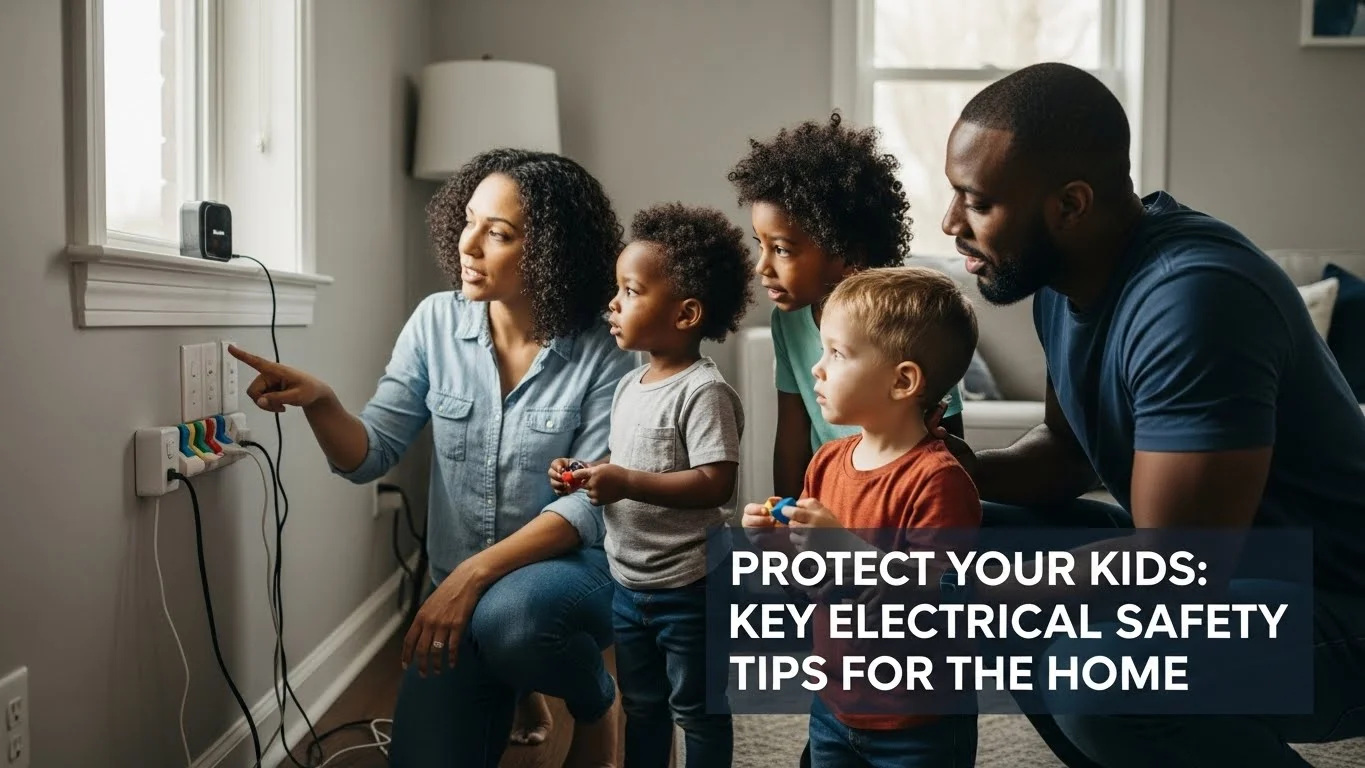
Understanding Electrical Safety in the Home
What is Electrical Safety?
Electrical safety refers to the set of practices designed to prevent accidental electrical injuries or fatalities. It involves understanding how electricity works and recognizing potential hazards in our environment. I remember when I first started learning about electrical safety; it felt overwhelming. But it’s really about being aware of our surroundings and how we use electrical devices. With a few simple precautions, we can create a safer home environment for ourselves and our children.
Why is Electrical Safety Important for Kids?
Kids are naturally curious, which can lead them to explore things they shouldn’t, especially when it comes to electricity. I’ve seen my own kids get fascinated by outlets, cords, and appliances. This curiosity can put them at risk if we don’t take steps to teach them about electrical safety. According to the National Fire Protection Association, electrical failures are a leading cause of home fires. I believe it’s critical to instill an understanding of electrical safety in our kids so they can recognize dangers and avoid them. Teaching them early can foster a sense of responsibility and awareness that lasts a lifetime. You can also check out some Essential Electrical Safety Tips for Family Travel for additional insights.
Common Electrical Hazards in the Home
Exposed Wires and Cords
One of the most alarming hazards in homes is exposed wires and frayed cords. I’ve noticed that cables can wear down over time, and if they’re not promptly addressed, they become a serious risk. Kids might touch them out of curiosity, not realizing the danger. I always recommend inspecting your cords regularly. If you see any signs of wear, it’s best to replace them rather than trying to fix them yourself. Keeping cords tucked away or using cord organizers can also help minimize risks.
Overloaded Outlets
Overloaded outlets can lead to overheating and, ultimately, fires. I used to plug multiple devices into one outlet without thinking twice, but I’ve learned that this is a big no-no. It’s important to spread out our electrical usage and use power strips with surge protection when necessary. I also suggest teaching kids the importance of not plugging in too many devices at once, emphasizing that it’s safer to use fewer devices and keep their play areas clear.
Electrical Appliances
Every home has electrical appliances, from toasters to microwaves, and while they’re incredibly useful, they can also be dangerous if misused. I’ve had moments where I had to remind my kids to stay away from appliances while they’re in use. For me, it’s crucial to establish rules about using appliances only with adult supervision. I encourage everyone to demonstrate how to use appliances safely, reinforcing the importance of respecting these tools.
Wet Areas and Electricity
Water and electricity are a dangerous combination. I’ve learned the hard way that letting kids play near water and electrical devices can lead to serious accidents. Bathrooms and kitchens are particularly risky areas. I always make it a point to remind my kids to keep electrical devices away from sinks and bathtubs. Installing Ground Fault Circuit Interrupters (GFCIs) in these areas can provide an extra layer of safety, cutting off power if there’s a surge.
Key Electrical Safety Tips for Families
Childproofing Electrical Outlets
One of the first steps I took in childproofing my home was to install outlet covers. They’re simple to use and can prevent little fingers from poking into outlets. In my experience, it’s essential to choose covers that are hard for kids to remove but easy for adults to use. This small step can make a huge difference in keeping kids safe.
Educating Kids About Electrical Safety
Education is key. I’ve found that involving my kids in conversations about electrical safety not only makes them aware but also keeps them engaged. We play games where we identify safe and unsafe electrical practices around the house. This method has worked wonders for us, as it makes learning fun and memorable. I also recommend looking into Top Electrical Safety Measures for Traveling Families to expand on the topic.
Regular Inspection of Electrical Systems
I’ve realized that regular inspection of electrical systems in our home is vital. It’s easy to overlook things like circuit breakers or fuse boxes, but these components require attention too. I make it a habit to check our electrical systems annually, and I encourage families to do the same. If you aren’t comfortable doing this yourself, hiring a professional can ensure everything is in working order.
Using Ground Fault Circuit Interrupters (GFCIs)
As I mentioned before, GFCIs are a game-changer, especially in wet areas. They can prevent electrical shocks by cutting off the power when there’s an imbalance. I’ve learned that installing them in kitchens, bathrooms, and outdoor areas can enhance safety significantly. They’re a small investment for peace of mind.
Keeping Electrical Appliances Out of Reach
Last but not least, I always make sure that electrical appliances are kept out of reach of my kids. This includes simple things like keeping the toaster on a high counter or storing the blender in a cabinet. It’s a small adjustment that can prevent accidents and give us a bit more peace of mind.
Creating a Safe Environment for Kids
Designating Safe Zones in the Home
Creating safe zones in our homes has been a game-changer for us. I realized that while I can’t keep my kids in a bubble, I can set up areas where they can play without constant worry. For example, we designated a playroom where all the toys are stored safely away from electrical outlets and cords. This way, they have a fun and safe space to explore their creativity. I also find it helpful to use furniture to block off areas where electrical hazards might be present. It’s a simple trick that can make a big difference in how safe our environment feels.
Establishing ‘No Play’ Areas Near Electrical Outlets
One thing I’ve enforced in our house is the ‘no play’ rule near electrical outlets. I remember the first time my youngest tried to plug in a toy while I was distracted. That moment made it clear that I needed to set boundaries. We made a clear space around all outlets where toys and playtime are not allowed. I often remind my kids that those areas are off-limits. Having visual cues like stickers or signs can help reinforce this rule, making it easier for them to remember. It’s amazing how a few simple rules can help keep our kids safe while still letting them enjoy their space.
Implementing a Family Safety Plan
Having a family safety plan is something I can’t stress enough. We sat down as a family and talked about what we would do in case of an electrical emergency. I wanted my kids to feel empowered, so we created a simple plan that includes safe exits and a designated meeting spot outside. We even practiced scenarios together. It felt a bit silly at first, but it was also reassuring to know that we all understood what to do if something went wrong. I encourage everyone to involve their kids in creating their own family safety plans. It really helps them feel more secure and informed.
Emergency Preparedness and Response
What to Do in Case of an Electrical Shock
When it comes to electrical safety, knowing what to do in an emergency can save lives. I remember the first time I learned about how to respond to an electrical shock. It’s crucial to keep calm and assess the situation. If someone gets shocked, the first step is to turn off the power source if it’s safe to do so. I always emphasize that you shouldn’t touch the person until the power is off, as doing so can put you at risk too. After that, calling for medical help is essential, even if the person seems okay. I’ve read that even minor shocks can have underlying effects, so it’s better to be safe than sorry.
Creating an Emergency Contact List
Having an emergency contact list is something we put together not just for electrical issues but for all kinds of emergencies. I used to think it was enough to have numbers stored in my phone, but having a physical list posted in a visible area, like the fridge, is much more effective. It includes local emergency services, family members, and our pediatrician. I also added our local electrician’s number, which has come in handy more than once! I recommend sitting down as a family and discussing who should be contacted in different situations. This way, everyone knows exactly what to do and who to reach out to.
Teaching Kids to Report Electrical Issues
From my experience, encouraging my kids to report any electrical issues has been incredibly valuable. I often tell them that if they see anything unusual, like flickering lights or strange smells from outlets, they should come to me immediately. I believe this has made them more observant and aware of their surroundings. We even role-play scenarios where they practice what to say when they report something. It’s a simple way to empower them, and it helps me feel more at ease knowing they’re vigilant. I truly think that fostering this sense of responsibility is one of the best things we can do for our kids when it comes to electrical safety.
Resources for Electrical Safety Education
Books and Guides for Parents
As a parent, I’ve found that having good resources can really help in teaching my kids about electrical safety. I’ve come across several books and guides that simplify complex topics into easy-to-understand language. There are some fantastic children’s books that tackle safety themes, which I’ve read to my kids during storytime. They find the stories engaging, and it allows us to discuss the topics afterward. I recommend checking out your local library or bookstore for materials that focus on electrical safety specifically designed for kids and parents.
Online Courses and Workshops
Another great resource I discovered is online courses and workshops focused on electrical safety. I signed up for a local community class that offered practical tips and hands-on training. It was surprisingly informative and gave me the confidence to handle minor electrical issues around the house. I found that many local organizations and fire departments offer free workshops, which can be a great way to connect with other parents while learning valuable skills. I think it’s a wonderful opportunity for families to learn together.
Local Community Programs
Finally, I think it’s essential to tap into local community programs that focus on safety education. Many neighborhoods offer safety fairs, where families can learn about various safety topics, including electrical safety. I took my kids to one of these events, and they had a blast! There were demonstrations, activities, and information booths. It made learning about safety fun and engaging for them. I suggest looking for similar events in your community. It’s a great way to reinforce what we teach at home while also making connections with other families.
Understanding Electrical Safety in the Home
What is Electrical Safety?
Electrical safety is a critical aspect of ensuring that our homes are secure from potential hazards. It encompasses a range of practices and precautions that help us avoid electrical accidents. I once thought that electrical safety was only about avoiding shocks, but there’s so much more to it. It involves understanding how electricity works, recognizing the signs of faulty equipment, and knowing how to respond to emergencies. I remember feeling empowered after learning about basic electrical principles; it gave me the confidence to navigate electrical situations in my home more effectively.
Why is Electrical Safety Important for Kids?
For kids, understanding electrical safety is vital. Their natural curiosity can lead them to explore outlets, cords, and appliances, often without realizing the risks involved. I’ve seen my children reach for things that I thought were out of their grasp. It became evident to me that I needed to create an environment where they could learn safely. I believe that if we equip our kids with the knowledge of how to recognize dangers, we can significantly reduce the likelihood of accidents. Teaching them the basics of electrical safety isn’t just about avoiding danger; it’s about fostering a sense of responsibility that they’ll carry into adulthood.
Common Electrical Hazards in the Home
Exposed Wires and Cords
Exposed wires and frayed cords are hazards I’m always on the lookout for in my home. They can be surprisingly easy to overlook, especially in high-traffic areas. I remember a time when I saw a frayed cord behind the couch and immediately thought about how dangerous it could be for my kids. In my experience, it’s essential to keep a vigilant eye on these items. Regular inspections have become part of our family routine. If I spot any wear and tear, I make it a point to replace the cord or wire without delay. This practice not only protects my kids but also gives me peace of mind.
Overloaded Outlets
Overloaded outlets are another common hazard I’ve encountered. I used to think that as long as the outlet was working, it was safe to use. However, I learned that plugging too many devices into one outlet can lead to overheating and fire risks. To avoid this, I now use power strips with built-in surge protectors. I also educate my kids about the importance of using outlets wisely. We’ve even turned it into a fun game, where they help me identify which outlets are overloaded. This not only teaches them responsibility but also keeps our home safer.
Electrical Appliances
Electrical appliances, while incredibly helpful, can also pose risks if not used correctly. I’ve had my share of parenting moments where I had to remind my kids to stay clear of hot surfaces and cords. Establishing rules around appliance use has made a significant difference in our household. I encourage my kids to ask for help if they want to use something, which reinforces the idea that some tasks are best done with adult supervision. I’ve noticed that this approach not only keeps them safe but also helps them develop respect for the tools they use.
Wet Areas and Electricity
I can’t stress enough how dangerous wet areas are when it comes to electricity. Bathrooms and kitchens are particularly risky, and I’ve had to establish strict rules about using electrical devices around water. I remember a close call when my child accidentally knocked a hair dryer near a sink. It was a wake-up call for me, and since then, I’ve installed GFCIs in these rooms to help prevent accidents. I always remind my kids that water and electricity don’t mix and that they should keep devices away from sinks and bathtubs. It’s a simple lesson that can have life-saving implications.
Key Electrical Safety Tips for Families
Childproofing Electrical Outlets
Childproofing our outlets was one of the first safety steps I took. I found outlet covers to be incredibly effective; they prevent curious little fingers from exploring potentially dangerous areas. I always look for covers that are difficult for kids to remove but easy for adults to use. It’s a small investment for a significant safety benefit. I’ve seen how this simple measure gives me peace of mind when my kids are playing nearby.
Educating Kids About Electrical Safety
As I mentioned earlier, education is key. I try to involve my kids in discussions about electrical safety regularly. We’ve turned our conversations into interactive sessions where they can ask questions and share their thoughts. I love using visual aids or even conducting little experiments to teach them about electricity. Making learning fun has proven effective; they remember the lessons better when they’re engaged. I believe that the more we involve our children, the more likely they are to take electrical safety seriously.
Regular Inspection of Electrical Systems
Regular inspections of our home’s electrical systems have become a family affair. I’ve learned that it’s easy to overlook things like circuit breakers or outlets, but these require attention. We set aside time each year to check everything, and it’s become a great bonding experience. If I notice something that needs fixing, I either handle it myself or call in a professional. I encourage other families to establish their inspection routines; it’s a proactive way to ensure safety.
Using Ground Fault Circuit Interrupters (GFCIs)
Installing GFCIs in wet areas has been one of the best decisions I made for our home. They provide an extra layer of protection by cutting off power when they detect an imbalance. I love how they enhance our safety, especially in bathrooms and kitchens. I always recommend that families consider them as a small investment for peace of mind. Installing GFCIs has helped me feel more secure knowing that we’re taking steps to protect our children.
Keeping Electrical Appliances Out of Reach
I can’t emphasize enough how important it is to keep electrical appliances out of kids’ reach. Simple adjustments, like placing the toaster on a high shelf or ensuring that cords are tucked away, can make a big difference. I’ve learned that it’s about creating barriers while also teaching my kids the reasons behind these precautions. This approach not only keeps them safe but also helps them understand the importance of respecting electrical devices.
Creating a Safe Environment for Kids
Designating Safe Zones in the Home
Designating safe zones has transformed how we navigate our home. I realized that while I can’t keep my kids away from all potential hazards, I can create spaces where they can play freely. We’ve set up a dedicated playroom filled with toys that are safe and engaging, far from electrical hazards. Using furniture to block off potential danger areas is a trick that’s worked wonders for us. It’s made a noticeable difference in how safe we all feel, and my kids love having their special place to explore.
Establishing ‘No Play’ Areas Near Electrical Outlets
Enforcing ‘no play’ zones around electrical outlets has been crucial in our home. After one close call, I knew I had to make it clear where playtime was allowed. We’ve created visual cues to remind my kids that these areas are off-limits, and I’ve found that incorporating stickers helps reinforce the message. Consistently reminding them of this rule has made it easier for them to remember, and I feel more at ease knowing they’re aware of the boundaries.
Implementing a Family Safety Plan
Having a family safety plan is something I can’t stress enough. It’s been an essential part of our routine. We’ve sat down together to discuss what to do in case of an electrical emergency. Creating a simple plan with designated meeting spots and safe exits has empowered my kids. Practicing these scenarios has become a bonding experience; while it may feel silly at times, it reassures us that we’re all on the same page when it comes to safety. I encourage other families to get involved in similar planning—it’s a great way to foster a sense of security and teamwork.
Frequently Asked Questions
What is electrical safety?
Electrical safety refers to the set of practices designed to prevent accidental electrical injuries or fatalities. It involves understanding how electricity works and recognizing potential hazards in our environment.
Why is electrical safety important for kids?
Kids are naturally curious and may explore electrical devices without realizing the risks. Teaching them about electrical safety is critical to help them recognize dangers and avoid potential accidents.
What are common electrical hazards in the home?
Common electrical hazards include exposed wires and frayed cords, overloaded outlets, misuse of electrical appliances, and the dangers of using electrical devices in wet areas.
How can parents childproof electrical outlets?
Parents can childproof electrical outlets by installing outlet covers that are difficult for kids to remove but easy for adults to use, significantly reducing the risk of accidental shocks.
What precautions should be taken with overloaded outlets?
To prevent overloaded outlets, it’s important to spread out electrical usage and use power strips with surge protection. Teaching kids not to plug in too many devices at once is also essential.
What should parents do to educate their kids about electrical safety?
Parents can involve their kids in discussions about electrical safety, use interactive methods like games to identify safe and unsafe practices, and reinforce the lessons through hands-on experiences.
What are Ground Fault Circuit Interrupters (GFCIs) and why are they important?
GFCIs are devices that prevent electrical shocks by cutting off power when they detect an imbalance. They are particularly important in wet areas like kitchens and bathrooms for added safety.
How can families prepare for electrical emergencies?
Families can prepare by creating a safety plan that includes what to do in case of an electrical emergency, identifying safe exits, and practicing scenarios together to ensure everyone knows how to respond.
What should you do in case of an electrical shock?
If someone experiences an electrical shock, the first step is to turn off the power source if it’s safe to do so. It’s crucial not to touch the person until the power is off, and then seek medical help immediately.
How can parents encourage their kids to report electrical issues?
Parents can encourage kids to report electrical issues by teaching them to recognize signs of problems, like flickering lights or strange smells, and fostering an environment where they feel comfortable discussing their observations.