
Keeping our children safe is a top priority for every parent. One often-overlooked area is window safety, which can pose serious risks if not properly managed. Read Interesting article: Traveling with Kids: Ensure Home Electrical Safety First
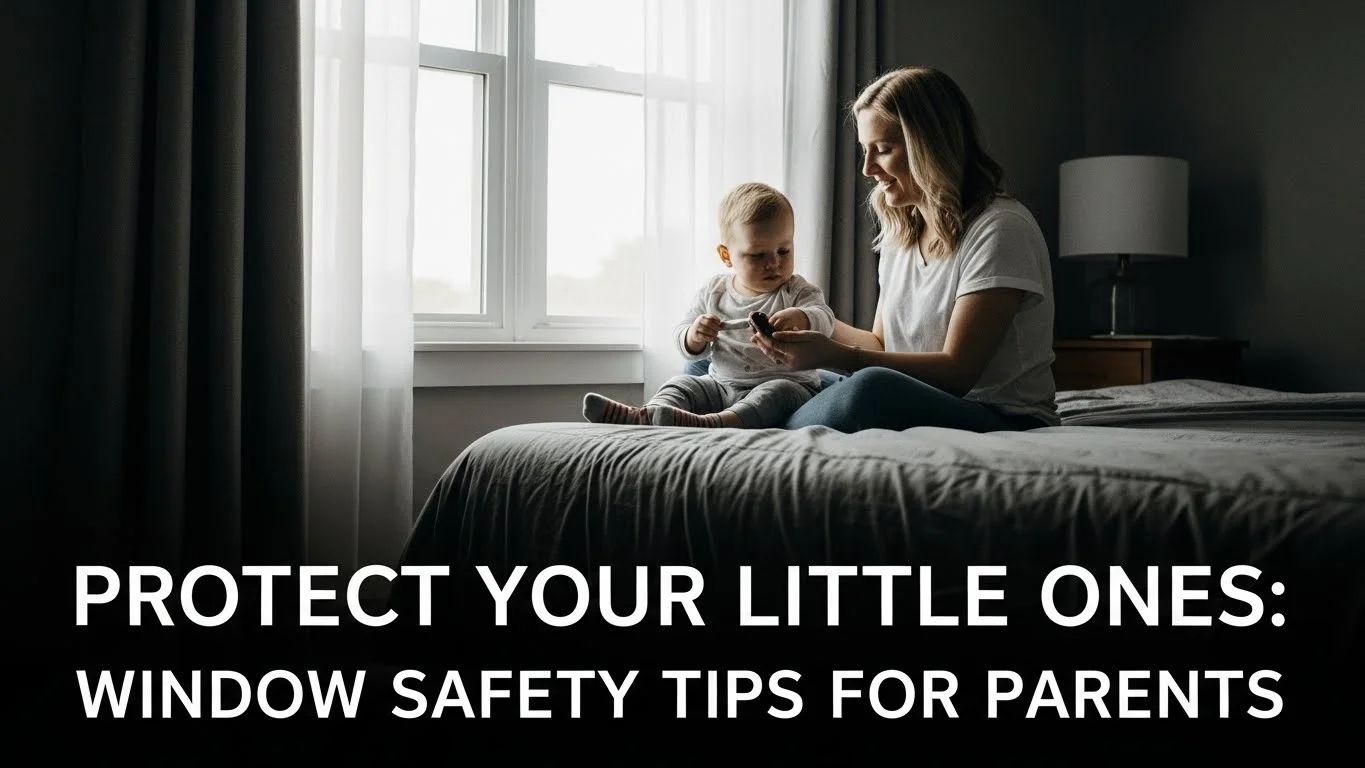
Understanding Window Safety Risks for Children
As a parent, I often find myself worrying about the different dangers my little ones face every day. One area I didn’t think much about until recently was windows. I remember reading a statistic that made my heart drop: thousands of children are treated in emergency rooms each year for injuries related to window falls. It made me realize just how important it is to educate ourselves about window safety.
Common Injuries Associated with Window Falls
Window falls can lead to a range of injuries, from minor scrapes to severe trauma. I’ve learned that children who fall out of windows can suffer broken bones, head injuries, and, in the worst cases, life-threatening conditions. I’ve seen firsthand the impact these injuries can have on families; they can lead to extended hospital stays and long recovery times. Every time I think about it, I feel a wave of urgency to ensure my home is as safe as possible.
Age Groups Most at Risk
When it comes to window-related accidents, age plays a significant role. I found that toddlers and preschoolers are particularly vulnerable. Their natural curiosity often leads them to explore, and they might not understand the dangers of leaning against or climbing near a window. I remember a friend’s child who was just starting to walk. One moment, he was playing in the living room, and the next, he was trying to reach for a toy near an open window. This experience opened my eyes to how quickly things can happen. School-age children are also at risk, especially those who might be playing roughly or engaging in risky behavior. Keeping a close eye on their activities around windows is crucial.
Types of Windows and Their Safety Features
Understanding the different types of windows in our homes has been a game-changer for me. Each type has its own safety features and potential hazards, and knowing these can help us make informed decisions about safety measures.
Double-Hung Windows
I’ve noticed that double-hung windows are common in many homes, including mine. They open from the top and bottom, which can be great for ventilation but also presents risks. I make it a habit to keep the upper sash closed and locked whenever possible. This way, I can allow fresh air in without compromising safety. It’s a small step, but it gives me peace of mind.
Sliding Windows
Sliding windows can also be a hazard, particularly if a child tries to climb or push against them. I remember watching my kids play near our sliding glass door, and I felt nervous every time they got too close. Now, I pay extra attention to ensure that these windows are equipped with proper locks and are kept secure when not in use. Read Interesting article: Essential Electrical Safety Tips for Family Travel
Casement Windows
Casement windows, which open outward with a crank, can be a bit tricky. I’ve realized that if they’re left open, they can pose a risk of falling out. Plus, the cranks can be tempting for little hands to play with. I make it a point to teach my kids that these windows need to be treated carefully, and I always check that they’re closed and locked when we’re not using them.
Picture Windows
Picture windows are fixed and don’t open, so they’re generally safer in terms of falls. However, I still take precautions, especially since my kids love to play near them. I often remind them that these windows are for looking out, not climbing on. It’s all about establishing that awareness early on.
Essential Window Safety Tips for Parents
With all this information in mind, I’ve compiled a list of essential window safety tips that I faithfully follow to help keep my kids safe.
Installing Window Guards and Stops
One of the best decisions I made was to install window guards and stops. These are simple devices that can prevent windows from opening too wide, which can make a huge difference. They’re easy to install, and I felt a wave of relief knowing that I was adding an extra layer of protection for my children. I recommend checking that they meet safety standards to ensure effectiveness.
Using Window Locks Properly
I learned that simply having window locks isn’t enough; we must use them consistently. I make it a habit to lock all windows, especially those on the second floor or higher. It’s a small change that doesn’t take much time but can be invaluable in preventing accidents. I even involve my kids in this process, teaching them how to close and lock windows so they understand the importance.
Keeping Furniture Away from Windows
Another tip that has worked well for our family is keeping furniture away from windows. I noticed that my kids were using chairs to climb up and look out. By rearranging our space and moving furniture away, I reduced that temptation significantly. It’s a simple way to eliminate a risk and keep the focus on safe play.
Educating Children About Window Safety
Lastly, I believe in teaching my children about window safety. We’ve turned it into a fun learning experience. We talk about why windows need to be treated with care and the potential dangers of leaning or climbing near them. I’ve found that when they understand the “why” behind the rules, they’re more likely to follow them. Plus, I love seeing them take ownership of their safety! Read Interesting article: Essential First Aid Tips for Kids with Allergies
Creating a Safe Home Environment
Creating a safe home environment is something I take seriously. I believe that every parent should strive to make their home as secure as possible, especially when it comes to potential hazards like windows. I’ve found that being proactive can really help in preventing accidents before they happen.
Assessing Your Home’s Window Safety
One of the first steps I took was to assess the safety of the windows in our home. I walked through each room and took a good look at how accessible the windows were to my kids. I remember spotting a few that I had overlooked before, especially in our living room where the furniture was positioned close to them. This assessment made me realize that I needed to change things up a bit. I recommend taking a mental note of any windows that might pose a risk and considering the potential for children to climb or lean against them. It really helps to have this awareness so we can actively work to mitigate risks.
Regular Inspections and Maintenance
Regular inspections have become a routine part of my home care. I set a reminder every few months to check all windows and their safety features, like locks and guards. It’s easy to forget about these things in the hustle and bustle of daily life, but I’ve learned that doing this can make a significant difference. During my last inspection, I found a window lock that was stuck and needed a little oiling. If I hadn’t checked, my kids could have easily pushed it open without me noticing. By maintaining these safety features, I feel more in control and confident in our home environment.
Choosing Safe Window Treatments
When it comes to window treatments, I’ve discovered that not all options are created equal. I used to think that any pretty curtain or blind would do, but then I read about the dangers of cords and long drapes. I decided to switch to cordless blinds, which not only look great but also eliminate a potential choking hazard. My kids love to play around the windows, and I feel so much better knowing that they can’t accidentally get tangled in cords. There are also options like sheer shades or roller shades that can provide safety without sacrificing style. I recommend looking for child-safe labels when choosing window treatments to ensure they meet safety standards.
Emergency Preparedness for Window-Related Incidents
Even with all the precautions we take, accidents can happen. That’s why I think it’s essential to be prepared for any emergency situation. I’ve learned that knowing how to respond can make all the difference.
First Aid for Window-Related Injuries
Having a basic understanding of first aid for window-related injuries is crucial. I took a first aid class a while back, and it was eye-opening. I learned how to handle various injuries, from cuts and scrapes to more severe traumas. For instance, if my child were to get a cut from broken glass, I would apply pressure to stop the bleeding and keep the wound clean until help arrives. I also keep a well-stocked first aid kit in our home, and I make sure to check it regularly to ensure that everything is up to date. Knowing that I’m equipped to deal with emergencies gives me a sense of security that I can pass on to my children.
Creating an Emergency Contact List
Creating an emergency contact list has been another vital step for my family. I’ve compiled a list of phone numbers for family members, our pediatrician, and local emergency services, and I hung it on the fridge for easy access. In a moment of panic, it can be hard to remember numbers, so having this list right there gives me peace of mind. I also encourage my kids to memorize important numbers, like mine and their dad’s, so they know who to call in case of an emergency. This small step empowers them and helps them feel more secure.
Resources and Tools for Parents
With so much information out there, I’ve found some fantastic resources and tools that can guide us in keeping our homes safe.
Safety Guidelines from the American Academy of Pediatrics
The American Academy of Pediatrics (AAP) offers a wealth of information on child safety, including window safety recommendations. I recently spent some time on their website, and I was impressed by the guidelines they provide. They cover everything from window types to child-proofing techniques. I recommend checking it out, as it’s a reliable source for parents looking to educate themselves on keeping their children safe.
Helpful Products for Window Safety
There are plenty of products available that can enhance window safety. I found some excellent window guard options that are adjustable and can fit various window sizes. Additionally, there are child-safe locks that are easy for adults to use but challenging for little hands. I’ve purchased a few for our home, and they offer me peace of mind. Before buying, I always check reviews and ensure they meet safety standards, as I want the best for my kids.
Local Services for Safety Inspections
Lastly, I’ve discovered that there are local services that specialize in safety inspections for homes. I decided to reach out to one in my area, and they provided invaluable insights on our window safety measures. They helped me identify potential risks and offered suggestions for improvement. If you’re unsure about your home’s safety, I highly recommend looking into local services that can assess your windows and provide expert advice.
Understanding Window Safety Risks for Children
Common Injuries Associated with Window Falls
When I think about the injuries associated with window falls, it really hits home how serious this issue is. I’ve read about children who have suffered from everything from minor cuts to life-altering injuries. It’s alarming to realize that even a simple fall can lead to broken bones or head trauma, which may require extensive medical treatment and rehabilitation. I remember reading a story about a child who fell from a second-story window while reaching for a toy. The family’s life changed in an instant, and it made me reflect on how quickly something tragic can occur. I think it’s essential for us as parents to be aware of these risks so we can take the right steps to protect our kids.
Age Groups Most at Risk
As I mentioned earlier, toddlers and preschoolers are at a higher risk due to their natural curiosity and exploratory behavior. I’ve seen my little ones get into all sorts of mischief, and it’s easy to overlook how quickly they can find themselves near a window. But it’s not just the youngest ones we need to worry about. School-age children can also be at risk, especially when they start to engage in more active play. For example, I remember when my son had his friends over for a playdate, and they got a bit rowdy near a window. It was a wake-up call for me to realize that even older kids can be careless in their play. Keeping an eye on their activities and having open discussions about the dangers of windows is crucial for all age groups.
Types of Windows and Their Safety Features
Double-Hung Windows
Double-hung windows are popular in many homes, including mine, as they allow for great ventilation. However, I’ve come to understand that they can also pose significant risks. I make it a point to keep the upper sash closed and locked, which not only ensures safety but also prevents my kids from trying to reach out. I remember a time when my daughter attempted to climb up to the window to see outside, and it sent chills down my spine. Simple habits, like keeping the window locked, can make a world of difference.
Sliding Windows
Sliding windows have their charm, especially when it comes to large views and easy access to outdoor areas. Yet, I’ve learned to be cautious about them. There was a time when my kids were playing tag in the living room near our sliding glass door. I felt my heart race every time they got too close to that window. Now, I’m diligent about locking it when it’s not in use. I’ve also talked to my children about the importance of staying away from sliding windows, especially when they’re active and excited. It’s all about creating a safe play area while still enjoying the beauty of our surroundings.
Casement Windows
Casement windows open outward, and while they can be convenient, they can also be a bit tricky. I’ve realized that if they’re left open, it can pose a risk of a child falling out. I remember a time I left one open while I was busy in the kitchen, only to find my little one leaning on the windowsill, trying to see what was outside. That moment made it clear to me how easily accidents can happen. Since then, I’ve made it a rule to ensure these windows are always closed and locked when not in use, and I emphasize to my kids that they should never play near them.
Picture Windows
Picture windows are generally fixed, which makes them safer from a fall perspective. However, I still maintain a cautious mindset. My kids are naturally drawn to look outside, and I’ve seen them get excited while playing near these large windows. I often remind them that while these windows are great for viewing the world outside, they shouldn’t be climbing or leaning on them. Establishing that understanding has been key in helping them recognize the boundaries, allowing them to enjoy the view without compromising their safety.
Essential Window Safety Tips for Parents
Installing Window Guards and Stops
One of the best steps I took was installing window guards and stops throughout our home. These simple devices can prevent windows from opening too widely, which gives me peace of mind. I recall the first time I installed them; I felt a wave of relief knowing I was taking proactive measures to keep my kids safe. It’s important to ensure that these installations meet safety standards, and I recommend checking for any updates or recalls to stay informed.
Using Window Locks Properly
It’s not enough to just have window locks; using them is essential. I learned this lesson the hard way when I discovered a window that I thought was locked was actually ajar. Now, I’ve made it a routine to double-check all locks, especially on higher floors. I even involve my kids in this process so they understand the importance of security. We make it a fun activity to check locks together, discussing how each action contributes to their safety. This not only helps reinforce their understanding but also empowers them to be more responsible.
Keeping Furniture Away from Windows
Another practical tip I’ve implemented is keeping furniture away from windows. I realized that my kids were using chairs and sofas to climb up and look out. By rearranging our living space, I’ve been able to significantly reduce that temptation. It’s amazing how such a simple adjustment can have a profound impact on minimizing risks. Plus, it creates a more open environment for play, which I think is a win-win situation!
Educating Children About Window Safety
Education is key, and I’ve found that teaching my children about window safety can be both informative and entertaining. We’ve turned discussions about window safety into a game, where they get to share what they’ve learned. It’s crucial for them to understand why we have rules in place, and when they grasp the “why,” they tend to follow the guidelines more closely. I love watching them take ownership of their safety by reminding each other of the rules, and it has fostered a sense of teamwork in our household. It’s all about empowering them to make safe choices!
Frequently Asked Questions
What are the common injuries associated with window falls?
Window falls can lead to a range of injuries, from minor scrapes to severe trauma, including broken bones and head injuries. In the worst cases, these injuries can be life-threatening, requiring extended hospital stays and long recovery times.
Which age groups are most at risk for window-related accidents?
Toddlers and preschoolers are particularly vulnerable due to their curiosity and exploratory behavior. School-age children are also at risk, especially when engaging in rough play or risky behavior near windows.
What safety features should parents look for in different types of windows?
Double-hung windows should be kept locked with the upper sash closed. Sliding windows need proper locks and should be secured when not in use. Casement windows should be closed and locked to prevent falling out, while picture windows, though fixed and safer, should not be climbed on or leaned against.
What essential window safety tips should parents follow?
Parents should install window guards and stops to prevent windows from opening too wide, use window locks consistently, keep furniture away from windows to reduce climbing risks, and educate their children about window safety and the potential dangers.
How can parents create a safe home environment regarding window safety?
Parents can assess their home’s window safety by inspecting accessibility, conducting regular maintenance on locks and guards, and rearranging furniture to minimize climbing risks. Being proactive can significantly help in preventing accidents.
What should parents do for emergency preparedness related to window-related incidents?
Parents should have a basic understanding of first aid for window-related injuries and keep a well-stocked first aid kit. Additionally, creating an emergency contact list with important phone numbers provides peace of mind in case of emergencies.
What resources are available for parents to learn about window safety?
The American Academy of Pediatrics offers safety guidelines and recommendations for window safety. Parents can also find helpful products for enhancing window safety and consider local services for safety inspections to assess their home.
How can window treatments contribute to child safety?
Parents should choose window treatments that eliminate hazards, such as cordless blinds, which prevent choking risks. Looking for child-safe labels ensures that window treatments meet safety standards while still being stylish.
Why is it important to teach children about window safety?
Educating children about window safety fosters an understanding of why safety rules are in place, making them more likely to follow them. It empowers children to take ownership of their safety, creating a sense of teamwork in the household.
How often should parents inspect their home’s windows for safety?
Regular inspections should be conducted every few months to check all windows and their safety features, such as locks and guards. This routine helps ensure that windows remain secure and that any necessary maintenance is addressed promptly.