
As a parent or guardian, nothing is more important than ensuring our young athletes are safe while they pursue their passions. Choosing the right safety gear can make all the difference in protecting them during sports activities. Read Interesting article: Essential Safety Gear for Young Athletes: A Complete Guide
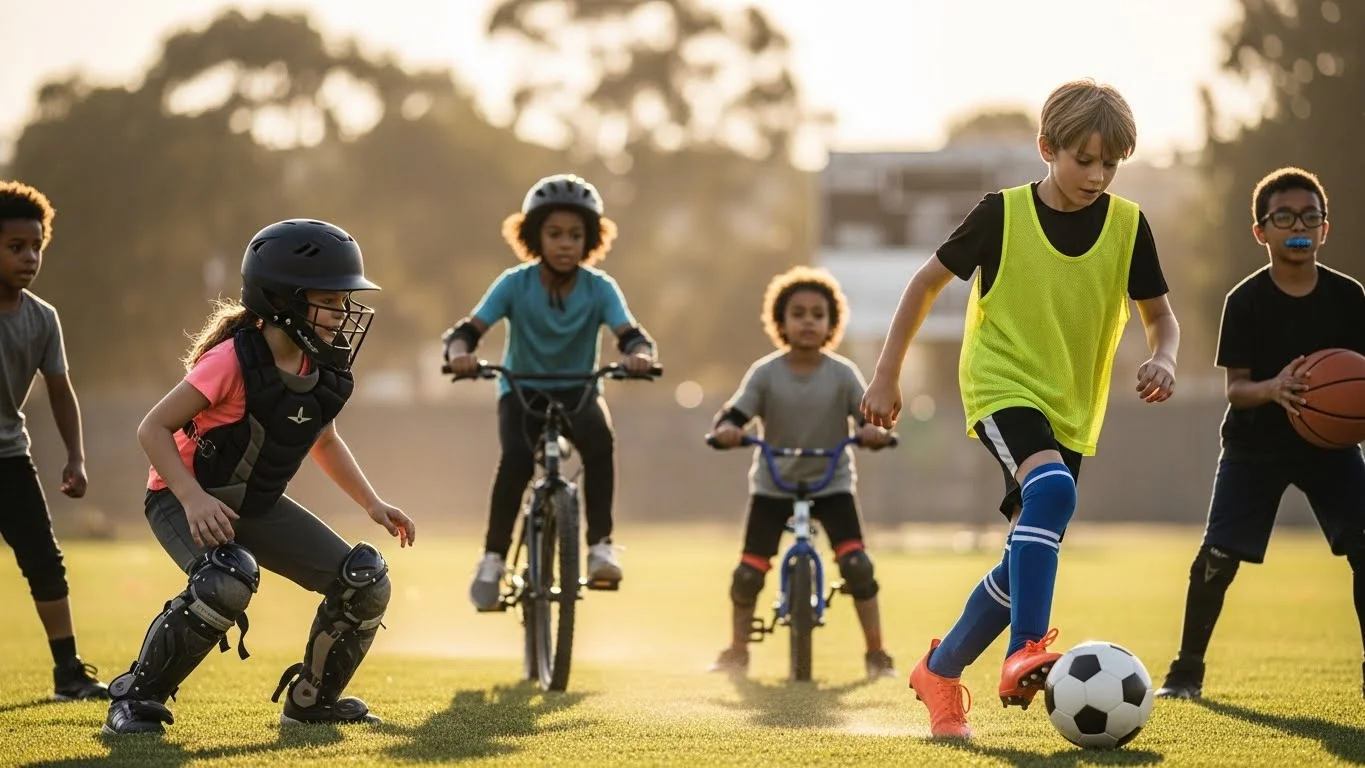
Understanding the Importance of Safety Gear for Young Athletes
Why Safety Gear is Essential
When my kids first started participating in sports, I quickly learned that safety gear is non-negotiable. I remember watching them run around, filled with excitement and energy, but I also felt that little voice in my head reminding me of the risks involved. From my experience, safety gear isn’t just about compliance; it’s about protecting our most precious assets—our children. With the right equipment, we can minimize the risk of injuries that could sideline them during their favorite activities.
Common Injuries in Young Athletes
As kids push their limits in sports, they often face injuries that can range from minor to serious. I’ve seen sprains, strains, fractures, and even concussions. According to research, young athletes are particularly vulnerable to certain injuries, especially in high-contact sports. For example, in football, concussions can be a serious concern. I remember a time when my son had a mild concussion playing football, and it was a wake-up call for our family about the importance of proper safety gear. Understanding these common injuries can help us choose the right equipment to protect our young athletes.
Parental Concerns and Responsibilities
As parents, we often worry about our children’s safety. I constantly find myself navigating through a sea of information about what gear is necessary, what brands to trust, and how to ensure the fit is just right. It can feel overwhelming at times, but I’ve realized that we play a crucial role in educating ourselves and our kids about safety gear. I recommend starting conversations with coaches and other parents to gather insights and recommendations. It’s also essential to set a good example by prioritizing safety in sports, which can foster a culture of awareness and responsibility among young athletes.
Types of Sports and Corresponding Safety Gear
Football
Helmets
In football, helmets are perhaps the most crucial piece of equipment. They protect the head from impacts that could lead to concussions. When we chose a helmet for my son, we made sure it met safety standards and fit him snugly. I noticed that a well-fitted helmet can actually make a young player feel more secure on the field.
Shoulder Pads
Shoulder pads are another essential component. They protect the shoulders and chest from tackles and impacts. I remember shopping for pads with my son, and we quickly learned that lighter pads offered better mobility without sacrificing protection. It was interesting to see how much he appreciated the difference in comfort when playing.
Cleats
Football cleats provide necessary traction on the field, which can prevent slips and falls. I believe investing in a good pair of cleats is essential. My son loves his cleats, and I can see how they boost his confidence while playing, knowing he has solid footing.
Soccer
Shin Guards
In soccer, shin guards are vital for protecting against kicks and falls. I still remember the first time my daughter played, and I insisted she wear her shin guards. She was hesitant at first, but once she got used to them, she felt much safer on the field. It’s amazing what a little protection can do for a child’s confidence.
Cleats
Like in football, cleats in soccer are crucial for maintaining balance and speed. I found that choosing the right cleats could significantly enhance my daughter’s performance. We often visited stores to try different types, and she loved the feeling of the right pair when she ran on the pitch.
Basketball
High-Top Sneakers
In basketball, high-top sneakers are popular for providing ankle support. My son had a tendency to roll his ankles, so we opted for high-tops, which offered him the support he needed. He later told me he felt more stable and confident making those quick lateral movements.
Knee Pads
Knee pads are also a great addition for young basketball players. They protect against falls and scrapes. I remember my son coming home with scrapes on his knees and feeling bad for him. Once we got knee pads, he felt much better about diving for loose balls.
Baseball
Batting Helmets
When it comes to baseball, batting helmets are non-negotiable. They protect the head from stray pitches. I recall my daughter’s first time at bat; I was a bundle of nerves until I saw her put on that helmet. It gave me peace of mind knowing she was protected, allowing her to focus on the game.
Catcher’s Gear
Catcher’s gear, including masks and chest protectors, is equally important. I’ve seen how it can lessen the impact of foul balls, which can be quite severe. Investing in quality gear can mean the difference between a painful experience and playing through the game with confidence.
Hockey
Helmets
In hockey, helmets are crucial, but they’re just the beginning. I’ve learned that hockey players need a full set of protective gear to prevent injuries from puck impacts and collisions. Watching my kids gear up for hockey practice always reminds me of how important it is to have the right equipment.
Shoulder Pads
Shoulder pads protect against impacts and falls. My daughter plays as a forward, and I’ve seen how much she relies on her pads to feel secure on the ice. It’s incredible how a little extra protection can enhance their performance and enjoyment of the game.
Skates
Good skates also make a big difference. We took time to find the right fit, and I noticed how much better my kids skated once they had gear that complemented their skills. They even said they felt lighter on their feet!
Gymnastics
Grips
In gymnastics, grips are vital for protecting hands during routines. I remember my daughter using grips for the first time; it was a game-changer for her confidence on the bars. She felt more secure with her grip, which allowed her to focus on her routines instead of worrying about slipping.
Landing Mats
Landing mats are equally important. They cushion falls and provide safety during practice. I always felt more at ease watching my daughter practice her dismounts, knowing she had the right mats under her.
Rugby
Headgear
For rugby, headgear is essential for preventing head injuries. I was amazed at how different the game felt once my daughter wore it during practice. She felt more protected and was able to play with more intensity.
Shoulder Pads
Like in football, shoulder pads in rugby help absorb impacts. It’s fascinating how the right gear can enhance performance and reduce injury risk, allowing young athletes to play the sport they love without fear.
Key Features to Look for in Safety Gear
Material Quality
When shopping for safety gear, I’ve learned that the material quality is paramount. It’s not just about how the gear looks, but how it performs under stress. For example, I remember looking at different helmets for my son and being impressed by the padding materials. High-quality foam and impact-resistant plastics are essential for effective protection. I often ask myself if the gear will hold up during a tough game or practice, and I recommend doing a little research on the materials used in the gear before making a purchase. It’s comforting to know that the investment we make is in high-quality safety gear that can withstand the rigors of play. Read Interesting article: Top Safety Gear Every Young Athlete Needs for Protection
Fit and Comfort
Fit is another critical factor that I can’t stress enough. I’ve noticed that even the best gear won’t do its job if it doesn’t fit properly. For example, when my daughter was trying on shin guards, we took the time to ensure they weren’t too loose or too tight. A snug fit is essential for comfort and protection while allowing freedom of movement. One time, she chose a pair that looked great but didn’t fit well, and it became clear during practice that they weren’t going to work. I highly recommend that parents involve their kids in the fitting process, allowing them to express how the gear feels. When they’re comfortable, they can focus on their game rather than adjusting equipment or worrying about discomfort.
Certification and Standards
Another aspect I always look for is certification and safety standards. I remember the first time I saw a label indicating that a product met specific safety standards; it gave me peace of mind. For instance, helmets should comply with the safety standards set by organizations like the National Operating Committee on Standards for Athletic Equipment (NOCSAE). It’s an additional layer of assurance that the gear is effective. I also encourage other parents to ask questions at sports shops or do some online research about which certifications are required for the sports their kids participate in.
Weight and Mobility
Lastly, weight and mobility are crucial considerations. As parents, we want our kids to excel in their sports, and heavy gear can hinder performance. I’ve seen my son struggle with bulky shoulder pads that restricted his movement. Once we switched to lighter options, he noticed an immediate difference in his agility on the field. I believe that safety gear should provide protection without sacrificing the athlete’s ability to perform. Finding the right balance between safety and mobility is key, so I always encourage other parents to have their kids test gear out before making a final decision.
Top Brands for Youth Sports Safety Gear
Riddell (Football)
Riddell is a brand I’ve come to trust for football gear. They are known for their innovative helmet designs that prioritize safety while maintaining comfort. When my son first got his Riddell helmet, I was impressed by how lightweight it felt, yet it had the robust protection we needed. I’ve also noticed that many local teams endorse Riddell, which speaks to its reputation in the community.
Adidas (Soccer)
For soccer, Adidas has consistently delivered high-quality gear. Their shin guards are not only protective but also designed for maximum comfort. I remember my daughter’s first pair of Adidas shin guards; they fit perfectly and allowed her to move freely. I appreciate that Adidas often collaborates with professional players to ensure their gear meets the needs of athletes at all levels.
Nike (Basketball)
Nike is a go-to for basketball shoes and gear. My son swears by his Nike high-tops for both style and support. The cushioning in their shoes has made a noticeable difference in how he plays. I’ve seen many young athletes gravitate toward Nike gear because it blends performance with a cool aesthetic, making them feel confident on the court.
Rawlings (Baseball)
Rawlings is synonymous with baseball safety gear. Their batting helmets are some of the best on the market, and I remember how relieved I felt when my daughter wore one for the first time. The added protection allowed her to focus on hitting rather than worrying about stray pitches. Rawlings also offers a range of catcher’s gear that I’ve found to be reliable and durable.
Bauer (Hockey)
Bauer is the brand I trust for hockey gear. Their equipment is designed specifically for the dynamics of the sport. I can still picture my kids gearing up in Bauer pads and helmets, knowing they’d be protected during practice. The fit and function of Bauer gear have always impressed me, ensuring that young athletes can perform at their best.
Gibson (Gymnastics)
For gymnastics, Gibson has been a top choice for grips and mats. I remember the first time my daughter used Gibson grips; she felt an instant boost in her performance on the bars. Their landing mats are also well-made, providing the cushioning necessary for safe landings. I believe that investing in quality gear like Gibson can truly enhance a young gymnast’s training experience.
How to Properly Use and Maintain Safety Gear
Fitting Safety Gear Correctly
Getting the right fit for safety gear is something I’ve learned is crucial. I remember the day we went to buy my son his first football helmet. We thought we had a winner right away, but once we tried it on him, it was clear that it wasn’t snug enough. We had to make sure it fit comfortably without being too tight or too loose. This not only ensures the gear is effective, but it also helps our kids feel secure while playing. I recommend that parents involve their kids in the fitting process. Let them wear the gear for a few minutes to see how it feels during movement. It’s amazing how much a properly fitted piece of equipment can boost a child’s confidence on the field or court.
Regular Inspections
Regularly inspecting safety gear has become a part of our routine. I’ve found that checking gear for any signs of wear and tear is essential. During one of our inspections, I noticed that my daughter’s shin guards were starting to crack. It was a simple fix to replace them, but had we not checked, she might have faced a risk of injury. I recommend setting a schedule to inspect equipment, maybe once a month or before the start of a new season. This way, we can catch any issues early and ensure that everything is still providing the protection it’s meant to offer.
Cleaning and Storage Tips
Keeping safety gear clean and properly stored is another important aspect that I’ve learned over the years. After every game or practice, I encourage my kids to wipe down their gear, especially the parts that come into contact with sweat or dirt. For example, we always make sure to clean the inside of helmets and the straps on pads to prevent any buildup of bacteria. I’ve found that simple soap and water do wonders for cleaning. When it comes to storage, we designated a specific area for all their gear to keep it organized and easily accessible. A breathable bag helps keep everything dry and fresh, which is important for longevity. I recommend having a storage solution that separates gear by sport, so there’s no confusion during busy game days.
Education and Training for Young Athletes
Importance of Safety Education
Educating our young athletes about safety gear is something I believe can’t be overlooked. I remember when my son first learned about the purpose of each piece of his football equipment during a team meeting. It was enlightening for him, and I noticed he started taking better care of his gear afterward. I think it’s essential for kids to understand how safety gear works and why it’s necessary. This knowledge empowers them to take responsibility for their own safety and the safety of their teammates. I suggest that parents and coaches work together to create age-appropriate discussions about safety, perhaps integrating it into practice sessions. Read Interesting article: Understanding Childhood Sports Injuries: Prevention and Care
Training Programs on Injury Prevention
Injury prevention programs can be incredibly beneficial for young athletes. I’ve seen firsthand how participating in such programs can teach kids proper techniques and safe practices. For instance, my daughter took part in a training session focused on falling safely during gymnastics. It was eye-opening to see how much she learned about body awareness and injury risk reduction. I believe it’s worth looking into local clinics or workshops that focus on injury prevention. These programs provide kids with valuable skills that can translate into safer playing experiences.
Role of Coaches and Trainers
Coaches and trainers play a pivotal role in emphasizing the importance of safety gear. I remember a time when my son’s football coach made a point to check all players’ equipment before practices and games. It instilled a sense of discipline among the team. Coaches can help educate young athletes on how to wear gear correctly, the significance of maintaining it, and recognizing when to replace it. I think it’s essential for coaches to create an environment where safety is prioritized. This not only helps in injury prevention but also promotes a culture of responsibility among the athletes. I encourage parents to communicate with coaches to ensure that these safety measures are being implemented consistently.
Legal and Regulatory Aspects of Youth Sports Safety
Understanding Safety Regulations
As parents, understanding safety regulations in youth sports can feel daunting. I remember feeling overwhelmed by the varying rules across different sports. However, it’s crucial to familiarize ourselves with the safety guidelines set by organizations governing youth sports. For example, many leagues have specific requirements for safety gear, like helmet certifications. This knowledge can help us ensure that our children are not only participating in a safe environment but also meeting the necessary standards. I recommend checking with local sports associations or even schools for their specific regulations; it’s worth the effort to keep our kids safe.
Liability and Responsibility
Liability issues are another aspect that we, as parents, need to be aware of. I found it essential to understand what responsibilities fall on parents, coaches, and organizations regarding safety. For instance, if a child gets injured due to faulty equipment, knowing who is liable can help us navigate the situation better. I think it’s important for parents to have open conversations with coaches and organizations about their safety policies. This transparency can foster trust and a better understanding of what to expect in terms of safety measures.
Insurance Considerations
Lastly, insurance considerations are vital in the realm of youth sports safety. I’ve realized that understanding what insurance coverage is available can provide peace of mind. Some sports organizations offer insurance, while others might require personal coverage. I recommend looking into what options are available, especially if your child is involved in high-contact sports. Knowing that we have the right coverage can make all the difference in handling unexpected situations. I’ve learned that asking questions early on can help clarify any confusion regarding insurance policies and responsibilities.
Resources for Parents and Coaches
Organizations Focused on Youth Sports Safety
There are numerous organizations dedicated to promoting safety in youth sports. I’ve found resources like the National Athletic Trainers’ Association (NATA) and the American Academy of Pediatrics (AAP) invaluable. They provide guidelines and research on injury prevention, safety gear, and training. I think that staying informed through these organizations can empower us as parents and coaches to advocate for our young athletes. It’s comforting to know that there are experts out there working to improve safety standards.
Websites and Blogs for Further Information
In my quest for knowledge, I’ve stumbled upon several websites and blogs that focus on youth sports safety. Resources like SafeKids.org and the CDC’s injury prevention pages offer a wealth of information on various topics related to child safety in sports. I often recommend these sites to fellow parents looking for reliable information. They can also provide tips on choosing the right safety gear, understanding injuries, and promoting a safe playing environment.
Support Groups and Community Resources
Finally, support groups and community resources can be a fantastic way to connect with other parents and share experiences. I’ve participated in local sports parent meetings where safety and gear discussions took center stage. These gatherings often foster a sense of community and allow us to share tips and recommendations. I encourage other parents to seek out similar resources in their area or even start their own group. We can learn so much from each other, and it’s a great way to ensure our kids are safe while enjoying the sports they love.
Frequently Asked Questions
Why is safety gear essential for young athletes?
Safety gear is essential because it protects children during sports activities, minimizing the risk of injuries that could sideline them. It is about protecting our most precious assets—our children—rather than just compliance.
What common injuries do young athletes face?
Young athletes often face injuries ranging from minor to serious, including sprains, strains, fractures, and concussions. High-contact sports like football pose particular risks, especially for concussions.
What types of safety gear are recommended for football?
Recommended safety gear for football includes helmets, shoulder pads, and cleats. Helmets protect the head from impacts, shoulder pads protect against tackles, and cleats provide traction on the field.
What safety gear is important for soccer players?
In soccer, shin guards and cleats are vital. Shin guards protect against kicks and falls, while cleats help maintain balance and speed during play.
How can parents ensure the proper fit of safety gear?
Parents can ensure the proper fit by involving their kids in the fitting process, allowing them to express how the gear feels. It’s important that the gear fits snugly but comfortably to maximize protection and freedom of movement.
What should parents look for in the quality of safety gear?
Parents should look for high-quality materials, proper fit and comfort, certification and safety standards, as well as weight and mobility of the gear. These factors ensure the gear performs well under stress and allows for athletic performance without hindrance.
What are some top brands for youth sports safety gear?
Top brands for youth sports safety gear include Riddell for football, Adidas for soccer, Nike for basketball, Rawlings for baseball, Bauer for hockey, and Gibson for gymnastics. Each brand offers specialized equipment designed for safety and performance.
How should safety gear be maintained?
Safety gear should be regularly inspected for wear and tear, cleaned after use, and stored properly in a designated area. Regular maintenance helps ensure the gear continues to provide effective protection.
What role do coaches play in promoting safety gear usage?
Coaches play a pivotal role by emphasizing the importance of safety gear, checking players’ equipment, and educating young athletes on proper usage and maintenance. They help create a culture of safety and responsibility in sports.
What resources are available for parents regarding youth sports safety?
Parents can access resources from organizations like the National Athletic Trainers’ Association (NATA) and the American Academy of Pediatrics (AAP), as well as websites like SafeKids.org and community support groups that focus on youth sports safety.