
As parents, we often find ourselves in situations where quick thinking and a little knowledge can make all the difference. Knowing first aid tips for kids can help us respond effectively to common injuries and emergencies. Read Interesting article: Essential First Aid Tips for Newborns Every Parent Should Know
Understanding Common Childhood Injuries
When it comes to our little ones, they seem to have a knack for finding trouble, whether it’s climbing trees, running around, or simply playing with friends. I remember a day when my son came running in with a scraped knee after an adventurous bike ride, and it hit me just how important it is to understand common childhood injuries. Here, I’ll share some insights into these injuries so we can be prepared when mishaps occur.
Scrapes and Cuts
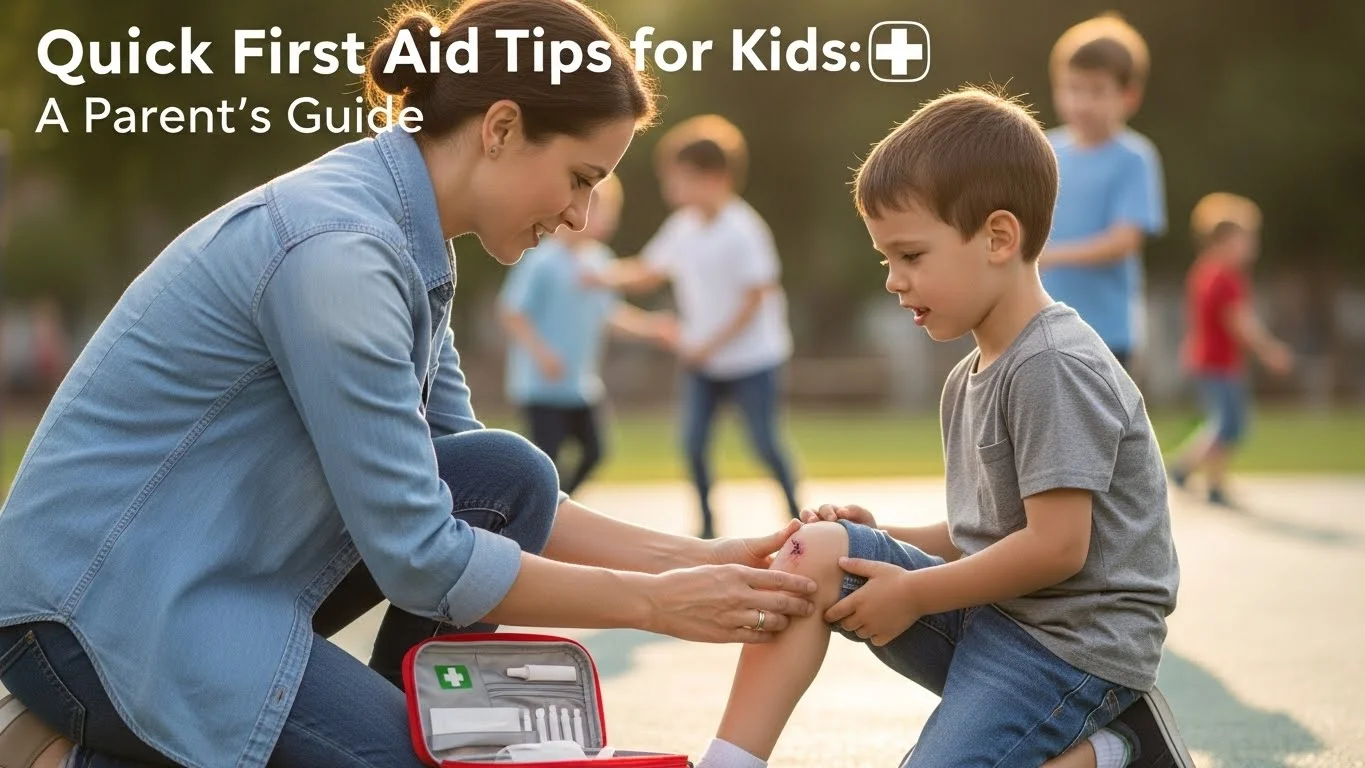
Scrapes and cuts are among the most frequent injuries kids experience. Just the other day, my daughter tripped while playing tag and landed on her hands. I quickly grabbed our first aid kit to help her out. The first step is always to stay calm and reassure your child. Gently clean the area with soap and water to remove any dirt. I usually keep a bottle of saline solution handy for this purpose. After cleaning, applying an antibiotic ointment can help prevent infection. Finally, cover the wound with a bandage to keep it protected. It’s amazing how just a little care can make them feel better and more secure.
Burns
Burns can happen so easily—whether from hot surfaces, boiling water, or even the sun. I learned this the hard way when I accidentally touched a hot pan while cooking. For minor burns, I’ve found that running cool water over the area for about 10 to 15 minutes works wonders. Avoid applying ice directly, as it can cause more damage. After cooling the burn, I apply a burn ointment or aloe vera gel, which soothes the skin. It’s crucial to keep an eye on the burn for signs of infection, like increased redness or swelling.
Insect Bites and Stings
Insects can be a huge nuisance, especially in the warmer months. I remember a picnic where my son got stung by a bee. It was a panic moment, but I quickly remembered what to do. First, I made sure to remove the stinger if it was still in the skin. Then, I applied a cold compress to reduce swelling and alleviate pain. For mild allergic reactions, giving an antihistamine can help, but if I notice any severe reactions—like difficulty breathing or swelling of the face—I would seek medical help immediately. It’s always better to be safe and keep an eye on how they’re responding after a sting.
Sprains and Strains
Kids are always on the go, which can lead to sprains and strains. I recall my daughter coming home from a soccer game with a sore ankle. The first thing I did was to have her rest and avoid putting weight on it. I applied ice wrapped in a cloth to reduce swelling for 20 minutes at a time. Elevating the foot is also beneficial. In cases of mild sprains, over-the-counter pain relief can help manage discomfort. However, if there’s severe pain or swelling that doesn’t improve, it’s wise to consult a doctor. I learned to keep an eye on how she was moving, as we wanted to ensure it wasn’t something more serious.
Choking Hazards
Choking is one of those frightening scenarios that every parent dreads. I remember my heart racing when I saw my youngest struggling with a piece of food during dinner. Luckily, I had taken a first aid course, so I knew what to do. For infants, laying them face down on my forearm and giving a firm pat on the back can help. For older kids, I use the Heimlich maneuver. It’s important to be calm and act quickly, as every second counts. Afterward, I always check if they’re okay and reassure them that it’s a common incident, so they don’t feel scared about eating again.
Understanding these common injuries has helped me become more confident in handling emergencies. As we navigate parenthood, gaining this knowledge provides peace of mind. With the right tips and a little preparation, we can tackle these situations head-on and ensure our kids feel safe and cared for.
Essential First Aid Supplies for Parents
As I dove deeper into becoming a knowledgeable parent regarding first aid, I quickly realized that having the right supplies on hand is crucial. It’s like being part of a safety net for my kids. I started thinking about what I needed in our first aid kit to ensure I was prepared for any mishap that might occur. Here’s what I’ve learned about essential first aid supplies.
First Aid Kit Basics
A well-stocked first aid kit can be a lifesaver—or at least a comforter during minor emergencies. I remember putting together our first aid kit, and it felt a bit like creating a safety toolbox. Here are the basics that I found essential:
- Adhesive bandages: These come in various sizes and are perfect for covering scrapes and cuts.
- Gauze pads and adhesive tape: For larger wounds, these are a must-have to keep the area clean.
- Antiseptic wipes or solution: I use these to clean wounds, as they help prevent infections.
- Antibiotic ointment: This is great for applying on cuts after cleaning them.
- Elastic bandages: These can provide support for sprains and strains.
- Scissors and tweezers: Handy for cutting tape or gauze and for removing splinters.
- Instant cold packs: These can be lifesavers for reducing swelling from injuries.
By having these basics, I often feel more at ease when my kids engage in their adventurous play. A simple glance at my first aid kit reminds me that I’m prepared for whatever comes our way.
Medication for Common Ailments
Aside from wound care, I’ve learned that it’s good to have some over-the-counter medications on hand. Kids can catch colds or develop fevers, and it’s important to be ready. I keep the following in our kit:
- Pain relievers: Acetaminophen or ibuprofen can be helpful for aches or fever.
- Antihistamines: These are great for allergic reactions or insect bites.
- Digestive aids: I found that having some anti-nausea medication or antacids can help during trips.
Having these medications means I can respond quickly if one of the kids is feeling under the weather. I always make sure to follow dosage guidelines, though, especially since little bodies can react differently.
How to Stock Your Home Kit
Stocking up on first aid supplies doesn’t have to be overwhelming. I started by making a checklist of the basics and then added items gradually. I like to check our home kit every few months to see what needs replenishing. Here are some tips I’ve found useful:
- Buy in bulk: Purchasing bandages, ointments, and medications in bulk can save money for future refills.
- Consider your family’s needs: If you have kids with specific allergies or conditions, be sure to include items that address those issues.
- Keep it organized: A clear container or designated drawer helps me find what I need quickly.
Regularly updating our kit has become a part of our routine, and it feels good to know that I’m prepared for anything!
Portable Kits for Travel
Traveling with kids can be an adventure, but it also comes with its own set of challenges. I learned that having a portable first aid kit is a must. Whether we’re heading to the park or going on a family road trip, I pack a smaller kit with essentials. Here’s what I typically include:
- Mini first aid supplies: Smaller adhesive bandages and gauze pads take up less space.
- Travel-size medications: I opt for travel-size bottles of pain relievers and antihistamines.
- Hand sanitizer: Keeping hands clean is key, especially when we’re on the go.
Having this portable kit means that I can quickly respond to little emergencies without having to dig through a larger kit. Plus, it gives me peace of mind while we’re out and about. Read Interesting article: Travel Tips: Positive Parenting for a Happy Family Trip
Quick First Aid Tips for Common Injuries
How to Treat Scrapes and Cuts
Treating scrapes and cuts quickly can make a world of difference in how they heal. I’ve found that when my kids get a scrape, they often want to make a big deal out of it, and I can understand why; it’s scary for them! The first thing I do is assess the injury. If it’s just a minor scrape, I clean it with soap and water. I always remind my kids that it might sting a little, but it’s important. After cleaning, I apply a layer of antibiotic ointment to help prevent infection. I’ve noticed that letting them pick a fun bandage can make the whole process feel less daunting. Whether it’s a cartoon character or a sparkly one, it gives them something to smile about while I finish the dressing!
Steps for Managing Burns
Burns can be particularly painful, and I’ve learned to act quickly. For minor burns, my go-to method is to run cool water over the area for at least 10 minutes. I’ve seen that this really helps alleviate the pain and reduce swelling. I remember once my daughter accidentally burned her finger on a hot stove. I rushed her to the sink and had her hold her hand under the cool water while I grabbed some burn ointment. After cooling, I apply the ointment and then cover it with a sterile bandage to protect it. We talk about how it will heal, and I check in on her over the next few days to make sure it’s improving and not showing any signs of infection.
What to Do for Insect Bites and Stings
Insect bites and stings can sometimes escalate quickly, especially if a child has a reaction. When my son got stung by a wasp during a picnic, I knew I had to act fast. First, I removed the stinger if it was still in his skin. I then applied a cold compress to help with the swelling and pain. Antihistamines were also a part of my toolkit for mild allergic reactions, so I gave him some to help alleviate itching. I always watch for more serious reactions, such as difficulty breathing or swelling beyond the bite area. If those ever occur, I would not hesitate to seek medical help. I’ve learned that being prepared can ease my anxiety in these situations.
First Aid for Sprains and Strains
When my daughter sprained her ankle during a soccer game, I quickly remembered the R.I.C.E. method—Rest, Ice, Compression, and Elevation. I had her sit down right away and avoid putting any weight on it. After putting ice wrapped in a cloth on her ankle for about 20 minutes, I secured it with an elastic bandage to provide gentle compression. Elevation is key, so I propped her foot up on a pillow while we watched a movie together. I always emphasize the importance of listening to her body. If she feels pain while moving it, we know it’s time to slow down and let it heal.
How to Handle Choking Situations
Choking is one of those scenarios that sends chills down my spine. I remember being at a birthday party when I witnessed a child choke on a piece of candy. I jumped into action, recalling the steps I learned from a first aid class. For older kids, I perform the Heimlich maneuver by standing behind them, placing my arms around their waist, and making a fist above their navel. I give quick inward and upward thrusts until the object is dislodged. For infants, I would hold them face down on my forearm and give firm pats on the back. Afterward, I always check to ensure they’re alright, reassuring them that it’s okay to ask for help if they feel something is stuck in their throat.
Recognizing Signs of Serious Injury
When to Seek Medical Help
As a parent, knowing when to seek medical help has been one of the most vital lessons I’ve learned. Sometimes, injuries can seem minor but can develop into something more serious. I remember when my son fell and hit his head during a game, and he seemed okay at first. However, after a while, I noticed he was unusually drowsy and had a headache. That’s when I decided it was time to get him evaluated. I learned that if there’s a significant change in a child’s behavior, persistent pain, or if they can’t move a limb, it’s always better to err on the side of caution and consult a healthcare professional.
Signs of Allergic Reactions
Allergies can be tricky, especially when they manifest suddenly. I’ve noticed that some of my kids react differently to things like certain foods or insect stings. Signs that something might be wrong include hives, swelling, or difficulty breathing. If I notice any of these symptoms, I act fast. I keep an epinephrine auto-injector handy for severe allergic reactions, just in case. I remind my kids that it’s okay to speak up if they’re feeling funny after trying something new, and I encourage open communication, so they feel comfortable sharing their concerns.
Identifying Concussions
Concussions are another serious issue that we’ve had to be aware of as our kids become more active in sports. I remember a time when my daughter took a hard fall during a soccer match. She seemed dazed, and I immediately looked for signs of a concussion, like confusion or difficulty concentrating. I also checked for symptoms like headaches, nausea, or sensitivity to light. If I suspect a concussion, I make sure to have her evaluated by a medical professional before allowing her to return to play. I believe it’s crucial to prioritize their safety and recovery, even if it means sitting out for a while.
First Aid Techniques Every Parent Should Know
CPR for Children
Learning CPR has been one of the most empowering experiences for me as a parent. There’s a sense of relief in knowing that I can potentially save my child’s life. When I took a CPR class, I was surprised by how straightforward the technique is. For children, the steps differ slightly from adults, especially for young ones. If a child is unresponsive and not breathing, I know I need to call for help immediately, then start with chest compressions. I learned to place two fingers in the center of the chest and push down at a rate of about 100 to 120 compressions per minute. It’s crucial to allow the chest to rise fully between compressions. For me, the class was a game-changer, providing both knowledge and confidence in case of an emergency.
Using the Heimlich Maneuver
The Heimlich maneuver is another essential skill that I’ve practiced, especially after witnessing a choking incident. It’s important to know the proper techniques to help a child in distress. For older kids, I learned to stand behind them, wrap my arms around their waist, make a fist above their navel, and thrust inward and upward until the object is dislodged. For infants, I learned to hold them face down on my forearm and give firm pats on the back. I remember feeling nervous the first time I practiced it with a dummy in class, but I felt reassured knowing that these skills could make a significant difference. I always tell my friends that practicing these techniques can save lives.
How to Clean and Dress a Wound
Cleaning and dressing a wound correctly is so important in preventing infections. I’ve learned to do this methodically. When my kids get a cut, I first make sure to wash my hands to avoid introducing any germs. I clean the wound with soap and water, and if necessary, I might use an antiseptic wipe for extra precaution. After cleaning, I apply a thin layer of antibiotic ointment. I find that allowing my child to help pick out a bandage makes them feel involved and less anxious about the process. I remember one time when my daughter chose a bright pink bandage with glitter—suddenly, her mood lifted! Covering the wound protects it while it heals, and I check regularly to ensure it’s not showing signs of infection.
Preventive Measures to Keep Kids Safe
Childproofing Your Home
Childproofing has been one of the best investments of time I’ve made. I recall the days when my kiddos were little, and I felt like I was in a constant state of vigilance. I started by securing heavy furniture to the wall and covering sharp edges with corner guards. I also made sure that hazardous items, like cleaning supplies and medications, were out of reach. It’s amazing how much peace of mind I gained by simply taking a few precautions. I even involved my kids in the process, explaining why we needed to move things around. They seemed to enjoy the mini-adventure of making our home safer!
Teaching Kids About Safety
Teaching my kids about safety has been an ongoing journey. I believe it’s crucial for them to understand what to do in case of an emergency. I remember having conversations about fire safety, what to do in case of an earthquake, and how to recognize when someone needs help. I would often role-play different scenarios with them, making it fun while educational. My kids often surprise me with how much they remember. For instance, when we talked about what to do if they see someone choking, they were eager to show me the Heimlich maneuver on a stuffed animal!
Supervision and Awareness
While it’s impossible to prevent every accident, I’ve learned that being aware and supervising my kids can help minimize risks. I always try to keep an eye on them, especially when they’re playing in unfamiliar environments. I also remind them about the importance of being careful and listening to their bodies. I noticed that when they’re tired or overly excited, that’s when accidents are more likely to happen. So, we’ve developed a routine where we take breaks during playtime. It’s not just about safety; it’s also about helping them learn to recognize their limits.
Resources and Support for Parents
Emergency Contact Numbers
Having emergency contact numbers easily accessible has been a lifesaver for me. I made a habit of keeping a list on the refrigerator and saved important numbers in my phone. This way, I can quickly reach a doctor, poison control, or an emergency service if needed. I even involved my kids in the process, teaching them where to find the numbers and how to dial them in case of an emergency. It’s reassuring to know they’re aware of whom to contact if they ever need help.
First Aid Apps and Online Resources
Technology has been a great ally in my parenting journey, especially with first aid resources. I’ve downloaded a couple of first aid apps that provide step-by-step guides for various emergencies. When my kids were younger, I would often use these apps to refresh my memory before playdates or outings. They often have quick tips and videos that make learning engaging. I encourage fellow parents to explore these resources; they can be incredibly helpful in a pinch.
Local First Aid Classes for Parents
I cannot stress enough how valuable local first aid classes have been for me. I found a community center that offers classes, and it was a game-changer. Not only did I gain practical skills, but I also met other parents who shared similar concerns. We bonded over our experiences, and it felt great to have a support system. I always recommend looking for classes in your area—it’s worth the time and effort! Read Interesting article: Essential First Aid Techniques Every Parent Should Know
Final Thoughts
Being a parent is a constant learning experience, especially when it comes to keeping our kids safe. Through my journey of learning first aid, I’ve discovered that preparation and knowledge can make a significant difference in handling emergencies. It’s not just about knowing what to do; it’s about creating an environment where our kids feel secure and empowered. I encourage all parents to arm themselves with these skills and knowledge. Together, we can confidently face any challenge that comes our way, ensuring our children grow up happy and healthy.
Frequently Asked Questions
What are common childhood injuries that parents should be aware of?
Common childhood injuries include scrapes and cuts, burns, insect bites and stings, sprains and strains, and choking hazards. Understanding these injuries can help parents respond effectively in emergencies.
How should I treat scrapes and cuts on my child?
To treat scrapes and cuts, stay calm and reassure your child. Clean the area with soap and water or saline solution, apply antibiotic ointment to prevent infection, and cover the wound with a bandage.
What is the best way to treat minor burns?
For minor burns, run cool water over the area for 10 to 15 minutes. Avoid applying ice directly. After cooling, apply burn ointment or aloe vera gel and monitor for signs of infection.
What steps should I take for insect bites and stings?
Remove the stinger if present, apply a cold compress to reduce swelling, and give an antihistamine for mild allergic reactions. Seek medical help for severe reactions, such as difficulty breathing or facial swelling.
How can I manage sprains and strains in kids?
Use the R.I.C.E. method: Rest, Ice, Compression, and Elevation. Have the child rest the injured area, apply ice wrapped in a cloth for 20 minutes, compress with an elastic bandage, and elevate the foot if applicable.
What should I do if my child is choking?
For older kids, perform the Heimlich maneuver by standing behind them and giving inward and upward thrusts. For infants, hold them face down on your forearm and give firm pats on the back.
What essential items should be in a first aid kit for parents?
A well-stocked first aid kit should include adhesive bandages, gauze pads, antiseptic wipes, antibiotic ointment, elastic bandages, scissors, tweezers, and instant cold packs.
What medications should I keep in a first aid kit for common ailments?
It’s helpful to have pain relievers like acetaminophen or ibuprofen, antihistamines for allergic reactions, and digestive aids such as anti-nausea medication or antacids in your first aid kit.
How often should I check and restock my first aid kit?
Check your first aid kit every few months to see what needs replenishing. It’s a good idea to make a checklist of essential items and restock as needed.
Why is it important for parents to learn first aid?
Learning first aid provides parents with the knowledge and confidence to handle emergencies effectively, ensuring their children feel safe and cared for during mishaps.