
As parents, we often find ourselves navigating the wild world of childhood injuries. Whether it’s a scraped knee from a fall or a bump on the head, knowing how to treat these common injuries can make a world of difference. One resource I recommend for understanding these situations better is First Aid Basics for Kids: Keep Your Family Safe on Adventures.
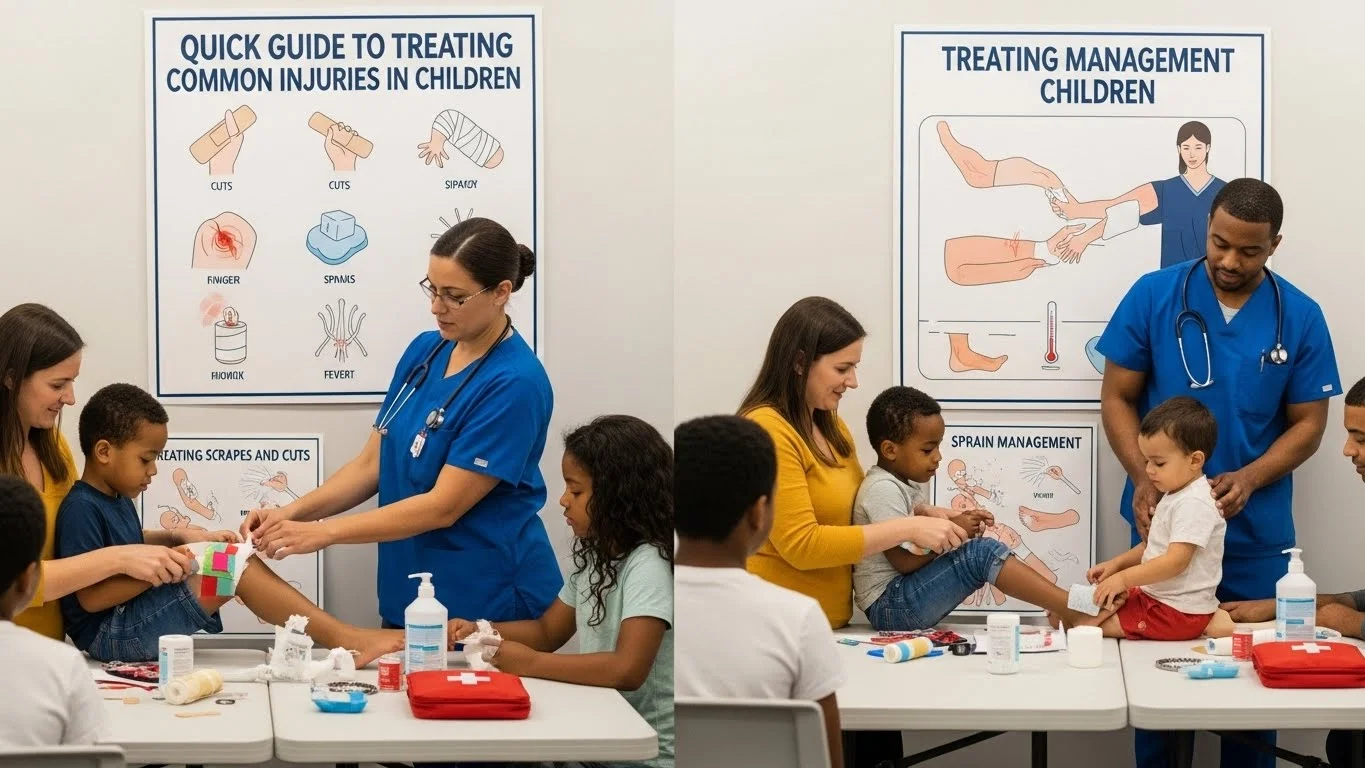
Understanding Common Childhood Injuries
Types of Injuries
I remember the first time my child came running to me with tears in their eyes, holding their arm. My heart sank as I realized that childhood injuries can come in many forms, and I needed to be prepared. Understanding the types of injuries that are common in children is crucial for every parent. Generally, these include:
- Scrapes and Cuts: These are among the most frequent injuries, often resulting from falls or rough play.
- Bruises: They happen when blood vessels under the skin break, usually from a bump or a fall.
- Sprains and Strains: These occur when a joint is twisted or pulled beyond its normal range, common in active kids.
- Fractures: More serious, fractures can occur from falls, collisions, or sports-related incidents.
- Burns: These can result from hot surfaces, flames, or even sun exposure.
- Head Injuries: These are particularly concerning, as they can vary from mild bumps to serious concussions.
- Insect Bites and Stings: Kids often play outdoors and may encounter insects, leading to bites and stings.
Common Causes of Injuries in Children
In my experience, understanding the root causes of these injuries has helped me prevent them. Most injuries occur due to a combination of factors, including:
- Active Play: Children are natural explorers. Their curiosity often leads to rough play and, unfortunately, accidents.
- Lack of Supervision: It’s easy to lose sight of a child during a busy playdate, and that’s often when injuries happen.
- Unsafe Environments: Playground equipment, stairs, and even our own homes can be hazardous without proper precautions.
- Sports Activities: While sports are a great way for kids to stay active, they can also lead to injuries, especially if safety gear isn’t used.
Recognizing these causes has helped me take proactive steps to create a safer play environment for my kids. For instance, we’ve made it a point to supervise playdates closely and ensure our home is as childproof as possible.
First Aid Basics for Parents
Essential First Aid Kit Items
After a few close calls, I realized that having a well-stocked first aid kit at home was essential. It’s something I recommend every parent should have. Here are the must-have items:
- Adhesive bandages in various sizes
- Gauze pads and adhesive tape
- Antiseptic wipes or solution
- Antibiotic ointment
- Hydrocortisone cream for itching
- Ice packs or instant cold packs
- Thermometer
- Scissors and tweezers
- Pain relievers (appropriate for the child’s age)
- Emergency contact numbers
I even added a small first aid kit to our car, so we’re prepared for any adventures that might lead to scrapes or bumps. Trust me, it’s saved us a lot of stress!
Basic First Aid Techniques
Knowing how to use the items in our first aid kit is just as important as having them. Here are some basic techniques that I’ve found useful:
- Cleaning Wounds: For scrapes and cuts, gently rinse the area with clean water and apply antiseptic before covering it with a bandage.
- Applying Ice: For bruises and strains, applying an ice pack can reduce swelling. Always wrap the ice in a cloth to protect the skin.
- Elevating Injuries: Elevating a sprained or strained limb can help reduce swelling, so I always encourage my kids to keep their feet up if they’re hurt.
- Monitoring for Changes: After treating an injury, keep an eye on it. If it appears to be getting worse, I recommend seeking professional help.
These techniques have really made me feel more confident in handling minor injuries. Plus, teaching my kids about basic first aid helps instill a sense of responsibility and care for their own health. For more detailed guidance, I recommend checking out Essential First Aid Techniques Every Parent Should Know.
Specific Injuries and Treatment
Scrapes and Cuts
Scrapes and cuts are often the most common injuries my kids experience. I remember a summer day when my youngest was zooming down the slide and, of course, ended up tumbling off. The scrape on her knee looked pretty nasty, but I knew exactly how to handle it. First, I gently rinsed the wound under clean water to remove any dirt. Then, I applied some antiseptic to prevent infection. Covering it with a bandage was the last step, and I made sure to choose a fun one with their favorite cartoon character. It’s amazing how a simple bandage can brighten their mood after an injury!
Bruises
Bruises are another frequent visitor in our household. They seem to pop up out of nowhere, and my kids can’t even remember how they got them. When I see a bruise, I generally apply an ice pack wrapped in a cloth for about 15-20 minutes. This not only helps reduce swelling but also numbs the area, providing some immediate relief. I’ve found that keeping an eye on the bruise over the next few days is crucial. If it starts to look worse or if they complain of intense pain, I know it might be time to consult a doctor.
Sprains and Strains
Active play often leads to sprains and strains, especially since my kids are always running, jumping, or climbing. When my son sprained his ankle during a soccer game, I quickly remembered to assess the situation. I followed the R.I.C.E. method: Rest, Ice, Compression, and Elevation. We rested his ankle, applied ice, wrapped it lightly with a bandage, and kept it elevated. I also encouraged him to take it easy for a while. It’s important to explain to kids that rest is part of the healing process. They often want to bounce back immediately, but patience is key!
Fractures
Fractures are the scariest injuries for me. When my daughter fell off her bike and cried out in pain, my heart raced. I suspected something might be wrong, so I didn’t want to move her too much. Instead, I called for help and waited for a parent who was a nurse to come over. It turned out she did indeed have a fracture. I learned that if you suspect a fracture, it’s best to immobilize the injured area and seek medical assistance right away. It’s always better to err on the side of caution when it comes to bones!
Burns
Burns are particularly concerning, especially with kids who are curious about everything. I once had an incident in the kitchen when my son accidentally touched a hot stove. I quickly ran cold water over his hand for about 10 minutes to cool the burn and soothe the pain. I learned to never apply ice directly to a burn, as it can cause more damage. After cooling it, I covered it with a clean, dry cloth and kept a close watch on it for signs of infection. I always remind my kids to be careful around hot surfaces, but sometimes accidents just happen.
Head Injuries
Head injuries are something that always makes me anxious. I recall one afternoon when my daughter fell and hit her head during a game of tag. I felt my stomach drop as I rushed over to assess her. I made sure she was alert and responsive. I remember the advice I received: if they seem dazed or confused, or if there’s persistent vomiting, it’s crucial to seek medical help immediately. I always keep a close watch on any head injury for at least 24 hours, as symptoms can sometimes develop later.
Insect Bites and Stings
With the warm weather, insect bites and stings become a common nuisance. I remember my son getting stung by a bee during a picnic, and I quickly realized how important it is to act fast. After removing the stinger, I applied a cold pack to reduce the swelling. For itchy bites, I usually apply hydrocortisone cream or give him an antihistamine if needed. I’ve learned to check for any signs of allergic reactions, especially since a few of his friends are allergic to bee stings. It’s critical to be prepared, especially during outdoor adventures!
When to Seek Professional Help
Signs of Serious Injuries
As a parent, it’s easy to feel overwhelmed when our kids get hurt, especially when they’re in pain or scared. I’ve had moments where I wasn’t sure if a trip to the doctor was necessary. Over time, I learned to look for specific signs that indicate when it’s time to seek professional help. For instance, if a child has severe pain that doesn’t improve with rest or over-the-counter pain relievers, it’s a red flag. Additionally, I always pay close attention if there are any signs of infection, such as redness, swelling, or discharge from a wound.
Another important factor is the child’s level of alertness. If they seem unusually drowsy, confused, or have trouble waking up after an injury, I know I need to act quickly. It can be hard to stay calm in these situations, but I remind myself that trusting my instincts is crucial. If something feels off, it’s always better to err on the side of caution and consult a healthcare professional.
Emergency Situations
In some cases, injuries can escalate quickly and require immediate attention. I remember one instance when my daughter fell at the park and couldn’t get up. It turned out she had twisted her ankle badly. In moments like these, I’ve learned that if a child shows signs of severe bleeding that doesn’t stop after applying pressure, or if they lose consciousness, it’s essential to call for emergency help right away. I also keep in mind any signs of difficulty breathing, especially after insect stings or allergic reactions.
Another situation that demands urgent attention is when a child’s injury involves a fracture, particularly if the bone is protruding through the skin. These injuries can be scary, but being prepared and knowing what constitutes an emergency has helped me handle the situation better. I always keep emergency contact numbers handy and familiarize myself with the nearest urgent care or emergency room. Being prepared gives me peace of mind during those unexpected moments.
Prevention Tips for Parents
Childproofing Your Home
Creating a safe environment for our children is something I take seriously. I remember when my firstborn started to crawl; I quickly realized that childproofing was no longer an option but a necessity. I began by assessing our home from a child’s perspective. I secured heavy furniture to the walls to prevent tipping, covered sharp edges, and made sure that all hazardous materials were out of reach. It’s surprising how many dangers lurk in our homes if we’re not vigilant.
One of my favorite strategies is using safety gates for stairs. They’ve been a lifesaver, preventing falls when my kids get too excited and forget to walk instead of run. I also invested in outlet covers and ensured that cords from blinds and electronics were safely tucked away. It may seem like a lot of work, but I find that a little effort in childproofing goes a long way in preventing injuries.
Safe Play Practices
Aside from childproofing, I believe that teaching our kids about safe play practices is equally important. I remember the day I explained to my kids the importance of wearing helmets while riding their bikes. It was a simple conversation, but it made a lasting impact. We also established house rules for outdoor play, such as no climbing on furniture or roughhousing indoors. Consistency in these rules has helped my kids understand boundaries and the importance of safety.
During sports activities, I encourage them to always wear protective gear. It’s amazing how much they’ve taken ownership of their safety. We’ve also made it a point to discuss the importance of looking out for each other while playing with friends. I often remind them that it’s okay to stop the game if someone gets hurt and that they should always come to me if they feel uncomfortable or unsafe.
Resources for Parents
Recommended Websites and Hotlines
In our journey as parents, I’ve found that having reliable resources at our fingertips is incredibly helpful. Websites like the American Academy of Pediatrics (AAP) offer a wealth of information on child safety, first aid, and injury prevention. I often refer to their guidelines for age-specific safety measures, which provide practical advice that I can easily implement at home.
Another valuable resource is the National Poison Control Center hotline. Having their number saved on my phone gives me peace of mind, especially since kids are naturally curious and can get into things they shouldn’t. I recommend every parent keep this number handy, as it can be a lifesaver during an emergency.
Books and Guides on Child Safety
Alongside online resources, I’ve also invested in books that focus on child safety and first aid. One of my favorites is “The Safe Kids Book” by Dr. Jennifer A. H. Smith. It’s packed with practical tips and advice on how to keep kids safe in various situations, from household hazards to outdoor adventures. I found it incredibly useful and have even implemented some of the strategies mentioned in the book into our routine.
There are also first aid guides specifically tailored for parents. I keep one in our first aid kit to refresh my memory when needed. Having these resources around not only helps us deal with injuries more effectively but also empowers us as parents to create a safer environment for our children. Additionally, I found some great tools for learning and exploration in the article Affordable STEM Learning Tools for Young Explorers.
Final Thoughts
Reflecting on my journey as a parent, I realize that there’s so much to learn when it comes to keeping our children safe from injuries. Each scrape, bruise, and bump has been a lesson, teaching me the importance of preparedness and knowledge. I think it’s vital for us as parents to stay informed and proactive. We can’t prevent every injury, but we can make a difference in how we respond and prepare for them.
It’s reassuring to know that by having a well-stocked first aid kit and understanding basic first aid techniques, I can be a source of comfort and support for my kids when accidents happen. I find that teaching them about safety and first aid not only empowers them but also fosters a sense of responsibility. It’s not just about avoiding injuries; it’s about equipping our children with the tools they need to handle mishaps with confidence.
As our children grow and explore the world, I remind myself that they will face challenges and risks. It’s part of their learning and growing process. I’ve learned to strike a balance between allowing them the freedom to explore and ensuring their safety. We’ve shared conversations about safe play practices, and I’ve seen how they internalize these lessons. It’s heartwarming to hear them remind each other to be careful or to wear their helmets because they understand the importance of safety.
Finally, I encourage fellow parents to seek out resources and support. Whether it’s attending first aid workshops, reading books on child safety, or connecting with other parents, we’re all in this together. Having a community to share experiences with not only lightens the load but also gives us fresh ideas on how to navigate this parenting journey. Let’s continue to learn, adapt, and support one another as we raise our little adventurers.
In the end, while we can’t eliminate the possibility of injuries, we can certainly create a safer environment and be prepared to handle whatever comes our way. I believe that with the right tools and knowledge, we can turn these incidents into teachable moments for both ourselves and our children.
Frequently Asked Questions
What are the common types of childhood injuries?
Common types of childhood injuries include scrapes and cuts, bruises, sprains and strains, fractures, burns, head injuries, and insect bites and stings.
What are the primary causes of injuries in children?
The primary causes of injuries in children include active play, lack of supervision, unsafe environments, and sports activities.
What essential items should be included in a first aid kit for children?
A well-stocked first aid kit for children should include adhesive bandages, gauze pads, antiseptic wipes, antibiotic ointment, hydrocortisone cream, ice packs, a thermometer, scissors, tweezers, pain relievers, and emergency contact numbers.
What basic first aid techniques should parents know?
Basic first aid techniques include cleaning wounds, applying ice to reduce swelling, elevating injuries, and monitoring for changes in the injury.
How should parents treat scrapes and cuts?
To treat scrapes and cuts, gently rinse the wound with clean water, apply antiseptic, and cover it with a bandage.
What should be done for bruises?
For bruises, apply an ice pack wrapped in a cloth for about 15-20 minutes to reduce swelling and monitor the bruise for any changes.
How should sprains and strains be treated?
Sprains and strains can be treated using the R.I.C.E. method: Rest, Ice, Compression, and Elevation.
When should parents seek professional help for a child’s injury?
Parents should seek professional help if the child has severe pain that doesn’t improve, shows signs of infection, or displays unusual levels of drowsiness or confusion after an injury.
What are some emergency situations that require immediate attention?
Emergency situations that require immediate attention include severe bleeding that doesn’t stop, loss of consciousness, difficulty breathing, or a fracture with a bone protruding through the skin.
How can parents childproof their homes to prevent injuries?
Parents can childproof their homes by securing heavy furniture, covering sharp edges, using safety gates for stairs, and ensuring hazardous materials are out of reach.