
Finding quick and nutritious snacks for school-aged children can be a challenge, especially when trying to stick to a budget. Let’s explore delicious ideas that are easy on the wallet and packed with the nutrients our kids need! Read Interesting article: 10 Budget-Friendly Healthy Snacks for School Kids
Understanding Nutritional Needs for School-Aged Children
Essential Nutrients for Growing Kids
As a parent, I’ve always been mindful of what goes into my children’s bodies. School-aged kids are in a crucial phase of growth and development, which means they need a variety of essential nutrients to support their active lifestyles. These include proteins, carbohydrates, healthy fats, vitamins, and minerals. For instance, proteins help build and repair tissues, while carbohydrates provide energy for those endless hours of play and learning.
When I first started focusing on their nutrition, I quickly learned that calcium is vital for strong bones and teeth, especially in growing children. It’s important for us to include dairy products or fortified alternatives in their diets. Iron is another key nutrient, supporting their immune system and cognitive functions. I’ve found that incorporating foods rich in iron, like beans and leafy greens, can make a big difference.
Importance of Healthy Snacking
I remember how my kids would come home from school, ravenous and ready to devour anything in sight. Healthy snacking plays a crucial role in preventing hunger and maintaining energy levels. Instead of reaching for sugary snacks or chips, I learned to keep a stash of wholesome options that help stabilize their blood sugar and keep them focused on their homework. Snacking in moderation can also keep them from overeating during meals.
Encouraging my children to choose healthy snacks has been a game-changer. We talk about how nutritious foods fuel their bodies, helping them run faster or think clearer. When they make these connections, I notice they’re more willing to try different foods, and that makes snack time a fun, educational experience.
Daily Caloric Requirements
Understanding how many calories my children need each day has been essential in planning their snacks. Generally, school-aged children require around 1,600 to 2,400 calories per day, depending on their age, gender, and activity level. I often refer to the USDA’s MyPlate guidelines, which emphasize a balanced intake of fruits, vegetables, grains, protein, and dairy.
What I’ve found particularly helpful is to ensure that snacks account for about 10-15% of their total daily calories. This way, I can create a snack plan that complements their meals rather than overwhelming their diet. I keep an eye on portion sizes too, as I’ve learned that even healthy snacks can lead to overeating if not managed properly. Through trial and error, I’ve figured out the right balance that suits my kids’ needs.
Budget-Friendly Snack Strategies
Planning Ahead: Meal Prep Tips
Planning ahead has saved me so much time and stress when it comes to snacks. I set aside some time each week to prepare healthy snacks that can be easily grabbed on busy mornings. For example, I often slice fruits and vegetables and store them in clear containers in the fridge. I’ve noticed that when kids can see the snacks, they’re more likely to choose them! Having pre-portioned servings of nuts or yogurt ready to go has also made a huge difference.
Additionally, I batch cook items like granola bars or energy bites. These are easy to prepare and can last all week. By doing this, I avoid the temptation of last-minute unhealthy choices and ensure my kids have nutritious options at their fingertips.
Buying in Bulk: Cost-Effective Approaches
One of the best budget-friendly strategies I’ve discovered is buying in bulk. I started shopping at wholesale clubs and noticed that purchasing large quantities of healthy staples like oats, nuts, and dried fruits saves money in the long run. When I make larger purchases, I can store them properly at home and use them creatively in different snacks, which cut down on waste and costs.
For example, I can make a big batch of trail mix or energy bites and store them in airtight containers. This not only saves money but also ensures that I have healthy snacks available for my kids whenever they need them. I also encourage my friends to join me on these bulk-buying trips; sharing the cost makes it even more affordable! Read Interesting article: Pack Healthy: Snacks for Kids on a Budget
Seasonal Produce for Savings
Another strategy I love is focusing on seasonal produce. I always check the local farmers’ market or grocery store for fruits and veggies that are in season. They’re usually fresher, tastier, and significantly cheaper. I’ve created a list of my kids’ favorite fruits and vegetables that we can buy in bulk when they’re in season. We freeze some of the extras for later use, ensuring that we always have nutritious options on hand.
For instance, buying strawberries in the summer and freezing them means we can enjoy smoothies or yogurt toppings in the colder months without paying a premium. It’s a fun way to teach my kids about seasonal eating and the local economy too!
Store Brands vs. Name Brands
When I shop, I’ve learned to be open-minded about store brands versus name brands. Often, store brands are just as good in quality as their more expensive counterparts. I’ve started comparing labels and ingredients more closely, and I’ve been pleasantly surprised by the options available. Sometimes, the only difference is the price!
By choosing store brands for basics like yogurt, nut butters, or whole-grain crackers, I’ve managed to reduce our grocery bill significantly. Plus, I can feel good knowing that I’m still providing my children with quality snacks without breaking the bank. This approach has made budgeting for snacks a lot less stressful.
Quick Nutritious Snack Ideas
Fruits and Vegetables
When I think about healthy snacks, fruits and vegetables are always at the top of my list. They are not only rich in vitamins and minerals, but they are also refreshing and satisfying. I’ve found that getting creative with how I serve them can make all the difference for my kids.
Apple Slices with Peanut Butter
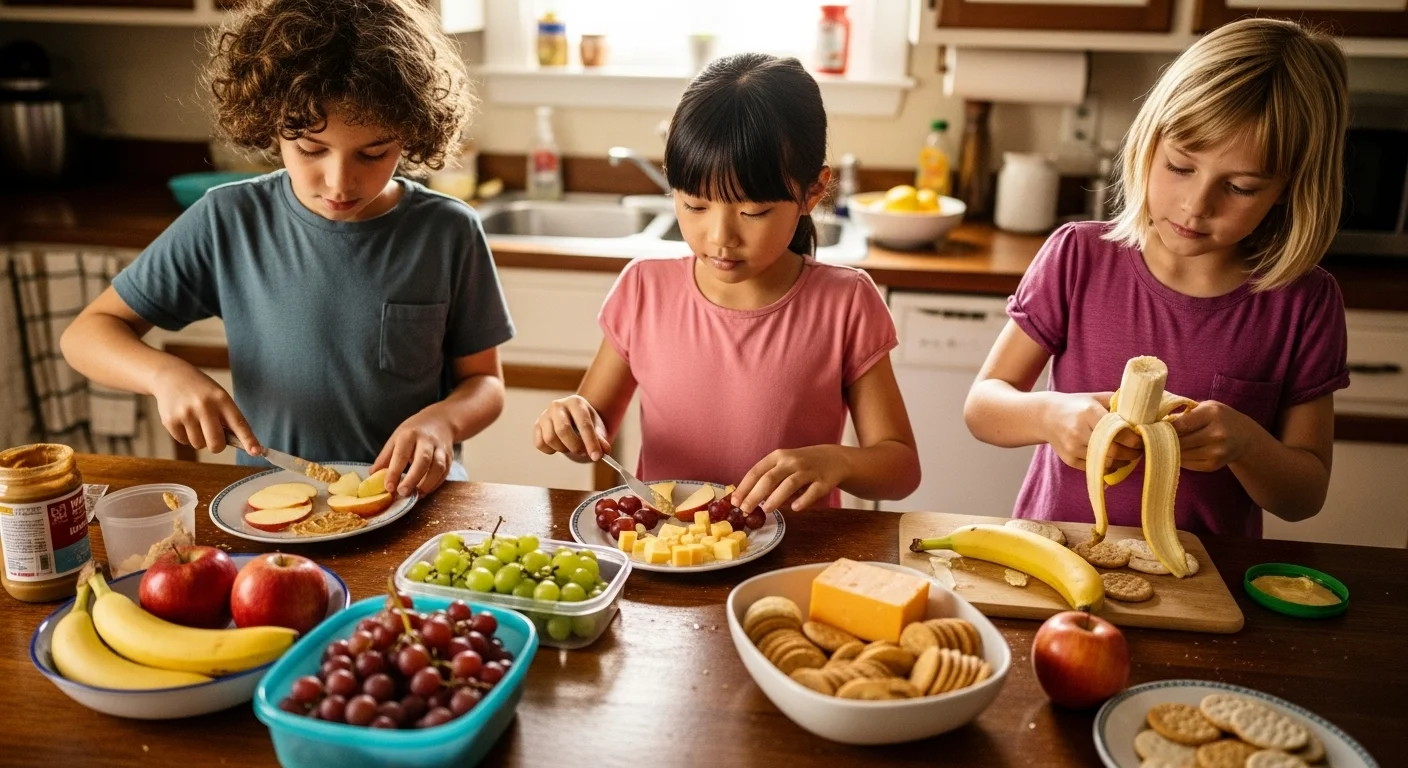
One of my kids’ favorite snacks is apple slices with peanut butter. I simply slice up a crisp apple and serve it with a dollop of peanut butter on the side. It’s a perfect combination of sweetness from the apple and protein from the peanut butter. I love that it’s a filling snack, and it keeps their energy up for the rest of the afternoon. Plus, it’s super easy to prepare!
Carrot Sticks with Hummus
Carrot sticks with hummus are another great option. I often buy baby carrots or cut larger ones into sticks for dipping. Hummus comes in so many flavors, so I can switch it up to keep things interesting. I’ve noticed that when my kids dip their veggies, they are much more excited to eat them. It’s a win-win!
Homemade Fruit Salad
Sometimes, I make a big bowl of homemade fruit salad. I chop up whatever fruits are in season or on sale, like strawberries, grapes, and melons. My kids love picking out their favorites, and it’s a colorful and fun way to enjoy a variety of nutrients. I often sprinkle a bit of lemon juice to keep everything fresh and add a zing of flavor!
Dairy-Based Snacks
Dairy can be a fantastic source of calcium and protein. I’ve incorporated some easy dairy-based snacks that my kids love to munch on after school.
Yogurt Parfaits
Yogurt parfaits are a hit in my house! I layer plain yogurt with granola and a mix of fresh fruits. Sometimes, I let the kids assemble their own parfaits, allowing them to pick their favorite fruits and toppings. It’s a healthy treat that feels indulgent, and I feel good knowing they’re getting probiotics from the yogurt.
Cheese and Whole-Grain Crackers
Cheese and whole-grain crackers are another quick go-to. I slice cheese into fun shapes using cookie cutters and pair it with whole-grain crackers. This combo provides a good balance of carbs and protein, perfect for keeping their energy levels steady. I love seeing them experiment with different cheese flavors!
Cottage Cheese with Pineapple
Cottage cheese with pineapple is a surprisingly delightful snack that my kids enjoy. The creamy texture of the cottage cheese pairs well with the sweet, juicy pineapple. I like to keep canned pineapple on hand for convenience, but fresh pineapple is a great option too. This snack is not only tasty but also packed with protein!
Whole Grains and Proteins
Whole grains and proteins are essential for fueling my kids’ busy days. I’ve found several quick snacks that incorporate these elements.
Peanut Butter Banana Toast
Peanut butter banana toast has become a staple in our household. I toast whole-grain bread and spread a generous layer of peanut butter on top, then add banana slices. Sometimes, I sprinkle a little cinnamon for extra flavor. It’s filling and provides a good mix of healthy fats and carbs.
Popcorn with Nutritional Yeast
Popcorn is another fun snack that my kids love! I make air-popped popcorn and sprinkle it with nutritional yeast for a cheesy flavor. It’s a great source of fiber, and I appreciate that it’s a whole grain. They think it’s a treat, and I enjoy it too because it’s a healthier alternative to chips!
Hard-Boiled Eggs
Hard-boiled eggs are a fantastic protein-packed snack. I often boil a batch at the beginning of the week, and they become easy grab-and-go options. My kids enjoy them plain, or sometimes I let them add a pinch of salt or a dab of mustard for a little extra flavor. It’s great knowing they’re getting a nutritious boost right in the middle of their busy days.
DIY Snack Recipes
I love getting creative in the kitchen and have found that making snacks from scratch is not only budget-friendly but also fun! Here are some of my favorite DIY snack recipes that my kids enjoy.
Energy Bites
Energy bites are a quick and easy option. I mix oats, nut butter, honey, and a sprinkle of chocolate chips or dried fruits, then roll them into bite-sized balls. They’re perfect for stashing in the fridge for a quick snack or after-school pickup. My kids often help roll them, which adds to the fun!
No-Bake Granola Bars
No-bake granola bars are another favorite. I combine oats, honey, nut butter, and whatever mix-ins we have on hand, like nuts or dried fruits, and press them into a pan. After chilling them in the fridge, I can cut them into bars. They’re an easy snack that’s great for busy days!
Vegetable Muffins
Lastly, vegetable muffins have been a delightful surprise. I pack them with shredded zucchini, carrots, or spinach, and they’re so moist and tasty that my kids don’t even realize they’re packed with veggies. I usually make a batch and freeze them, so we always have a healthy option ready to go!
Healthy Store-Bought Alternatives
Comparing Labels: What to Look For
When life gets busy, there’s nothing wrong with reaching for store-bought snacks. However, I’ve learned that not all options are created equal. It can be a bit overwhelming to choose from the countless products lining the supermarket shelves. That’s why I’ve started paying close attention to labels, and I want to share what I look for when shopping for healthy alternatives.
First, I check the ingredients list. I prefer snacks that have whole food ingredients I can recognize, like nuts, oats, or fruits. If I see a long list of additives or artificial ingredients, I tend to put that product back on the shelf. I also look for snacks that have minimal added sugar. I often aim for options that contain 5 grams or less of sugar per serving. It helps to keep my kids’ energy levels stable and avoids those dreaded sugar crashes!
Next, I consider the nutritional value. I try to choose snacks that provide a good balance of protein, healthy fats, and fiber. For example, I look for granola bars that contain nuts and whole grains, which helps keep my kids full longer. Fiber-rich snacks are especially important for digestive health, so I keep that in mind as well. This simple practice has made shopping both efficient and effective in providing my kids with nutritious options.
Recommended Brands for Quick Snacks
Over time, I’ve discovered a few brands that consistently offer healthy snacks without breaking the bank. These brands have become staples in my pantry, and I often recommend them to other parents.
- RxBAR: These protein bars are made with simple ingredients like egg whites, nuts, and dates. They come in delicious flavors and are a great post-school snack.
- Nature Valley: Their granola bars are packed with whole grains and come in various flavors. I find they make for a great on-the-go option for busy days.
- Chobani: Their yogurt cups are not only delicious but also come with added probiotics. I love that they have lower sugar options too!
- Stonyfield: I appreciate that their yogurt products are organic and come in kid-friendly packaging. They make a perfect base for smoothies or parfaits.
By sticking to these brands, I feel more confident that I’m providing my kids with healthier choices when I don’t have time to whip up something homemade. Read Interesting article: 10 Budget-Friendly Meals for School-Aged Kids
Pre-Packaged Snack Ideas
While I love making snacks from scratch, I also embrace the convenience of pre-packaged snacks. I’ve found several options that fit the bill for healthy and tasty snacks, which have been lifesavers on hectic days.
- Trail Mix: I often grab pre-packaged trail mix that contains nuts, seeds, and dried fruit. It’s a great source of energy and perfect for after-school activities.
- String Cheese: Individually wrapped string cheese is a fun and easy snack that my kids can take with them. It’s packed with calcium, making it a nutritious choice.
- Granola Cups: These are great for filling with yogurt or fruit. They are crunchy, tasty, and make for a fun snack experience!
- Veggie Chips: I love these as a crunchy alternative to regular chips. They come in various flavors and can satisfy that salty snack craving while providing some nutrients.
Having these pre-packaged options on hand has made it easier for me to maintain healthy snacking habits for my kids without sacrificing convenience.
Involving Kids in Snack Preparation
Simple Recipes for Kids to Make
One of the most rewarding aspects of our snack journey has been involving my kids in the kitchen. I’ve discovered that they’re much more likely to try new foods if they help make them. Here are some simple recipes that my kids love to prepare!
- Fruit and Yogurt Popsicles: We blend yogurt with fruits like strawberries or bananas and pour the mixture into popsicle molds. After a few hours in the freezer, we have a frozen treat that’s healthy and refreshing.
- Peanut Butter Banana Roll-Ups: My kids spread peanut butter on whole-grain tortillas, add a banana, and roll it up. They love slicing them into bite-sized pieces, making it a fun and satisfying snack.
- Veggie Pizza: We use whole-grain pita bread as the base, spread some tomato sauce, and let the kids top it with their favorite veggies and cheese. It’s a great way to get them excited about eating vegetables!
Cooking together has not only been a joyful experience but also a way to teach my kids about healthy ingredients and the importance of nutrition.
Teaching Kids About Nutrition
I believe that understanding nutrition is crucial for my children. To help them learn, we often have discussions during snack time about the benefits of the foods we are eating. For example, when we snack on carrots, I talk about how they help with eye health. I’ve found that these conversations encourage my kids to make healthier choices on their own.
We also explore different cuisines together, emphasizing the variety of nutritious foods available around the world. This makes eating healthy feel like an adventure rather than a chore.
Fun Snack Presentation Ideas
Presentation is everything! I’ve noticed that when I make snacks visually appealing, my kids are more excited to dig in. Here are some of my favorite ideas:
- Rainbow Fruit Skewers: I let my kids help assemble colorful fruit skewers. They love picking different fruits and creating their own edible art.
- Funny Faces: I use slices of fruits and veggies to create funny faces on whole-grain crackers or rice cakes. It’s a fun way to make snack time playful!
- Decorative Plates: I often arrange snacks in creative patterns on the plate, using different colors and shapes. My kids love the visual appeal and are more willing to try everything!
These little touches make snack time more enjoyable and help my kids develop a positive relationship with food.
Frequently Asked Questions
What essential nutrients do school-aged children need?
School-aged children need a variety of essential nutrients including proteins, carbohydrates, healthy fats, vitamins, and minerals. These nutrients support their growth, development, and active lifestyles.
Why is healthy snacking important for children?
Healthy snacking prevents hunger and maintains energy levels, helping children stay focused on their activities and homework. It also helps stabilize their blood sugar and can prevent overeating during meals.
How many calories do school-aged children generally require daily?
School-aged children generally require around 1,600 to 2,400 calories per day, depending on their age, gender, and activity level. Snacks should account for about 10-15% of their total daily calories.
What are some budget-friendly strategies for healthy snacks?
Budget-friendly strategies include planning ahead with meal prep, buying in bulk, focusing on seasonal produce, and choosing store brands over name brands to save money.
What are some quick nutritious snack ideas for kids?
Quick nutritious snack ideas include apple slices with peanut butter, carrot sticks with hummus, yogurt parfaits, cheese and whole-grain crackers, and peanut butter banana toast.
What DIY snack recipes can kids help prepare?
Kids can help prepare fruit and yogurt popsicles, peanut butter banana roll-ups, and veggie pizza. Involving them in the kitchen encourages them to try new foods.
How can parents teach kids about nutrition?
Parents can teach kids about nutrition by discussing the benefits of the foods they eat during snack time and exploring different cuisines together, making healthy eating feel like an adventure.
What are some recommended brands for healthy store-bought snacks?
Recommended brands include RxBAR for protein bars, Nature Valley for granola bars, Chobani for yogurt cups, and Stonyfield for organic yogurt products.
What are some fun presentation ideas to make snacks appealing to kids?
Fun presentation ideas include creating rainbow fruit skewers, making funny faces with fruits and veggies on crackers, and arranging snacks in creative patterns on plates to enhance visual appeal.
Why is it beneficial to buy seasonal produce for snacks?
Buying seasonal produce is beneficial because it is usually fresher, tastier, and cheaper. Additionally, it allows parents to teach kids about seasonal eating and the local economy.