
As a parent, watching your toddler grow and develop is one of the most rewarding experiences. But sometimes, it can also be concerning, especially when it comes to their language skills. Understanding language development in toddlers is crucial for ensuring they reach their full potential. Read Interesting article: Essential Resources for Developing Toddler Language Skills
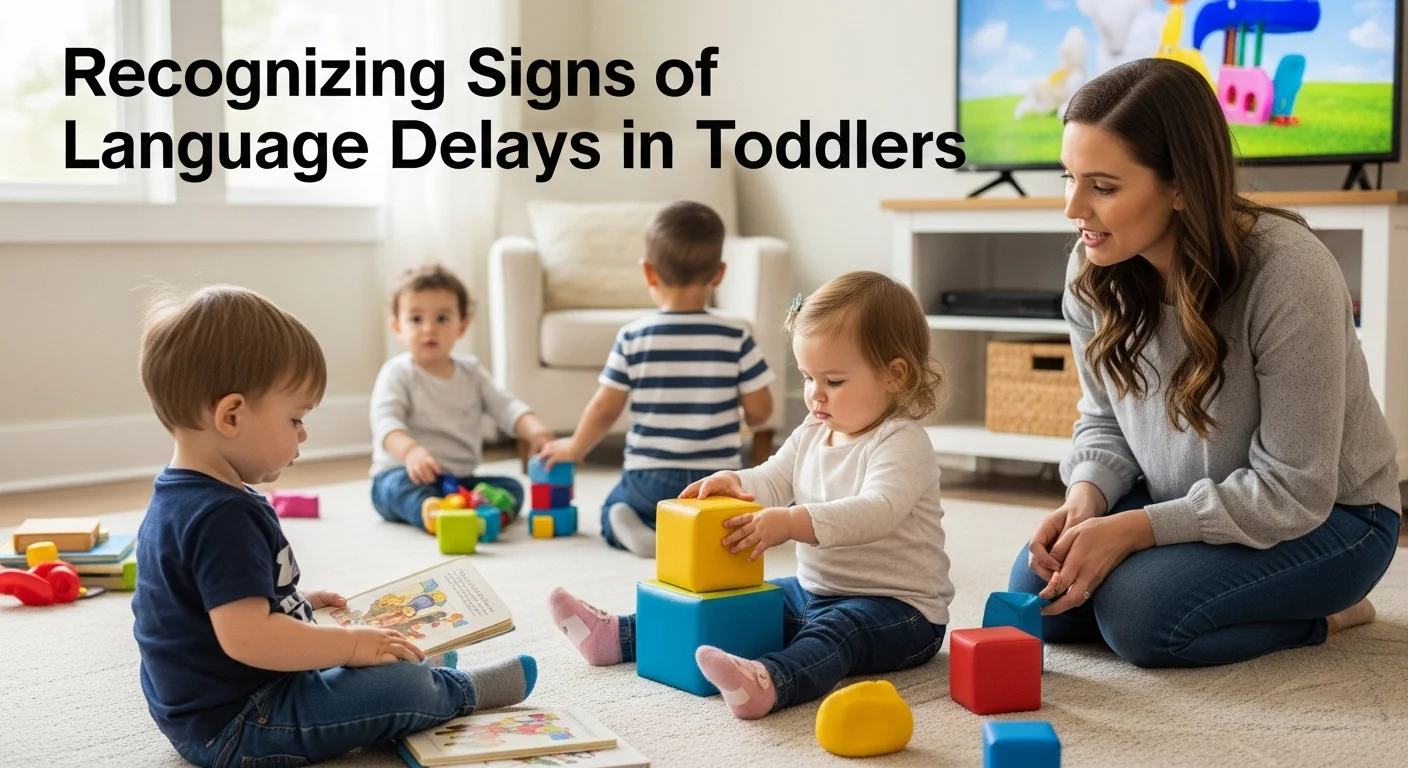
Understanding Language Development in Toddlers
Language development in toddlers is a fascinating journey that unfolds in stages. From the moment they coo and babble, to forming simple sentences, each milestone marks a significant step in their growth. I remember when my child first started to put words together. It was such a joy to hear those little phrases, but I also learned that not every child develops at the same pace. That’s why understanding the typical milestones can help us recognize when a toddler might need a little extra support. Simple Ways to Support Your Toddler’s Language Development are essential for nurturing their skills.
Typical Language Milestones
Generally, toddlers progress through various language milestones by certain ages. Around 12 months, many toddlers can say their first words, such as “mama” or “dada.” By 18 months, they might know about 10-25 words and can follow simple directions. By the age of 2, children often combine words into simple phrases like “more juice” or “big truck.” I found it helpful to keep track of these milestones, as they can serve as a guide to what’s considered typical development.
As they approach the age of 3, many children can use around 200 words and can form three-word sentences. They also start to ask questions and engage in more complex conversations. However, every child is unique, and some may hit these milestones a bit later than others, which is completely normal. I often remind myself that patience is key during this phase.
Factors Influencing Language Development
Language development isn’t just about age; various factors can influence how and when a toddler learns to communicate. For instance, exposure to language plays a crucial role. I noticed that children who are spoken to frequently, read to, and engaged in conversations tend to develop their language skills faster. It’s amazing how much a toddler can absorb just by hearing words in their environment.
Another factor is social interaction. Toddlers who spend time with peers or adults in social settings often pick up language skills more quickly. I remember setting up playdates for my child, and I saw firsthand how they learned from mimicking their friends. Additionally, a child’s overall health can affect their language development. Hearing and cognitive abilities are essential, so any issues in these areas can lead to delays.
Lastly, family dynamics can play a part. In my case, I realized that a nurturing environment with encouragement and support can boost language skills. On the flip side, a chaotic home life or a lack of emotional support can hinder development. Being aware of these factors helped me create a more conducive environment for my child’s growth.
Recognizing Signs of Language Delays
It’s crucial to recognize the signs of potential language delays early. The earlier we notice these signs, the sooner we can take action to support our toddlers. I’ve learned over the years that there are several key indicators we should keep an eye on.
Delayed Speech Milestones
One of the first signs I noticed in my child was a delay in reaching speech milestones. If your toddler isn’t saying their first word by around 12 months or isn’t combining words by 2 years, it might be a cause for concern. I remember feeling anxious when my child wasn’t saying “mama” until they were closer to 15 months. It’s important not to rush to conclusions, but being aware of these milestones can help us gauge progress. Regular check-ins with pediatricians can help address these concerns early on.
Limited Vocabulary Usage
If your child uses fewer words than expected for their age, that could be a sign of a delay. For example, I noticed that my child had a limited vocabulary at 18 months, knowing only about 10 words. This can be frustrating for both the child and the parent, as communication becomes challenging. Encouraging vocabulary expansion through reading and conversations can be beneficial, but if you notice a consistent pattern of limited vocabulary, it’s worth discussing with a professional.
Poor Understanding of Simple Instructions
Another sign I found significant was my child’s difficulty understanding simple instructions. If a toddler struggles to follow basic commands like “come here” or “give me the ball” by the age of 2, this might indicate a language delay. I often played games that involved following directions to help my child practice this skill. It’s a fun way to reinforce understanding, but if there’s still struggle, it may be time to seek advice from a specialist.
Challenges in Social Communication
Social communication is another critical aspect. When my child began to play with others, I noticed they struggled to express themselves or join in conversations. Toddlers should ideally be able to engage with peers through simple conversations or interactive play by age 3. If you notice your child shying away from social interactions or having difficulty maintaining a back-and-forth conversation, it’s an important sign to pay attention to.
Difficulty with Pronunciation and Articulation
Lastly, pronunciation and articulation can also indicate delays. If your toddler frequently mispronounces words or has unclear speech, it might be worth monitoring. I remember being concerned when my child said “wabbit” instead of “rabbit.” While some mispronunciations are normal, persistent issues could suggest a delay in language development.
Common Causes of Language Delays
Understanding the reasons behind language delays is just as important as recognizing the signs. I remember feeling overwhelmed when I realized my child was having trouble with speech. It helped me to know that various factors can contribute to these delays, and addressing them early can make a world of difference. Essential Tips for Nurturing Your Toddler’s Language Growth can also provide valuable insights.
Hearing Impairments
One of the most common causes of language delays is hearing impairment. I learned this firsthand when I took my child for a routine check-up, and the pediatrician suggested a hearing test. Hearing is essential for developing language skills, as children need to listen to sounds and words to learn how to use them. If a child can’t hear well, it can lead to delays in speaking and understanding. I know some parents who discovered their child had a mild hearing loss only after seeking help. If you suspect your toddler might not be hearing well, it’s wise to explore this possibility sooner rather than later.
Developmental Disorders
Developmental disorders can also play a role in language delays. Conditions like autism spectrum disorder (ASD) or specific language impairment (SLI) can affect communication skills. I remember reading about how children on the spectrum might excel in some areas while struggling in others, particularly in social communication. Understanding these complexities helped me appreciate the diversity in how children develop. If you notice a pattern of challenges in your toddler’s language skills along with other developmental signs, seeking guidance from a professional can provide clarity and support.
Environmental Factors
The environment in which a child grows up significantly influences their language development. I’ve seen how a rich language environment—where children are regularly exposed to conversations, reading, and diverse vocabulary—can boost their skills. Conversely, a lack of interaction can hinder language growth. I remember incorporating more reading and dialogue into our daily routines, and it made a noticeable difference. Factors like family dynamics, the amount of screen time, and even the availability of educational resources can all impact language development, so it’s worth examining these aspects in your home.
Genetic Influences
Genetics can also play a role in language development. I learned that if there’s a family history of speech or language issues, it might increase the likelihood of similar challenges for a child. This realization made me reflect on my own upbringing and how my family communicated. While we can’t change our genetic makeup, understanding these influences can help us prepare and seek the right support. If there’s a concern about inherited traits, discussing this with a pediatrician can lead to a comprehensive evaluation.
When to Seek Professional Help
Knowing when to seek professional help can be daunting. I remember struggling with whether to reach out for assistance when my child was a bit behind in their speech. Ultimately, I decided that better safe than sorry was the best approach. Here are a few guidelines that helped me navigate this uncertainty.
Guidelines for Monitoring Language Development
Monitoring language development is essential. I found it helpful to keep an informal checklist of milestones and signs to look out for. If you notice persistent delays or concerns with your child’s language skills, it might be time to consult a professional. Some helpful guidelines include tracking the number of words your child uses, their ability to follow simple instructions, and how they engage socially. If your toddler is not meeting expected milestones, consider reaching out for advice.
Consulting with Pediatricians
Reaching out to a pediatrician is often the first step. I remember feeling nervous about bringing up my concerns, but my child’s doctor was supportive and reassuring. Pediatricians can assess developmental progress and provide recommendations for further evaluation if necessary. They can also help rule out any medical issues that might be affecting language development. Don’t hesitate to voice your worries—pediatricians are there to help!
Speech and Language Pathologists’ Role
Speech and language pathologists (SLPs) specialize in diagnosing and treating communication disorders. I found that connecting with an SLP was incredibly beneficial. They can conduct in-depth assessments and develop tailored intervention strategies. If your child exhibits signs of language delays, an SLP can provide the tools and guidance needed to support their communication skills effectively. Their expertise can make a significant difference in a child’s development.
Assessment and Diagnosis of Language Delays
Once we recognize potential signs of language delays in our toddlers, the next step is assessment and diagnosis. I remember feeling a mix of anxiety and hope when it came time to evaluate my child’s language skills. Understanding the different methods of assessment helped ease my concerns and clarify the path forward.
Standardized Language Assessments
Standardized language assessments are formal tests that can help determine where a child stands in their language development. These assessments typically involve a speech and language pathologist administering specific tasks that measure various aspects of language, such as vocabulary, grammar, and comprehension. I found that these tests provided valuable insights into my child’s strengths and areas needing support. While the thought of formal testing can be intimidating, it’s crucial to remember that these assessments are designed to help us understand our child better and guide us toward the appropriate interventions.
Observational Methods
In addition to standardized tests, observational methods are often employed to evaluate a child’s language development in a more natural setting. I discovered that simply watching my child during playtime or everyday conversations could reveal a lot about their language use. Observational assessments can include noting how a child communicates with peers and adults, their ability to follow instructions, and their engagement in conversations. I found this approach to be less stressful for my child, as it allowed them to demonstrate their skills in a comfortable environment. Sometimes, informal observations provided just as much information as formal assessments.
Parent and Caregiver Questionnaires
Parent and caregiver questionnaires are another useful tool for assessing language development. These questionnaires typically ask about a child’s language skills, interactions, and behaviors observed at home. I remember filling out a questionnaire that asked about my child’s ability to express needs, follow directions, and engage with others. Completing this form not only helped the professionals understand my child’s abilities but also made me reflect on my observations, which reinforced my awareness of their progress. Sharing these insights with a speech and language pathologist can lead to a more comprehensive understanding of a child’s language skills.
Intervention Strategies for Language Delays
Once we have a clearer picture of our toddler’s language development through assessments, the next step is to explore intervention strategies. I learned that early intervention can make a significant difference in helping our children catch up and thrive in their communication skills.
Early Intervention Programs
Early intervention programs are designed to support children with developmental delays, including language delays. These programs often include a combination of therapies, educational activities, and family support. I remember finding a local program that focused on engaging toddlers through play-based learning, which was a perfect fit for my child. Early intervention can provide tailored strategies and resources, helping children develop their language skills in a nurturing environment. I firmly believe that the sooner we address these challenges, the better the outcomes for our children.
Speech Therapy Techniques
Speech therapy techniques can also be very effective in treating language delays. I found that working with a speech-language pathologist allowed my child to practice specific skills in a fun and engaging way. Techniques might include exercises to enhance vocabulary, improve articulation, or develop conversational skills. For instance, we did activities that involved playing with toys while repeating names and sounds to reinforce language learning. I loved seeing how these sessions turned into enjoyable experiences for my child, making learning feel like play rather than work.
Home-Based Activities to Encourage Language
Incorporating language development activities into our daily routines was another strategy I found helpful. Simple activities like singing songs, playing rhyming games, or narrating our daily activities can foster language growth. I remember turning our grocery shopping trips into opportunities for vocabulary building by naming items and asking my child to repeat them. Reading books together, especially those that encourage participation, became a cherished daily habit. These small, consistent efforts can make a big difference in supporting our toddlers’ language development.
Supporting Your Toddler’s Language Development
Supporting our toddlers’ language development is an ongoing journey that requires patience and creativity. I found that by actively engaging with my child, I could create an environment where communication flourished.
Engaging in Conversational Play
Engaging in conversational play is one of the most enjoyable ways to support language development. I discovered that using open-ended questions during playtime encouraged my child to express themselves. Instead of asking yes or no questions, I would prompt them with, “What do you think will happen next?” This not only sparked their imagination but also helped them practice forming sentences and ideas. I loved watching my child become more confident in sharing their thoughts through these playful interactions.
Reading Together: Importance of Storytime
Storytime became one of my favorite bonding activities. I realized that reading together not only nurtured our connection but also exposed my child to new vocabulary and ideas. I made it a point to choose books that encouraged participation, like those with repetitive phrases or questions. I remember the sparkle in my child’s eyes when they recognized a word or could predict what would happen next in the story. These moments reinforced a love for language and learning.
Using Visual Aids and Interactive Tools
Visual aids and interactive tools can also enhance language development. I found that using picture cards or apps designed for language learning made a significant impact. These tools provided my child with visual context, which helped reinforce their understanding of words and concepts. We would often create storyboards together, using pictures to narrate our adventures or family experiences. This not only strengthened their vocabulary but also developed their storytelling skills.
Frequently Asked Questions
What are the typical language milestones for toddlers?
Typically, toddlers can say their first words around 12 months, know about 10-25 words by 18 months, combine words into simple phrases by 2 years, and use around 200 words and form three-word sentences by age 3.
How does exposure to language influence a toddler’s development?
Exposure to language is crucial for development; toddlers who are spoken to frequently, read to, and engaged in conversations tend to develop their language skills faster.
What signs might indicate language delays in toddlers?
Signs of potential language delays include delayed speech milestones, limited vocabulary usage, difficulty understanding simple instructions, challenges in social communication, and difficulty with pronunciation and articulation.
What common causes contribute to language delays in toddlers?
Common causes of language delays include hearing impairments, developmental disorders, environmental factors, and genetic influences.
When should parents seek professional help for language delays?
Parents should consider seeking professional help if they notice persistent delays in their child’s language skills or if their child is not meeting expected milestones.
What role do pediatricians play in addressing language development concerns?
Pediatricians can assess developmental progress, provide recommendations for further evaluation if necessary, and help rule out any medical issues affecting language development.
How can speech and language pathologists assist with language delays?
Speech and language pathologists specialize in diagnosing and treating communication disorders, conducting assessments, and developing tailored intervention strategies to support language skills.
What are some effective intervention strategies for language delays?
Effective intervention strategies include early intervention programs, speech therapy techniques, and home-based activities designed to encourage language development.
How can parents support their toddler’s language development at home?
Parents can support language development by engaging in conversational play, reading together, and using visual aids and interactive tools to enhance understanding and vocabulary.
What types of assessments are used to evaluate a child’s language development?
Assessments may include standardized language assessments, observational methods, and parent and caregiver questionnaires to evaluate various aspects of a child’s language skills.