
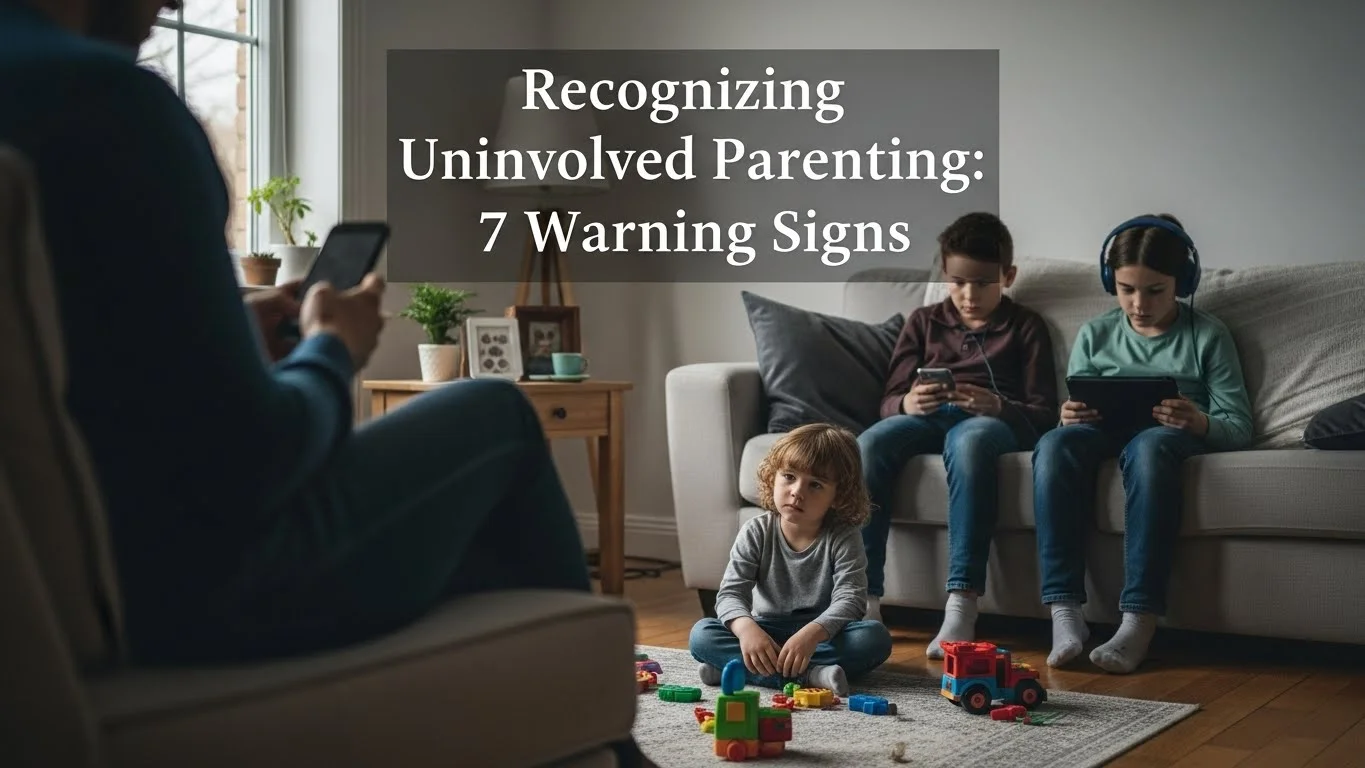
Uninvolved parenting can have a profound effect on children’s development. Understanding its signs is crucial for fostering healthier family dynamics and nurturing children who thrive emotionally and socially. For more details, check out 10 Clear Signs of Uninvolved Parenting You Should Know.
Understanding Uninvolved Parenting
Definition of Uninvolved Parenting
Uninvolved parenting, often referred to as neglectful parenting, is characterized by a lack of responsiveness to a child’s needs. In my experience, this style can manifest in various ways, such as parents being emotionally unavailable, failing to provide adequate supervision, or showing little interest in their child’s life. It’s not just about physical absence; it’s the emotional disconnect that can truly impact a child’s self-esteem and sense of security. I remember meeting a friend whose parents were always busy with work or social engagements, leaving him to fend for himself. This made him feel invisible and unimportant, which is a common thread I’ve seen in stories about uninvolved parenting.
Differences Between Parenting Styles
Parenting styles can be broadly categorized into four main types: authoritative, authoritarian, permissive, and uninvolved. Authoritative parenting involves a balance of responsiveness and demandingness, where parents are nurturing yet set clear boundaries. Authoritarian parents, on the other hand, are highly demanding but often lack warmth. Permissive parents are more lenient, allowing considerable freedom but typically do not enforce many rules. Uninvolved parenting stands apart because it lacks both responsiveness and demandingness. I’ve noticed that when parents adopt a more uninvolved approach, it often leads to children seeking validation and attention elsewhere, which can be troubling. For a deeper understanding of these styles, take a look at Uninvolved Parenting vs. Other Styles: Key Differences Explained.
Effects of Uninvolved Parenting on Children
The effects of uninvolved parenting can be profound and long-lasting. Children raised in these environments may struggle with self-esteem, often feeling neglected and unworthy of love. I’ve seen this firsthand with some friends who just didn’t seem to fit in; they often expressed feelings of loneliness. It’s no wonder—without emotional support or guidance from their parents, they may lack essential coping skills. Research also shows that these children can experience academic challenges due to a lack of educational involvement from their parents. I remember feeling the difference when my own parents were actively engaged in my schooling compared to a friend whose parents were almost never around. Their performance suffered, and it was heart-wrenching to see the impact it had on their confidence.
Moreover, uninvolved parenting can affect social skills. Kids might struggle to form healthy relationships, leading to difficulties in maintaining friendships as they grow up. I’ve seen some children who, due to their lack of parental involvement, became overly reliant on peers for validation. These relationships can sometimes become toxic, exacerbating feelings of inadequacy. It’s a cycle that can perpetuate itself, creating a ripple effect into adulthood.
In my conversations with mental health professionals, I learned that the emotional neglect faced by children could lead to anxiety and depression later on. The absence of a parental safety net can make them feel as though they’re navigating life’s challenges alone. I’ve spoken with adults who reflected back on their childhoods, expressing a longing for just a little more support from their parents, which they felt could have made a world of difference in their mental health.
7 Warning Signs of Uninvolved Parenting
1. Lack of Emotional Support
One of the most telling signs of uninvolved parenting is a complete lack of emotional support. When parents are disconnected and indifferent to their child’s feelings, it creates a void. I’ve seen kids who needed someone to celebrate their achievements or comfort them during failures, only to be met with silence or indifference. It can be heartbreaking to witness, and it really shapes how children view themselves.
2. Minimal Communication
If communication is limited, it can signal uninvolved parenting. I’ve noticed in my own family how regular, open conversations can strengthen bonds. In contrast, children from uninvolved households may feel like they are living in silence, leading to misunderstandings and feelings of isolation. When I was younger, I cherished the moments I could talk to my parents about my day, which made me feel valued and heard.
3. Absence of Supervision
Uninvolved parents often do not supervise their children adequately. I remember a friend who was free to roam the neighborhood unsupervised, which led to some risky behavior. While independence is important, a complete lack of guidance can lead to dangerous situations and poor decision-making.
4. Indifference to Child’s Needs
Another sign is indifference toward a child’s basic needs. If a parent fails to notice or address their child’s physical and emotional needs, it points to a lack of involvement. I recall feeling upset when I saw kids going to school in dirty clothes or without proper meals; it made me realize how critical it is for parents to be attuned to their children’s needs.
5. Neglect in Educational Involvement
Uninvolved parents often show little interest in their child’s education. This was evident in a classmate of mine whose parents never attended any school events or checked on her homework. I firmly believe that parental involvement is vital for academic success. The lack of support made her feel unimportant and unmotivated.
6. No Boundaries or Rules
Children thrive on structure, and uninvolved parents typically do not enforce boundaries or rules. I remember how clear rules helped me feel secure growing up. When children have no guidelines, they can feel lost and unsure of how to behave in different situations.
7. Children Are Left to Their Own Devices
Lastly, children of uninvolved parents often find themselves left to their own devices, both literally and figuratively. I’ve seen kids spend hours alone, sometimes engaging in risky behavior or simply feeling bored. This lack of parental engagement can lead to a variety of issues, from behavioral problems to low self-esteem.
Consequences of Uninvolved Parenting
Impact on Child’s Mental Health
The consequences of uninvolved parenting extend deeply into a child’s mental health. I’ve spoken to many adults who reflected on their childhoods, and a common theme was the feeling of emotional neglect. The absence of parental support can lead to a variety of mental health issues, including anxiety and depression. From my experience, children growing up without that emotional safety net often feel isolated and unworthy. It’s heartbreaking to witness how that lack of connection can manifest into feelings of inadequacy and self-doubt. I remember a close friend who struggled with anxiety; she often shared that she felt invisible in her own home, which exacerbated her fears and insecurities. It’s a stark reminder that mental health is profoundly influenced by the early relationships we form with our caregivers.
Academic Challenges Faced by Children
Academic success often depends on parental involvement, and children from uninvolved backgrounds can face significant hurdles. I recall a classmate who was incredibly bright but fell behind in school because her parents didn’t take an interest in her education. They rarely checked her homework or attended school meetings, leaving her to navigate her academic journey alone. Over time, this lack of support took a toll on her grades and self-esteem. I believe that when parents are disengaged, children can feel unmotivated and unsure of their abilities. This disengagement can create a cycle of poor performance and low self-worth, ultimately impacting their educational outcomes. I’ve seen firsthand how a little encouragement from parents can make a world of difference, reinforcing the idea that support matters.
Social Skills Development Issues
Another significant consequence of uninvolved parenting is the potential hindrance to social skills development. Children need guidance and role models to learn how to interact with others, and without it, they may struggle to form healthy relationships. I’ve observed that kids from uninvolved households often find themselves in challenging social situations, unsure of how to engage with their peers. I remember seeing a child in my neighborhood who was shy and withdrawn, largely because he had no one to teach him how to communicate or share. These skills are crucial for building friendships and navigating social settings; without them, children may feel lonely and disconnected. It’s a sad reality that can follow them into adulthood, making it difficult to form meaningful connections.
Comparing Uninvolved Parenting with Other Styles
Authoritative Parenting
When I think about different parenting styles, authoritative parenting stands out as a positive contrast to uninvolved parenting. Authoritative parents are warm and responsive while also setting clear boundaries. I’ve seen how this balance fosters a nurturing environment that helps children feel supported and valued. For instance, I had a friend whose parents were always there to listen and guide her while also encouraging her independence. This kind of parenting promotes self-confidence and resilience, qualities that I believe are essential for a child’s development. Compared to uninvolved parenting, the benefits of an authoritative approach are evident in both academic success and emotional well-being.
Authoritarian Parenting
Authoritarian parenting, characterized by strict rules and high demands but low responsiveness, differs from uninvolved parenting in its approach. While uninvolved parents may be indifferent, authoritarian parents are controlling, often leading to fear and rebellion among children. I’ve noticed that this style can produce a strained relationship between parents and children. A friend of mine experienced this firsthand; her parents had high expectations but were rarely emotionally available. She often felt overwhelmed by the pressure, which led to her acting out. While both uninvolved and authoritarian styles can be damaging, the key difference lies in the level of engagement—authoritarian parents are present but lack warmth.
Permissive Parenting
Permissive parenting is another style that contrasts with uninvolved parenting, though both can lead to challenges. Permissive parents are warm and loving but often lack boundaries and expectations. I’ve met several children raised this way, and while they often feel loved, they can also struggle with self-discipline and responsibility. In my observation, children from permissive homes might find themselves overwhelmed when faced with rules or authority, as they haven’t learned to navigate those structures. In contrast, uninvolved parenting leaves children without the emotional support and guidance they need, which can have equally harmful effects. The distinctions between these styles highlight the importance of balance in parenting, as each approach can lead to different developmental outcomes. For further insights, read Comparing Uninvolved Parenting: Insights on Different Approaches.
How to Address Uninvolved Parenting
Recognizing the Need for Change
Recognizing the signs of uninvolved parenting is the first step toward making positive changes. I remember when I began to notice the impact of my own parenting style on my kids; it was a wake-up call. Acknowledging that I needed to be more present and engaged made a world of difference. It’s essential for parents to reflect on their behaviors and understand how these affect their children’s emotional and social development. I think many parents may not realize the extent of their disengagement until they see the consequences in their children.
Seeking Professional Help
Seeking professional help can be a vital step in addressing uninvolved parenting. Therapy or counseling can provide valuable insights and strategies for improvement. From my experience, talking to a professional can help parents understand their behaviors and how to change them. I’ve seen families transform with the right guidance, as it fosters communication and connection within the household. It’s okay to ask for help; I believe it shows strength and a desire to change for the better.
Engaging in Open Communication
Engaging in open communication is crucial for fostering a healthier family dynamic. I’ve found that regular conversations with my children not only strengthen our bond but also allow them to express their thoughts and feelings freely. Encouraging dialogue helps children feel valued and understood, which is essential for their emotional development. I remember implementing family meetings in our home, giving everyone a space to share and discuss their experiences. It was a simple yet effective way to increase involvement and connection.
Setting Boundaries and Expectations
Setting clear boundaries and expectations can also help combat the effects of uninvolved parenting. I believe that children benefit from structure in their lives. When my family established clear rules, it provided a sense of security. I’ve seen how boundaries guide children in understanding acceptable behavior and help them develop self-discipline. It’s essential to create an environment where children know what is expected of them, which can lead to increased confidence and responsibility.
Resources for Support and Education
Books on Parenting Styles
Support Groups and Communities
Online Resources and Workshops
Resources for Support and Education
Books on Parenting Styles
Books can be a treasure trove of knowledge when it comes to understanding parenting styles. I’ve found that reading about different approaches helps to clarify what might work best for my family. One book that really stood out to me is “The Whole-Brain Child” by Daniel J. Siegel and Tina Payne Bryson. It offers practical strategies to help parents nurture their child’s emotional and intellectual development. Another favorite is “How to Talk So Kids Will Listen & Listen So Kids Will Talk” by Adele Faber and Elaine Mazlish. It provides effective communication techniques that can bridge the gap between uninvolved and engaged parenting. I recommend exploring books that resonate with your own parenting philosophy and challenges. They can provide insights and tools to improve your relationship with your children.
Support Groups and Communities
Finding support from others who are experiencing similar challenges can be incredibly beneficial. I remember joining a local parenting group where parents gathered to share their experiences and tips. It was comforting to realize that I wasn’t alone in facing the struggles of parenting. Many communities offer support groups focused on specific parenting styles, including those for parents navigating the challenges of uninvolved parenting. These gatherings create a safe space for sharing feelings, frustrations, and successes. Plus, they can foster friendships and a sense of community that can be vital during difficult parenting phases. If you’re interested, I suggest searching for local groups or even online forums that cater to your needs.
Online Resources and Workshops
The digital age has made accessing parenting resources easier than ever. There are countless websites, blogs, and online forums dedicated to parenting styles and strategies. I often refer to sites like Parenting.com and The Bump, which provide articles and tips on various parenting topics. Additionally, many organizations offer online workshops and webinars that focus on improving parenting skills. I attended a workshop on positive discipline that transformed how I approached certain situations with my kids. These sessions can offer practical advice and new perspectives that help shift your parenting style towards something more involved and supportive.
It’s also worth exploring social media platforms where parenting experts and enthusiasts share their insights and experiences. Following these accounts can provide daily doses of inspiration and encouragement. I love scrolling through posts that remind me of the importance of being present for my children. The community aspect of these platforms can make you feel connected to other parents who are on a similar journey.
In my experience, seeking out resources and support can significantly enhance your parenting journey. Whether it’s through books, support groups, or online workshops, finding the right tools can empower you to create a nurturing environment for your children. I encourage you to take the time to explore these options; you might discover strategies that not only benefit your children but also enrich your own experience as a parent.
Frequently Asked Questions
What is uninvolved parenting?
Uninvolved parenting, also known as neglectful parenting, is characterized by a lack of responsiveness to a child’s needs. This style can manifest as emotional unavailability, inadequate supervision, and little interest in the child’s life.
How does uninvolved parenting differ from other parenting styles?
Uninvolved parenting lacks both responsiveness and demandingness, unlike authoritative parenting, which balances nurturing and setting clear boundaries. Authoritarian parenting is highly demanding but often lacks warmth, while permissive parenting is warm but lacks boundaries. Each style leads to different developmental outcomes for children.
What are the effects of uninvolved parenting on children?
Children raised with uninvolved parenting may struggle with self-esteem, loneliness, academic challenges, and difficulties in forming healthy relationships. They may also face emotional neglect, leading to anxiety and depression later in life.
What are some warning signs of uninvolved parenting?
Warning signs include lack of emotional support, minimal communication, absence of supervision, indifference to the child’s needs, neglect in educational involvement, no boundaries or rules, and children being left to their own devices.
How can uninvolved parenting impact a child’s mental health?
The absence of parental support can lead to feelings of emotional neglect, resulting in mental health issues such as anxiety and depression. Children may feel isolated and unworthy, which can exacerbate feelings of inadequacy.
What academic challenges do children of uninvolved parents face?
Children from uninvolved backgrounds may experience significant academic hurdles due to a lack of parental interest and support. This disengagement can lead to poor performance and low self-worth, affecting their educational outcomes.
How does uninvolved parenting affect a child’s social skills?
Uninvolved parenting can hinder a child’s social skills development, making it difficult for them to form healthy relationships. Without parental guidance, children may struggle to engage with peers and may feel lonely and disconnected.
What steps can be taken to address uninvolved parenting?
Recognizing the need for change, seeking professional help, engaging in open communication, and setting clear boundaries and expectations can help combat the effects of uninvolved parenting.
What resources are available for parents to improve their parenting style?
Parents can benefit from books on parenting styles, support groups, and online resources or workshops. These resources can provide insights and strategies to enhance the parent-child relationship.
Why is seeking support important for parents dealing with uninvolved parenting?
Finding support can help parents realize they are not alone in their struggles. It fosters a sense of community and offers valuable insights and strategies to improve parenting skills, ultimately benefiting both parents and children.