
Traveling on a budget while managing food allergies can be a unique challenge, but it’s absolutely doable. With careful planning and the right strategies, you can enjoy delicious meals without compromising your health. For more guidance, check out Travel Smart: Managing Food Allergies on a Budget Trip.
Understanding Food Allergies
Food allergies can be daunting, especially when you’re traveling. I learned this firsthand during my travels when I encountered a food that I thought was safe. That moment taught me just how crucial it is to have a solid understanding of what food allergies entail. With a little knowledge, we can make informed decisions and enjoy our adventures without worry.
Common Food Allergies (Peanuts, Tree Nuts, Dairy, etc.)
Food allergies are more common than many people realize. Some of the most prevalent allergies include peanuts, tree nuts, dairy, eggs, soy, wheat, fish, and shellfish. I remember my friend, who is allergic to peanuts, had to navigate menus carefully to avoid any hidden ingredients. Each of these allergens can provoke serious reactions, so it’s vital to identify which ones affect you or your travel companions.
In my experience, I’ve seen how easily these allergies can be overlooked in different cuisines. For instance, dishes that seem harmless might contain hidden sources of nuts or dairy. That’s why understanding your specific allergies becomes crucial before you embark on your journey. For more insights, you might find Essential Tips for Backpacking with Food Allergies Abroad helpful.
Symptoms of Food Allergies
The symptoms of food allergies can vary widely. They may include hives, swelling, stomach pain, or, in severe cases, anaphylaxis. I’ve had moments when I felt uneasy after trying new foods, only to realize later that I had reacted to something in my meal. Knowing the symptoms can help you respond quickly if something goes wrong. For me, keeping a list of symptoms on hand during my travels has been a lifesaver. It acts as a reminder to stay vigilant and be aware of how my body reacts to new foods.
Importance of Food Allergy Awareness
Food allergy awareness is not just about protecting yourself; it’s also about educating those around you. I’ve noticed that many people are unaware of the seriousness of food allergies. For example, when I traveled to a new country, I found that locals were often accommodating once they understood my dietary needs. This prompted me to share information about food allergies and the importance of safe eating practices. It’s empowering to advocate for ourselves and our health, and it can lead to better experiences while traveling.
Preparing for Your Trip
Preparation is key when it comes to traveling with food allergies. I can’t stress enough how important it is to plan ahead. From researching local cuisines to understanding what’s safe to eat, the groundwork you lay can make a world of difference.
Researching Local Cuisine and Ingredients
Before I travel, I always dive deep into the local cuisine. I love exploring the flavors, but I also need to know what ingredients are commonly used. Websites, travel blogs, and even social media can be rich resources for this information. I once discovered that a dish I loved was typically made with a nut-based sauce. This knowledge allowed me to seek alternatives or ask for modifications when ordering. I highly recommend making a list of common ingredients used in the region you’re visiting. It can help you avoid potential dangers while still enjoying the local food scene.
Identifying Safe Foods
Once I’ve researched local dishes, I identify safe foods that align with my dietary restrictions. I like to create a list of meals that I can typically find anywhere, regardless of the country. For example, grilled meats, rice, and certain vegetable dishes can often be made allergy-friendly with proper communication. Having this list handy not only provides peace of mind but also helps me feel confident when ordering food.
Travel Insurance and Allergy Coverage
Travel insurance is another aspect I always consider. There are various plans out there, but I make sure to look for one that covers food allergies specifically. You never know when an allergic reaction might happen, and having that safety net is comforting. I’ve learned that some policies include emergency medical coverage, which can be crucial if you need immediate care while abroad. Investing in a good travel insurance plan may seem like an extra expense, but it can save you a lot of stress in the long run.
Traveling with food allergies doesn’t have to be a daunting experience. With the right preparation and awareness, we can explore new places, enjoy local cuisines, and create beautiful memories without compromising our health. Remember, knowledge is power, and being proactive can lead to a safer, more enjoyable travel experience.
Budget-Friendly Allergy-Safe Eating Strategies
When it comes to eating while traveling on a budget with food allergies, I’ve discovered that being resourceful can make all the difference. I love to explore new cuisines, but staying safe without breaking the bank requires a bit of creativity and planning. Here are some strategies that have worked well for me.
Grocery Shopping Tips
One of my favorite ways to stick to my budget while ensuring that I eat safely is by shopping at local grocery stores. I remember my first trip abroad where I made a point to visit the local markets. It was such a fun experience! I found fresh produce, grains, and safe snacks that fit my dietary restrictions. I recommend taking a reusable shopping bag and a list of safe foods tailored to your allergies. This way, you can focus on what’s safe while enjoying the local flavors.
When I shop, I always look for items that are naturally allergy-safe. Fresh fruits, vegetables, rice, and meats are usually good bets. I’ve also found that many countries have their own versions of allergy-friendly products. For example, I once stumbled upon a local brand of dairy-free yogurt that I never would have tried if I hadn’t been shopping in a grocery store. It’s all about being open to new foods while sticking to what you know is safe.
Cooking Your Own Meals
Cooking while traveling can be a game-changer, especially when you have food allergies. Whenever I have access to a kitchen, I make it a point to prepare at least some of my meals. I remember a trip where I rented an Airbnb with a full kitchen. I made a simple stir-fry using fresh veggies and rice, and it was one of the best meals I had during my stay! Not only was it safe, but it was also delicious and cheap.
Before I travel, I try to gather some easy recipes that require minimal ingredients. This way, I can quickly whip up meals without too much hassle. I also enjoy involving my travel companions in the cooking process. It’s a great way to bond, share experiences, and everyone gets to enjoy a meal together. Plus, I find that cooking can be a fun adventure in itself, allowing me to experiment with local ingredients while staying safe.
Eating Out on a Budget
Eating out can be one of the biggest challenges when traveling with food allergies, but it doesn’t have to drain your wallet. I’ve learned a few tricks that help me dine out safely without overspending. First, I always check out local eateries that focus on fresh ingredients. These places often offer simple dishes that can be customized to avoid allergens. I remember discovering a quaint little bistro during my travels that served farm-to-table meals. The chef was more than happy to accommodate my allergies, and I ended up having one of the best meals of my trip at a reasonable price!
Another tip is to look for lunch specials or daily deals. Many restaurants offer discounted prices during lunch hours, which can save a lot of money. When I dine out, I also try to choose places that have a clear understanding of dietary restrictions. I often ask about how food is prepared and if they can make modifications based on my needs. This way, I can enjoy a safe meal without the worry of hidden allergens.
Lastly, I’ve found that sometimes, sharing meals is a great way to try different dishes while keeping costs down. When traveling with friends or family, we often order a few different plates and share them. This not only allows me to have a variety of flavors but also helps us stay within our budget.
Communicating Your Dietary Needs
Being clear about food allergies is crucial for a safe eating experience while traveling. I’ve learned that effective communication can sometimes be the difference between a great meal and a health scare. Here are some ways I navigate this part of my travel experience.
Learning Key Phrases in the Local Language
Before heading to a new country, I like to learn a few key phrases related to my food allergies. It can be as simple as saying, “I’m allergic to nuts” or “Does this contain dairy?” I found that even a little effort goes a long way in making locals understand my needs. I remember trying to communicate my allergies in a small café in Italy, and the staff was incredibly accommodating once I explained in their language.
Carrying a small phrasebook or using a translation app can also be useful. It’s amazing how a few words can create a connection and help ensure that your dietary needs are respected. Plus, it’s a fun way to immerse yourself in the culture! I believe that showing respect for a new language can also encourage locals to be more helpful and patient.
Using Allergy Cards
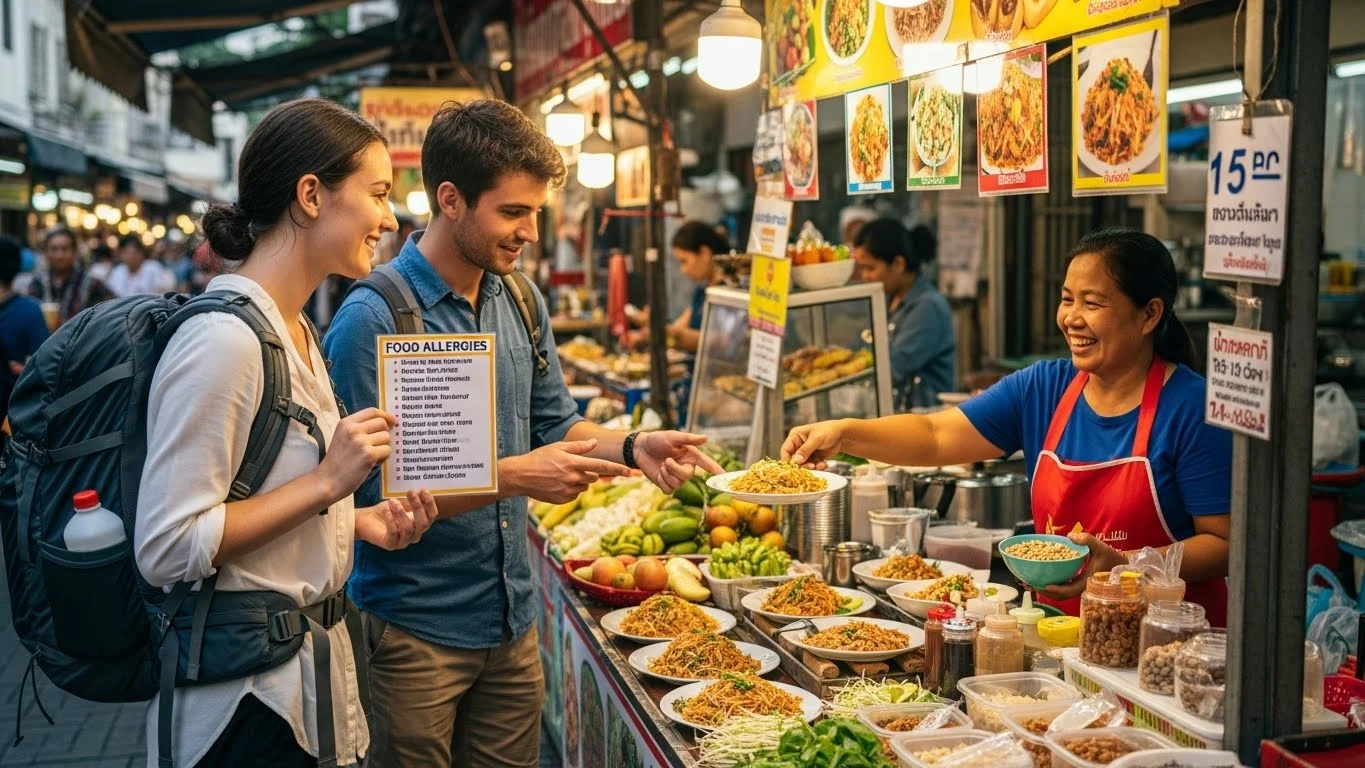
Another tool I’ve found beneficial is using allergy cards. I’ve created cards that list my allergies and what I need to avoid, translated into the local language. These cards have been lifesavers! When I hand them to servers, I can see their eyes light up with understanding, and it takes a lot of stress off my shoulders. There are many online resources where you can create these cards for free, making it easy to adapt them to any destination.
Often, I keep several copies in my bag, just in case one gets lost or if I visit multiple restaurants in a day. This simple step can ease communication and make dining out much more enjoyable. I recommend having these cards ready before you travel, as they can be a real asset when navigating food experiences abroad.
Communicating Your Dietary Needs
Understanding Menu Terms and Ingredients
When I’m in a new country, I quickly realize that understanding menu terms and ingredients is crucial for my safety. Different cultures have their own ways of describing food, and some terms can be confusing. For instance, I learned that “creamy” might indicate the presence of dairy, while “sauce” could mean a hidden allergen lurking in the background. I remember being in a restaurant in Thailand where I had to clarify what “spicy” meant. It turned out that the dish contained fish sauce, which I needed to avoid. That experience highlighted how essential it is to ask questions and dig deeper.
I’ve found that familiarizing myself with common terms used in the local cuisine can make a significant difference. For example, if you’re allergic to gluten, knowing words like “wheat” and “barley” in the local language is key. I recommend writing down these terms and their translations before you travel. This way, you can feel more secure when looking at menus or interacting with restaurant staff.
Additionally, I often ask servers directly about the ingredients in a dish, even if it’s on the menu. I’ve been pleasantly surprised at how willing many restaurant staff are to help. They often appreciate when you show interest in what you’re eating, and it can lead to more transparent conversations about allergens.
Finding Allergy-Friendly Restaurants
Using Apps and Websites for Safe Dining
Finding restaurants that cater to food allergies can feel overwhelming, but technology has made it easier than ever. I love using apps and websites that specialize in identifying allergy-friendly dining options. For instance, I’ve found apps that allow users to filter restaurants based on dietary restrictions, which has been a game-changer for me.
One of my favorites is an app that not only lists allergy-friendly restaurants but also includes user reviews. I remember using it in Spain and finding a lovely tapas bar that had a fantastic selection of gluten-free options. Reading reviews from other travelers who have food allergies helps me gauge how accommodating a restaurant might be. It’s comforting to see that others have had positive experiences.
Another great resource is social media. I often search for hashtags related to food allergies and travel. I’ve stumbled upon numerous food bloggers who share their experiences and recommendations, making it easier to find safe places to eat. These platforms can also provide a sense of community, as you can connect with others who share similar dietary needs.
Local Recommendations and Community Insights
Nothing beats local knowledge when it comes to finding safe dining options. I always try to connect with locals or fellow travelers to get their recommendations. Often, they can point me to hidden gems that might not show up on popular apps or websites. I remember chatting with a local family while traveling in Greece, and they took me to a small tavern that served the freshest, allergy-friendly meals I’ve ever had.
Joining local online forums or community groups related to travel and food allergies can also be beneficial. I’ve found Facebook groups where members share their experiences and tips about eating out safely in different countries. It’s reassuring to know there are people who understand the challenges and are willing to help by providing insights and recommendations.
Chain Restaurants with Allergy Protocols
While local eateries are often the most rewarding, I’ve also discovered that many chain restaurants have well-defined allergy protocols. When I travel, I sometimes rely on familiar restaurant chains because they often have standardized menus and allergy information readily available. I remember dining at a well-known fast-casual restaurant in the U.S. that had a detailed allergens menu. The staff was trained to handle food allergies, which made ordering a breeze.
Before I visit a chain restaurant, I check their website for allergy information. Many chains provide guides that outline how to customize meals to fit dietary restrictions. I’ve even called ahead to speak with a manager when I had specific concerns. This extra step has given me peace of mind, knowing that I can enjoy a meal without worrying about cross-contamination or hidden allergens.
In my experience, combining local recommendations with reliable chain options can provide a well-rounded dining experience while traveling. It’s all about balancing the adventure of discovering new cuisines with the practicality of maintaining my health.
Dealing with Food Allergies While Traveling
What to Do in Case of an Allergic Reaction
Despite all the precautions we take, allergic reactions can still happen. I’ve had my fair share of close calls, and it’s taught me the importance of having a plan. The first thing to remember is to stay calm. Stress can exacerbate the situation, and I’ve found that taking deep breaths helps me focus on what needs to be done. If you suspect an allergic reaction, I recommend assessing the symptoms quickly. If they’re mild, like a few hives or slight swelling, I sometimes take an antihistamine if I have one handy. However, if the symptoms escalate—especially if I experience difficulty breathing or swelling of the throat—I immediately reach for my epinephrine auto-injector. Knowing how to use it correctly is crucial. I practiced using mine before my travels, so I’m confident in doing it when needed.
If you do need to use your auto-injector, don’t hesitate to call for help or get to a hospital. I’ve learned that it’s vital to communicate what’s happening to those around you, as they can assist in getting medical help quickly. Back in Thailand, I faced such a situation, and the locals were incredibly supportive. They helped me reach the nearest hospital, and I felt grateful for their quick assistance.
Keeping Emergency Medications Accessible
Accessibility to emergency medications is another significant aspect of traveling with food allergies. I always keep mine in a designated spot in my bag that’s easy to reach. For me, it’s crucial to have a little pouch just for my allergy supplies, including my auto-injector, antihistamines, and any other medications I might need. I also make sure that my travel companions know where to find it. On one trip, my friend ended up being the hero when I had a reaction; she knew exactly where to grab my auto-injector when I couldn’t. It’s moments like these that make me realize the importance of being prepared, not just for myself, but for those traveling with me too.
Tips for Traveling with Epinephrine Auto-Injectors
When I travel with auto-injectors, I ensure they’re stored properly. I keep them in a cool, dry place to prevent any damage. I also check the expiration dates regularly, as nobody wants to be stuck with an expired device in an emergency. I often travel with two injectors—just in case. You never know if one might get damaged or if a second dose is necessary.
Before arriving at my destination, I research local pharmacies or hospitals. Knowing where I can refill prescriptions or get additional help is comforting. I also recommend carrying a doctor’s note explaining your allergies and the necessity of your medications. This can be helpful in case you face scrutiny at customs or security checkpoints. On one occasion, having my doctor’s note made all the difference when I needed to explain my auto-injector to airport security.
Travel Destinations with Allergy Considerations
Countries with Strong Food Allergy Laws
When planning my travels, I often look for countries that have strong food allergy laws. I’ve found that some places are more accommodating to dietary restrictions than others. For instance, traveling to the UK, I was impressed by their comprehensive food labeling laws. Restaurants were well-versed in handling allergies, and I felt comfortable dining out without constantly worrying. I remember enjoying a delightful meal at a pub where the staff were knowledgeable about allergens and even had a separate menu for allergy-friendly options. It made my experience much more enjoyable!
Top Budget-Friendly Destinations for Allergy Sufferers
Budget-friendly destinations can also offer fantastic options for those with food allergies. Thailand, for example, has an abundance of fresh ingredients and street food that can be easily modified. I once enjoyed a delicious stir-fried vegetable dish that was made without the sauces I needed to avoid. Local markets often have fresh produce and affordable ingredients, giving me the ability to prepare my meals without overspending.
Cultural Attitudes Toward Food Allergies in Different Regions
It’s fascinating how cultural attitudes toward food allergies can vary. In some countries, food allergies are taken very seriously, while in others, it might not be as well understood. I remember visiting Japan and having to navigate their unique food culture. Although they’re known for their hospitality, I found that many chefs were not accustomed to handling food allergies. This made it essential for me to be extra vigilant and communicate clearly. I think understanding these cultural differences ahead of time can help adjust my expectations and prepare accordingly.
Resources and Support for Allergy Travelers
Online Forums and Support Groups
Connecting with others who share similar experiences can be invaluable. I’ve found online forums and support groups dedicated to food allergies to be incredibly helpful. I remember joining a Facebook group where travelers shared tips and advice specific to food allergies. It was empowering to hear stories from others who had navigated similar challenges. These platforms not only provide practical advice but also foster a sense of community that makes me feel less alone in my journey.
Allergy Associations and Organizations
Allergy associations and organizations can be great resources for travelers. They often have up-to-date information on travel safety and may even offer resources tailored to those with food allergies. I once reached out to a national allergy organization before a trip to learn about local resources and contacts in the country I was visiting. Their assistance made my travels smoother and more enjoyable.
Travel Blogs and Vlogs Focused on Food Allergies
Lastly, I can’t stress enough the value of travel blogs and vlogs focused on food allergies. I’ve discovered so many useful tips and personal stories from fellow travelers who share their experiences navigating dining while traveling with allergies. Their insights often highlight hidden gems or recommend safe restaurants that might not be listed in traditional travel guides. I love to watch vlogs that show real-life experiences; they help me visualize what to expect and inspire my own adventures.
Final Thoughts
Traveling with food allergies doesn’t have to feel like an insurmountable challenge. With a bit of preparation, resourcefulness, and awareness, we can explore the world safely while enjoying diverse cuisines. I’ve learned through personal experiences that having the right strategies in place, from grocery shopping to communicating dietary needs, can lead to unforgettable adventures. Connecting with others and utilizing available resources can also ease the journey. Remember, we all deserve to enjoy food and travel without fear. So let’s pack our bags, advocate for our health, and embark on new experiences with confidence!
Frequently Asked Questions
What are common food allergies that travelers should be aware of?
Some of the most prevalent food allergies include peanuts, tree nuts, dairy, eggs, soy, wheat, fish, and shellfish. It is crucial to identify which allergens affect you or your travel companions.
What symptoms should I look out for regarding food allergies?
Symptoms of food allergies can vary widely and may include hives, swelling, stomach pain, or, in severe cases, anaphylaxis. Knowing these symptoms can help you respond quickly if something goes wrong.
How can I prepare for a trip if I have food allergies?
Preparation is key. Research the local cuisine and common ingredients used in the region you are visiting. Creating a list of safe foods and understanding what’s safe to eat can greatly enhance your travel experience.
What strategies can I use to eat safely while traveling on a budget?
Some effective strategies include grocery shopping at local markets to find fresh produce and safe snacks, cooking your own meals when possible, and looking for local eateries with fresh ingredients that can accommodate your allergies.
How can I communicate my food allergies effectively while traveling?
Learn key phrases in the local language related to your food allergies, carry allergy cards that list your allergies and what to avoid, and ask questions about menu terms and ingredients to ensure your needs are understood.
What should I do in case of an allergic reaction while traveling?
Stay calm and assess your symptoms quickly. If they are mild, take an antihistamine if available. For severe symptoms, use your epinephrine auto-injector and seek immediate medical help.
How can I ensure my emergency medications are accessible while traveling?
Keep your emergency medications in a designated and easily accessible spot in your bag. Inform your travel companions about where to find them in case you need assistance during an allergic reaction.
Are there countries known for having strong food allergy laws?
Yes, countries like the UK have comprehensive food labeling laws and restaurants that are well-versed in handling food allergies, making dining out safer and more comfortable for travelers with allergies.
What resources are available for travelers with food allergies?
Online forums, support groups, allergy associations, and travel blogs focused on food allergies can provide valuable information, community support, and practical tips for traveling safely with dietary restrictions.
How can I find allergy-friendly restaurants while traveling?
Use apps and websites that specialize in identifying allergy-friendly dining options, seek local recommendations from residents or fellow travelers, and consider familiar chain restaurants that have well-defined allergy protocols.