
Traveling with little ones can be a thrilling adventure, but ensuring they sleep safely on the go is a challenge. Let’s explore how backpacking parents can find budget-friendly solutions for safe sleep while creating unforgettable memories. Read Interesting article: Navigating Anxiety in Pregnancy: Budget Travel Solutions
Understanding Safe Sleep for Children While Traveling
The Importance of Safe Sleep Practices
As a parent who loves to explore the world, I quickly learned that safe sleep practices are non-negotiable. When we’re on the road, I want my child to sleep soundly, not just for their comfort but for our peace of mind too. Safe sleep plays a crucial role in reducing the risk of sleep-related accidents, especially in unfamiliar environments. Every time we travel, I remind myself of the safe sleep guidelines: babies should sleep on their backs, in a firm, flat surface, without bedding that could pose a suffocation risk. Adhering to these practices helps ensure our adventures are enjoyable and worry-free.
Age-Specific Sleep Needs
Understanding the specific sleep needs of my child has been vital in planning our trips. Infants typically sleep 14-17 hours a day, while toddlers need about 11-14 hours. I remember when my little one was just a few months old, how I meticulously planned our travel itinerary around nap times. This meant finding destinations that allowed for downtime, as well as packing gear that accommodated their sleep schedule. For older kids, ensuring they have a comfortable and familiar sleep environment can help them adjust to new places more easily. Each age group has its own needs, and being attentive to those has made all the difference in our travels. Read Interesting article: Understanding Newborn Nutrition: What Every Parent Should Know
Budget-Friendly Sleep Solutions for Backpacking Parents
Choosing the Right Travel Crib
When we first started backpacking with our child, choosing the right travel crib was like finding a needle in a haystack. After researching various options, I discovered that there are several travel cribs that offer portability without breaking the bank. My personal favorite is the lightweight travel crib that folds easily and fits snugly into our backpack. It’s essential to look for cribs that not only meet safety standards but also have good reviews from other parents. I often check parenting forums and reviews, as they’ve helped me make informed choices. The right travel crib should be easy to set up and take down, so we can maximize our exploring time without fuss.
Portable Bassinets: Pros and Cons
Portable bassinets can be a game changer for backpacking parents. I remember my excitement when we bought one for our trips. They’re compact and often more comfortable for smaller babies. However, I learned that while they are great for short trips, they might lack the sturdiness of a travel crib for longer journeys. They often come with a higher price tag, which might not fit everyone’s budget. I found it helpful to weigh the pros and cons based on how often we travel. For short weekend getaways, a bassinet worked wonders, but for longer adventures, I preferred the reliability of a travel crib.
How to Use a Travel Pack and Play
Travel pack and plays have become my ultimate travel companion. They provide a versatile space for sleep and play, which is perfect for parents on the go. I remember setting ours up in a hotel room and how my child treated it like their own little playground. The best part is that they’re typically easy to assemble and disassemble. I recommend ensuring the pack and play is certified for safety and has a sturdy mattress included. Sometimes, I even bring along a familiar blanket to make the space feel more like home. It’s fascinating how a few familiar items can ease the transition and help my child sleep better, even in a new environment.
DIY Sleep Solutions: Blankets and Pillows
In my quest for budget-friendly sleep solutions, I’ve often turned to DIY options. For instance, packing a couple of my child’s favorite blankets has worked wonders. They bring a sense of familiarity and comfort, which is essential in new places. I also learned how to roll up a lightweight pillow, using a small towel or clothing as a makeshift pillow in a pinch. This simple trick not only saves space but also keeps my little one cozy. It’s amazing what a little creativity can do when you’re trying to create a safe sleep environment without spending a fortune.
Essential Sleep Gear for Traveling Families
Travel-Friendly Sleep Sacks
One of the best investments I made for our travels was a travel-friendly sleep sack. I remember the first time we used one; it felt like wrapping my child in a cozy hug. These sacks are perfect for keeping little ones warm and snug, especially in places where the temperature can fluctuate. I love that they provide a sense of security, making bedtime feel more familiar, even in foreign surroundings. Plus, they eliminate the worry of loose blankets, aligning perfectly with safe sleep practices. I’ve found that using a sleep sack also encourages my child to stay within their sleep space, meaning less chance for unexpected tumbles in the night. For me, it’s a win-win situation.
Noise Machines for Better Sleep
Traveling can be noisy, and I’ve often found that a good noise machine can make all the difference. I recall a trip where we stayed in a bustling city, and the sounds from outside kept us up all night. That’s when I decided to invest in a portable white noise machine. It works wonders in creating a calming environment, drowning out unfamiliar noises that can disrupt sleep. I like to set it to a gentle hum, which I’ve noticed helps my child drift off more easily. If you’re tight on space, I recommend looking for an app on your phone that can mimic white noise; it’s a simple and effective solution that has served us well.
Light-Blocking Curtains and Sleep Masks
Another essential that I’ve added to our travel gear is light-blocking curtains and sleep masks. I remember staying at a hotel once where the morning sun came streaming through the window much earlier than we anticipated. It was a rude awakening for us all! Now, I always carry a set of portable blackout curtains. They’re easy to hang and create a darkened space for sleep, which is especially helpful for my child. I also keep a sleep mask handy for myself, as it helps me catch some extra Z’s when we’re in a bright setting. I’ve realized that a dark environment can really enhance the quality of sleep, making a significant difference in our overall energy for the day’s adventures.
Safe Sleep Locations While Backpacking
Choosing Family-Friendly Accommodations
When planning our trips, finding family-friendly accommodations has been a game-changer. I’ve learned to prioritize places that cater to families, as they often provide amenities like cribs and kids’ activities. I remember booking a cozy cabin in the woods, which had everything we needed—a separate sleeping area for my little one, along with a kitchen for preparing meals. It felt secure and comfortable, allowing us to focus on making memories instead of worrying about safety. Websites that specialize in family travel often include reviews that can guide you to the best spots, and I always read those before making a reservation.
Camping with Kids: Safe Sleep Options
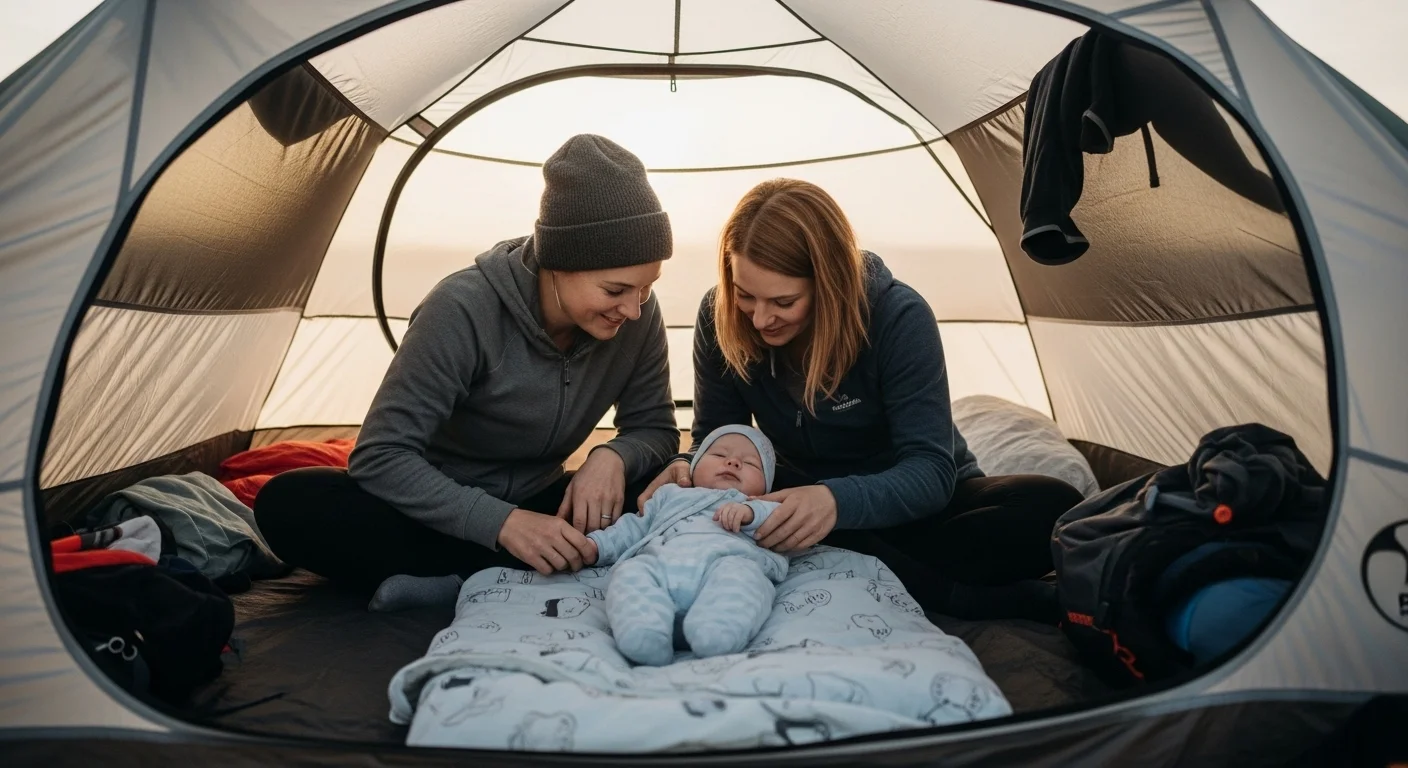
Camping has become one of our favorite family activities, but I quickly realized that ensuring safe sleep while camping requires some planning. I always bring our travel crib or a portable sleeping bag designed for toddlers. Setting up a designated sleep area away from the campfire and making sure it’s flat and free of debris is crucial. I remember our first camping trip; we used a small tent that felt like our little adventure bubble. I also make it a point to establish a bedtime routine, even in the great outdoors. A familiar story or lullaby can create a calming atmosphere, helping my child settle down despite the sounds of nature.
Using Hotels and Hostels: Tips for Parents
Hotels and hostels can be great options, but I’ve learned some tips to make them work for our family. When booking, I always check if they have family rooms or suites, which provide more space for everyone. I remember one trip where we stayed at a hostel that had a kitchen; it allowed us to prepare our own meals, making it easier to stick to our child’s eating and sleeping schedule. Additionally, I recommend asking about cribs or pack and plays when you make your reservation. A little extra planning can ensure a comfortable and safe sleep environment, no matter where we find ourselves.
Creating a Safe Sleep Environment on the Go
Setting Up a Sleep Area in Shared Spaces
When traveling, one of my biggest challenges has been setting up a sleep area in shared spaces, especially when we’re in a hotel room with multiple beds. I’ve learned to creatively use the space to our advantage. For instance, I always try to arrange furniture to create a cozy nook for my child’s sleep area. Using a travel crib or pack and play helps define that space, and I find that draping a light blanket or towel over a chair can add an extra layer of privacy. I also keep the lights dimmed and set up the white noise machine to drown out potential distractions. It’s amazing how a little thought can turn a shared room into a safe haven for sleep.
Traveling with a Toddler: Tips for Safety
Traveling with a toddler can feel like a whirlwind of energy and excitement. I’ve learned that keeping safety in mind is essential. I make it a point to child-proof our sleeping area whenever possible. This includes moving any sharp objects out of reach and ensuring that windows and doors are secure. I often bring along our own outlet covers, as I’ve discovered that not every place I stay is as child-proofed as I’d like. It’s these little precautions that give me peace of mind while we explore new destinations.
Adapting to Different Sleep Conditions
Every trip presents its own set of sleep conditions, and adapting has become a skill I value. I remember one trip where we were in a tropical climate, and my child found it challenging to sleep in the heat. I learned to cool the room down by using fans or opening windows for a breeze, if safe. I also encourage my child to drink plenty of water throughout the day to stay hydrated. When we traveled to colder places, I made sure to pack warm sleepwear and extra blankets. Adapting to these varying conditions not only helps my child sleep better but also makes our experiences more enjoyable.
Health and Safety Considerations
Understanding SIDS and Sleep Safety Guidelines
As parents, the safety of our little ones is always at the forefront of our minds, especially when we travel. I remember feeling a wave of anxiety when I first learned about Sudden Infant Death Syndrome (SIDS) and the associated sleep safety guidelines. It became clear to me that following these guidelines is crucial, no matter where we are. Babies should always sleep on their backs, on a firm mattress with no loose bedding, pillows, or toys that can pose a suffocation risk. I often double-check the sleeping environment, ensuring it meets these safety standards, even in hotels or campsites. It’s a small effort that provides significant peace of mind while we create beautiful memories on our adventures.
Travel Insurance for Kids: Why It Matters
Travel insurance can feel like just another expense, but I’ve come to realize its importance, especially when it comes to our kids. I remember a trip where my little one got sick unexpectedly; having travel insurance saved us from hefty medical bills and allowed us to focus on getting better instead of stressing about costs. It’s wise to find a policy that covers children, including medical emergencies, trip cancellations, and lost belongings. Knowing that we’re covered gives me the confidence to explore new places without the constant worry of what might go wrong.
Emergency Preparedness While Traveling
No one wants to think about emergencies while on vacation, but I’ve learned that being prepared is key. Before our trips, I put together a small emergency kit that includes first aid supplies, basic medications, and my child’s medical information. I also make it a point to identify the nearest hospital or clinic in the area, just in case. I remember one trip when my child had a minor allergic reaction, and knowing exactly where to go made all the difference. Having a plan in place not only reassures me but also allows our family to enjoy the journey with greater freedom and less anxiety.
Practical Tips for Keeping Kids Comfortable
Maintaining a Sleep Routine on the Road
One of the best things I can do for my child while traveling is to try to maintain their sleep routine. I remember the initial chaos during our first family trip when we were all over the place with schedules. Now, I aim to keep familiar bedtime rituals, like reading a story or singing a lullaby, even in new environments. I also try to stick to our usual bedtime as closely as possible. It’s not always easy, especially with different time zones or activity-packed days, but I’ve noticed that these small efforts help my child feel secure and sleep better, no matter where we are. Read Interesting article: Expert Tips to Tackle Newborn Feeding Challenges Effectively
How to Handle Sleep Disruptions
Traveling with kids can lead to unexpected sleep disruptions, and I’ve experienced my fair share! I remember one night when we stayed in a hotel, and the neighbors were having a late-night party. It was frustrating, but I quickly learned some tricks to help my child settle back down. I often use the white noise machine or the app on my phone to drown out unwanted sounds. I also remind myself that it’s perfectly normal for kids to have trouble sleeping in new places, and sometimes, a little patience goes a long way. Having a plan for those disruptions makes all the difference in maintaining our sanity!
Traveling with Multiple Children: Strategies for Success
Traveling with more than one child can feel overwhelming, but I’ve found that organization and teamwork are essential. I often involve my older child in the process, letting them help pack and prepare for the trip. This not only eases the workload but also gets them excited about the journey. When we reach our destination, I try to set up a designated sleep area for each child, if possible. This way, they each have their own space to unwind and feel secure. I also keep an eye on the clock, helping them stick to their routines as much as we can. From my experience, these strategies have made our travels smoother, allowing us to enjoy our adventures as a family.
Budgeting for Sleep Solutions
Cost-Effective Gear vs. High-End Options
As a budget-conscious parent, I’ve often found myself torn between cost-effective gear and high-end options. I remember the first time I splurged on a high-end travel crib, thinking it would make all the difference. While it was convenient, I later discovered that there are many budget-friendly options that worked just as well. I’ve learned to read reviews and ask fellow parents for recommendations. In my opinion, it’s all about finding the right balance between quality and affordability. Sometimes, a well-reviewed, budget-friendly option can provide just as much comfort and safety without breaking the bank.
Where to Find Affordable Travel Cribs and Gear
Finding affordable travel gear can be a treasure hunt, but I’ve gotten pretty good at spotting deals over the years. I love checking out second-hand stores or online marketplaces for gently used travel cribs and accessories. You’d be surprised at the great condition some items are in, and it feels good to save money while being eco-friendly. Additionally, keeping an eye on seasonal sales or clearance events at baby stores has helped me snag some fantastic deals. I believe that with a little patience and creativity, we can find quality gear that fits our budget perfectly.
Tips for Saving on Accommodation Costs
Accommodation costs can really add up when traveling with kids, so I’ve learned a few tips to save money. I often look for family package deals that include accommodations and meals, which can be a great value. I also consider alternatives like vacation rentals or family-friendly hostels that often come equipped with kitchens. Cooking some meals can help cut down on food expenses, which is a win-win for us. I always check for discount codes or loyalty programs, as they can provide significant savings on hotel bookings. These little strategies have made a big impact on our travel budget, allowing us to allocate more funds for experiences rather than just places to stay.
Frequently Asked Questions
What are safe sleep practices for children while traveling?
Safe sleep practices are essential to reduce the risk of sleep-related accidents. Babies should sleep on their backs, in a firm, flat surface, without bedding that could pose a suffocation risk.
What are the age-specific sleep needs for children?
Infants typically need 14-17 hours of sleep a day, while toddlers require about 11-14 hours. Understanding these needs is crucial for planning travel itineraries around nap times and ensuring a comfortable sleep environment.
What should I consider when choosing a travel crib?
When selecting a travel crib, look for portability, safety standards, and positive reviews from other parents. It should be easy to set up and take down, allowing for more time to explore.
What are the pros and cons of using portable bassinets?
Portable bassinets are compact and often comfortable for smaller babies, making them ideal for short trips. However, they may lack sturdiness for longer journeys and can come with a higher price tag.
How can I create a safe sleep environment in shared spaces?
To set up a sleep area in shared spaces, arrange furniture creatively to create a cozy nook. Using a travel crib or pack and play helps define that space, and adding a light blanket can provide extra privacy.
What are some essential sleep gear items for traveling families?
Essential sleep gear includes travel-friendly sleep sacks, noise machines, and light-blocking curtains. These items help create a familiar and comfortable sleep environment, even in unfamiliar settings.
How can I maintain a sleep routine while traveling?
To maintain a sleep routine, keep familiar bedtime rituals like reading a story or singing a lullaby. Try to stick to the usual bedtime as closely as possible, even with the challenges of travel.
What tips can help when traveling with multiple children?
Involve older children in the packing process to ease the workload and excitement. Set up designated sleep areas for each child to ensure they have their own space to unwind and feel secure.
How can I find affordable travel cribs and gear?
Look for gently used travel cribs and accessories at second-hand stores or online marketplaces. Seasonal sales and clearance events at baby stores can also yield great deals on travel gear.
What should I consider when budgeting for sleep solutions?
Balance cost-effective gear with quality by reading reviews and seeking recommendations. Look for family package deals for accommodations and consider alternatives like vacation rentals to save on costs.