
Every parent knows that keeping our homes safe is a top priority, especially when little ones are around. One often overlooked aspect of home safety is securing our furniture to prevent accidents. Let’s explore why anchoring is essential for a safe living space. Read Interesting article: Feeding Your Newborn: Key Nutritional Guidelines to Follow
Understanding the Importance of Furniture Anchoring
What is Furniture Anchoring?
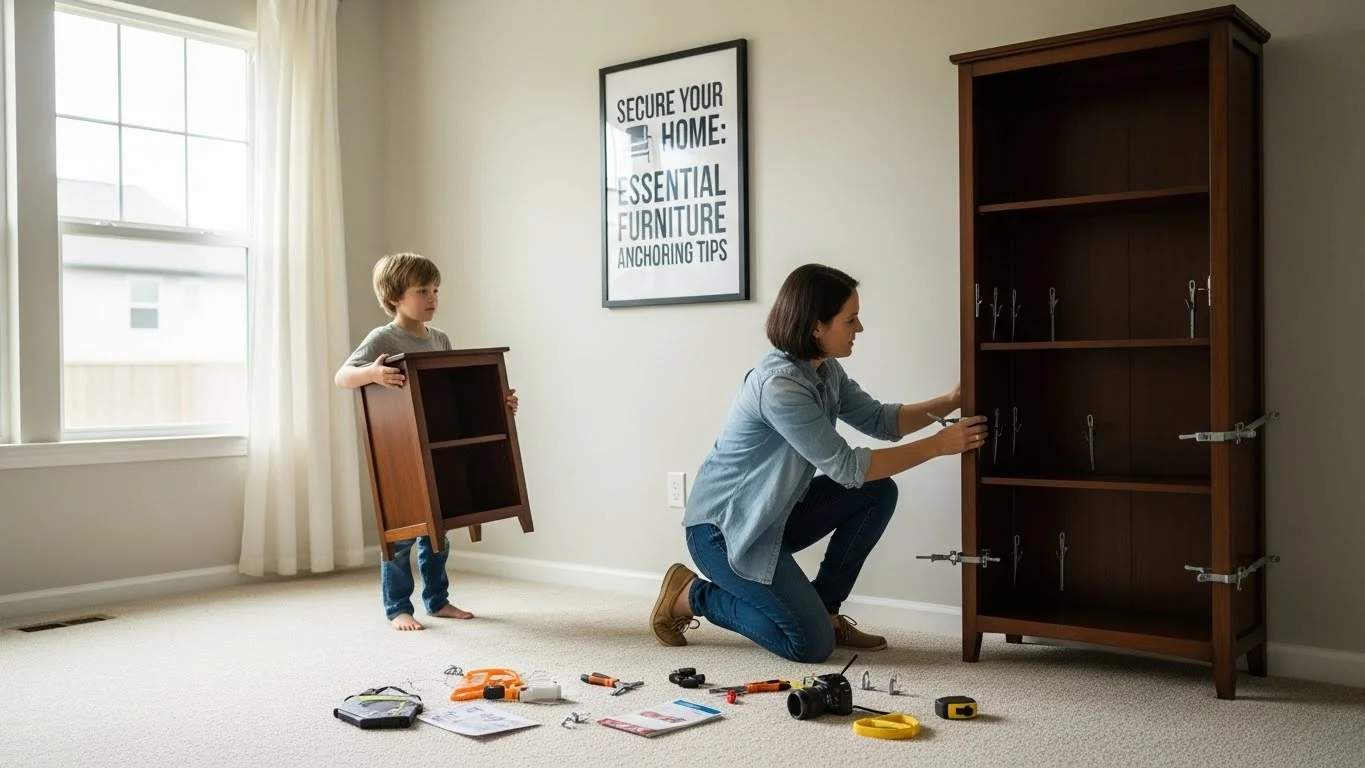
Furniture anchoring involves securing large pieces of furniture, like bookshelves and dressers, to the wall. This prevents them from tipping over, especially during unexpected events like earthquakes or when children climb on them. I remember the first time I learned about furniture anchoring; I was helping a friend child-proof her home. It opened my eyes to how simple adjustments could significantly enhance safety for her kids.
Why is Furniture Anchoring Necessary?
From my experience, the necessity of furniture anchoring becomes glaringly obvious when you think about the dangers posed by unanchored furniture. Kids, in their natural curiosity, love to climb or pull on furniture. As a result, unsecured pieces can easily topple over, leading to serious injuries. Beyond child safety, anchoring can also protect your belongings. It’s heartbreaking to see treasured items damaged due to a preventable accident. I learned this the hard way when I found my grandmother’s heirloom vase shattered after a minor bump from a playful toddler.
Statistics on Furniture-Related Accidents
Statistics paint a stark picture. According to the U.S. Consumer Product Safety Commission (CPSC), every 24 minutes, a child is injured by a falling piece of furniture. That’s staggering when you think about it. Each incident could have been avoided with proper anchoring. Additionally, these accidents can lead to severe injuries or even fatalities, making it all the more crucial to take action now. I remember feeling a wave of anxiety after reading these statistics; it served as a wake-up call for me to ensure my own home was safe.
Types of Furniture to Anchor
Bookshelves and Cabinets
Bookshelves are a common source of danger, especially when overloaded with heavy books or decorative items. I have a tall bookshelf in my living room that I decided to anchor after realizing how top-heavy it was. By securing it to the wall, I felt a wave of relief knowing my children could play nearby without the risk of it tipping over.
Dressers and Chests of Drawers
Dressers can be particularly hazardous due to their height. I’ve seen firsthand how a child can easily pull open a drawer and climb, leading to a disaster. By anchoring a dresser to the wall, we can prevent these accidents. In my case, I used brackets to secure my son’s dresser, which gave me peace of mind that he could explore his room safely.
Television Stands and Entertainment Centers
Televisions can be surprisingly heavy and, when mounted on a stand, can pose a significant risk if they tip over. When I set up our living room, I chose a sturdy entertainment center and anchored it to the wall. This simple act provided me with reassurance that my kids could enjoy family movie nights without worrying about an accidental bump causing a spill. Read Interesting article: Boost Your Child’s Learning: The Power of Extracurriculars
Bed Frames and Other Large Furniture
Large furniture pieces, like bed frames, can also benefit from anchoring. I quickly discovered the importance of this when I moved into my new home. I noticed my bed frame was quite bulky, and securing it to the wall made it feel more stable. Plus, it helped prevent any movement during the night, which was a nice bonus!
Essential Furniture Anchoring Tips
Choosing the Right Anchoring Devices
Finding the right anchoring devices is crucial. I’ve made the mistake of using the wrong tools in the past, which led to frustrating results. Here are some options I’ve found effective:
Wall Straps
Wall straps are a great choice for securing tall furniture. They are adjustable, making them versatile for various furniture sizes. When I used them for my bookshelf, they were straightforward to install and helped keep it securely in place.
Anti-Tip Kits
Anti-tip kits are often provided with furniture purchases, and I recommend using them. They come with specific instructions and all the necessary hardware. When I anchored my son’s dresser, the anti-tip kit was easy to install and did wonders for my confidence in its safety.
Brackets and L-Brackets
Brackets provide sturdy support and can be used in various ways. When my friends and I were reinforcing furniture, we found L-brackets to be particularly useful for securing dressers and bookshelves. They added an extra layer of safety that made a noticeable difference.
How to Secure Different Types of Furniture
While the anchoring devices are essential, knowing how to use them is equally important. I learned this through trial and error, and I’d love to share some step-by-step guides for the furniture types we’ve discussed:
Step-by-Step Guide for Bookshelves
1. Choose wall straps or brackets that suit your bookshelf’s size.
2. Locate the wall studs using a stud finder.
3. Mark the spots where you will attach the straps or brackets.
4. Use a drill to secure the straps to the wall and the bookshelf.
5. Double-check to ensure everything is tight and secure.
Step-by-Step Guide for Dressers
1. Start with an anti-tip kit, which typically includes straps and screws.
2. Determine where to attach the straps to both the dresser and the wall.
3. Install the wall bracket into a wall stud using a drill.
4. Secure the dresser strap to the dresser, making sure it’s tight.
5. Test the stability by gently pulling on the dresser.
Step-by-Step Guide for TVs and Entertainment Centers
1. Choose a suitable anchoring device for your television stand.
2. Measure and locate wall studs behind your entertainment center.
3. Install the straps or brackets according to the instructions given.
4. Ensure the TV is securely fixed to the stand and that the stand is anchored.
5. Check that everything is tight and stable before letting kids near it.
Using Wall Studs vs. Drywall Anchors
When anchoring furniture, using wall studs is always the best bet. I’ve learned that securing to studs provides the strongest support. However, if you can’t find a stud, drywall anchors can be a good alternative. I remember my frustration when I couldn’t find a stud for my son’s dresser, but the drywall anchors worked better than I expected. Just be sure to follow the package instructions closely for the best results.
Safety Considerations for Anchoring Furniture
Child Safety and Prevention of Accidents
When I think about child safety, it often feels like a full-time job, doesn’t it? One of the most important aspects is ensuring our homes are safe for our little explorers. I’ve seen how quickly kids can get into trouble, especially with furniture that hasn’t been anchored. I remember when my niece was visiting, and I turned my back for just a second. She climbed onto a small bookshelf. Thankfully, I had it anchored, but it was a wake-up call for me. All it takes is a moment of distraction for something to go wrong. By securing our furniture, we create a physical barrier that helps keep our children safe while allowing them to explore their surroundings more freely.
Securing Furniture in Earthquake-Prone Areas
If you live in an area prone to earthquakes, furniture anchoring is even more critical. I recall a family friend who lived in California sharing their experiences during a tremor. They had anchored their furniture, and it made a world of difference. I realized that it’s not just about day-to-day safety; it’s about preparing for unexpected events. Securing large pieces of furniture can prevent them from toppling over during an earthquake, potentially saving lives. I’ve taken this lesson to heart; I now double-check my own home’s anchoring system, knowing it’s just as important for natural disasters as it is for everyday accidents.
Common Mistakes to Avoid When Anchoring
Over the years, I’ve made my share of mistakes when it comes to anchoring furniture. One of the biggest pitfalls is not securing items to wall studs. I remember trying to anchor a heavy bookshelf to drywall anchors alone, and it was a disaster waiting to happen. The anchors simply couldn’t hold the weight, and I had to redo the whole project. It taught me the importance of knowing what I was working with. Another common mistake is underestimating the importance of checking the anchoring systems regularly. I once thought that once something was secured, I wouldn’t have to worry about it again. But furniture can shift over time, and the anchoring can weaken, especially with active kids around! Keeping a regular maintenance schedule for checking anchors can prevent accidents before they happen.
Tools and Materials Needed for Furniture Anchoring
Essential Tools for DIY Anchoring
Whenever I tackle a home improvement project, I always find having the right tools makes all the difference. For anchoring furniture, I’ve discovered that a few basic tools are essential. A drill is probably the most important tool in my arsenal. It allows me to securely attach straps or brackets quickly. I also recommend having a stud finder on hand. It’s a game-changer for locating those crucial wall studs. I remember the first time I used one; it felt like magic when I found the right spots without any guesswork! A level is also helpful to ensure that everything is straight, which not only looks better but also provides better stability. Lastly, a tape measure is a must-have for ensuring everything fits perfectly.
Recommended Anchoring Materials
The right anchoring materials can make all the difference in safely securing furniture. I’ve experimented with different options, and I’ve found a few that work particularly well. First, high-quality wall straps are essential for tall furniture. They need to be sturdy enough to withstand any pulling or climbing. Anti-tip kits are also something I would recommend, as they typically include all the necessary hardware and instructions. I love how they take the guesswork out of the process! Additionally, L-brackets are fantastic for providing extra support, especially for bookshelves and dressers. I’ve used them multiple times, and they’ve always been reliable. I also suggest keeping a variety of screws and anchors on hand, as different furniture may require different sizes and types for optimal security.
Professional Help: When to Call a Handyman
Signs You Need Professional Assistance
While I love DIY projects and enjoy getting hands-on with home safety, there are times when calling a professional is the best option. If you feel uncertain about your ability to anchor furniture safely or if your furniture is unusually heavy or complex, it might be time to reach out for help. I’ve found that when it comes to securing large entertainment centers or built-in cabinets, a handyman can provide the expertise needed to ensure everything is properly installed. Additionally, if you notice any signs of wear and tear on your existing anchors, such as bent straps or loose screws, it’s a good idea to consult a professional to prevent potential disasters.
How to Choose a Qualified Handyman
Finding a reliable handyman can feel daunting, but it doesn’t have to be. I often ask for recommendations from friends or family, which has worked well for me in the past. Checking online reviews is another great way to gauge a handyman’s reputation. When I finally found someone to help me with a complicated furniture anchoring project, I made sure to ask about their experience with similar jobs. I also recommend discussing the project details in advance and asking for a quote to avoid any surprises. Having clear communication goes a long way in ensuring that the job will be done right!
Maintenance and Regular Checks
How Often to Check Anchored Furniture
When it comes to furniture anchoring, I’ve learned that regular maintenance is just as important as the initial installation. It’s easy to forget about those straps and brackets once they’re in place, but I’ve found it’s best to check them at least twice a year. I like to do this during seasonal changes, as it’s a good reminder to look over my home for any safety concerns. Each time I check, I make sure that everything is still tight and secure. I remember the first time I conducted a routine check; I was surprised to find some brackets had loosened slightly due to normal wear and tear. This experience reinforced my belief that staying proactive can truly prevent accidents.
Signs Your Anchoring Needs Repair
Being attentive to the signs that your furniture anchoring may need repair is crucial. I’ve learned to look out for a few key indicators. If you notice any bending or warping in the brackets or straps, that’s a clear sign they might not be doing their job effectively. Additionally, if your children start to pull on furniture more vigorously, it’s wise to reassess the stability of what’s anchored. I remember a time when my son began to climb on his dresser more often, and I quickly realized I needed to reinforce the anchoring system. After tightening everything up, I felt much more at ease. Another sign to watch for is any movement in the furniture itself; if it seems to sway or shift, that’s a red flag. Regular checks and being aware of these signs can give us peace of mind and help keep our homes safe.
Resources and Further Reading
Links to Safety Guidelines
I’ve found that having reliable resources can make all the difference when it comes to home safety. The U.S. Consumer Product Safety Commission has an excellent website with guidelines on furniture safety. They offer tips not only on anchoring but also on general safety practices for homes with children. I often refer back to their materials whenever I want to refresh my knowledge. Read Interesting article: Destination Guide: Nut Allergy-Friendly Backpacking Routes Another great resource is Safe Kids Worldwide, which provides insights on child safety in various environments, including home settings. It’s reassuring to know I’m not alone in navigating these safety considerations!
Recommended Products for Furniture Anchoring
Choosing the right products can make a world of difference in anchoring furniture effectively. I’ve tried several products over the years, and I have a few favorites I’d like to share. First off, I can’t recommend the safety wall straps enough; they are adjustable and easy to install. I’ve had great success with the ones that come with heavy-duty hardware. Another product I swear by is the anti-tip kits that include everything needed for installation. They’re often designed specifically for different types of furniture, which is a huge plus! For anyone looking for versatility and strength, L-brackets are fantastic. I’ve used them on multiple pieces, and they’ve held up beautifully. Whenever I see sales on these products, I stock up, as you never know when you might need them!
Expert Articles on Home Safety
Reading expert articles on home safety has expanded my understanding of the subject tremendously. Websites like Family Handyman or This Old House have well-researched articles that cover everything from basic anchoring tips to more complex home safety measures. I remember diving into an article about securing furniture for earthquake preparedness, which prompted me to reevaluate my own anchors. It’s amazing how a little knowledge can help us feel more secure. I often share these articles with friends and family, as I believe it’s essential for all of us to take proactive measures to keep our homes safe.
Frequently Asked Questions
What is furniture anchoring?
Furniture anchoring involves securing large pieces of furniture, like bookshelves and dressers, to the wall to prevent them from tipping over, especially during unexpected events like earthquakes or when children climb on them.
Why is furniture anchoring necessary?
Furniture anchoring is necessary to prevent serious injuries from unanchored furniture that can easily topple over, especially when children climb or pull on them. It also protects belongings from damage due to preventable accidents.
What types of furniture should be anchored?
Common types of furniture that should be anchored include bookshelves, dressers, television stands, entertainment centers, and bed frames.
What are some essential furniture anchoring tips?
Some essential tips include choosing the right anchoring devices such as wall straps, anti-tip kits, and brackets. It’s also important to ensure that you use these devices correctly and check their stability regularly.
How can I secure a bookshelf?
To secure a bookshelf, you should choose wall straps or brackets, locate the wall studs, mark where to attach, secure the straps or brackets with a drill, and double-check that everything is tight and secure.
What should I do if I live in an earthquake-prone area?
If you live in an earthquake-prone area, it’s crucial to anchor your furniture to prevent it from toppling over during a tremor, which can potentially save lives.
How often should I check my anchored furniture?
It is recommended to check anchored furniture at least twice a year, ideally during seasonal changes, to ensure that everything is still tight and secure.
What signs indicate that my furniture anchoring needs repair?
Signs that your furniture anchoring may need repair include bending or warping in brackets or straps, movement in the furniture, or if children are pulling on the furniture more vigorously.
What tools are needed for DIY furniture anchoring?
Essential tools for DIY furniture anchoring include a drill, stud finder, level, and tape measure to ensure the proper installation of anchoring devices.
When should I call a handyman for furniture anchoring?
You should call a handyman if you feel uncertain about anchoring furniture safely, if the furniture is unusually heavy or complex, or if you notice wear and tear on existing anchors.