
Traveling with kids can be both exhilarating and challenging. Setting boundaries not only eases the journey but also creates a more enjoyable experience for the whole family. Let’s explore how to navigate parenting while traveling light. Read Interesting article: Parenting Hacks: Managing Tantrums While Traveling
Understanding the Importance of Setting Boundaries
As a parent, I’ve learned that boundaries play a crucial role in our daily lives, but they become even more essential when traveling. When we’re on the road, the usual routines are disrupted, and kids can feel unsettled. This is why establishing clear boundaries is vital for everyone’s peace of mind.
What Are Boundaries in Parenting?
Boundaries in parenting can be thought of as guidelines that help define acceptable behavior and expectations. They serve as the framework that keeps our children safe while allowing them to explore their independence. I remember when my kids were younger, and I realized that without clear boundaries, they felt anxious and I felt overwhelmed. Setting boundaries meant we all understood the rules of engagement, whether at home or on the go.
Why Boundaries Matter When Traveling
Traveling introduces a whole new set of variables that can be confusing for kids. New places, different routines, and unfamiliar faces can make even the most adventurous children feel uneasy. When we travel, I’ve found that boundaries help provide a sense of stability. They reassure kids that, despite being out of their comfort zone, there are still rules and expectations to guide their behavior.
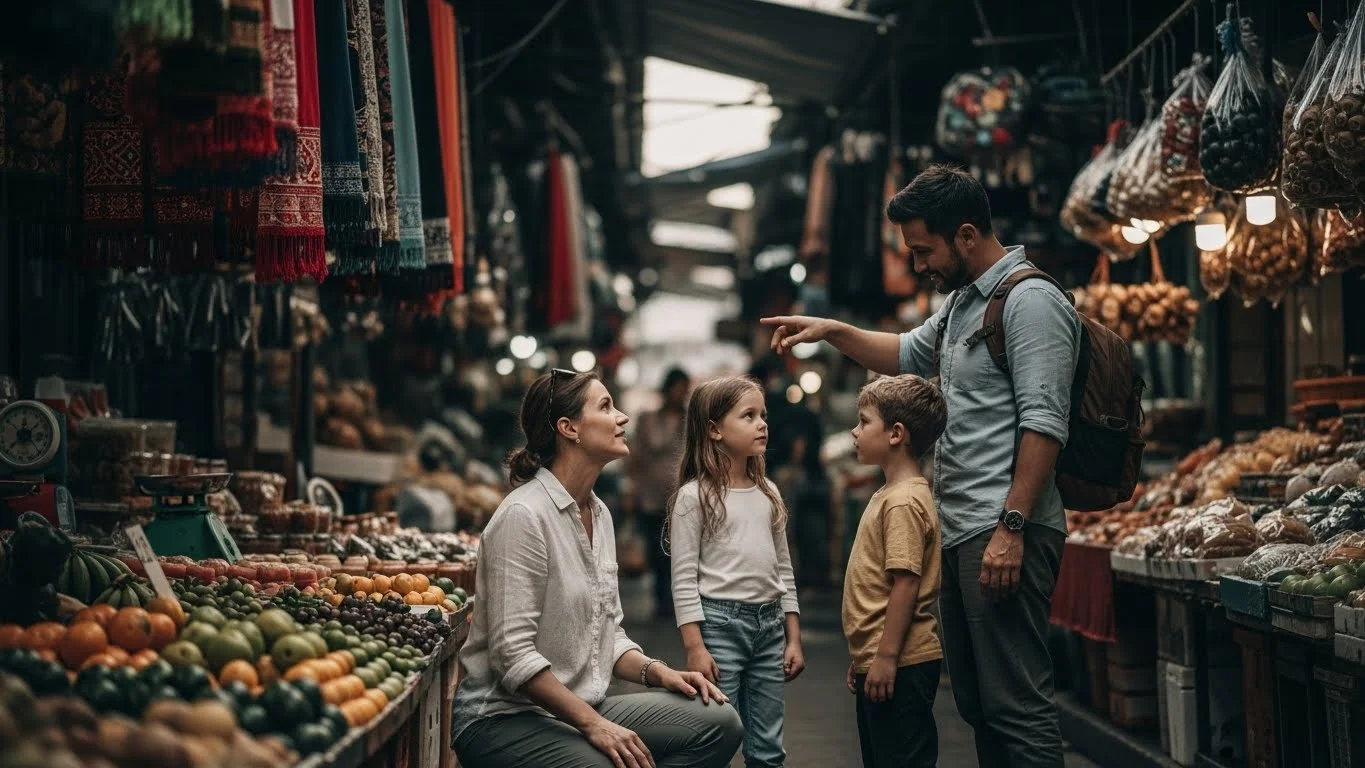
For instance, I’ve noticed that when I set clear limits on where my kids can wander during a city tour, they feel more secure. They know they can explore but within a safe perimeter. This not only keeps them safe but also helps me relax, knowing they are within reach. Establishing boundaries allows us to enjoy our travels more fully, fostering a sense of adventure without compromising safety.
Preparing for Travel: Establishing Ground Rules
Before hitting the road, I believe it’s essential to lay the groundwork for our travel experience. Setting rules and expectations early on can make a significant difference in how smoothly our trip unfolds.
Involving Children in the Planning Process
One of the first things I recommend is to involve your children in the planning process. This can make them feel more engaged and invested in the trip. I remember sitting down with my kids and showing them the itinerary. We discussed what places we’d visit and what they were excited about. By including them in the decision-making, they felt empowered, and it made them more likely to adhere to the boundaries we set.
Communicating Expectations Clearly
Once we’ve included the kids in the planning, it’s time to communicate expectations clearly. This means being specific about what behavior is acceptable and what isn’t. For example, I often tell my kids, “When we’re at the museum, you can explore, but let’s agree that you’ll stay within sight.” This clarity helps them understand what’s expected and gives them a sense of security.
Creating a Family Travel Agreement
In our family, we’ve found it helpful to create a “Family Travel Agreement.” This isn’t a formal contract, but rather a fun way to outline our travel rules together. We gather as a family and come up with a list of dos and don’ts for our trip. It might include rules like “no running in crowded areas” or “we’ll check in with each other every hour.” Having this visual representation of our agreements makes it easier for everyone to remember what we discussed, and it fosters accountability.
This practice has not only set the tone for our travels but has also led to some memorable discussions and laughter. I remember one trip where my youngest suggested we all agree to “try one new food,” which turned into a fun culinary adventure!
Packing Light: Essentials for Parents and Kids
Now that we’ve laid the groundwork for our travel experience, let’s talk about packing. Traveling light is all about efficiency and necessity. I’ve learned that the right gear can make all the difference, so here are my go-to tips.
Choosing Multi-Functional Gear
When it comes to packing, I always look for multi-functional gear. For example, I love backpacks that can double as a diaper bag or a daypack for kids. This saves space and reduces the number of items we need to carry. I also seek out clothing that can be mixed and matched, allowing for versatile outfits without overpacking. In our family, we’ve found that one or two quality items can serve multiple purposes, which simplifies our travel experience.
Clothing and Accessories for Travel
Packing the right clothing is crucial, particularly for our children. I focus on breathable fabrics and comfortable shoes since we often find ourselves walking a lot. Layering is key; I remember an instance where we traveled to a place with unpredictable weather, and having layers saved us from discomfort. I always include a light jacket and a hat for the kids, just in case. These small pieces can make a big difference in keeping everyone comfortable.
Toys and Entertainment that Travel Well
Keeping kids entertained while traveling is a must, but packing their entire toy collection is unrealistic. I’ve learned to choose a few compact toys and activities that spark their interest. Travel-size games, coloring books, or even an e-reader loaded with their favorite stories can keep them engaged during long stretches. I remember one trip where a simple deck of cards became a bonding activity, turning downtime into family fun. Read Interesting article: Top 7 Strategies to Handle Defiance in Kids While Traveling
Traveling Smart: Setting Daily Boundaries
As we embark on our adventures, I’ve found that daily boundaries are just as crucial as the ones we set before we even leave home. Each day brings its own challenges and excitement, and having a framework in place can help us navigate everything from meal times to outings.
Designating Family Time vs. Personal Time
With the hustle and bustle of travel, it’s easy to lose sight of our individual needs. That’s why I prioritize designating family time and personal time. I remember one trip where the entire family was excited to explore a new city, but I quickly noticed that my kids were becoming cranky and tired from a packed schedule. So, we decided to carve out some personal time each day. This meant that after breakfast, we would spend a couple of hours together visiting a museum or a park, and then the afternoon would be free for everyone to choose their own activities. I’d take a moment to read, while my kids might play in the hotel pool or watch a movie. This balance kept our spirits high and allowed us to recharge, making family time even more enjoyable.
Setting Limits on Screen Time
In today’s digital age, screens are always tempting, especially for kids on the go. I’ve learned that setting limits on screen time during travel can be a game-changer. It’s easy to fall into the habit of handing over a tablet during long car rides or flights, but I find that too much screen time can lead to restlessness and irritability. Instead, I set clear boundaries around when and how long devices can be used. For example, we might agree that screens are okay for the last hour of a long journey, but before that, we’ll play games, tell stories, or engage in conversations. This not only keeps our family connected but also enhances the overall travel experience.
Establishing Quiet Hours During Travel
Travel can be exciting, but it can also be overwhelming. I find that establishing quiet hours can help everyone unwind and de-stress. After a full day of exploring, we often designate an hour or so in the evening for quiet activities. This could be reading, journaling, or simply relaxing in our accommodations. I remember one evening when we were in a bustling city; after a long day of walking, we all needed a moment of peace. We gathered in our hotel room, turned off the TV, and cozied up with some books. It was a lovely way to reflect on our day, and it made us feel more centered as we prepared for whatever adventures awaited us the next day.
Navigating New Environments: Safety and Comfort Boundaries
When we travel, we often find ourselves in unfamiliar places, which can be both thrilling and daunting. Establishing safety and comfort boundaries helps my kids feel secure and empowers them to explore their surroundings.
Teaching Kids About Stranger Danger
One of the first lessons I instill in my children during our travels is about stranger danger. It’s essential for them to understand the importance of being cautious in new environments. I take the time to have open conversations about recognizing safe and unsafe situations. For instance, we discuss how to identify trustworthy adults and what to do if they ever feel uncomfortable. I remember a time when my youngest was approached by a vendor while we were at a busy market. Thanks to our discussions, he knew to stay close to me and to seek help if needed. This proactive approach gives me peace of mind and helps my children feel empowered.
Identifying Safe Spaces in New Locations
Before we even step foot into a new city, we take a moment to identify safe spaces. This could be the hotel, a nearby café, or any familiar landmark. I often point out these places to my kids so they know where to go if they feel lost or need a break. I remember arriving at a busy tourist destination and immediately locating a nearby park as our safe haven. Just knowing that we had a spot to regroup made us all feel more relaxed and willing to explore. We often use these safe spaces to take a breath, hydrate, and simply enjoy each other’s company.
Setting Boundaries for Exploring Independently
As my children grow older, I find that allowing them some independence becomes essential. However, I always make sure to set boundaries around their exploration. I usually establish a safe radius for them to roam, combined with check-in points. For example, I might say, “You can go to the playground across the street, but let’s agree to meet back here in 30 minutes.” This not only fosters their independence but also reassures me that they are safe. It gives them the confidence to explore while knowing they have a designated spot to return to. I recall a trip where this approach led to some incredible adventures, as my kids discovered a little ice cream shop nearby that became our favorite stop during the trip!
Handling Conflict: Tips for Maintaining Boundaries
Traveling with kids is not just about exploring new places; it’s also about navigating the occasional conflict that arises when expectations don’t meet reality. I’ve learned that handling conflicts effectively is an essential part of maintaining boundaries during our adventures. Here are some tips that have worked for us.
Recognizing Triggers and Stress Points
Every family has its unique triggers, and I’ve found it incredibly helpful to recognize what these might be before they escalate into bigger issues. For example, I know that my kids tend to become irritable when they’re hungry or tired. During our travels, I try to anticipate their needs by keeping snacks handy and scheduling regular breaks. I recall one trip where we were at a theme park, and after a few hours of excitement, the kids started to get cranky. Realizing we hadn’t taken a break for lunch, I quickly suggested we find a shaded spot to eat. Not only did it resolve the immediate conflict, but it also reminded us all that staying nourished and rested was part of our travel plan.
Using Positive Reinforcement
Whenever I set boundaries, I try to focus on positive reinforcement rather than just the rules themselves. Acknowledging and rewarding good behavior can go a long way in keeping the peace. For instance, I may say, “I’m really proud of you for staying close during our walk today!” This not only reinforces the behavior I want to see but also boosts their confidence. On our last trip, I decided to introduce a reward system where the kids could earn small prizes for following our travel agreement. They could choose a fun activity or a small souvenir, and this motivated them to adhere to our boundaries more willingly. Read Interesting article: Effective Time-Out Strategies for Peaceful Parenting
Strategies for Calming Emotional Situations
No matter how well we plan, emotional situations can arise. I remember one time when my daughter felt overwhelmed in a crowded market. She started to cry, and I knew we needed to act fast. Instead of getting frustrated, I calmly took her aside, away from the noise. I helped her take deep breaths and encouraged her to talk about what she was feeling. This moment not only helped her calm down, but it also allowed us to connect emotionally. I’ve found that sometimes, just taking a step back and giving kids a safe space to express their feelings can prevent conflicts from spiraling.
Post-Travel Reflection: Evaluating Boundaries
Once we return from our travels, I think it’s essential to reflect on our experiences and evaluate how our boundaries worked for us. This practice has helped us grow as a family and improved our future trips.
Discussing What Worked and What Didn’t
After each trip, I like to sit down with my family and discuss what boundaries were successful and which ones we struggled with. I encourage everyone to share their thoughts openly. I remember one trip where we had a blast but had a hard time with screen time restrictions. By talking about it, we were able to come up with a new plan for our next adventure. It’s a great opportunity to celebrate the moments that went well while acknowledging the areas that need improvement. This open dialogue reinforces that everyone’s opinion matters and fosters a sense of teamwork.
Adjusting Boundaries for Future Travels
Based on our discussions, I often find that our boundaries need tweaking for future trips. Kids grow, their interests change, and what worked last year might not suit their needs now. For example, my son, who once preferred to stick close to us, has started asking for more independence. During our reflections, we decided to adjust our exploration boundaries to give him a bit more freedom while still ensuring his safety. I believe this adaptability is crucial in helping children feel respected and heard as they grow.
Encouraging Open Communication After the Trip
Traveling can stir up a lot of emotions, and I feel it’s vital to keep the lines of communication open even after we’ve returned home. I encourage my kids to share their feelings about the trip—what they loved, what scared them, and what boundaries they found helpful or restrictive. This ongoing dialogue helps them feel validated and allows us to create a better travel experience next time. I remember a heartfelt conversation with my daughter where she expressed how much she appreciated our quiet hours. It gave her time to recharge and reflect on her experiences, which made her feel more connected to the journey.
Frequently Asked Questions
Why are boundaries important when traveling with kids?
Boundaries provide a sense of stability for children during travel, reassuring them that there are rules and expectations even in unfamiliar environments. This helps reduce anxiety and creates a more enjoyable experience for the whole family.
What are some effective ways to set boundaries before traveling?
Effective ways to set boundaries include involving children in the planning process, clearly communicating expectations, and creating a fun “Family Travel Agreement” that outlines dos and don’ts for the trip.
How can parents pack efficiently while traveling with kids?
Parents can pack efficiently by choosing multi-functional gear, packing breathable clothing and comfortable shoes, and selecting a few compact toys or activities that can keep kids entertained during travel.
What strategies can help manage screen time during travel?
Setting clear limits on when and how long screens can be used can help manage screen time. For example, screens can be permitted for the last hour of a long journey, while engaging in games or conversations beforehand enhances family connection.
How can parents teach kids about safety in new environments?
Parents can teach kids about safety by discussing stranger danger, identifying safe spaces in new locations, and setting boundaries around independent exploration to ensure kids feel secure while navigating unfamiliar areas.
What are some tips for handling conflict while traveling?
To handle conflict, parents can recognize triggers and stress points, use positive reinforcement to promote good behavior, and have strategies in place for calming emotional situations, such as taking breaks or allowing kids to express their feelings.
Why is it important to reflect on boundaries after a trip?
Reflecting on boundaries after a trip helps families evaluate what worked and what didn’t, allowing for adjustments in future travels. Open discussions reinforce teamwork and validate everyone’s opinions, contributing to better travel experiences.
How can families adjust boundaries based on children’s growth and changing interests?
Families can adjust boundaries by discussing experiences from previous trips and recognizing that children’s interests and comfort levels evolve. This adaptability helps children feel respected and heard as they grow.
What role does communication play after returning from a trip?
Open communication after a trip allows kids to share their feelings about the experience, including what they enjoyed or found challenging. This ongoing dialogue helps validate their emotions and contributes to improved travel planning in the future.
What are some examples of boundaries that can be set during travel?
Examples of boundaries include setting limits on where kids can wander during outings, designating family versus personal time, establishing quiet hours, and creating rules for acceptable behavior in public spaces.