
Finding healthy snacks for kids can sometimes feel like a challenge, especially when we want them to be both nutritious and appealing. Fortunately, I’ve discovered that simple DIY snacks with five ingredients or fewer can be a game changer for busy parents! Read Interesting article: 10 DIY Healthy Snacks for Kids That They’ll Actually Love
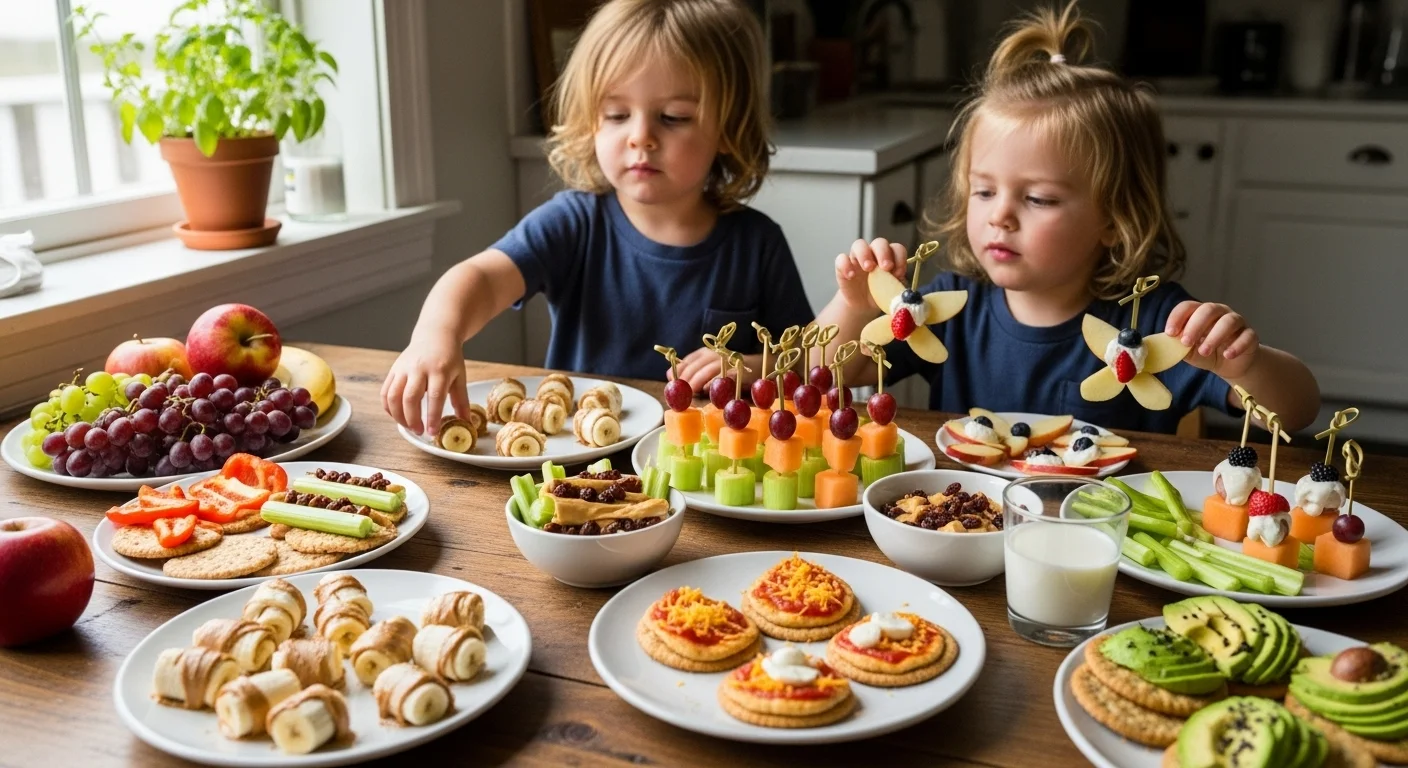
Overview of Healthy Snacks for Kids
Importance of Healthy Snacking for Children
As a parent, I’ve always believed that what we feed our children significantly influences their growth, energy levels, and overall well-being. Healthy snacks are essential for kids because they provide the nutrients needed for their rapidly developing bodies and brains. I’ve noticed that when my kids eat well, they tend to have better focus and are more active throughout the day. It’s not just about keeping them full; it’s about fueling their adventures!
Children under five are particularly prone to erratic eating habits. They may not always eat a full meal, so having healthy snacks on hand ensures they get the vitamins and minerals they need. Snacks can bridge the gap between meals, keeping their energy up and their tummies satisfied. I’ve seen firsthand how a well-timed snack can prevent meltdowns and crankiness in my little ones!
Benefits of DIY Snacks
One of the best decisions I made was to start preparing DIY snacks for my kids. Not only do they save money, but they also allow me to control the ingredients and avoid hidden sugars or preservatives often found in store-bought snacks. Whenever I whip up a batch of homemade goodies, I feel empowered knowing exactly what my kids are consuming. Read Interesting article: Budget-Friendly DIY Healthy Snacks for Happy Kids
Moreover, making snacks together can be a fun bonding experience! I’ve found that my kids are more likely to try new foods when they’ve had a hand in creating them. Plus, it teaches them about healthy eating habits and can even spark their interest in cooking. Who doesn’t love a kitchen adventure, right?
Key Ingredients for Simple Snacks
Fruits
Fruits are one of my go-to ingredients for healthy snacks. They’re naturally sweet, packed with vitamins, and require minimal preparation. I usually keep a variety of fresh fruits on hand. Apples, bananas, berries, and oranges are some of our favorites. I love slicing up apples and serving them with peanut butter for a delightful and nutritious treat that my kids can’t resist!
Vegetables
Vegetables are another essential component of healthy snacking. While my kids might not always reach for a carrot stick, when I pair them with a fun dip like hummus or yogurt, they become much more appealing. I often experiment with different veggies, from crunchy cucumbers to colorful bell peppers, making it a colorful and enjoyable snack time. I’ve noticed that the more variety I offer, the more excited my kids are about trying new things!
Nuts and Seeds
Nuts and seeds are fantastic sources of healthy fats and proteins. I usually have a stash of almonds, walnuts, and sunflower seeds in the pantry. They make great snacks on their own, but I also love mixing them with dried fruits for a homemade trail mix. Just a handful can keep my kids satisfied and energized. However, I always keep an eye on portions, as they’re calorie-dense. It’s all about balance!
Dairy Products
Dairy is another key ingredient in our snack rotation. Items like yogurt and cheese are not only nutritious but also incredibly versatile. I often use yogurt as a base for parfaits or smoothies, which my kids find appealing. They love the idea of layering yogurt with fruits and granola. Cheese, on the other hand, can be paired with whole grain crackers for a filling snack. Cheese sticks are also a favorite in our house!
Whole Grains
Whole grains are an essential part of my kids’ diet and make for excellent snacks. I often choose whole grain crackers, popcorn, or oatmeal. I’ve discovered that adding a sprinkle of cinnamon or some melted dark chocolate to plain popcorn makes it a favorite movie night treat. Whole grains provide lasting energy, which is great for my kids’ active playtimes!
In the end, having a well-stocked pantry filled with these key ingredients has made it easier for me to whip up simple, healthy snacks for my kids. I’ve learned that by keeping things simple and focusing on whole foods, I can provide delicious options that my kids love. Now, I’m excited to share some of my favorite simple DIY snack recipes in the next section!
Easy DIY Snack Recipes
Fruity Snacks
Apple Peanut Butter Bites
One of my all-time favorite snacks to prepare is Apple Peanut Butter Bites. It’s so simple yet incredibly satisfying! I take a fresh apple and slice it into rounds, removing the core. Then, I spread a layer of creamy peanut butter on one side and sprinkle some granola or raisins on top. I love how the crunchy granola adds texture, and my kids adore the combination of sweet and nutty flavors. It’s a snack that feels like a treat but is packed with nutrients!
Banana Oatmeal Cookies
Another fantastic recipe I stumbled upon is for Banana Oatmeal Cookies. All you need are ripe bananas, oats, and a sprinkle of cinnamon. I mash the bananas in a bowl, mix in the oats, and drop spoonfuls onto a baking sheet. After a quick bake in the oven, I have soft, chewy cookies that my kids can enjoy any time of the day. They’re sweet enough to satisfy a sugar craving but healthy enough to feel good about serving them!
Veggie Snacks
Cucumber and Hummus Cups
When it comes to veggies, I’ve found that Cucumber and Hummus Cups are a hit in our house. I cut cucumbers into thick slices and scoop out a bit of the center to create little cups. Then, I fill each cup with hummus. Not only does it look fun, but it’s also a great way for my kids to enjoy their vegetables. They love dipping the cucumber cups into the hummus, and it’s a refreshing snack that’s perfect for warm days!
Carrot Sticks with Yogurt Dip
Carrot sticks are another go-to for us, especially when paired with a yogurt dip. I just slice up some carrots and whip up a quick dip using plain yogurt mixed with a hint of ranch seasoning. It’s amazing how a simple dip can transform plain veggies into something my kids eagerly munch on. I often serve it as part of a colorful veggie platter, which makes snack time more exciting!
Nuts and Seeds Snacks
Trail Mix with Dried Fruits
Trail mix is a versatile and easy snack that I can customize based on what we have at home! I combine nuts, seeds, and dried fruits, and sometimes even a few dark chocolate chips for a touch of sweetness. My kids love picking out their favorite ingredients, and I enjoy knowing they’re getting healthy fats and energy-boosting snacks. It’s perfect for our family outings or just for munching during movie nights!
Nut Butter Energy Bites
Nut Butter Energy Bites are another favorite in our house. I mix together oats, nut butter, honey, and a handful of chocolate chips. I roll the mixture into small balls and pop them in the fridge. They’re bite-sized, easy to grab, and provide a great energy boost before or after activities. I often find my kids sneaking them from the fridge — and I can’t blame them, they’re that good!
Dairy Snacks
Yogurt and Berry Parfaits
Yogurt and Berry Parfaits are not only delicious but also visually appealing. I layer Greek yogurt with fresh berries and a sprinkle of granola in clear cups to create a colorful treat. My kids get excited about the layering process, and it makes them more inclined to eat it. Plus, it’s a great way to sneak in protein and antioxidants, and I love how easy it is to prepare for breakfast or snacks!
Cheese and Whole Grain Crackers
Cheese and whole grain crackers are a classic snack that never gets old. I like to slice cheese into fun shapes or cubes and serve it alongside whole grain crackers. Sometimes, I add a few slices of apple or a handful of grapes for a complete and satisfying snack. It’s quick, easy, and my kids enjoy the combination of flavors!
Whole Grain Snacks
Popcorn with Nutritional Yeast
Popcorn is a fantastic whole grain snack that I love to make. I pop it fresh and sprinkle it with nutritional yeast for a cheesy flavor without the cheese. My kids think it’s a fun treat, and I feel good about serving it as a healthy alternative to chips. It’s perfect for our family movie nights, and it’s so easy to make!
Rice Cakes with Avocado Spread
Rice Cakes with Avocado Spread have become a trendy and nutritious snack in our home. I simply mash some avocado and spread it over rice cakes. Sometimes, I even add a sprinkle of salt and pepper or a few cherry tomatoes on top. It’s creamy, crunchy, and packed with healthy fats. My kids love the vibrant green color, and it’s a great way to introduce them to avocados!
Tips for Preparing Healthy Snacks
Involving Kids in Snack Preparation
I’ve found that getting my kids involved in the kitchen is one of the best ways to make healthy snacks more appealing. When they participate in preparing their own snacks, they take ownership of what they eat, and they’re often more excited to try new things. For instance, I let them choose which fruits to include in their yogurt parfaits or which veggies to slice for dipping. The other day, my youngest decided to layer strawberries and blueberries, and it turned into a colorful masterpiece! I’ve noticed that when they feel like they’re part of the process, they’re more willing to taste their creations.
Simple tasks like washing fruits and vegetables or pouring ingredients into a bowl are perfect for little hands. I remember the first time I let my kids help make the Banana Oatmeal Cookies; they were thrilled to mash the bananas and mix everything together. It turned into a fun memory, and they couldn’t wait to eat the cookies once they came out of the oven!
Making Healthy Snacks Fun and Appealing
Presentation matters! I’ve come to realize that making snacks visually appealing can significantly impact my kids’ eagerness to eat them. I like to use colorful plates or fun-shaped cookie cutters to make fruits and veggies look more enticing. One of our favorite tricks is to create fruit skewers, where we alternate pieces of pineapple, grapes, and strawberries on a stick. It turns into a fun, finger-friendly treat that my kids love, and it’s an easy way to incorporate different fruits.
Another idea I’ve tried is making “funny faces” on whole grain toast using slices of cheese, olives, and bell peppers. My kids giggle and enjoy eating their silly creations. I’ve learned that the more playful I can be with snacks, the more engaged and excited my kids become about healthy eating!
Storing and Packing Snacks for Freshness
Keeping snacks fresh and ready to go is crucial, especially for busy days. I’ve developed a little system that works wonders for us. I like to set aside some time each week to prepare snacks in advance. I portion out nuts into small containers or bags, cut up veggies, and make mini fruit cups. Having everything ready to grab makes it so much easier to stick to healthy choices when we’re on the go.
For fruits that might brown, like apples, I’ve found that a quick dip in lemon juice can help preserve their color. I pack these in airtight containers, so they stay fresh longer. I also use snack-sized Tupperware for yogurt or dips, which makes it easy to take along in lunchboxes or for family outings. I remember one picnic where I packed a variety of snacks, and my kids devoured everything rather than reaching for junk food because they had delicious options at their fingertips!
Addressing Common Concerns
Allergies and Dietary Restrictions
As a parent, I know how important it is to be aware of food allergies and dietary restrictions. I’ve found that, even if my kids don’t have any allergies, it’s wise to understand what to look out for. I always read labels carefully when it comes to packaged snacks, and I try to incorporate snacks that are naturally free from common allergens, like gluten and nuts, where necessary. I keep options like rice cakes and veggie sticks handy for friends who visit and might have dietary restrictions.
It’s also essential to teach my kids about allergies and why certain friends might not be able to eat specific foods. This awareness helps them develop empathy and respect for others’ needs, and it’s another great opportunity for learning!
Managing Sugar Intake
I’ve realized that managing sugar intake is vital in creating a healthy snacking routine. I make it a point to limit added sugars, especially in snacks. Instead, I focus on natural sweetness from fruits or use a small amount of honey or maple syrup in recipes when needed. For example, when making the Nut Butter Energy Bites, I use just enough honey to hold everything together without overpowering the flavors.
We also talk about what sugary treats are and how they can fit into a balanced diet. I believe in moderation, so I allow my kids to enjoy desserts occasionally, but I encourage them to choose healthier snacks most of the time. By keeping sugary snacks out of the house, I’ve noticed my kids gravitate toward fruits and other wholesome options instead!
Ensuring Balanced Nutrition
Balancing nutrition is key when it comes to snacking. I try to make sure that each snack includes a mix of protein, healthy fats, and carbohydrates. For instance, I pair cheese with whole grain crackers or yogurt with fruit. This balance helps keep my kids full longer and provides them with the energy they need for their busy days.
I also encourage variety in their snacks. I’ve found that by rotating through different types of snacks—fruits, veggies, whole grains, and proteins—I can provide a well-rounded diet that helps my kids learn about different food groups and their benefits. If we have a snack that’s heavy on carbs one day, I try to balance it out with more protein or healthy fats the next. This approach keeps things interesting and nutritious!
Final Thoughts
Creating a healthy snacking habit for our kids has been a rewarding journey for me. I’ve seen how the right snacks can influence their mood, energy levels, and overall health. By focusing on fresh, whole ingredients and involving my children in the preparation process, I’ve not only made snack time healthier but also more enjoyable. It’s a win-win situation!
One of the biggest lessons I’ve learned is that it’s all about balance and variety. I try to keep things interesting by rotating different snacks and encouraging my kids to explore new flavors and textures. The more they experiment, the more they develop their taste for healthy foods. It’s amazing to witness their excitement when they try something new, and it often leads to them asking for that snack again!
Our family has made it a tradition to have a “snack day” where we experiment with new recipes together. Sometimes, we even have a friendly little competition to see who can come up with the most creative snack. This not only keeps our snack options fresh but also strengthens our bond as a family. I cherish those moments in the kitchen, laughing and creating memories while preparing healthy snacks that we can all enjoy.
As I reflect on this journey, I realize how important it is to communicate with our kids about food. I talk to them about why we choose certain snacks and the benefits they provide. This approach encourages them to make mindful choices as they grow older. I believe that teaching them about nutrition now lays the groundwork for a healthy relationship with food in the future.
For anyone navigating the path of healthy snacking, I encourage you to embrace the process. It might take some trial and error to find out what works best for your family, but don’t get discouraged. There will be snacks that your kids love and others that might not be a hit. The important thing is to keep trying and to celebrate the small victories. Over time, you’ll create a pantry filled with delicious, nutritious snacks that your kids genuinely enjoy. Read Interesting article: Healthy and Affordable Snacks for Active Kids
In the end, healthy snacking is not just about the food we offer our kids, but also about the habits we instill and the memories we create along the way. So let’s embrace this adventure together, one tasty snack at a time!
Frequently Asked Questions
What are the benefits of healthy snacking for children?
Healthy snacks provide essential nutrients needed for children’s growth, energy levels, and overall well-being. They help bridge the gap between meals, keeping energy levels up and preventing crankiness in kids.
Why are DIY snacks better than store-bought snacks?
DIY snacks save money and allow parents to control the ingredients, avoiding hidden sugars and preservatives. They also provide a fun bonding experience and can encourage kids to try new foods.
What are some key ingredients for making healthy snacks?
Key ingredients for healthy snacks include fruits, vegetables, nuts and seeds, dairy products, and whole grains. These ingredients provide a variety of nutrients and flavors for kids.
How can involving kids in snack preparation help?
Involving kids in snack preparation makes them more excited to try new foods and take ownership of what they eat. Simple tasks like washing fruits or mixing ingredients can create fun memories and encourage healthy eating habits.
What are some easy DIY snack recipes?
Some easy DIY snack recipes include Apple Peanut Butter Bites, Banana Oatmeal Cookies, Cucumber and Hummus Cups, and Yogurt and Berry Parfaits. These snacks are simple to prepare and appealing to kids.
How can presentation impact kids’ willingness to eat healthy snacks?
Making snacks visually appealing can significantly increase kids’ eagerness to eat them. Fun shapes, colorful plates, and playful arrangements can make healthy snacks more enticing.
What tips can help keep snacks fresh for busy days?
Preparing snacks in advance and storing them in airtight containers can keep them fresh. Portioning out nuts, cutting up veggies, and using lemon juice to prevent browning are effective strategies.
How can parents manage their children’s sugar intake?
Parents can manage sugar intake by limiting added sugars and focusing on natural sweetness from fruits. Using small amounts of honey or maple syrup in recipes is also a good approach.
What is the importance of balanced nutrition in snacks?
Balanced nutrition in snacks ensures kids receive a mix of protein, healthy fats, and carbohydrates. This balance helps keep them full longer and provides necessary energy for their activities.
How can parents create a positive relationship with food for their kids?
Parents can create a positive relationship with food by communicating the benefits of healthy snacks, involving kids in the cooking process, and encouraging exploration of new flavors and textures.