
Supporting your toddler’s language development can be both rewarding and fun. Simple activities and interactions can make a significant difference in how they learn to communicate. Let’s explore some effective ways to nurture their budding language skills!
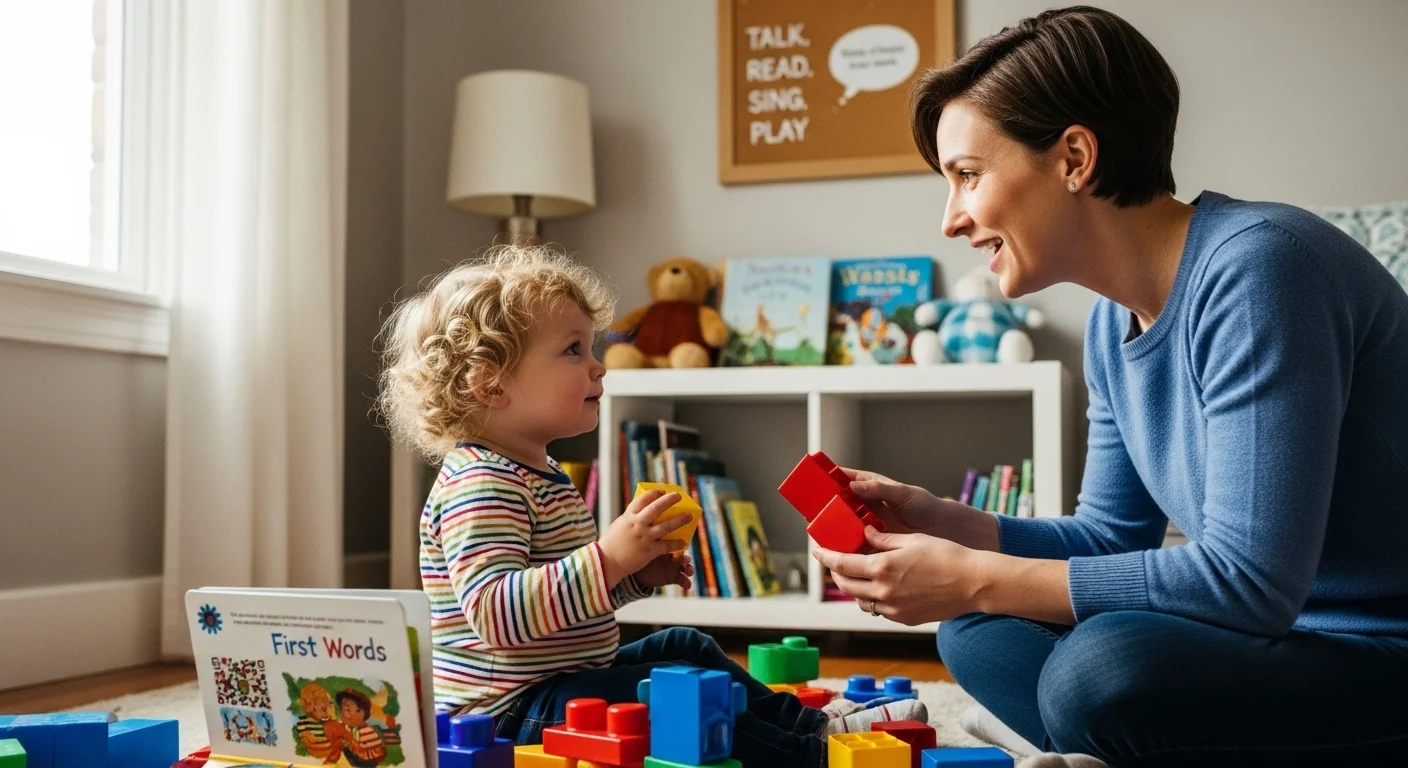
Understanding Language Development in Toddlers
What is Language Development?
Language development is the process through which toddlers learn to communicate with others. It involves not just learning words but also understanding how to use them to express thoughts, feelings, and needs. I remember when my little one first started babbling; it was such a joyful experience! They went from simple sounds to stringing words together in no time. This journey is essential because it lays the foundation for effective communication throughout their lives. When we talk about language development, we’re looking at a combination of skills, including vocabulary, grammar, pronunciation, and even the social cues that come with conversation. In my experience, I’ve noticed that the more I engaged with my toddler, the more confident they became in their ability to express themselves. Tracking Your Toddler’s Language Development Milestones Easily can also provide valuable insights into this process.Stages of Language Development
Language development occurs in several stages, and understanding these can help us support our toddlers better. Typically, toddlers start with cooing and babbling around six months. By their first birthday, many begin to say their first words. I recall when my child said “mama” for the first time—it melted my heart! As they approach two years old, most toddlers can use two to three-word phrases and understand many more words than they can say. It’s fascinating to watch how quickly they pick up new vocabulary. By the time they reach three years, they often form complete sentences and can engage in simple conversations. I’ve found that celebrating these milestones, no matter how small, encourages my toddler to keep trying. Unlocking Language: Key Milestones in Toddler Speech Development offers further breakdowns of these stages.Importance of Early Language Skills
Early language skills are crucial for several reasons. First, they set the stage for literacy, which plays a vital role in academic success later on. I’ve seen firsthand how reading to my toddler daily not only enhances their vocabulary but also fosters a love for books. It’s a beautiful way to bond with them while promoting learning at the same time. Moreover, strong language skills help toddlers develop social skills. They learn how to convey their feelings, make friends, and navigate the world around them. From my perspective, encouraging language development early on can lead to better emotional intelligence, helping children to articulate their thoughts and feelings as they grow. Supporting language development is not just about teaching words; it’s about nurturing a love for communication. I believe that when we make learning fun and engaging, it naturally leads to more significant growth.Simple Activities to Encourage Language Skills
Reading Together: The Importance of Storytime
Reading together is one of the most effective ways to support language development. I cherish our nightly storytime routine; it’s a time for us to connect and explore different worlds through books. When I read, I try to use expressive voices, ask questions about the pictures, and encourage my toddler to predict what might happen next. This interactive approach not only keeps them engaged but also enhances their understanding of storytelling and vocabulary. I’ve found that choosing a variety of books—such as picture books, rhymes, and even simple non-fiction—can introduce new words and concepts. This diversity in reading material keeps things fresh and exciting for my little one and helps expand their language skills in a natural way.Using Everyday Conversations
Another simple yet powerful way to support language development is through everyday conversations. I make it a point to talk to my toddler throughout the day, whether we’re running errands, cooking, or even playing. I describe what I’m doing, ask them questions about their thoughts, and encourage them to respond. This not only builds their vocabulary but also helps them learn the rhythms of conversation. For instance, when we’re at the grocery store, I might say, “Look at those red apples! Do you want to pick one?” I’ve noticed that this approach encourages my toddler to think about language in context, allowing them to make connections between words and their meanings.Encouraging Play-Based Learning
Play is such a natural and effective way for toddlers to learn. I’ve seen how creative play can spark imagination and language skills. We often play games that involve role-playing, like playing house or pretending to be animals. During these activities, I encourage my toddler to talk about what they are doing. For example, when we play with dolls, I prompt them to describe the situation: “What is the doll doing? Where is she going?” This not only helps with vocabulary but also allows them to express thoughts and ideas. I’ve found that the more they engage in imaginative play, the more confident they become in using words to express their narratives.Listening to Music and Singing Songs
Music is a wonderful tool for language development. I love singing songs and nursery rhymes with my toddler. Not only is it fun, but it also helps with memory and rhythm, which are essential for language skills. We often dance around the living room, singing our favorite songs, and I notice how quickly my child picks up new words and phrases. I recommend incorporating music into daily routines. Whether it’s during playtime, bath time, or car rides, singing along to catchy tunes can make learning vocabulary feel effortless. Plus, it creates joyful moments that we can both cherish. The journey of supporting a toddler’s language development is filled with delightful experiences. By engaging in simple activities like reading together, having conversations, encouraging play, and singing, we can create a rich environment that fosters their growing language skills. I feel lucky to be a part of this incredible process, and I know that with patience and love, we can help our toddlers thrive in their communication abilities.Creating a Language-Rich Environment
Labeling Objects Around the Home
One of the easiest and most effective ways to support my toddler’s language development is by labeling objects around our home. I decided to take this approach after realizing how much my little one enjoys exploring and asking questions. By sticking simple labels on common items like “door,” “table,” or “chair,” I turn our house into a mini learning space. Every time my child sees a labeled object, I encourage them to read the word out loud. I also use these opportunities to expand on the word by describing the object further. For instance, I might say, “That’s the ‘fridge’. It keeps our food cold!” This not only helps with vocabulary but also reinforces their understanding of the function of these items in our daily life. I’ve noticed that this simple technique fosters curiosity and promotes language skills effortlessly.Incorporating Educational Toys
Another strategy I’ve found effective is incorporating educational toys that promote language skills. I’ve discovered a treasure trove of toys designed to enhance vocabulary and promote communication. Toys that involve storytelling, like puppets and action figures, allow my toddler to express their imagination while also practicing dialogue. For example, we have a set of animal figurines that we use for storytelling. I ask my child to create a story where the animals interact, which encourages them to use descriptive language. I’ve seen how these toys not only make learning fun but also encourage my toddler to think critically and creatively. It’s amazing how a little creativity can turn playtime into a valuable language lesson!Using Technology Wisely: Apps and Audiobooks
In this digital age, I believe it’s important to use technology wisely. I’ve found some fantastic educational apps and audiobooks that help with language development. These resources can be engaging and interactive, which makes learning feel more like a game than a chore. During our screen time, I choose apps that focus on vocabulary building and storytelling. I’ve noticed that my toddler gets excited when they can interact with characters and help them solve problems using words. Additionally, we enjoy listening to audiobooks together. I love how they stimulate my child’s imagination while also exposing them to new vocabulary and storytelling styles. I always make sure to discuss the stories afterward, which reinforces comprehension and encourages my child to express their thoughts. I know that balancing screen time is essential, but I feel confident that when used appropriately, technology can be a valuable tool in our language-rich environment.Engaging with Your Toddler
Asking Open-Ended Questions
Asking open-ended questions is a game-changer in how I engage with my toddler. Rather than just asking yes-or-no questions, I try to encourage deeper thinking and creativity. For example, instead of asking, “Did you like the park today?” I might ask, “What was your favorite part of the park, and why?” I’ve noticed that this approach not only prompts my child to express their thoughts in detail but also helps them practice using more complex sentence structures. It sparks conversations that can lead to delightful discussions about their experiences and feelings. I feel that creating a safe space for them to share their ideas without judgment fosters a love for communication.Practicing Turn-Taking in Conversation
Another aspect I focus on is practicing turn-taking in our conversations. I aim to model this behavior by responding thoughtfully when my toddler speaks. I’ve learned that waiting for them to finish their thoughts before jumping in shows them the importance of listening. For instance, during our play sessions, I allow pauses for them to think and respond. This practice reinforces that conversations are a two-way street. I’ve found that it helps build their confidence in sharing ideas and encourages them to articulate their thoughts more clearly. It’s rewarding to see my toddler become more engaged and willing to express themselves as they learn the rhythm of conversation.Encouraging Descriptive Language
Encouraging my toddler to use descriptive language has been a fun journey. I often prompt them to describe what they see or feel. For example, when we’re outside, I might say, “Can you tell me what color the flowers are and how they smell?” I’ve found that this practice helps expand their vocabulary and encourages them to think more critically about their surroundings. It’s fascinating to hear them use words like “fragrant” or “vibrant” as they begin to express their observations. I believe that the more we encourage this descriptive language, the more confident they become in using language creatively. Language development is such a fascinating journey, and I feel privileged to witness my toddler’s growth. By creating a language-rich environment and engaging with them through various strategies, I know we can nurture their communication skills effectively. Each little milestone brings us closer, and I can’t wait to see where this adventure takes us next!Signs of Language Delays
When to Seek Professional Help
As much as I love witnessing my toddler’s language development, I also understand that every child is unique, and sometimes, things don’t progress as expected. I remember feeling a bit anxious when my child wasn’t hitting certain milestones at the same time as their peers. It’s completely normal to worry about our little ones, but it’s essential to know when to seek professional help. I think a good rule of thumb is to keep an eye on those milestones we talked about earlier. For instance, if your child isn’t using any words by 15 months or isn’t combining words into simple phrases by two years, it might be time to consult a pediatrician or a speech-language pathologist. I learned that early intervention can make a significant difference, so reaching out sooner than later is often best. Another sign to look for is if your toddler seems to have difficulty understanding what you say. For example, if they struggle to follow simple directions like “Come here” or “Give me the toy,” it may indicate a possible language delay. Trust your instincts. If something feels off, it’s always a good idea to get a professional opinion. I found that many parents have similar concerns, and seeking help is not only common but also a proactive step in supporting our children.Understanding Speech vs. Language Delays
It’s crucial to differentiate between speech and language delays, as they refer to different issues. I remember feeling a bit confused about these terms myself. Speech delays typically involve difficulty producing sounds or articulating words. My neighbor’s child, for instance, had clear language comprehension but struggled to say certain sounds, which is why they were advised to work with a speech therapist. On the other hand, language delays can affect a child’s ability to understand and use language in conversation, which includes vocabulary, grammar, and even social communication skills. I’ve read that some children can speak clearly but might struggle to express their ideas or engage in back-and-forth conversations. It’s fascinating yet sometimes complex to navigate these different aspects of development. In my research, I found that children with language delays might also exhibit other challenges, such as difficulty with social interactions or limited interest in communication. Recognizing these distinctions can help us better understand our child’s needs and support them accordingly. If there are concerns about either speech or language, I encourage parents to seek assessments from professionals who can provide tailored strategies for improvement.Resources for Parents
Books and Literature on Language Development
I’ve always believed that knowledge is power, especially when it comes to parenting. There are so many excellent books and resources available that can guide us in understanding language development. One of my favorites is “The Whole-Brain Child” by Daniel J. Siegel and Tina Payne Bryson. It offers great insights into how a child’s brain develops and how we can nurture that growth through communication. Another book I loved is “It Takes Two to Talk” by Jan Pepper and Ellen Goldring. It focuses specifically on how parents can engage with their children to foster language skills. I remember implementing some strategies from this book and seeing positive changes in how my toddler expressed themselves. There are also fantastic online resources and articles available through reputable organizations like the American Speech-Language-Hearing Association (ASHA). Their website provides tips, research articles, and resources that can be incredibly beneficial for parents wanting to dive deeper into language development. Read Interesting article: Traveling Smart: Enhance Your Toddler’s Language DevelopmentLocal Community Programs and Speech Therapists
I’ve discovered that local community programs can be a treasure trove of support for parents. Many libraries offer storytime sessions or language development workshops, which can be a fun way to learn and connect with other families. I remember attending a workshop at our local library that focused on early literacy skills; it was not only informative but also an enjoyable bonding experience for my toddler and me. Additionally, seeking out a speech therapist can be very helpful. Many professionals offer free screenings and assessments, which can give us peace of mind. In my case, we were lucky to find a wonderful therapist who provided individualized strategies tailored to my child’s needs. I highly recommend exploring local resources, as they can lead to valuable connections and support systems.Online Resources and Support Groups
In this digital age, I’ve found online resources to be incredibly useful as well. There are numerous websites, forums, and social media groups dedicated to parenting and language development. Joining these groups has given me access to a wealth of information and the opportunity to connect with other parents who share similar concerns and experiences. I’ve particularly enjoyed following pages that focus on child development on platforms like Facebook and Instagram. They often share daily tips, engaging activities, and success stories that inspire and motivate me. I also appreciate how these communities foster a sense of belonging among parents, reminding us that we’re not alone in this journey. There are also numerous apps and websites that provide interactive games and activities designed to support language development. I love exploring these resources with my toddler, as they make learning feel like play. I believe that the more we seek out information and connect with others, the better equipped we are to support our children’s communication journey. Supporting our toddlers’ language development is an ongoing adventure filled with learning and growth. By recognizing signs of delays, utilizing resources, and engaging in meaningful interactions, we can nurture their communication skills effectively. It’s a journey I cherish, knowing that each step we take together brings us closer to understanding and connecting with one another.Frequently Asked Questions
What is language development in toddlers?
Language development is the process through which toddlers learn to communicate with others, involving not just learning words but understanding how to use them to express thoughts, feelings, and needs.
What are the stages of language development for toddlers?
Language development occurs in stages: cooing and babbling around six months, speaking first words by the first birthday, using two to three-word phrases by two years, and forming complete sentences by three years.
Why are early language skills important?
Early language skills are crucial as they set the stage for literacy, which plays a vital role in academic success, and help develop social skills, emotional intelligence, and effective communication.
What activities can support language development in toddlers?
Activities that support language development include reading together, engaging in everyday conversations, encouraging play-based learning, and listening to music and singing songs.
How can labeling objects around the home help with language development?
Labeling objects around the home helps toddlers learn new words and understand the function of these items, fostering curiosity and promoting language skills effortlessly.
What role do educational toys play in language development?
Educational toys that promote storytelling and communication encourage toddlers to express their imagination and practice dialogue, making learning fun and enhancing their vocabulary.
When should parents seek professional help for language delays?
Parents should seek professional help if their child isn’t using any words by 15 months or isn’t combining words into phrases by two years, or if they have difficulty understanding simple directions.
What is the difference between speech delays and language delays?
Speech delays involve difficulty producing sounds or articulating words, while language delays affect a child’s ability to understand and use language in conversation, including vocabulary and grammar.
What resources are available for parents to support language development?
Resources for parents include books on language development, local community programs and speech therapists, and online resources and support groups dedicated to parenting and language skills.
How can asking open-ended questions benefit toddlers?
Asking open-ended questions encourages deeper thinking and creativity, prompting toddlers to express their thoughts in detail and practice using more complex sentence structures.