
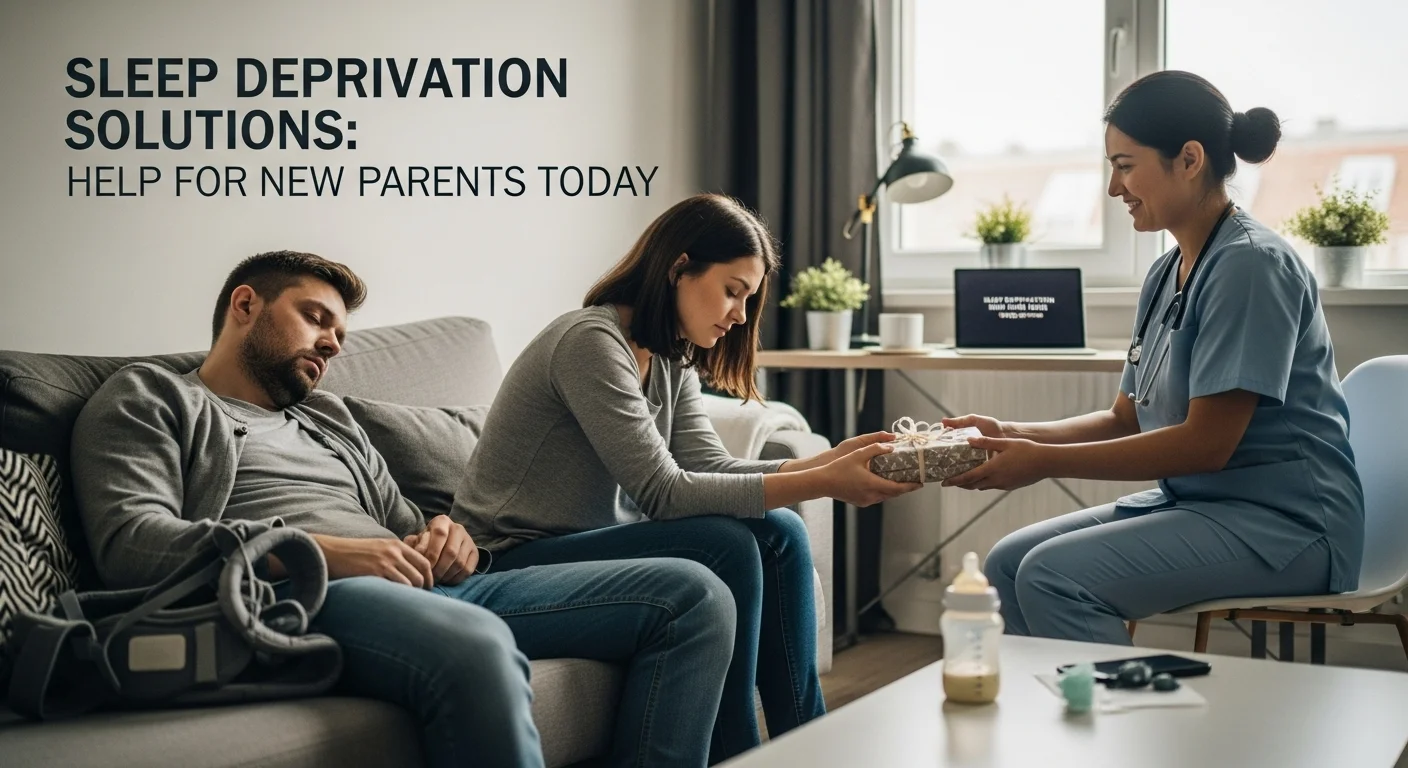
Sleep deprivation can feel like a rite of passage for new parents, but it doesn’t have to be the norm. Let’s explore practical solutions to help you reclaim those precious hours of rest. Read Interesting article: Tackling Sleep Deprivation: Strategies for Exhausted Parents
Understanding Sleep Deprivation in New Parents
What is Sleep Deprivation?
Sleep deprivation is a condition resulting from insufficient sleep. For new parents, this often means not getting enough quality sleep due to the demands of caring for a newborn. I remember my own experience during those early months—nights filled with feeding, diaper changes, and the endless worry about my baby’s well-being. It felt like I was living in a fog, barely able to function, let alone enjoy the joy of parenthood. Sleep deprivation can lead to physical and mental exhaustion, making everyday tasks feel monumental.
Common Causes of Sleep Deprivation in New Parents
There are several reasons why new parents might struggle with sleep. First and foremost, the unpredictable schedule of a baby is a game changer. Babies need to eat every few hours, and they don’t always follow the most convenient schedule. I often found myself wide awake at 3 AM, wondering if I would ever see a full night’s sleep again.
Other common causes include:
- Stress and Anxiety: New parents often experience elevated stress levels, worrying about their baby’s health and development. This constant worry can keep us awake at night.
- Changes in Routine: The arrival of a newborn disrupts established routines, making it hard to find a rhythm that works for everyone.
- Lack of Support: Parents without a solid support system can feel overwhelmed, leading to a cycle of fatigue and stress.
Each of these factors can compound, making sleep feel like a distant memory rather than a routine part of life.
Signs and Symptoms of Sleep Deprivation
It’s crucial to recognize the signs of sleep deprivation, as it can affect both our physical and mental health. From my experience, I noticed a few key symptoms:
- Fatigue: Feeling constantly tired is the most obvious sign. I remember dragging myself from one task to another, wishing for a nap.
- Difficulty Concentrating: Tasks that once seemed simple now felt daunting. Focusing on anything for more than a few minutes was a challenge.
- Irritability: I found myself snapping at my partner over minor things, all due to sheer exhaustion. It’s amazing how lack of sleep can change our mood.
- Memory Lapses: Misplacing things and forgetting appointments became my new normal. I’d often joke about my “mom brain,” but it was frustrating at times.
Recognizing these signs in myself was the first step toward addressing my sleep issues. If you find yourself nodding along, know that you’re not alone—many new parents face similar struggles.
Immediate Sleep Solutions for New Parents
Power Naps: Maximizing Short Sleep Sessions
One of the best strategies I discovered for dealing with sleep deprivation was the power nap. I learned to seize any opportunity to catch a brief snooze, whether it was while my baby was napping or my partner was watching them for a few minutes. Even a 20-30 minute nap can be refreshing and help boost energy levels. I made it a point to create a cozy space—dim lights, soft blankets, and a quiet environment—so that I could maximize these short sleep sessions. Every little bit helps!
Sleep Training Techniques for Infants
As my baby got older, I felt a strong need for a sleep training plan. Sleep training can help infants learn to fall asleep independently, which, in turn, allows parents to reclaim some of their precious sleep. I remember reading various methods, from the Ferber method to the gentle approach, and eventually settling on one that felt right for my baby’s temperament. Implementing a consistent bedtime routine helped signal to my baby that it was time to wind down, and it made a world of difference. Read Interesting article: Mastering Sleep Deprivation: A Guide for New Moms & Dads
Creating a Sleep-Friendly Environment
Another game-changer was creating a sleep-friendly environment. I discovered that little changes could make a big impact. Keeping the nursery dark and cool helped my baby sleep longer, and I incorporated white noise to drown out any household sounds. I also made sure to limit screen time before bed—both for myself and my baby—as I learned that the blue light emitted by screens can mess with our sleep hormones. Creating a calm atmosphere in our home transformed bedtime from a battle into a peaceful routine.
Through these experiences, I found that tackling sleep deprivation doesn’t have to be overwhelming. By understanding the challenges and implementing small changes, I was able to find solutions that worked for me and my family. In the following sections, we’ll dive deeper into long-term strategies and support systems that can further enhance our parenting journey.
Long-Term Strategies for Better Sleep
Establishing a Consistent Sleep Routine
Once I realized that short-term fixes were not going to cut it, I knew I needed a long-term strategy. Establishing a consistent sleep routine became my priority. Just like babies thrive on routine, I learned that I needed one too. I started setting a specific bedtime for myself, which felt a bit indulgent at first. But as I fell into this rhythm, I noticed that I woke up feeling more refreshed, even with limited hours of sleep. I also included a wind-down period before bed, where I would enjoy a warm drink and read a few pages of a book. This helped signal to my body that it was time to relax. I believe that having a predictable pattern not only benefits us as parents but also helps our little ones feel secure.
Healthy Sleep Hygiene Practices
In my quest for better sleep, I stumbled upon the concept of sleep hygiene. It sounds fancy, but it’s really about creating habits and an environment that promote good sleep. For me, this meant making sure my bedroom was a sleep sanctuary. I invested in blackout curtains to block out any unwanted light, and I made it a rule to keep electronics out of the bedroom. I learned to limit screen time at least an hour before bed, which was tough at first. But I noticed that my mind felt calmer, allowing me to drift off more easily. Taking a warm shower before bed also became a ritual I cherished, as it helped me unwind and transition into sleep mode.
Utilizing White Noise and Relaxation Techniques
One of the best things I discovered was the power of white noise. I was initially skeptical, but once I tried it, I understood why so many parents swear by it. My baby responded well to the sounds, and I started using a white noise machine in our room. It created a soothing ambiance that helped drown out other noises, promoting a more restful night for both of us. I also integrated relaxation techniques, such as deep breathing or gentle stretching before bedtime. These methods not only helped me release the tension of the day but also prepared my mind for sleep. I felt more at peace as I settled down for the night.
Support Systems for New Parents
Involving Family and Friends
One lesson I learned early on is that it takes a village. I reached out to family and friends, asking for help when I needed it. Whether it was a simple chat to vent or asking them to babysit for a couple of hours, having that support was invaluable. I remember a particularly tough week when my partner had to work extra hours. My sister stepped in and took care of the baby for a few hours, allowing me to catch up on sleep. I realized that involving loved ones not only lightened my load but also fostered deeper bonds. It’s okay to accept help; it doesn’t make us weak; it makes us human.
Professional Help: Sleep Consultants and Therapists
As much as I wanted to be resourceful, I also recognized when to seek professional help. I found that consulting a sleep consultant was beneficial for both my baby and me. They provided tailored advice based on our specific needs and routines. I remember feeling skeptical at first, but the strategies they recommended made a significant difference. Whether it was adjusting bedtime or tweaking our sleep environment, their expertise helped create a more harmonious sleep situation for everyone in our household. It’s important to remember that asking for professional help is a smart move, especially when sleep deprivation starts impacting your mental health. Read Interesting article: Survive Sleep Deprivation: Essential Tips for New Parents
Joining Parenting Support Groups
Another avenue I explored was joining parenting support groups, both online and in-person. Connecting with other new parents was refreshing, and I learned that I wasn’t alone in my struggles. Sharing stories, tips, and experiences with others going through similar challenges was comforting. I found a local group that met weekly, and those meetings became a highlight of my week. Not only did I gain new insights into managing sleep deprivation, but I also formed friendships that have lasted beyond the early parenting days. There’s a unique bond that forms when we share our experiences, and I’m grateful for the community I built.
Nutrition and Lifestyle Adjustments
Foods That Promote Better Sleep
As I delved deeper into improving my sleep, I started paying more attention to my diet. I learned that certain foods can actually promote better sleep. Incorporating items like bananas, almonds, and oats into my meals became a game-changer. I remember one evening making a smoothie with bananas and a handful of spinach. It was a simple, healthy choice that I enjoyed, and I found that it made me feel more relaxed before bed. Eating lighter meals in the evening also helped; I noticed that heavy dinners sometimes left me feeling bloated and uncomfortable, which certainly didn’t help my sleep quality.
The Impact of Caffeine and Alcohol on Sleep
Another adjustment I made was my consumption of caffeine and alcohol. I used to rely on coffee to get me through those exhausting days, but I learned that it could backfire when it came to sleep. I began limiting my caffeine intake, especially in the afternoon. While I still enjoyed my morning cup, I noticed that dialing it back made a difference in how I felt at night. As for alcohol, I found that having a glass of wine to unwind didn’t always translate to better sleep. I started being more mindful of how these substances affected my rest. Feeling more alert and refreshed was worth making those changes.
Exercise and Its Role in Sleep Quality
Lastly, I discovered the profound impact exercise has on sleep quality. I wasn’t able to hit the gym like I used to, but I found joy in short, brisk walks with my baby in the stroller. It felt good to get outside and soak in some fresh air. I noticed that even small bursts of activity throughout the day improved my mood and helped me sleep better at night. I remember feeling proud of myself for fitting in movement, even on the busiest days. Finding ways to incorporate exercise into my routine became a vital part of my journey toward better sleep.
Technology and Tools for Better Sleep
Sleep Tracking Apps and Devices
As I continued my journey toward better sleep, I decided to embrace technology. Sleep tracking apps and devices became my new allies. I remember downloading a popular app that would monitor my sleep patterns, and I was fascinated by the insights it provided. It tracked not only how long I slept but also the quality of my sleep. I found it helpful to understand my sleep cycles and how factors like stress or caffeine impacted my rest. Seeing the data laid out in front of me made it easier to identify patterns and make necessary adjustments. I felt more in control of my sleep, which was empowering. If you’re curious about how your sleep is stacking up, I highly recommend trying out a sleep tracking app—it might just surprise you!
Smart Sleep Aids: Pillows and Mattresses
Another step I took was investing in smart sleep aids, like a memory foam pillow and a quality mattress. I’ve read countless reviews, and it seemed like everyone was raving about how a good mattress could change the game for sleep. I decided to take the plunge and get a mattress that offered adjustable firmness. I noticed a significant difference in my comfort levels. The right pillow also played a crucial role; I opted for one that offered neck support, which helped reduce my tossing and turning at night. If your bed isn’t feeling comfortable, it’s worth exploring what’s out there. A little investment in sleep can yield big returns in rest, and I truly feel more rested and rejuvenated since making those changes.
Using Apps for Meditation and Relaxation
On particularly challenging nights, I sought out apps for meditation and relaxation. I had always been a bit skeptical about meditation, but I figured I had nothing to lose. I found a few apps that guided me through short meditations and breathing exercises. I remember lying in bed with my headphones on, listening to soothing voices guiding me through relaxation techniques. It was a beautiful way to unwind after a long day of parenting. I found that dedicating just 10 minutes to this practice before bed significantly improved my ability to fall asleep. I felt my mind quieting down, making it easier to drift off. If you’re looking for a way to calm your thoughts as bedtime approaches, give meditation a try—it really helped me find a sense of peace in the chaos of new parenthood.
When to Seek Professional Help
Identifying Severe Sleep Disorders
As I navigated the ups and downs of sleep deprivation, I realized that sometimes, it’s essential to recognize when things are beyond our control. For many new parents, occasional sleepless nights are expected, but if you find yourself struggling with chronic insomnia or if your sleep deprivation is affecting your daily life significantly, it might be time to seek professional help. I remember having moments when I felt like I was operating on autopilot and couldn’t shake off the exhaustion. Recognizing those feelings was a turning point for me. If you’re feeling persistently tired, anxious, or if you have difficulty staying awake during the day, don’t hesitate to reach out to a healthcare professional. They can help determine if there are underlying sleep disorders that need to be addressed.
Consulting a Pediatrician or Sleep Specialist
If your baby is also experiencing sleep issues, it’s a good idea to consult with a pediatrician or a sleep specialist. I found that having an open dialogue with our pediatrician about my baby’s sleep patterns provided clarity and reassurance. They can offer guidance on what’s typical for your child’s age and when to be concerned. I remember feeling a mix of relief and empowerment when I learned that some sleep disturbances are completely normal in infants. In some cases, they may recommend a sleep study or provide resources tailored to your family’s specific needs. It’s vital to have that professional support, especially when sleep deprivation feels overwhelming.
Resources for Mental Health Support
Lastly, the emotional toll of sleep deprivation can be profound. I learned the importance of seeking mental health support when the stress of parenting became too much to bear. I reached out to a therapist who specialized in postpartum issues, and it made a world of difference. They helped me process my feelings and provided coping strategies for dealing with anxiety and fatigue. I discovered that it’s okay to ask for help, whether through therapy, talking with friends, or even joining support groups. Remember that we’re all navigating this parenting journey together, and prioritizing our mental health is just as essential as addressing physical exhaustion. Don’t hesitate to lean on available resources—they can help you regain your balance.
Frequently Asked Questions
What is sleep deprivation in new parents?
Sleep deprivation is a condition resulting from insufficient sleep, often experienced by new parents due to the demands of caring for a newborn. This can lead to physical and mental exhaustion, making everyday tasks feel monumental.
What are common causes of sleep deprivation in new parents?
Common causes include the unpredictable schedule of a baby, elevated stress and anxiety about the baby’s health, changes in routine, and lack of support from family or friends.
What are the signs and symptoms of sleep deprivation?
Signs and symptoms of sleep deprivation include constant fatigue, difficulty concentrating, irritability, and memory lapses. These can significantly affect both physical and mental health.
What immediate solutions can help new parents deal with sleep deprivation?
Immediate solutions include taking power naps, implementing sleep training techniques for infants, and creating a sleep-friendly environment that includes dark, cool settings and white noise.
What long-term strategies can improve sleep for new parents?
Long-term strategies include establishing a consistent sleep routine, practicing healthy sleep hygiene, utilizing white noise and relaxation techniques, and making nutrition and lifestyle adjustments.
How can nutrition affect sleep quality for new parents?
Certain foods, such as bananas, almonds, and oats, can promote better sleep. Additionally, managing caffeine and alcohol intake can significantly improve sleep quality.
What role does exercise play in sleep quality?
Exercise, even in the form of short walks, can improve mood and sleep quality. Incorporating physical activity into daily routines is beneficial for overall well-being and rest.
When should new parents consider seeking professional help for sleep issues?
If sleep deprivation leads to chronic insomnia or significantly impacts daily life, it may be time to seek professional help. Consulting a pediatrician or sleep specialist can provide guidance for both the parent and the baby.
What resources are available for mental health support for new parents?
Resources include therapists specializing in postpartum issues, support groups, and talking with friends or family. Prioritizing mental health is crucial for coping with the emotional toll of sleep deprivation.
How can technology assist in improving sleep quality?
Technology can aid in improving sleep quality through sleep tracking apps and devices, smart sleep aids like quality pillows and mattresses, and meditation and relaxation apps that help calm the mind before bed.