
Meal planning for school-aged kids doesn’t have to be overwhelming or costly. With a little strategy and creativity, we can ensure our children enjoy nutritious meals without breaking the bank.
Understanding the Importance of Meal Planning for Kids
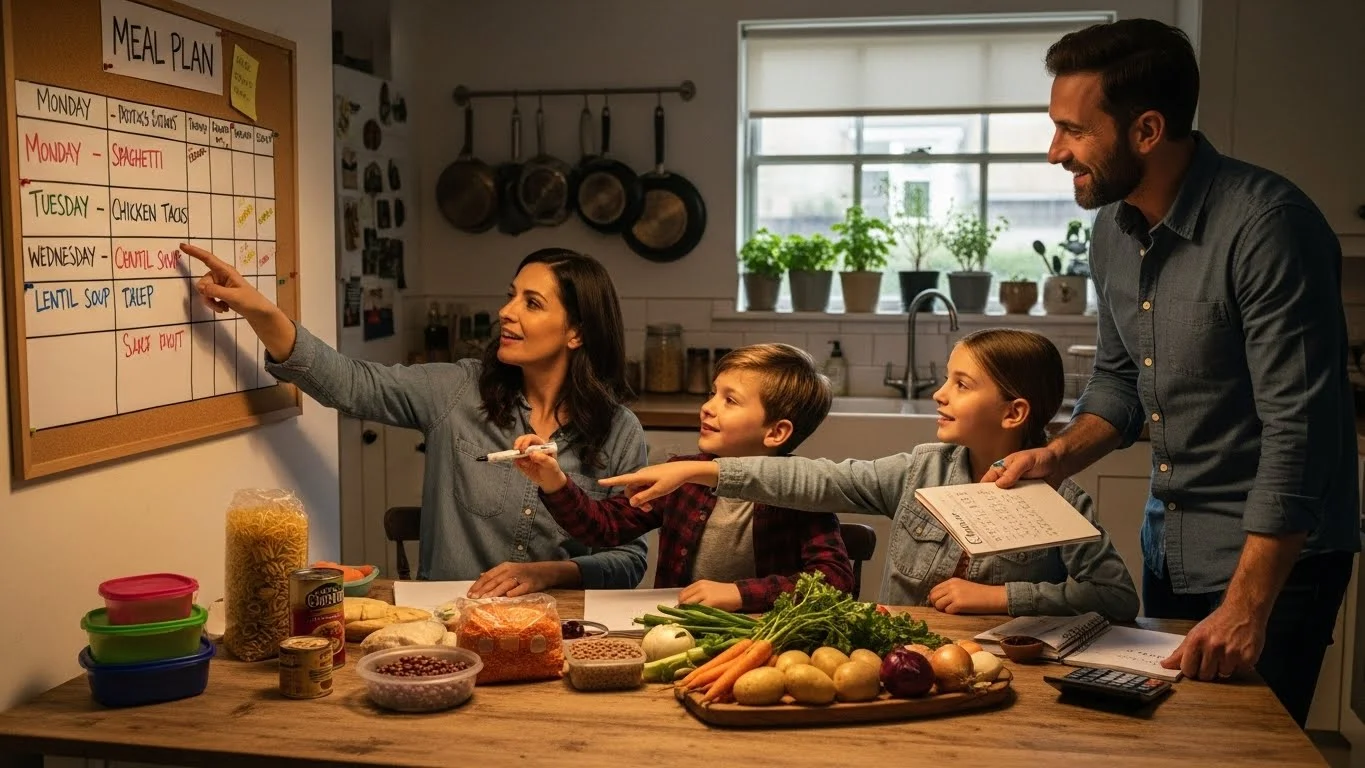
When I first started diving into meal planning for my school-aged kids, I quickly realized how crucial it was for our family dynamics and health. I noticed that when I planned our meals in advance, it was easier to keep everyone on track with their nutrition and to create a structured routine that fit our busy lifestyle. I often referred to Top Nutritional Tips for School-Aged Kids’ Health to guide my meal choices.
The Benefits of Meal Planning
Meal planning offers numerous benefits for families. For me, one of the most significant advantages was reducing stress at mealtime. Instead of scrambling to figure out what to cook after a long day, I had a game plan. This helped me avoid the dreaded last-minute fast food run, which not only drained my wallet but also didn’t always provide the best nutrition for my kids.
Additionally, meal planning allowed us to save money. By planning out our meals for the week, I could create a comprehensive grocery list focused on what we actually needed, minimizing impulse purchases. I found that having a clear outline of our meals helped us cut down on food waste, too, as we were more intentional about what we cooked and ate.
Nutrition Considerations for School-Aged Kids
As I began to plan our meals, I realized that the nutritional needs of school-aged kids are specific and vital for their growth and development. I made it a priority to include a balance of macronutrients in our meals: carbohydrates for energy, proteins for growth, and healthy fats for brain development. I often consulted Essential Nutritional Needs for School-Aged Kids to ensure we were covering all bases.
Fruits and vegetables became staples during our meal planning sessions. I learned that they provide essential vitamins and minerals, and I aimed to include a rainbow of colors on our plates. I even involved my kids in selecting fruits and veggies during grocery shopping, which made them more excited about eating them. I noticed that when they had a hand in choosing, they were more likely to eat what we brought home.
Time Management and Convenience
One of my biggest challenges was juggling meal prep with our hectic schedule. Between school, sports, and other activities, I realized that convenience was key. I started to carve out a specific time each week to plan meals and prep ingredients. This not only saved us time during the week but also created a little family tradition that we all looked forward to. We would gather around the kitchen table, talk about what we wanted to eat, and think about how we could make it work with our schedules.
Using batch cooking and prepping ingredients in advance became a game changer for us. I found that chopping vegetables ahead of time or cooking a big batch of rice or quinoa saved me a ton of time during the week. On busy nights, I could simply pull prepped ingredients out of the fridge and whip up a quick stir-fry or salad. This way, we stayed on track with our meal plans, even on the busiest evenings.
Involving my kids in meal planning also helped manage our time better. I would ask them to suggest a couple of their favorite meals and incorporate those into our weekly plan. This not only made them feel included but also ensured that we weren’t wasting time trying to convince them to eat something they didn’t like.
Over the years, I’ve learned that meal planning is much more than just deciding what to eat. It’s about creating a lifestyle that prioritizes health, family time, and financial wellness. I believe that with a little thought and effort, we can all make meal planning a fun and effective way to nourish ourselves and our loved ones while sticking to a budget.
Budget-Friendly Meal Planning Strategies
Creating a Realistic Grocery Budget
One of the first steps I took toward better meal planning was sitting down to create a grocery budget. I remember when I used to just buy whatever caught my eye at the store, which often led to an empty wallet at the end of the month. Now, I like to take a closer look at our income and expenses to set a grocery budget that feels realistic. I recommend tracking our spending for a month to see where we can cut back without sacrificing the quality of our food. After figuring out our baseline, we decided to allocate a specific amount each week towards groceries. I found that breaking it down by week made it easier to stick to the plan and avoid overspending. Having that budget in mind has helped us prioritize our purchases, focusing on what we actually need for our planned meals rather than falling into the trap of impulse buys. I often remind myself that sticking to a budget doesn’t mean we have to compromise on nutrition; it just means we have to be a little smarter about our choices.Utilizing Seasonal and Local Produce
When I embraced seasonal eating, it completely transformed our meal planning. I started visiting local farmers’ markets and discovered that purchasing seasonal produce not only tastes better but is often more affordable. I’ve learned that fruits and vegetables that are in season are typically cheaper because they’re plentiful. For instance, in the summer months, I can stock up on fresh tomatoes and zucchinis, while fall brings an abundance of squash and apples. I make it a point to check what’s in season each month and plan our meals around those ingredients. Not only do we save money, but I also enjoy experimenting with different recipes using whatever is ripe and ready, which keeps our meals exciting and fresh.Choosing Cost-Effective Protein Sources
Protein can often be one of the more expensive components of our meals, so I’ve learned to get creative with our protein sources. I discovered that incorporating beans, lentils, and legumes into our meals is a great way to save money while still providing my kids with the protein they need. I often make big pots of chili or lentil soups that are not only filling but also budget-friendly. Additionally, I’ve started to buy chicken and ground beef in bulk when they’re on sale and freeze portions for later use. This way, we always have a go-to protein option in our freezer without having to splurge on fresh meat every week. Eggs have also become a staple in our household. They’re versatile and can be used in countless dishes, from breakfast scrambles to dinner frittatas.Meal Prepping for the Week Ahead
Meal prepping has been a game-changer for our family, especially when it comes to saving both time and money. Every Sunday, I dedicate a few hours to prep meals for the week. I love it because I can cook in bulk and divide everything into portions. This not only ensures that my kids eat healthy meals throughout the week but also cuts down on the temptation to order takeout when we’re busy. I often prepare grains, roast vegetables, and cook proteins in advance. Then, I store them in clear containers, making it easy for us to grab what we need during the week. I’ve noticed that this method helps prevent food waste too. When everything is prepped and ready to go, we’re less likely to let food go unused and end up tossing it out. Over time, this practice has not only saved us money but has also minimized the stress of cooking during our hectic weeknights. By incorporating these budget-friendly meal planning strategies into our routine, I’ve seen a significant change in how we eat and spend. It’s not just about the money; it’s about making conscious choices that benefit our family’s health and well-being. I feel proud knowing that I’m providing nutritious meals for my kids while also being mindful of our budget.Essential Tools for Smart Meal Planning
Meal Planning Apps and Websites
When I first started meal planning, I was amazed at how technology could simplify the process. There are so many meal planning apps and websites designed to help families like mine organize their meals more efficiently. I remember trying out a few and settling on a couple that truly made a difference for us. One app that I’ve found particularly helpful is one that allows you to input your favorite recipes and automatically generates shopping lists based on the meals you choose for the week. It’s like having a personal assistant for my kitchen! I appreciate how I can plan meals on the go, and it’s nice to have everything in one place. Many of these apps also offer features to track your pantry inventory, which has saved me from buying duplicates of ingredients that I already had stashed away. Websites with meal planning templates were also a lifesaver. I started printing out weekly meal plans and hanging them on the fridge. This not only kept me organized but also kept my kids informed about what to expect for dinner. I believe that seeing the plan helped them get involved in the excitement of meals we were going to have.Using a Family Calendar for Meal Scheduling
I found that keeping a family calendar was another essential tool in our meal planning journey. We have a shared digital calendar that everyone can access. I started blocking out time for meal prep and cooking, along with our busy schedules for school and activities. This way, we could see when we had time for more elaborate meals versus quick ones. By doing this, I realized that planning became a family affair. We would all sit down together and look at the week ahead. I’d ask the kids which nights were best for longer cooking sessions, and they’d often suggest simple options on busier days. Having a calendar helps us coordinate not only meals but also grocery shopping times. I often find it’s easier to take my kids with me when they’re excited about the meals we’ve planned together.Kitchen Tools for Efficient Meal Prep
Having the right kitchen tools has made meal prep not only easier but also more enjoyable for me. I invested in a good set of knives, cutting boards, and storage containers. I remember the first time I used a sharp chef’s knife; it was like a revelation! Chopping veggies became a breeze, and I could prep in half the time. I also discovered the magic of batch cooking with quality cookware. A big pot and a cast-iron skillet have become my best friends. They allow me to cook large quantities of soups, stews, and casseroles, which I can portion out for the week. Containers for meal storage are essential too. I like clear containers because I can see what’s inside without digging through the fridge. I use different sizes for various meals, which helps keep our leftovers organized and encourages us to use them up before they go bad. Having these tools has transformed our kitchen into a more efficient space, making mealtime less stressful.Healthy and Affordable Meal Ideas
Breakfast Options for Busy Mornings
Breakfast can often be a rush at our house. I learned that preparing quick and healthy breakfast options is key to starting the day right. Smoothies are a staple for us. I blend frozen fruits with yogurt or spinach, and my kids love them! I even prep smoothie packs with all the ingredients in freezer bags, so in the morning, all I have to do is toss one in the blender. Another favorite is overnight oats. I prepare several jars at once with rolled oats, milk, and toppings like fruits or nuts. The kids love being able to pick their favorite flavors, and I love knowing they have a nutritious start to their day without any hassle.Nutritious Lunches for School
Packing lunches for school can sometimes feel like a chore, but I’ve turned it into a fun routine. I often make a big batch of whole grain pasta or quinoa salad on the weekend and divide it into portions for the week. I add colorful veggies, proteins like chickpeas or chicken, and a simple dressing, which keeps lunchtime interesting. Wraps are another great option. I fill whole grain tortillas with turkey, hummus, and lots of veggies. My kids love customizing their wraps, and they’re easy to eat on the go. Adding a piece of fruit or a homemade snack like energy bites rounds out their lunches and ensures they have the energy they need for the rest of the day.Quick and Easy Dinners
After a long day, quick dinners become essential. One of our go-to meals is stir-fry, using whatever vegetables I have on hand, some protein, and a tasty sauce. It’s super fast and can be made in just about 15 minutes, which is perfect for our busy weeknights. Taco night is another favorite in our house. I prepare all the components ahead of time and let the kids build their own tacos. This not only makes them feel involved but also gives them a sense of control over their meals. We usually add a side of beans or a simple salad to round it out.Snacks That Won’t Break the Bank
Snacks are an important part of our day, especially when the kids come home from school. I like to keep it simple and healthy. I’ve found that making a large batch of popcorn is a fun and cost-effective way to provide a crunchy snack. I pop it in bulk and store it in an airtight container. I also try to prep snack bags with cut-up fruits and veggies, along with some cheese or yogurt. These are quick to grab, and they keep my kids from reaching for more processed options. I remember how proud I felt when my kids started opting for these healthier choices on their own. Overall, meal planning has not only helped us eat better but also made mealtime more enjoyable and less stressful. With these strategies and ideas, I feel more empowered to provide nutritious meals for my family without breaking the bank.Involving Kids in Meal Planning
The Importance of Teaching Kids About Nutrition
In my journey of meal planning, I quickly realized how essential it is to teach my kids about nutrition. I believe that understanding healthy eating habits early on sets the foundation for their future choices. I made it a point to talk to my children about the benefits of different foods and how they fuel our bodies. Sharing my knowledge about vitamins, minerals, and the importance of a balanced diet has not only educated them but has also sparked their interest in food. When we grocery shop, I often take the opportunity to discuss why we choose certain fruits, vegetables, and whole grains. I remember a moment when my daughter asked why we picked spinach over iceberg lettuce. This simple inquiry allowed me to explain the nutritional benefits, and since then, she’s become a big fan of leafy greens! Seeing their curiosity grow has been rewarding and reinforces the idea that they are not just passive eaters but active participants in their health.Fun Ways to Get Kids Involved in Cooking
Getting kids involved in cooking has been one of the most enjoyable aspects of meal planning for us. I’ve found that when they help prepare meals, they are more likely to eat what we make. We started with simple tasks, like washing vegetables or stirring ingredients. Gradually, I introduced more complex responsibilities, such as measuring ingredients or even assembling dishes. We also have themed cooking nights at home. For example, we’ve had “Taco Tuesday,” where everyone gets to build their tacos, choosing from various toppings. It’s not only fun but also a great way for them to experiment with flavors and textures. I remember one night when my son insisted on adding pineapple to his taco. It turned out to be a surprisingly delicious combination, and it boosted his confidence in the kitchen. Another fun way to involve the kids is through cooking challenges. We set a timer and compete to see who can create the most delicious dish using a selection of ingredients. Not only does this spark creativity, but it also teaches them to think on their feet and work with what we have, a valuable skill in meal planning.Creating a Family Recipe Book
To celebrate our culinary adventures, I decided to create a family recipe book. I encouraged everyone to contribute their favorite recipes, whether they were family traditions or new dishes we tried together. It became a wonderful bonding activity, and I was amazed at the enthusiasm from my kids. They loved writing down their recipes and adding little illustrations or photos of the meals we made. Having this recipe book not only helps us keep track of our favorite meals, but it also serves as a reminder of our time spent together in the kitchen. On days when I feel stuck or uninspired, flipping through our family recipe book sparks joy and creativity. It’s a living document that reflects our journey with food and nutrition, and my hope is that it will be something they can pass down in the future.Managing Leftovers Effectively
Creative Ways to Use Leftovers
Leftovers can often feel like a chore, but I’ve learned to embrace them creatively. Rather than letting them sit in the fridge and go to waste, I look for ways to repurpose them into new meals. For instance, if we have leftover roasted chicken, I might turn it into a hearty chicken soup or mix it into a salad for lunch. I also love making stir-fries or casseroles using whatever leftovers we have on hand. It’s like playing a game of “what can I create with this?” and has made me more resourceful in the kitchen. I remember one night when I combined leftover vegetables and rice with some eggs for a quick fried rice dinner. The kids were thrilled with the “new” dish, and I felt accomplished for minimizing food waste.Storing Leftovers Safely
Proper storage of leftovers is essential for keeping meals safe and delicious. I’ve invested in quality storage containers that are airtight and safe for the freezer. When we have leftovers, I make it a point to label the containers with the date and contents, so we know exactly what we have and when it was made. I’ve found that freezing portions of meals is especially helpful. It allows us to have easy, ready-to-go meals for those nights when cooking feels impossible. Plus, I love that I can pull out something we enjoyed weeks ago, which brings back memories of family dinners. Making sure that we store leftovers properly not only saves money but also keeps us healthy.Tips for Shopping on a Budget
Making the Most of Sales and Coupons
I’ve become quite the savvy shopper over time, and one of my favorite tips is to take advantage of sales and coupons. I started by checking store flyers and using apps that offer digital coupons. I remember the thrill of finding a coupon for my kids’ favorite snacks! Combining these with sales often leads to substantial savings and allows us to stock up on essentials without guilt. Additionally, I’ve learned to plan our meals around what’s on sale that week. If chicken is discounted, for example, I’ll craft our meals around that protein for the week. This approach makes meal planning more flexible and budget-friendly.Choosing Store Brands vs. Name Brands
I’ve discovered that opting for store brands can be a game-changer for our grocery budget. In many cases, the quality is just as good as name brands, and the savings can be significant. I remember when we switched to a store-brand cereal without any complaints from the kids. It’s become a staple in our pantry and has helped us cut costs. I encourage everyone to try out store brands and see if they can find good alternatives that fit their taste. It’s worth experimenting, and you might be pleasantly surprised!Shopping with a List to Avoid Impulse Purchases
Having a shopping list has been instrumental in keeping us on track during grocery trips. I’ve learned to stick to the list and avoid wandering the aisles aimlessly. Before we go shopping, I sit down with my meal plan and create a list based on what we need for the week. This not only keeps us focused but also helps prevent those tempting impulse purchases that can quickly add up. When my kids come along, I give them small tasks related to the list. This keeps them engaged and teaches them about budgeting and shopping. They love checking off items as we find them, and I believe it’s a great way to instill responsibility and awareness about our food choices.Common Meal Planning Mistakes to Avoid
Overcomplicating Meals
One of the pitfalls I faced early on was overcomplicating meals. I used to think that every dish needed to be elaborate and gourmet. However, I learned that simple meals are often the most satisfying and easier to prepare. Focusing on fewer ingredients and straightforward recipes not only saves time but also makes it easier to get the kids involved.Neglecting to Plan for Busy Days
Another mistake I made was not planning for our busiest days. I’ve learned that it’s essential to have some quick meals or leftovers on hand for those hectic evenings. By recognizing our schedule in advance, I can be proactive and ensure we have something ready to go when time is tight.Ignoring Kids’ Preferences and Dietary Needs
Finally, I realized that ignoring my kids’ preferences can lead to wasted food and frustration. It’s important to listen to their likes and dislikes and incorporate those into our meal plans. By doing so, we create a more harmonious dining experience and encourage them to try new foods when they feel their voices are heard.Final Thoughts
Meal planning has transformed not just the way we eat but how we connect as a family. It has taught us valuable lessons about nutrition, budgeting, and teamwork in the kitchen. I believe that with a bit of planning and creativity, we can make healthy eating enjoyable and accessible for our kids. It’s a continuous journey of learning and discovery that enriches our lives and strengthens our family bond. I hope that by sharing our experience, you might find inspiration to embark on your own meal planning adventure!Frequently Asked Questions
What are the benefits of meal planning for school-aged kids?
Meal planning helps reduce stress at mealtime, saves money by minimizing impulse purchases, and decreases food waste by allowing families to be more intentional about what they cook and eat.
How can involving kids in meal planning improve their eating habits?
Involving kids in meal planning encourages them to take part in the selection of fruits and vegetables, increasing their excitement about eating healthy foods and reducing resistance to trying new things.
What nutritional considerations should be made for school-aged kids?
It’s important to include a balance of macronutrients: carbohydrates for energy, proteins for growth, and healthy fats for brain development. Including a variety of fruits and vegetables is also essential for their vitamins and minerals. I often refer to Mastering Food Labels: Essential Tips for Kids’ Nutrition to better understand these needs.
What strategies can help manage time during meal preparation?
Carving out a specific time each week for meal planning and ingredient prep, using batch cooking, and involving kids in the process can save time during busy weeks.
How can a grocery budget be effectively created for meal planning?
Creating a realistic grocery budget involves tracking spending for a month to identify areas to cut back, allocating a specific amount for groceries each week, and prioritizing purchases based on planned meals.
What are some budget-friendly meal planning strategies?
Utilizing seasonal and local produce, incorporating cost-effective protein sources like beans and lentils, and meal prepping in bulk can help save money and enhance meal planning.
How can technology assist in meal planning?
Meal planning apps and websites can help organize meals efficiently, generate shopping lists based on chosen recipes, and track pantry inventory, making the process more streamlined.
What are some quick and healthy breakfast options for busy mornings?
Smoothies made with frozen fruits and yogurt, as well as overnight oats prepared in advance, are great options that ensure a nutritious start to the day without hassle.
How can leftovers be managed effectively?
Leftovers can be creatively repurposed into new meals, such as soups or stir-fries, and should be stored properly in airtight containers to maintain safety and quality.
What common meal planning mistakes should be avoided?
Common mistakes include overcomplicating meals, neglecting to plan for busy days, and ignoring kids’ preferences and dietary needs, which can lead to frustration and wasted food.