
Meal planning can be a game-changer for busy families. When it comes to keeping our kids healthy, having a strategy in place makes all the difference in ensuring they get the nutrition they need while on the go. For more ideas on strategies, check out our article on Creative Meal Planning Tips for School Children’s Nutrition.
Understanding Meal Planning for Kids
What is Meal Planning?
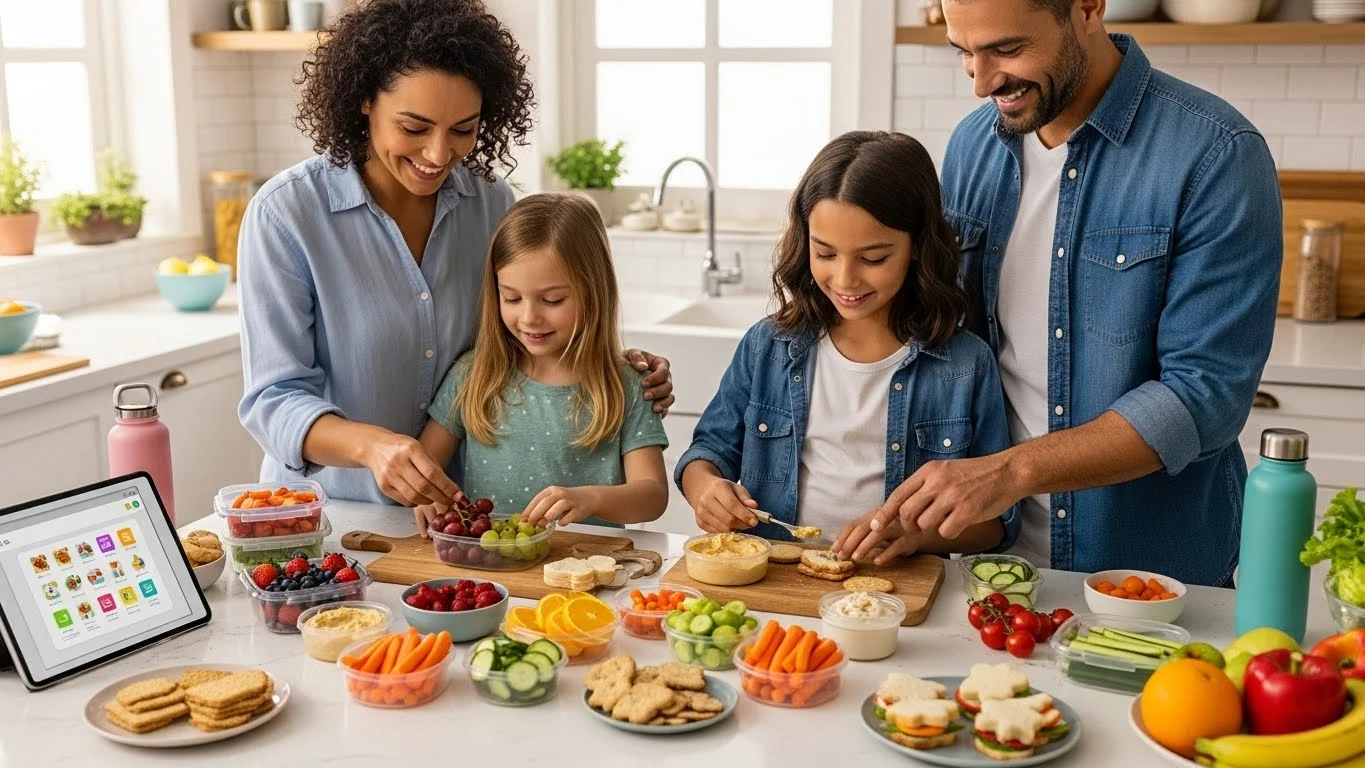
Meal planning is simply the process of deciding what meals to prepare for a certain period, usually a week. I remember the first time I sat down with my family to plan our meals; it felt overwhelming. But as we got into the groove, it became a fun weekly ritual. I’d pull out our calendar, and we’d talk about our week ahead. Would we be busy on Tuesday? A lunch date on Wednesday? This helped us decide when we needed quick meals or when we could try something new. Meal planning allows us to map out our meals in advance, which saves time and reduces stress, especially on those hectic mornings.
Benefits of Meal Planning for Families
Meal planning offers countless benefits that have truly transformed our eating habits. For one, it promotes healthier choices. When I plan meals, I can focus on balanced nutrition rather than last-minute takeout or snacks. I’ve found that having a plan leads to less food waste. We tend to use what we buy, and that feels good! It also saves money; I can create a shopping list based on our meal plan, which keeps us from impulse buying. Plus, meal planning fosters family bonding. My kids love choosing recipes with me, and it opens up conversations about nutrition and cooking.
How Meal Planning Supports Healthy Eating
Meal planning supports healthy eating by giving us structure. As a parent, I want to provide my kids with the best nutrition possible, but it can be challenging with our busy lifestyles. By planning meals ahead, I can ensure that they are getting a variety of nutrients every week. For example, if I know we’re having spaghetti on Monday, I can pair it with a side of steamed broccoli to add some greens to their plates. I’ve noticed that when my kids see healthy meals planned, they are more likely to eat them. It’s all about setting the foundation for healthy habits.
Another essential aspect is the opportunity to incorporate different food groups. I aim to include fruits, vegetables, whole grains, lean proteins, and healthy fats in our plan. Each week, I try to rotate in new recipes or ingredients to keep things exciting. The variety not only makes meals more enjoyable but also ensures that my kids are exposed to a wide range of flavors and nutrients. As a bonus, they even learn to appreciate different cuisines!
One of the things I’ve learned is to keep it flexible. Life happens, and sometimes our plans have to change. If I’ve cooked enough for leftovers, I can easily shift a meal or save it for a busy day. This flexibility helps to keep our meal planning stress-free and enjoyable. I believe every family can find their rhythm with meal planning, and the benefits are truly worth the effort. For more tips on how to make meal planning easy, check out Smart Family Meal Planning: Budget-Friendly Tips for Travel.
Key Nutritional Needs for Growing Kids
Essential Nutrients for Children
Understanding what our kids need nutritionally is crucial as they grow. Essential nutrients include proteins, carbohydrates, fats, vitamins, and minerals. I remember when my pediatrician explained how crucial these nutrients are for my kids’ development. For instance, proteins help build muscles, while carbohydrates provide energy for their busy days. I’ve made it a point to include lean meats, dairy, beans, and legumes in our meals. These not only deliver protein but are also rich in other nutrients.
Portion Sizes and Serving Recommendations
Portion sizes can be tricky with kids. I’ve often found myself wondering how much to serve. A helpful rule of thumb I learned is to use my child’s palm as a guide for protein servings, and their fist for vegetables. This method has made it easy to visualize what a proper serving looks like. I feel more confident knowing that I’m giving them a balanced plate without overwhelming them. It’s important to listen to their hunger cues, too. Encouraging them to stop eating when they are satisfied helps them develop a healthy relationship with food.
Common Nutritional Gaps in Children’s Diets
I’ve noticed that while we strive for balance, there can still be gaps in our kids’ diets. For instance, many children don’t get enough fiber, calcium, or iron. This realization pushed me to find ways to incorporate more whole grains, leafy greens, and fortified foods into our meals. Smoothies have become a favorite of ours, allowing me to sneak in spinach and other nutrients without my kids even noticing! I also try to offer dairy alternatives like yogurt and cheese, which can be fun and nutritious snacks. Addressing these gaps is essential for their growth and development, and I’m here for it.
Smart Meal Planning Strategies
Creating a Balanced Meal Plan
When I first started meal planning, I realized how important it was to create a balanced meal plan. It’s not just about what we eat, but how we combine different food groups to ensure my kids get the nutrients they need. I always begin by choosing a protein source, then I look for healthy carbs and colorful veggies to pair with it. For example, a grilled chicken breast can be complemented by quinoa and a medley of roasted vegetables. This strategy not only ensures that my kids eat a variety of foods but also keeps our meals interesting and satisfying. I recommend sitting down and mapping out the week, focusing on including different proteins and grains to keep everything fresh and exciting.
Incorporating Variety and Seasonal Foods
One of the best parts about meal planning is the chance to play with variety. I love exploring seasonal produce at the local farmer’s market. It’s amazing how the fruits and vegetables change with the seasons, and I’ve learned that seasonal foods tend to taste better and are often more affordable. For example, in the summer, we enjoy fresh berries and zucchini, while fall brings us pumpkins and apples. I like to incorporate these seasonal ingredients into our meals whenever possible. Not only does it keep our plates colorful, but it also sparks conversations with my kids about where our food comes from. I feel like I’m teaching them an important lesson about eating locally and seasonally, which is so rewarding.
Batch Cooking and Freezing Meals
Batch cooking has been a game changer for our family. I remember the first time I made a big pot of chili and froze half of it; it felt incredible to have a homemade meal ready to go. Now, I often dedicate a few hours on the weekend to cook larger quantities of meals that can be frozen for later. Soups, casseroles, and stir-fries are great candidates for this. When I take the time to prep in advance, it saves me from scrambling on busy weeknights. I’ve found that simply transferring my meals into freezer-safe containers means we always have something nutritious on hand, which really helps during those chaotic evenings.
Using Leftovers Wisely
Leftovers often get a bad rap, but I’ve learned to embrace them! Instead of thinking of them as simply yesterday’s meal, I see them as a way to create something new. For instance, if I have leftover roasted chicken, I can shred it for tacos or toss it into a salad. This not only reduces waste but also makes my life easier. I’ve even started designating one night a week as “leftover night,” where we get creative with whatever we have left in the fridge. It’s fun to involve my kids in this, as they enjoy playing chef and coming up with their own creations using what’s available. Plus, they get a kick out of the surprise of what’s for dinner!
Healthy Snack Ideas for Kids on the Go
Nutritious Options for Busy Days
I know how hectic our days can get, especially with kids involved in various activities. Having healthy snacks on hand is crucial to keep their energy up. I’ve discovered that preparing snacks ahead of time can make all the difference. One of our favorites is a mix of nuts and dried fruits, which I portion out into small bags. This way, my kids can grab a bag before heading out, and it keeps them fueled without the sugar crash that often comes from processed snacks. I also love making vegetable sticks with hummus or yogurt dip; it’s a great way to sneak in some veggies while they’re on the go!
Homemade Snack Recipes
Making snacks from scratch can be really rewarding. I’ve started experimenting with recipes for things like energy balls or baked veggie chips. One of my go-to recipes is for banana oat muffins. They are easy to make, and I can sneak in some flaxseed or chocolate chips for an extra boost. I usually make a big batch and freeze them, so we always have a quick option available. Whenever my kids feel like snacking, I can feel good about offering something healthy that I made with love.
Store-Bought Healthy Snacks to Consider
Sometimes, life gets busy, and it helps to have some store-bought options ready. I’ve done my research to find healthy snacks that I can trust. Brands that focus on whole ingredients and minimal added sugars are my go-to. For example, I love yogurt-covered raisins or whole-grain crackers paired with cheese. These options are not only easy for my kids to grab, but they’re also nutritious. I also pay attention to labels, looking for snacks that are low in preservatives and high in fiber. It feels great to know that they’re munching on something good for them, even when I didn’t make it myself!
Time-Saving Meal Prep Tips
Grocery Shopping Hacks
One of the biggest time-savers in meal planning for my family has been mastering the grocery shopping process. I used to wander the aisles aimlessly, but now I always start with a list based on our meal plan. This not only saves time but also helps me stick to healthier choices. I make it a point to organize my list by category—produce, dairy, grains, and so on—so I can navigate the store efficiently without doubling back. I also like to check for sales or coupons ahead of time, which can make a noticeable difference in our grocery budget. Another tip I’ve found helpful is to shop at the same time each week. This routine allows me to get into a rhythm, and I often notice I can get in and out of the store much quicker.
Utilizing Kitchen Gadgets for Efficiency
I’ve discovered that using the right kitchen gadgets can turn meal prep into a breeze. For instance, I absolutely love my slow cooker and Instant Pot. On busy days, I can throw in ingredients in the morning and come home to a hot, ready meal. It’s like having a personal chef! I also use a food processor to quickly chop vegetables or make sauces, which cuts down on prep time. Another gadget that has changed the game for me is a good set of measuring cups and spoons. Having these handy allows me to prep ingredients quickly and accurately. If you’re considering investing in kitchen tools, I highly recommend ones that will simplify your cooking process and help you save time.
Planning Meals Around Weekly Activities
Life can get hectic with school, sports, and other commitments, so I’ve learned to plan our meals around our weekly activities. I take some time each Sunday to look at our calendar and see which days we’ll need quick meals versus more involved recipes. On nights when the kids have practice or late activities, I focus on meals that can be made in 30 minutes or less. For example, I love whipping up stir-fries or sheet pan dinners that can be thrown together quickly. On quieter nights, I might try a new recipe that takes a bit longer. This approach not only helps us stay on track with healthy eating but also reduces the stress of last-minute decisions.
Easy and Quick Recipes for Kids
Breakfast Ideas for Busy Mornings
Breakfast is such an important meal, but I know how rushed mornings can be. One of my favorite quick breakfast options is overnight oats. I prepare them the night before, mixing rolled oats with yogurt or milk and adding toppings like fruits and nuts. My kids love customizing their own jars! Another go-to is smoothie bowls; I blend up frozen fruit, spinach, and yogurt, then let the kids add their favorite toppings like granola or seeds. These breakfasts are not only nutritious but also keep my kids satisfied until lunchtime. I also make batches of mini breakfast muffins that we can grab and go, which have become a hit in our house.
Lunch Options for School and Outings
For school lunches, I always aim to keep things simple yet healthy. I’ve found that wraps are a fun alternative to sandwiches. Using whole-grain tortillas, I fill them with lean proteins, veggies, and spreads like hummus or avocado. My kids love helping to make their wraps, which makes lunch prep more engaging. Another idea is bento boxes; I fill them with a variety of items such as cut-up veggies, cheese cubes, fruits, and whole-grain crackers. This variety keeps lunches exciting and encourages my kids to try different foods.
Dinner Recipes That Kids Will Love
Dinner can sometimes feel like a chore, but I’ve found some recipes that my kids truly enjoy. One of our family favorites is taco night! I set out a variety of toppings, and everyone can build their own tacos. It’s interactive and fun, plus it allows me to sneak in healthy ingredients like beans and lettuce without them even noticing. Another dish that’s a hit is homemade pizza. I prepare the dough ahead of time, and my kids love choosing their own toppings. This not only makes for a delicious meal but also a great family activity. I’ve also started making one-pot meals like pasta with veggies and lean meat, which cuts down on cleanup time while still being tasty!
Fun and Healthy Desserts
Who says desserts can’t be healthy? I’ve experimented with a few recipes that satisfy my kids’ sweet tooth without the guilt. One of our favorites is banana ice cream! I simply freeze ripe bananas, then blend them until creamy. It’s a hit every time, and I sometimes mix in peanut butter or cocoa powder for added flavor. Another tasty treat is yogurt parfaits. I layer Greek yogurt with fresh fruits and a sprinkle of granola, which makes for a delicious and nutritious dessert. When we’re in the mood for baking, I love making energy bites with oats, honey, and nut butter. They’re perfect for a quick sweet snack and packed with goodness!
Frequently Asked Questions
What is meal planning?
Meal planning is the process of deciding what meals to prepare for a certain period, usually a week. It involves mapping out meals in advance to save time and reduce stress.
How does meal planning benefit families?
Meal planning promotes healthier choices, reduces food waste, saves money, and fosters family bonding as families can engage in discussions about nutrition and cooking together.
What are essential nutrients for growing kids?
Essential nutrients for children include proteins, carbohydrates, fats, vitamins, and minerals. These nutrients are crucial for their development and energy needs.
How can I visualize portion sizes for my kids?
A helpful rule of thumb is to use your child’s palm as a guide for protein servings and their fist for vegetables, making it easier to visualize proper serving sizes.
What are some common nutritional gaps in children’s diets?
Common gaps include fiber, calcium, and iron. Parents can address these by incorporating whole grains, leafy greens, and fortified foods into their meals.
What is batch cooking and how can it help?
Batch cooking involves preparing larger quantities of meals that can be frozen for later use. This saves time on busy weeknights and ensures nutritious meals are always available.
How can I incorporate variety into meal planning?
Incorporating variety can be done by exploring seasonal produce and rotating different recipes or ingredients each week to keep meals exciting and enjoyable for kids.
What are some quick breakfast ideas for busy mornings?
Quick breakfast options include overnight oats, smoothie bowls, and mini breakfast muffins, which can be prepared in advance and are nutritious for kids.
How can I make healthy school lunches appealing?
Healthy school lunches can be made appealing by using whole-grain wraps filled with lean proteins and veggies, or by creating bento boxes with a variety of foods like cut-up veggies, fruits, and crackers.
What are some healthy dessert options for kids?
Healthy dessert options include banana ice cream made from frozen bananas, yogurt parfaits with fruits and granola, and energy bites made with oats, honey, and nut butter.