
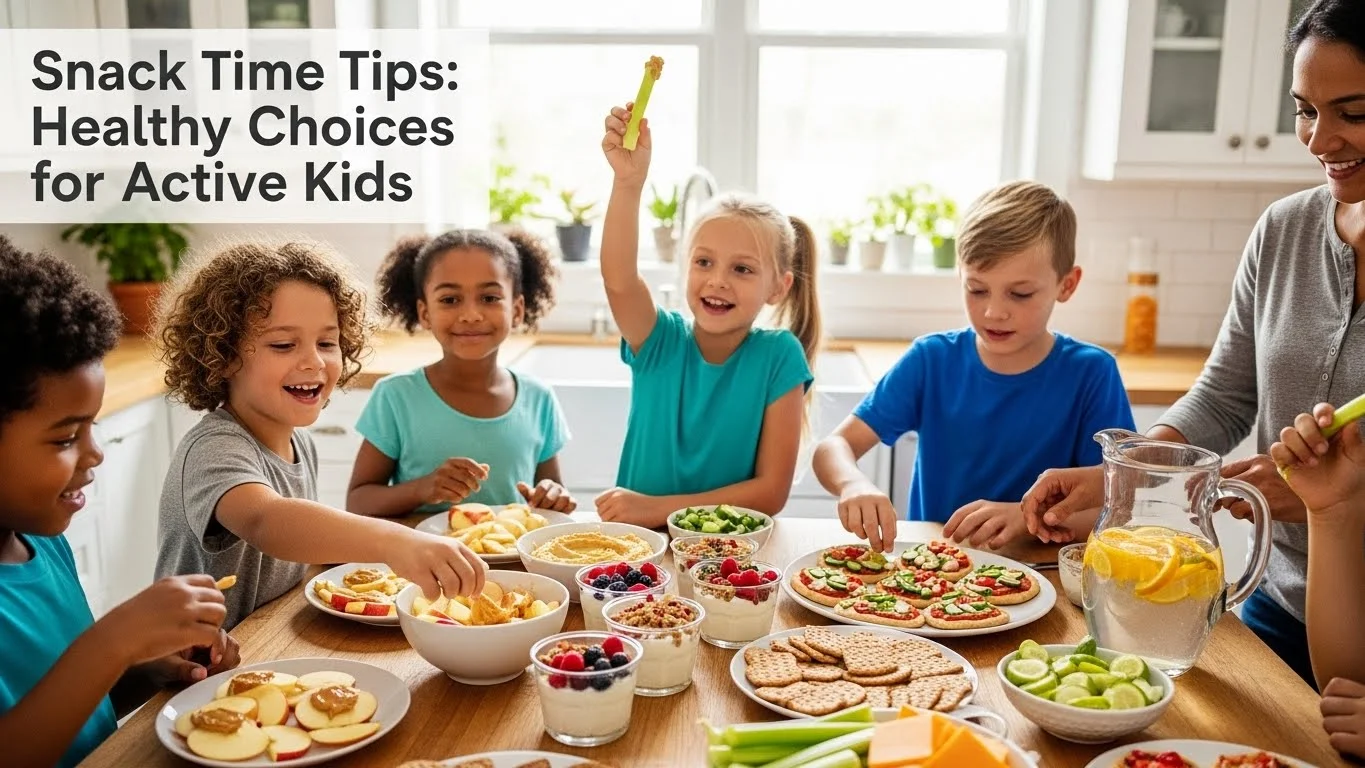
Snack time can be a fun and essential part of a child’s day, especially for active kids. Making healthy choices during this time can fuel their energy and keep them thriving. Let’s dive into some great tips together!
Understanding Nutritional Needs for Active Kids
As parents, we all want the best for our children, especially when it comes to their health and nutrition. Active kids need the right fuel to support their energetic lifestyles, and that’s where understanding their nutritional needs comes into play. It’s not just about what they eat, but how balanced their snacks are. I remember when my kids were younger; I often found myself overwhelmed by the sheer number of snack options available. However, once I learned the importance of balanced snacks, everything changed. Read Interesting article: Top 10 Budget-Friendly Snacks for Happy Kids
Importance of Balanced Snacks
Balanced snacks are crucial for active kids because they help maintain their energy levels throughout the day. I’ve noticed that when my kids snack on the right combinations of food, they’re more focused, happier, and ready to play. A well-rounded snack typically includes carbohydrates, proteins, and fats, along with essential vitamins and minerals. This balance ensures they get sustained energy instead of the quick bursts followed by crashes that often come with sugary snacks. From my experience, it’s vital to keep their snacks varied and interesting, so they look forward to eating healthy.
Macronutrients: Carbs, Proteins, and Fats
Understanding macronutrients is key to making healthy snack choices for active kids. Carbohydrates serve as the primary energy source, especially for children who are constantly on the move. Whole grains, fruits, and vegetables provide the energy they need. I often stock up on items like whole-grain crackers or oatmeal cookies, which my kids love. They’re not just tasty; they help keep energy levels steady.
Proteins are equally important, supporting growth and muscle repair. I try to include protein-rich snacks like yogurt, cheese, or nut butter in their diet. One of my go-to snacks is apple slices with almond butter; it’s a hit in our house! Healthy fats shouldn’t be overlooked either, as they support overall health and can keep kids full longer. Incorporating avocado or nuts into their snacks has made a noticeable difference in their satiety.
Micronutrients: Vitamins and Minerals
While macronutrients get a lot of attention, we shouldn’t forget about micronutrients like vitamins and minerals. These tiny nutrients play a huge role in supporting our kids’ immune systems, growth, and development. I’ve found that colorful fruits and vegetables are great sources of these essential nutrients. For instance, bell peppers, carrots, and berries not only add vibrant colors to their plates but also pack a powerful nutritional punch. I like to involve my kids in choosing fruits and veggies at the grocery store. It’s fun for them, and they’re more likely to eat what they pick out!
Another area where I’ve learned to pay attention is the importance of hydration. Sometimes, kids might confuse thirst with hunger, so I always offer water along with snacks. It’s an easy way to encourage them to stay hydrated and balanced. I’ve noticed that when we are out and about, simply having a water bottle on hand can make a world of difference.
In our case, prioritizing these nutritional aspects has transformed snack time from a chaotic moment into an enjoyable, health-focused experience. I remember a time when I felt lost about what to feed my kids, but after doing some research and experimenting with different snacks, I finally found a rhythm that works for us. I believe this journey is about finding what fits your family best, and I sincerely encourage you to explore it too!
With a better understanding of what our active kids need nutritionally, we can make informed choices that not only satisfy their appetites but also promote their well-being. The next step is to discover delicious healthy snack options that can keep them fueled and excited for their next adventure. Let’s explore that in the next section!
Healthy Snack Options for Kids
Fruits and Vegetables
Fruits and vegetables are some of the best snacks for active kids. They are packed with nutrients, low in calories, and full of fiber, which keeps our little ones feeling full longer. I remember the days when my kids were picky eaters, especially when it came to vegetables. It took some experimenting, but I discovered that making fruits and veggies fun and accessible was key. For instance, I often prepare colorful fruit skewers or create veggie sticks with a tasty dip. Not only do they look appealing, but they also encourage my kids to munch on something healthy. Plus, when we can pick fresh fruits from our local farmers’ market, it turns into a fun family outing that encourages healthy choices!
Whole Grains
Whole grains are another fantastic option. They provide the energy kids need without the sugar crashes that refined grains can cause. I like to incorporate foods like whole grain bread, brown rice cakes, or even homemade granola bars. One snack that has become a favorite in our home is whole grain toast topped with smashed avocado and a sprinkle of salt. It’s simple, delicious, and super nutritious! I’ve also learned that whole grain crackers paired with a little bit of cheese make for a satisfying snack that my kids love. These options keep their energy levels steady, especially after a long day of school or play.
Protein-Rich Snacks
Protein-rich snacks are essential, too. They help with muscle repair and keep kids feeling satisfied. I’ve found that including snacks like hard-boiled eggs, nut butter, or turkey slices can be a game-changer. One of my kids’ favorite snacks is a simple turkey roll-up with cheese. Just a few slices of turkey wrapped around a cheese stick, and they’re ready to go! I also like to make homemade trail mix with nuts, seeds, and a few dark chocolate chips. It’s a great way to boost protein while still keeping a touch of sweetness. I feel good knowing they are getting the protein they need alongside some healthy fats. Read Interesting article: Make These Quick DIY Healthy Snacks for Kids’ Lunchboxes
Dairy Alternatives
Dairy or dairy alternatives can also play a big role in snack time. Yogurt, especially the Greek variety, offers a great source of protein and probiotics. I often buy plain yogurt and allow my kids to customize it with fresh fruits or a drizzle of honey. It turns into a fun activity as they mix in their favorite toppings. If your child is dairy-free, there are excellent alternatives like almond or coconut yogurt that still provide a creamy texture and taste. I’ve also discovered that smoothies can be a fantastic way to incorporate dairy alternatives while sneaking in some spinach or kale. Blending fruits with a bit of almond milk makes for a delicious snack that my kids adore!
Healthy Fats
Don’t forget about healthy fats! Foods like avocados, nuts, and seeds are not only nutritious but also delicious. I often mash avocados to create a spread for whole grain toast or serve them as a side with meals. Nut butter is another favorite in our household; whether it’s almond, peanut, or sunflower seed butter, it adds flavor and nutrition to snacks. My kids love dipping apple slices into almond butter, and it’s such a tasty treat! I’ve also started adding chia seeds to smoothies and oatmeal, which is an easy way to boost nutrition without altering the taste significantly.
Exploring these healthy snack options has been a rewarding journey for our family. I’ve seen how these choices positively impact my kids’ energy levels and moods. I highly recommend experimenting with different combinations to see what resonates with your children. It’s all about making snack time enjoyable and nutritious!
Snack Time Strategies
Planning Ahead: Meal Prep Tips
One of the most effective strategies I’ve discovered for making healthy snacks is planning ahead. I used to scramble for something nutritious when hunger struck, and that often led to grabbing less healthy options. Now, I spend a little bit of time on the weekends preparing snacks for the week. It’s become part of our family routine! I set aside an hour or two to chop vegetables, portion out fruits, and even bake some healthy treats like oatmeal cookies or granola bars. This way, when the kids come home from school or need a quick snack, everything is ready to go. I find that having prepped snacks not only saves time but also reduces stress during busy days. Plus, my kids love the variety they find in the snack bins!
Involving Kids in Snack Preparation
Involving my kids in the snack preparation process has been a game-changer. Not only does it make them excited about what they’ll eat, but it also teaches them valuable skills. I remember the first time I let my oldest help me make smoothies. We gathered fruits, yogurt, and even spinach, and as we blended everything together, he was thrilled to see how delicious it turned out. Now, he often chooses the ingredients, and I think it has encouraged him to try new things. I also have my younger ones help with washing fruits and veggies or arranging snacks on a plate. It’s a fun activity that brings us together, and they’re more likely to eat what they’ve helped prepare!
Portion Control for Active Kids
When it comes to portion sizes, I’ve learned that less can be more. I initially thought that bigger portions meant more satisfaction for my kids, but I found that smaller, balanced portions work much better. I often use small containers or bags to portion out snacks, like nuts or cheese cubes, so they get just the right amount. This way, my kids can learn to recognize their hunger cues without overindulging. I feel good knowing that they are getting enough to fill them up without feeling stuffed. Plus, it’s a great opportunity to teach them about moderation and listening to their bodies!
Time of Day: When to Offer Snacks
Another aspect I’ve considered is the timing of snacks. I’ve noticed that offering snacks at the right times can greatly affect my kids’ energy levels and moods. For example, before heading out for sports or physical activities, I make sure to provide a snack that’s rich in carbohydrates and a bit of protein, like a banana with a spoonful of peanut butter. It gives them the fuel they need without weighing them down. After activities, I aim for a protein-rich snack to help with recovery, like yogurt or a turkey wrap. It’s all about finding a rhythm that suits their daily activities and ensures they’re always ready to take on the next challenge!
Smart Snack Combinations
Fruit and Nut Butter Pairings
One of my family’s favorite snack combinations is fruit paired with nut butter. I love how versatile this pairing can be! Whether it’s apple slices with almond butter or banana halves with peanut butter, it’s always a hit. Sometimes, we even sprinkle a bit of cinnamon on top for an extra flavor kick. This combination not only satisfies their sweet tooth but also provides a good mix of carbohydrates, protein, and healthy fats. I find that it keeps them full longer, which is essential, especially during busy afternoons.
Yogurt and Granola Mix
Yogurt mixed with granola is another winning combo in our household. I usually start with plain yogurt, which is high in protein, and let the kids choose their favorite granola. They often add fresh fruits or a drizzle of honey to customize their bowl. I’ve noticed that this snack keeps their energy levels steady and is a great way to sneak in some probiotics, too. It’s also a great alternative to sugary cereals that they might be tempted to grab instead!
Veggies with Hummus or Dip
When it comes to vegetables, I’ve found that pairing them with a tasty dip can make all the difference. Hummus is a favorite in our house, and I love how it makes carrots, cucumbers, and bell peppers more appealing. Sometimes, I’ll set up a small platter with a variety of veggies and dips, turning snack time into a mini party! This not only encourages my kids to eat their vegetables but also helps them explore new tastes and textures, which is something I really value.
Whole Grain Crackers and Cheese
Whole grain crackers with cheese is an easy and satisfying option that my kids can’t resist. I often pair them with a slice of cheddar or mozzarella, and it’s a quick snack that provides a good balance of carbohydrates and protein. Sometimes I spice things up by adding some sliced turkey or a few grapes for sweetness. This combination has become a staple in our snack rotation, and I love how it’s both convenient and nutritious! Read Interesting article: Simple DIY Healthy Snacks for Kids Under 5 Ingredients
Snack Ideas for Different Activities
Before Sports and Physical Activities
When my kids have sports activities, I’ve learned to prepare snacks that will give them the right energy boost without weighing them down. A small whole grain bagel with a bit of nut butter is a perfect choice, along with a piece of fruit like an apple or banana. These snacks provide the carbohydrates they need to power through their games while still being easy to digest. I feel good knowing I’m fueling their bodies for success!
Post-Activity Recovery Snacks
After a long practice or game, it’s important for my kids to refuel properly. I usually have protein-rich snacks ready, like a smoothie made with Greek yogurt and their favorite fruits, or a simple turkey and cheese wrap. These options help with muscle recovery and keep them satisfied until dinner. I find that kids are often hungrier after activities, and having these nutritious options on hand ensures they get the right nutrients to recover well!
Snacks for School Lunches
For school lunches, I like to pack snacks that are not only healthy but also easy for my kids to eat. A small container of mixed nuts, dried fruit, and whole grain crackers usually makes the cut. I also love including some cut-up veggies with a small portion of hummus or ranch dip, along with a piece of fruit or a homemade granola bar. They appreciate the variety, and I feel good knowing they’re getting a balanced snack during the school day!
On-the-Go Snack Solutions
When we’re out and about, having on-the-go snacks is essential. I often prepare snack bags with items like trail mix, energy balls, or yogurt tubes. These snacks are easy to pack and require no preparation on location. I remember a trip where we had a long drive; having these healthy snacks ready made a world of difference. Not only did my kids stay satisfied, but it kept the energy levels up, making the journey much more enjoyable for all of us!
Frequently Asked Questions
Why are balanced snacks important for active kids?
Balanced snacks are crucial for active kids as they help maintain energy levels throughout the day. A well-rounded snack includes carbohydrates, proteins, and fats, along with essential vitamins and minerals, ensuring sustained energy without quick crashes often associated with sugary snacks.
What macronutrients should I focus on for my child’s snacks?
Focus on carbohydrates, proteins, and healthy fats. Carbohydrates provide energy, proteins support growth and muscle repair, and healthy fats help keep kids full longer. Including whole grains, yogurt, and nut butter in their snacks can create a balanced intake.
How can I ensure my child is getting enough vitamins and minerals?
Incorporate colorful fruits and vegetables into their snacks, as these are great sources of essential vitamins and minerals. Involving your kids in choosing fruits and veggies at the grocery store can make them more likely to eat what they pick out.
What are some healthy snack options for kids?
Healthy snack options include fruits and vegetables, whole grains, protein-rich snacks like hard-boiled eggs and turkey slices, dairy or dairy alternatives like yogurt, and healthy fats such as avocados and nuts.
What snack combinations work well for kids?
Some great snack combinations include fruit with nut butter, yogurt mixed with granola, veggies with hummus or dip, and whole grain crackers with cheese. These combinations provide a balance of carbohydrates, protein, and healthy fats.
How can I prepare healthy snacks in advance?
Planning ahead is key. Spend some time on weekends preparing snacks by chopping vegetables, portioning out fruits, and baking healthy treats. This way, you can provide quick, nutritious options during busy days.
How can I involve my kids in snack preparation?
Involving kids in snack preparation can make them excited about what they eat. Let them help choose ingredients, wash fruits and veggies, or arrange snacks on a plate. It can also teach them valuable skills and encourage them to try new things.
What portion sizes are best for active kids?
Smaller, balanced portions are often more effective than larger ones. Using small containers or bags to portion out snacks can help kids learn to recognize their hunger cues and avoid overindulging.
When should I offer snacks to my kids?
Offer snacks at strategic times, such as before physical activities to provide energy and after activities for recovery. Timing snacks according to their daily activities can greatly affect their energy levels and moods.
What are some good snacks for school lunches?
For school lunches, consider packing mixed nuts, dried fruit, whole grain crackers, cut-up veggies with hummus or ranch dip, and fruits or homemade granola bars. These options are healthy and easy for kids to eat during the school day.