
As backpackers set out on adventures, social media often tags along, shaping our experiences. But what hidden effects does this digital connection have on our mental health? Let’s explore this intricate relationship together.
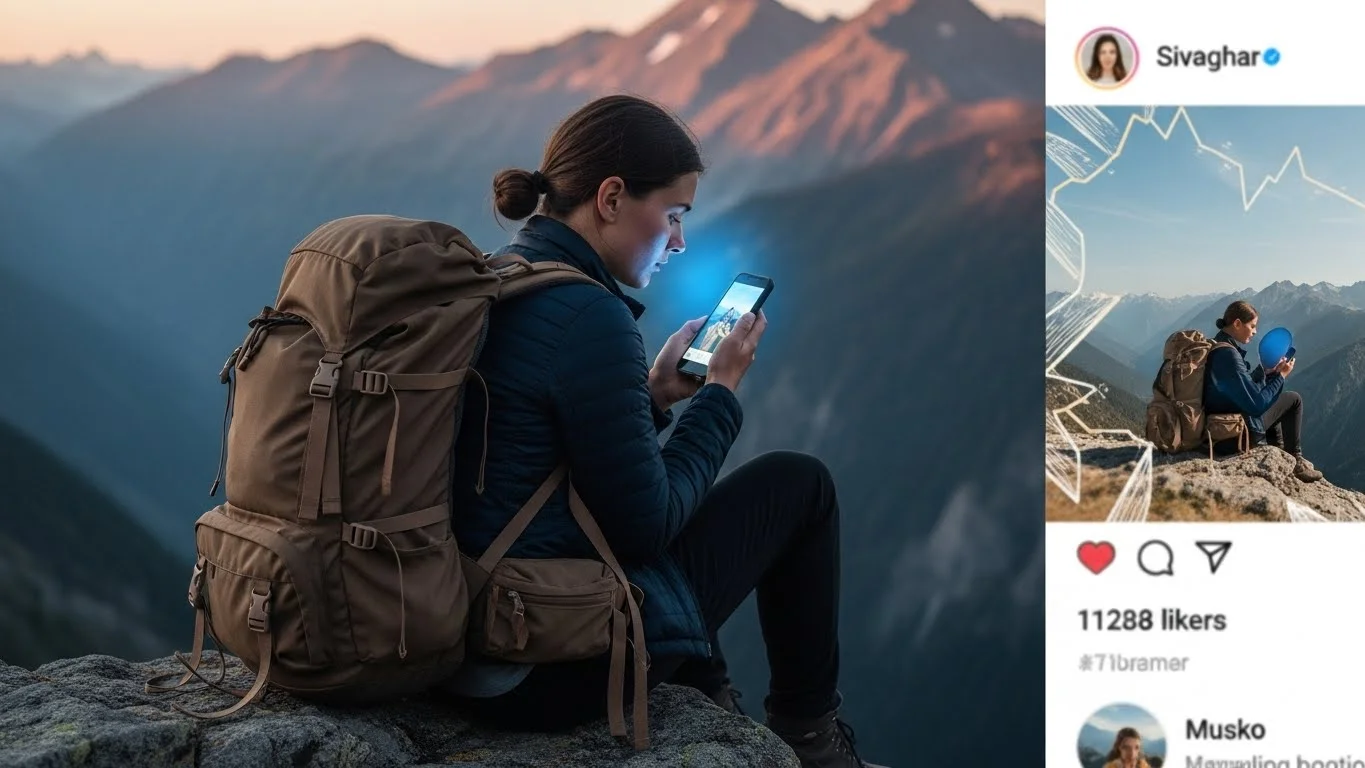
Understanding the Connection Between Social Media and Mental Health
When I first hit the road with my backpack, I was filled with excitement and a sense of freedom. However, I quickly realized that my social media accounts were always just a click away, influencing my thoughts and feelings throughout my journey. Social media offers an incredible platform for sharing experiences, but it also carries unexpected consequences for our mental wellbeing. As I connected with fellow travelers online, I began to notice how deeply intertwined our social media habits were with our overall happiness and mental health during our adventures.
The Role of Social Media in Modern Backpacking
These days, social media is almost a staple for backpackers. I remember scrolling through Instagram, getting lost in beautiful photos of far-off places, and feeling inspired to explore more. Social media connects us to a vast community of travelers, offering tips, recommendations, and even friendships. With just a post or a tweet, we can share our experiences and draw inspiration from others. I found that platforms like Instagram and Facebook allowed me to document my journey, but they also created a constant buzz in my mind about how my adventures compared to others. I could see my friends’ experiences and felt the pressure to match up, which created a complicated mix of motivation and anxiety.
Defining Mental Health in the Context of Travel
Mental health, especially in the context of travel, isn’t just about the absence of anxiety or depression; it’s also about feeling fulfilled, connected, and at peace with ourselves. I’ve often reflected on how my travels made me feel alive, yet I sometimes struggled with feelings of isolation or self-doubt when comparing my experiences to the highlight reels of others online. Being on the move can be exhilarating, but it can also come with challenges. Understanding mental health in this context means recognizing both the highs and lows of our journeys. The joy of discovering a hidden gem can quickly be overshadowed by the feeling that we’re not experiencing enough or that we don’t belong in the travel community. This duality can have a significant impact on how we perceive ourselves during our adventures.
Positive Impacts of Social Media on Backpackers’ Mental Health
Community Building and Support Networks
One of the most powerful aspects of social media for backpackers is the ability to build a supportive community. I remember posting about a particularly challenging hike, and to my surprise, I received an outpouring of support and advice from fellow travelers. This sense of community can be incredibly uplifting. We can connect with others who share our passions, offering encouragement and advice when we need it most. During times of loneliness or difficulty, having a network of like-minded individuals can help us feel less isolated. I’ve met friends from all over the world through social media, and many of those connections have blossomed into real-life friendships that enriched my traveling experience.
Access to Information and Resources
Social media is a treasure trove of information for travelers. When I’m planning a trip, I often turn to travel blogs and social media platforms for tips on destinations, safety, and local customs. The wealth of resources available can make a big difference in alleviating anxiety about traveling to new places. I’ve discovered hidden gems and unique experiences I would have missed without insights from others. This access to information can empower us, making us feel more prepared and confident as we navigate unfamiliar territories. Travel tips to enhance your child’s social skills can also be a valuable resource for families on the road.
Inspiration and Motivation through Travel Stories
Scrolling through travel stories can be a source of immense inspiration. I often find myself captivated by the tales of fellow backpackers who have braved daunting challenges or embraced incredible adventures. These stories fuel my imagination and motivate me to step out of my comfort zone. The positive energy from these experiences can create a ripple effect, encouraging us to explore new paths and broaden our horizons. I’ve learned that sharing my own travel stories can also inspire others, creating a cycle of motivation that helps everyone involved feel more connected and uplifted.
Negative Impacts of Social Media on Backpackers’ Mental Health
Comparison Culture and Its Effects
As I delved deeper into my backpacking adventures, I began to notice an unsettling trend: the constant comparison to others. It’s almost impossible to scroll through Instagram or Facebook without encountering someone’s jaw-dropping travel photos or epic stories. While I found inspiration in these posts, I also felt the weight of comparison creeping in. I can’t tell you how many times I looked at someone else’s breathtaking sunset shot from a mountain I had climbed, and instead of feeling joy, I felt a pang of inadequacy. This comparison culture can distort our self-image and make us question our own experiences. I learned that it’s easy to forget that social media often showcases only the highlights of someone’s journey, not the struggles or mundane moments that are part of travel. I had to remind myself that my own adventure was valid, even if it didn’t look as glamorous as someone else’s online persona.
Fear of Missing Out (FOMO) and Anxiety
FOMO is a term that gets thrown around a lot these days, and for good reason. I think many of us, especially as backpackers, have experienced that sinking feeling of anxiety when we see our friends embarking on exciting trips without us. I remember flicking through my feed and seeing friends sharing their adventures, and suddenly, I felt like I was missing out on something incredible. It’s a double-edged sword; while social media connects us to new experiences, it can also amplify feelings of isolation when we can’t participate. I found that this fear of missing out often overshadowed my own travels, making me feel less satisfied with my current journey. It took conscious effort to focus on enjoying the moment and appreciating what I was experiencing rather than fixating on what others were doing. I discovered that setting limits on my social media use while traveling helped ease that anxiety and allowed me to fully immerse myself in my own adventures.
Cyberbullying and Online Harassment
While I experienced some of the positive aspects of social media, I also witnessed the darker side. It’s disheartening to see how some travelers face judgment, negativity, or even outright harassment online. I’ve heard stories of backpackers who faced backlash for their choices, whether it was their travel style, their opinions, or even their appearance. I remember a friend sharing a story about posting a photo from a popular tourist spot only to receive cruel comments about how they were “doing it wrong.” This kind of negativity can have profound effects on a person’s mental health. It made me realize how important it is to foster a culture of kindness and support within our travel community. We should be uplifting each other, not tearing each other down. I believe that by sharing our experiences honestly and compassionately, we can create an environment where everyone feels welcome and valued.
Social Media Usage Patterns Among Backpackers
Popular Platforms and Their Specific Impacts
As backpackers, we often gravitate toward certain platforms that resonate with our travel lifestyle. I’ve found that Instagram is particularly popular for its visual appeal, allowing us to showcase stunning landscapes and moments in real time. However, I’ve also noticed how platforms like Facebook and TikTok offer different dynamics. Facebook allows for deeper connections through groups and discussions, while TikTok provides quick, engaging content that often gives a glimpse of travel hacks and experiences in a fun way. Each platform has its unique impact; for instance, while Instagram can sometimes fuel comparison, TikTok often leads to laughter and lightheartedness, which can be refreshing. Understanding the nuances of these platforms can help us navigate our social media usage more mindfully.
Frequency and Duration of Social Media Use
How often we check our social media accounts while traveling can significantly influence our mental health. I remember during one of my trips, I found myself mindlessly scrolling for hours instead of exploring the beautiful city around me. I realized that this habit not only distracted me from my surroundings but also drained my energy. I began to monitor how frequently I used social media and set specific times to check my accounts. By limiting my usage, I noticed I was able to engage more deeply with my environment, leading to richer experiences. I believe establishing a balance between online and offline interactions is crucial for our mental wellbeing while we travel.
Content Creation vs. Consumption
When I’m on the road, I often grapple with the choice between creating content for social media and simply being present in the moment. I’ve experienced the thrill of capturing a perfect shot or sharing an exciting moment online, but I’ve also felt the pressure to produce ‘Instagram-worthy’ content. This often led to a conflict between enjoying my experiences and feeling obligated to document them. I learned that finding a balance is key. Sometimes, I put my phone away and just soak in the beauty around me, reminding myself that not every moment needs to be shared. On the other hand, I’ve also found joy in creating content that reflects my authentic experiences, connecting me with others who share similar passions. It’s all about striking the right balance between being a creator and a traveler.
Coping Mechanisms and Strategies for Backpackers
Setting Healthy Boundaries with Social Media
As I navigated my backpacking adventures, I quickly realized that setting healthy boundaries with social media was crucial for my mental well-being. I remember one trip where I felt overwhelmed by the constant urge to check my notifications. It started to interfere with my experiences, pulling my attention away from the stunning landscapes and vibrant cultures around me. I decided to implement some boundaries that made a significant difference. For instance, I began designating specific times during the day to engage with social media, allowing myself to fully immerse in my surroundings without interruption. This simple change helped me savor the moment more; I could enjoy a breathtaking view without feeling the need to immediately share it online. I recommend trying to create a digital time-out during your travels, whether it’s a couple of hours or even a whole day, to reconnect with the world around you.
Mindfulness Practices for Digital Detox
Mindfulness became an essential practice for me during my travels, especially in relation to my social media usage. I discovered that taking a moment to breathe and ground myself before diving into my feeds made a world of difference. On one memorable hike, I took a break to meditate amidst nature. Instead of scrolling, I focused on my breathing and the sounds of the forest. It was a liberating experience that allowed me to appreciate the beauty around me without distractions. I found that incorporating mindfulness techniques, such as deep breathing or even short meditative walks, helped me resist the pull of social media. By being present, I learned to engage more fully with my adventures, leading to more enriching experiences and deeper reflections.
Engaging with Offline Communities and Experiences
While social media can connect us, I’ve often found that some of my best experiences come from engaging with people face-to-face. I remember attending a local meetup organized through a travel group I found online. It was refreshing to step away from my screen and share stories and laughter with fellow backpackers in person. These offline interactions often felt more genuine and fulfilling. I started to seek out local events, workshops, or even casual meetups during my travels, which not only enriched my journey but also helped me forge real connections without the digital interference. I encourage anyone on the road to make a conscious effort to engage with offline communities. You never know what friendships may blossom or what new adventures await when you step outside the virtual world.
Case Studies and Personal Experiences
Interviews with Backpackers on Their Social Media Usage
To get a broader perspective, I reached out to fellow backpackers to share their experiences with social media. One friend, Sarah, told me about her journey of learning to balance her online presence with her actual experiences. She recounted a time when her social media use spiraled out of control during a solo trip to Southeast Asia. Instead of immersing herself in the culture, she found herself preoccupied with getting the perfect shot for Instagram. After realizing how much she was missing, she decided to limit her posts to just a few highlights and focused on documenting her journey privately in a travel journal. Not only did this shift enhance her experience, but it also provided a deeper sense of fulfillment. Hearing stories like Sarah’s helped me see that many backpackers face similar struggles, but there are paths to reclaiming our travel joy.
Success Stories of Overcoming Social Media-Induced Anxiety
Another inspiring story came from Mark, who faced intense anxiety due to constant comparisons on social media. He shared how he took a break from all platforms after feeling overwhelmed by the constant urge to compete with others’ travel experiences. During his time away, he focused on personal growth and exploring his passions, such as photography and writing. When he eventually returned to social media, he did so with a new perspective, prioritizing authenticity over likes. Mark started sharing his journey in a way that felt true to himself, which not only eased his anxiety but also resonated with many of his followers. His success story reminded me that while social media can be a source of pressure, it can also be a platform for genuine self-expression when used mindfully.
Expert Opinions on Social Media and Mental Health
Insights from Psychologists and Mental Health Professionals
I’ve found it incredibly helpful to seek out expert opinions on the relationship between social media and mental health. In conversations with psychologists, I learned that many professionals emphasize the importance of digital literacy as part of mental wellness, especially for backpackers who are constantly exposed to curated online content. Dr. Lisa, a psychologist who specializes in travel-related anxiety, explained how social media can create an unrealistic depiction of travel experiences. She pointed out that while it’s natural to feel excitement and joy when seeing beautiful photos, it’s also crucial to remember that these images do not represent the full reality of a traveler’s journey. Her insights resonated with me; it highlighted the importance of mindfulness when consuming travel content online. We must remember that behind every stunning post, there are moments of struggle, boredom, and vulnerability as well.
Another expert I spoke with, Dr. James, discussed the impact of social media on self-esteem. He emphasized that constant online comparison can lead to feelings of inadequacy, particularly among young travelers. I realized he was right; I had felt those pangs of self-doubt myself. Dr. James suggested that instead of unfollowing accounts that make us feel bad, we should curate our feeds to follow accounts that inspire positivity and authenticity, such as Essential Social Skills for Young Travelers: A Guide. This small shift can significantly change how we perceive our journeys and ourselves.
Research Findings on Social Media’s Effects on Wellbeing
Research on social media’s effects on mental health has been extensive, and I’ve come across some fascinating studies. For instance, a study from the Journal of Travel Research found that backpackers who actively engaged with supportive online communities reported higher levels of satisfaction during their travels. This finding aligns with my personal experiences and those of my friends; we all felt more fulfilled when we connected with others who understood our adventures. Conversely, other studies have shown a correlation between high social media usage and increased anxiety levels. It’s a delicate balance, and I’ve learned that being intentional about how we use these platforms can greatly influence our mental wellbeing.
Understanding these research findings helps reinforce the idea that social media can be both a source of joy and a potential stressor. It encourages us to be proactive in how we engage, ensuring that our online interactions enhance rather than detract from our travel experiences. Read Interesting article: Uninvolved Parenting: The Hidden Impact on Child Development
Final Thoughts
As I reflect on my own journey and the experiences shared by fellow backpackers, it’s clear that social media plays a complex role in our travel adventures. It can foster connections, provide valuable information, and inspire us to explore new horizons. However, it’s equally important to be aware of its potential downsides, such as comparison culture and the pressures of presenting a perfect online persona. I believe that finding a balance is essential. Setting healthy boundaries, practicing mindfulness, and engaging with offline communities have all contributed to richer, more fulfilling experiences for me.
As we navigate this digital age, let’s remember that our worth isn’t determined by likes or followers. Our travel stories are unique, filled with both challenges and triumphs. By embracing authenticity and supporting each other, we can create a more positive travel community. So, the next time you find yourself scrolling through social media during your travels, take a moment to reflect on what truly matters: the experiences we create, the people we meet, and the memories we cherish. Let’s enjoy our adventures, both online and offline, and remember to savor each moment.
Frequently Asked Questions
How does social media influence backpackers’ mental health?
Social media influences backpackers’ mental health by offering a platform for sharing experiences, which can lead to feelings of connection and inspiration. However, it can also create pressure through comparison culture and feelings of inadequacy, affecting overall happiness during travels.
What are some positive impacts of social media on backpackers?
Positive impacts include community building and support networks, access to valuable travel information and resources, and inspiration from fellow travelers’ stories, which can motivate individuals to explore and embrace new adventures.
What negative effects can arise from social media use among backpackers?
Negative effects include comparison culture, which can distort self-image and create feelings of inadequacy, fear of missing out (FOMO) that amplifies feelings of isolation, and potential experiences of cyberbullying or online harassment.
What is the importance of setting boundaries with social media while traveling?
Setting boundaries with social media is crucial for mental well-being. It helps individuals focus on their surroundings, enjoy experiences fully, and avoid distractions that can detract from the travel experience.
How can mindfulness practices help backpackers manage their social media use?
Mindfulness practices can help backpackers engage more fully with their surroundings and resist the urge to constantly check social media. Techniques like deep breathing and meditative walks foster a greater appreciation for the present moment.
What strategies can backpackers use to cope with social media-induced anxiety?
Backpackers can cope with social media-induced anxiety by limiting their usage, focusing on authentic content creation, and engaging with offline communities to foster genuine connections and experiences.
What role does comparison culture play in the mental health of backpackers?
Comparison culture can lead to feelings of inadequacy and self-doubt among backpackers, as they may find themselves measuring their experiences against curated online content that often showcases only the highlights of travel.
How can backpackers find a balance between online presence and being present in the moment?
Backpackers can find balance by designating specific times for social media use and prioritizing real-life interactions and experiences over the pressure to document every moment online.
What insights do mental health professionals provide about social media and travel?
Mental health professionals emphasize the importance of digital literacy and suggest curating social media feeds to follow accounts that inspire positivity and authenticity, helping to mitigate feelings of inadequacy.
What does research say about the relationship between social media use and mental well-being in backpackers?
Research indicates that engaging with supportive online communities can enhance satisfaction during travels, while high social media usage correlates with increased anxiety levels. Intentional use of social media is essential for mental well-being.