
Traveling can be one of the most exhilarating experiences, but it often comes with its own set of emotional challenges. Staying calm on the road is essential for enjoying the journey, and developing emotional skills can make all the difference. Read Interesting article: Emotional Resilience: Essential Skills for Budget Travelers
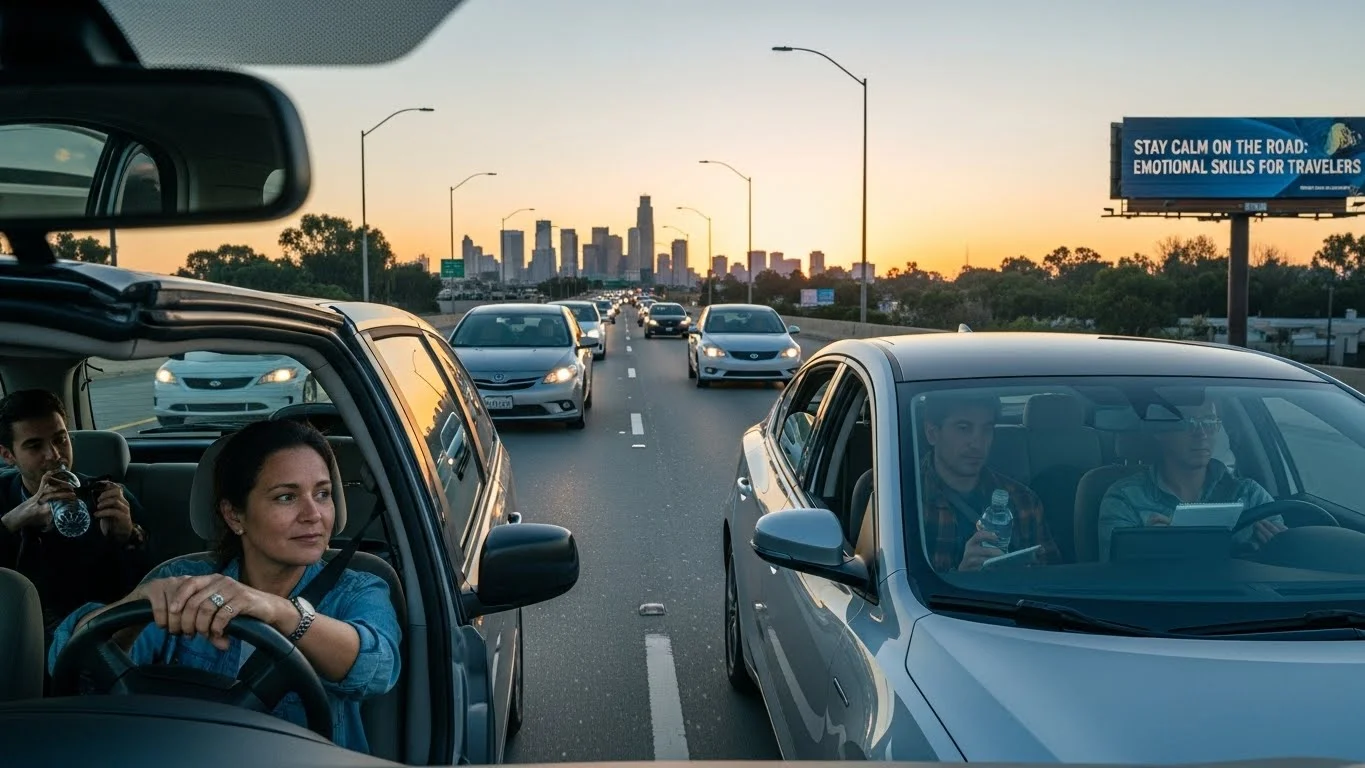
Understanding Emotional Skills for Travelers
What Are Emotional Skills?
Emotional skills are the abilities we use to understand, manage, and express our feelings effectively, both in ourselves and in our interactions with others. I’ve come to realize that these skills encompass self-awareness, empathy, emotional regulation, and communication. For instance, when I travel, I often encounter new cultures and environments that can stir various emotions, from excitement to anxiety. Understanding my feelings helps me to respond appropriately rather than react impulsively. I believe that when we equip ourselves with emotional skills, we can navigate the complexities of travel much more smoothly.
Importance of Emotional Intelligence in Travel
Emotional intelligence (EI) plays a crucial role in enhancing travel experiences. I remember a trip where I faced unexpected delays at the airport. Instead of letting frustration take over, I tapped into my emotional intelligence. I recognized my irritation, acknowledged it, and chose to shift my focus to something more positive—like reading a book or striking up a conversation with a fellow traveler. This shift not only made the wait bearable but also turned it into an opportunity to connect with someone new. Emotional intelligence helps us to stay adaptable, understand others, and maintain our sense of calm, even when things don’t go as planned.
Preparing for Your Journey: Mental Readiness
Setting Realistic Expectations
Before I embark on any journey, I take time to set realistic expectations. I’ve learned that travel doesn’t always go as smoothly as I’d like, and that’s okay! For example, I used to imagine every trip would be a flawless adventure filled with picturesque moments. However, my experiences taught me that delays, misunderstandings, and cultural differences are part of the package. By anticipating these possibilities and accepting that not everything will be perfect, I manage to keep my stress levels down and enjoy the ride. I recommend making a list of potential challenges you might face and brainstorming how you can handle them. This practice really helps me feel prepared and less anxious.
Building a Positive Mindset
Having a positive mindset is another essential part of mental readiness for travel. I often remind myself to focus on the opportunities that travel brings rather than the obstacles. One technique that works for me is keeping a travel journal. Before my trips, I jot down what I’m excited about and what I hope to gain from the experience. This practice not only boosts my enthusiasm but also helps me reflect on my journey afterward. When challenges arise, I look back at my notes and remind myself of the bigger picture and the joy that travel brings. I encourage you to embrace a positive mindset—it can transform your travels into something truly magical.
Visualization Techniques for Stress-Free Travel
Visualization is a powerful tool that I often use to prepare myself mentally for travel. Before I hit the road, I take a few moments to visualize each part of my journey. I imagine myself navigating through the airport, boarding the plane, and arriving at my destination with ease. I picture myself interacting with locals, trying new foods, and enjoying breathtaking sights. This technique has helped me reduce anxiety by creating a mental roadmap of my trip. When I visualize success, I feel more in control and less stressed. I suggest giving this a try; it’s a simple but effective way to boost your confidence before heading out on your adventure.
Managing Stress on the Road
Recognizing Triggers: Common Stressors for Travelers
On the road, stress can creep in from various sources. I’ve noticed that common stressors include flight delays, language barriers, and navigating unfamiliar places. When I first started traveling, even the smallest hiccup would throw me off balance. But over time, I learned to recognize my triggers and prepare for them. For example, when I sense that I’m getting anxious about a language barrier, I remind myself to take a deep breath and use simple phrases or gestures to communicate. Awareness of what stresses me out allows me to address it proactively rather than reactively.
Practical Stress Management Techniques
Managing stress on the road is vital for a pleasant journey. I’ve found several techniques that work wonders for me, and I’d love to share them with you.
Deep Breathing Exercises
One of my go-to techniques is deep breathing. When I start to feel overwhelmed, I take a moment to pause and focus on my breath. I inhale deeply through my nose, hold it for a few seconds, and then slowly exhale through my mouth. I repeat this a few times until I feel my tension release. It’s amazing how such a simple practice can ground me and help clear my mind.
Mindfulness Meditation
Mindfulness meditation has also been a game-changer for me. Just five to ten minutes of focusing on the present moment can help me regain my composure. I usually find a quiet spot or even sit on my plane seat, close my eyes, and concentrate on the sensations in my body. This practice helps me let go of anxiety and stay present in my travel experience.
Grounding Techniques
Lastly, grounding techniques are incredibly effective. When I feel anxious, I focus on my surroundings to reconnect with the present. I might describe what I see, hear, or feel in that moment to myself. This not only distracts me from my worries but also reminds me that I am safe and supported.
Coping with Travel Anxiety
Identifying Anxiety Symptoms
Travel anxiety can sneak up on us, often showing up in ways we might not immediately recognize. I’ve experienced this firsthand—my heart races, palms get sweaty, and I find myself overthinking every little detail before a trip. It took me a while to pinpoint these symptoms as anxiety rather than just excitement or nerves. For many, travel anxiety manifests as restlessness, irritability, or even physical symptoms like headaches or stomachaches. If you notice that your mind is racing or that you’re feeling unusually tense about an upcoming trip, I encourage you to take a step back and reflect on whether these feelings might be rooted in anxiety. Acknowledging these symptoms is the first step toward addressing them and finding a way to cope.
Strategies to Overcome Travel Anxiety
Overcoming travel anxiety is something I’ve worked on over the years, and I’ve discovered several strategies that have helped me immensely. It’s about finding what resonates with you and making it a part of your travel preparation.
Preparing for Uncertainty
One of the most effective strategies I’ve found is preparing for uncertainty. When I plan my trips, I make it a point to research not just my destination but also the potential hiccups I might encounter—like weather changes or local customs. I think of these as “what-if” scenarios and formulate a plan for each. For instance, if there’s a chance of rain during my beach vacation, I pack a light rain jacket and think of alternative indoor activities. By having a plan in place, I feel more in control and less anxious about what could go wrong. This proactive approach has truly transformed my travel experience. Read Interesting article: How Authoritative Parenting Shapes Future Travelers
Creating a Comfort Kit
Another strategy that has worked wonders for me is putting together a comfort kit. This is a small collection of items that provide me with a sense of calm when traveling. My kit usually includes a cozy travel blanket, my favorite snacks, a small journal, and even a stress ball. I also add a few essential oils that I find soothing. Whenever I start to feel anxious, I reach for my comfort kit, and it’s like having a little piece of home with me. I can take a moment to breathe deeply and remind myself that I am prepared for whatever the journey throws my way.
Effective Communication Skills for Travelers
Building Rapport with Locals
One of the most rewarding aspects of travel is engaging with the locals. I’ve learned that building rapport can significantly enhance my travel experience. I remember being in a small village in Italy, and I made an effort to learn a few key phrases in Italian. The smiles and warmth I received in return were unforgettable. I believe that when we open ourselves up to communication, even if it’s just basic greetings or expressions of gratitude, we create a friendly atmosphere that encourages deeper interactions. It’s amazing how a simple “hello” or “thank you” can break down barriers and foster connections.
Expressing Needs and Boundaries
Another important aspect of communication while traveling is expressing our needs and boundaries. I’ve found that being clear about what I need—whether it’s dietary restrictions or the pace I prefer when exploring—can alleviate potential stressors. I used to hesitate to speak up, thinking I would be a burden, but I soon realized that most people appreciate honesty. If I’m at a restaurant and need modifications to a dish, I confidently ask the staff. As a traveler, it’s crucial to advocate for ourselves so we can have a more enjoyable experience.
Handling Miscommunications Gracefully
Miscommunications are bound to happen when navigating different languages and cultures. I’ve had my fair share of awkward moments that turned out to be hilarious in hindsight. For example, once, I mistakenly ordered an entire platter of food instead of a single dish because I confused the menu terms. Instead of feeling embarrassed, I laughed it off and shared the extra food with fellow travelers. I think it’s essential to approach these situations with grace and humor. A smile can bridge many gaps, and being light-hearted about misunderstandings not only makes the experience more enjoyable but also fosters connections with others.
Emotional Resilience During Travel
Adapting to Change and Unexpected Situations
Traveling often requires us to adapt to change and unexpected situations. I remember a trip where my itinerary suddenly changed due to unforeseen circumstances. Instead of panicking, I took a moment to breathe and reassess my options. I found joy in the spontaneity of the situation and ended up discovering a hidden gem that I wouldn’t have otherwise visited. Developing emotional resilience means being flexible and open to the unexpected. It’s about embracing the journey, with all its twists and turns, and recognizing that sometimes, the best memories come from the unplanned moments.
Finding Positives in Challenging Circumstances
When faced with challenges, I try to actively look for the positives. For example, during a long layover at the airport, I took it as an opportunity to explore the airport’s shops and eateries. I found a unique souvenir and had a delicious meal that I wouldn’t have tried otherwise. Shifting my perspective to focus on the silver linings has helped me cultivate a more joyful travel experience. I encourage you to practice this mindset; it can transform a frustrating situation into an adventure.
Practicing Gratitude on the Road
Finally, practicing gratitude during travel has become a central part of my journey. I often take a moment each day to reflect on the experiences I’m grateful for, whether it’s a stunning sunset, a new friend, or simply the opportunity to explore a new place. I even jot these down in my travel journal. This practice not only enhances my enjoyment but also helps me maintain a positive outlook, no matter the circumstances. I believe that gratitude has the power to shift our focus and enrich our travel experiences.
Enhancing Your Travel Experience Through Emotional Skills
Connecting with Fellow Travelers
One of the best parts of traveling is meeting new people. I’ve found that connecting with fellow travelers can really enrich my experience. When I travel alone, I often make a point to strike up conversations with people I meet along the way. Whether it’s sharing stories over a meal or joining a group tour, these interactions often lead to unexpected friendships. I remember one instance in a bustling market in Thailand where I met a couple from Australia. We ended up spending the whole day together exploring, laughing, and sharing travel tips. It reminded me how important it is to be open and approachable. I encourage you to take a leap and engage with others; you never know what incredible connections you might make!
Embracing Cultural Differences
Traveling exposes us to a myriad of cultures, each with its own unique customs and ways of life. I’ve learned that embracing these differences can deepen my appreciation for the places I visit. For instance, when I traveled to Japan, I made an effort to understand their customs, like bowing as a form of greeting and the importance of removing shoes before entering homes. Initially, I felt a bit out of my comfort zone, but as I adapted, I found it rewarding to participate in local traditions. This appreciation for cultural differences not only enriches my travel experiences but also enhances my emotional skills, allowing me to cultivate empathy and understanding. I believe this mindset can help us connect more authentically with the world around us.
Documenting Your Emotional Journey
Keeping a record of my travel experiences has become a cherished practice for me. I often write about not just what I did, but how I felt during those moments. This practice helps me reflect on my emotional journey. For example, after a particularly challenging day navigating through a new city, I’ll jot down my feelings of frustration and how I overcame them. When I look back at these entries, I see my growth and resilience. It reinforces the emotional skills I’m developing. I recommend starting a travel journal or even using an app on your phone to document your thoughts and emotions during your trips. It’s a great way to process experiences and understand yourself better.
Resources for Developing Emotional Skills
Books and Literature on Emotional Intelligence
If you’re looking to deepen your understanding of emotional skills, I’ve found that books can be a fantastic resource. Some of my favorite reads include “Emotional Intelligence” by Daniel Goleman, which dives into the importance of emotional intelligence in various aspects of life, including travel. Another great option is “The Gifts of Imperfection” by Brené Brown, which emphasizes the need for self-acceptance and vulnerability. Both books offer valuable insights that I’ve applied during my travels. I encourage you to explore literature that resonates with you; it can provide guidance and inspiration on your journey.
Apps for Mindfulness and Stress Management
In this digital age, there are countless apps available to help us enhance our emotional skills and manage stress. I personally enjoy using apps like Headspace and Calm for mindfulness and meditation practices. They offer guided sessions that are perfect for travelers on the go. Whether I’m waiting in an airport or relaxing in a hotel room, I find that taking just a few minutes to meditate helps me center myself and clear my mind. There are also journaling apps like Day One that allow you to document your thoughts and emotions easily. I recommend exploring various options to find what works best for you.
Online Courses and Workshops
For those who prefer a more structured approach, online courses and workshops can be incredibly beneficial. Platforms like Coursera and Udemy offer courses focused on emotional intelligence, stress management, and mindfulness. I recently completed a course on emotional resilience, and it provided me with practical tools that I could implement during my travels. Additionally, joining workshops, either in-person or virtually, can connect you with others who are also interested in developing their emotional skills. This shared learning experience can be both enriching and supportive, making it a great way to grow together. Read Interesting article: Enhance Your Communication Skills with Active Listening
Frequently Asked Questions
What are emotional skills in the context of travel?
Emotional skills are the abilities we use to understand, manage, and express our feelings effectively, both in ourselves and in our interactions with others. They encompass self-awareness, empathy, emotional regulation, and communication, which are crucial for navigating the complexities of travel.
How does emotional intelligence enhance travel experiences?
Emotional intelligence helps travelers stay adaptable, understand others, and maintain a sense of calm, even when things don’t go as planned. By recognizing and acknowledging feelings, travelers can shift their focus to more positive experiences, making the journey more enjoyable.
What are some techniques for building a positive mindset before traveling?
Keeping a travel journal to jot down excitement and hopes for the trip is one effective technique. This practice boosts enthusiasm and helps travelers reflect on their journey, encouraging them to embrace a positive mindset.
What stress management techniques are recommended for travelers?
Some effective stress management techniques include deep breathing exercises, mindfulness meditation, and grounding techniques, which help travelers regain composure and stay present in their experiences.
How can travelers identify symptoms of anxiety?
Travel anxiety can manifest as physical symptoms like a racing heart, sweaty palms, and restlessness, as well as mental signs such as overthinking. Acknowledging these symptoms is the first step toward addressing and coping with them.
What strategies can help overcome travel anxiety?
Preparing for uncertainty by researching potential hiccups and creating a comfort kit with calming items are effective strategies. These approaches help travelers feel more in control and less anxious about their journey.
How can travelers build rapport with locals?
Building rapport with locals can enhance travel experiences. Simple actions like learning a few key phrases in the local language and expressing gratitude can create a friendly atmosphere and foster deeper interactions.
What does emotional resilience entail during travel?
Emotional resilience involves adapting to change and unexpected situations, finding positives in challenging circumstances, and practicing gratitude. This mindset helps travelers embrace the journey and appreciate the experiences, even when they deviate from the plan.
What resources are available for developing emotional skills?
Books on emotional intelligence, mindfulness and stress management apps, and online courses or workshops are excellent resources for travelers looking to deepen their understanding and enhance their emotional skills.
How can documenting emotional journeys benefit travelers?
Documenting emotional journeys through a travel journal helps travelers reflect on their experiences and feelings, reinforcing their growth and resilience while also providing insights into their emotional development during trips.