
Traveling is one of life’s greatest joys, but it also comes with health risks. Understanding the importance of vaccinations can help keep us safe and healthy on our journeys. For a deeper dive into the necessary precautions, check out the Essential Vaccinations for Every Budget Backpacker’s Journey.
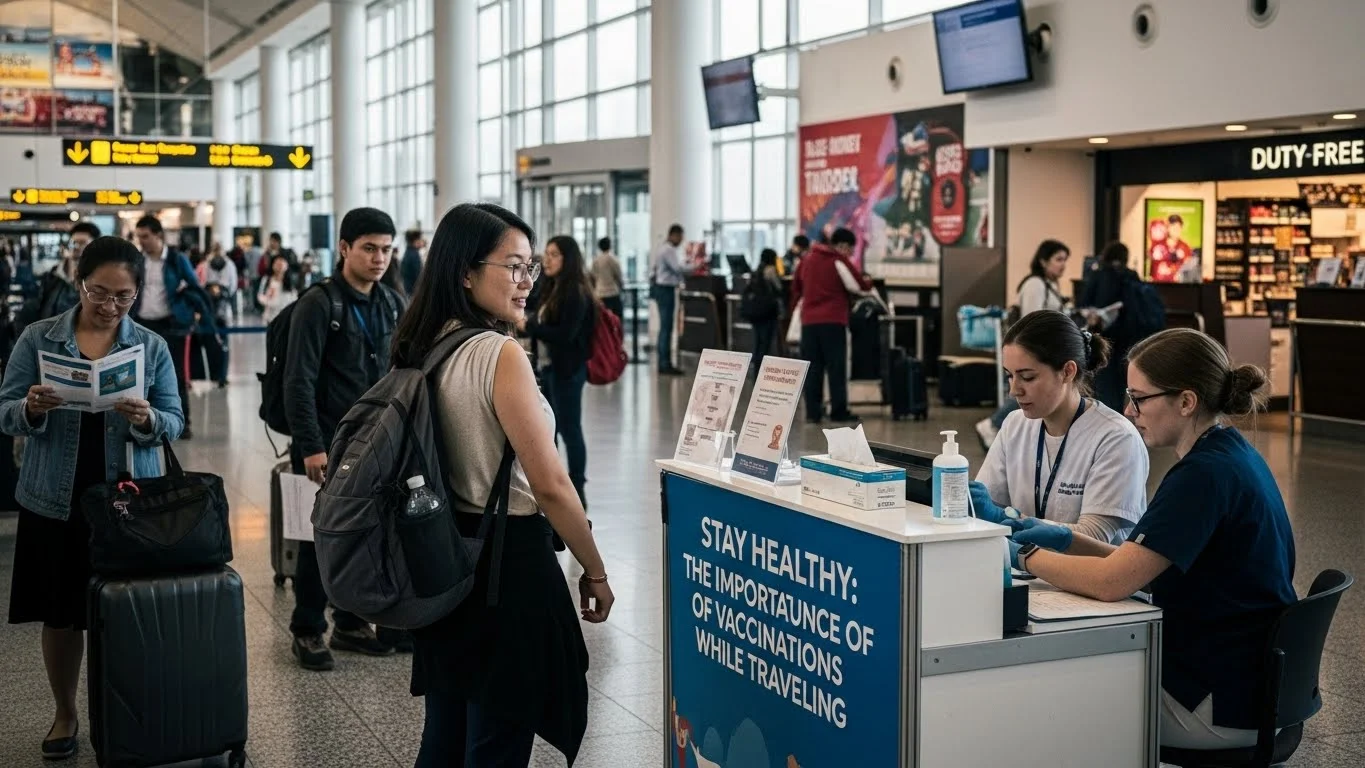
Understanding Vaccinations and Travel Health
What Are Vaccinations?
Vaccinations are medical interventions designed to prepare our immune systems to fight off specific diseases. They often contain a harmless part of the disease-causing germ or a weakened version of it, which helps our bodies recognize and combat the actual disease if we encounter it. I remember the first time I got vaccinated for a trip abroad. I was nervous, but my doctor explained that it was a crucial step in ensuring I could enjoy my travels without worrying about getting sick. It’s interesting how these tiny doses can create powerful defenses!
How Vaccinations Work
When we receive a vaccine, our immune system responds by producing antibodies. These antibodies are like soldiers, ready to fight off any real infections that might invade our bodies later. This process not only protects us individually but also contributes to community immunity, reducing the spread of diseases. I always think about how vaccinations are like a team effort in health—when most of us are protected, it’s harder for diseases to spread. I know that feeling of relief when I step off a plane, knowing I’ve done my part to stay healthy and keep others safe. For more on this, you can refer to the Essential Guide to Side Effects of Travel Vaccinations.
The Importance of Vaccinations for Travelers
Protecting Yourself from Diseases
Traveling opens up a world of new experiences, but it also exposes us to illnesses that might not be prevalent at home. For example, diseases like hepatitis, typhoid, and even yellow fever can be lurking in certain destinations. I once traveled to a region where these diseases were common, and I felt grateful to have been vaccinated beforehand. It was comforting to know I had taken steps to protect myself, allowing me to fully immerse myself in the culture without the fear of falling ill. If there’s one thing I’ve learned over my travels, it’s that being proactive about my health can make all the difference.
Preventing the Spread of Illnesses
By getting vaccinated, we not only protect ourselves but also help prevent the spread of diseases to others. I think about this often when I meet locals in the places I visit. If we fall ill while traveling, we risk bringing back those illnesses to our communities or, worse, spreading them to others during our travels. I always keep in the back of my mind the responsibility I have, especially when visiting places with vulnerable populations. Vaccinations act as a barrier, preventing the transmission of illnesses and making travel safer for everyone involved.
Common Travel-Related Vaccinations
Routine Vaccinations
Before embarking on any journey, it’s crucial to ensure that our routine vaccinations are up to date. These include vaccines for diseases like measles, mumps, rubella (MMR), and tetanus. I personally always check with my healthcare provider to confirm that I’m current on these essential vaccines. It feels reassuring to know I’m not just protecting myself but also contributing to global health efforts. No one wants to be the reason for a disease outbreak while traveling!
Travel-Specific Vaccinations
In addition to routine vaccines, there are specific vaccinations recommended for certain regions or types of travel. Below are some crucial ones I’ve encountered that every traveler should consider:
Hepatitis A and B
Hepatitis A is particularly concerning in areas with poor sanitation, while Hepatitis B can be transmitted through bodily fluids. I remember getting vaccinated for Hepatitis A before my trip to Southeast Asia. It gave me peace of mind knowing I was protected against a disease that could ruin my entire vacation.
Typhoid
Typhoid fever is another illness that can be contracted through contaminated food and water. It’s especially common in certain parts of Asia, Africa, and South America. I learned this the hard way on a previous trip and was thankful for the vaccine when I decided to visit a rural area.
Yellow Fever
Yellow fever is a viral disease transmitted by mosquitoes. Some countries require proof of vaccination before entry. I found this out before traveling to a tropical destination, and I was glad I took the necessary steps to ensure my health and my ability to enter the country without complications.
Influenza
The flu can strike at any time, but I’ve seen it hit hard during travel seasons. Getting the flu vaccine before traveling can be a smart way to avoid getting sick while on the go. I always get my flu shot in the fall, just in time for winter travel.
Rabies
Rabies is a serious disease, especially if you plan to engage in outdoor activities or spend time with animals in certain countries. I’ve always made it a point to get vaccinated for rabies before trips that involve wildlife. It’s not worth taking the risk, as rabies can be fatal without immediate treatment.
When to Get Vaccinated
Timing Your Vaccinations
One of the most important aspects of getting vaccinated for travel is knowing when to do it. I’ve learned through experience that timing can make a huge difference in how protected we feel on our trips. Some vaccines require time to build up immunity, so getting vaccinated too close to your travel date might not give your body enough time to respond effectively.
For most vaccines, I recommend starting the process at least 4 to 6 weeks before your departure. This timeframe allows for any necessary follow-up doses and gives your immune system a chance to generate the antibodies it needs. For example, when I planned my trip to South America, I made sure to get my Yellow Fever vaccine well in advance to meet the entry requirements, and it was a relief to know I was well-prepared.
Additionally, some vaccines, like the hepatitis A and typhoid vaccines, may require more than one dose administered over a series of weeks or months. So, if you have a trip in mind, it’s best to schedule a visit to your healthcare provider as soon as possible to discuss your vaccination needs.
Last-Minute Travel and Vaccination Options
Life can be unpredictable, and sometimes travel plans change suddenly. I’ve been in situations where I needed to leave for a trip sooner than anticipated, and I had to scramble to get my vaccinations sorted out quickly. Fortunately, there are options for last-minute travelers. Some vaccines can still be effective even if received shortly before departure, but I always check with my healthcare provider to find out what’s recommended based on my travel itinerary.
Travel clinics often have the ability to administer vaccines on short notice, so if you find yourself in a pinch, that’s a good place to start. I remember rushing to a local travel clinic just days before a trip, and thankfully, they were able to accommodate me. They provided excellent advice on which vaccines I still had time to get and how I could protect myself during my travels.
Where to Get Vaccinated
Travel Clinics
When it comes to finding the right place to get vaccinated, travel clinics are often the best option. These clinics specialize in vaccines and health advice for travelers. I’ve found that their staff is knowledgeable about the specific needs for different destinations, and they can provide tailored recommendations based on my travel plans. The first time I visited a travel clinic before heading to Africa, I was impressed by their comprehensive approach. They ensured I got the necessary vaccines, but they also educated me on health risks specific to the area.
Primary Care Physicians
Another option is to visit your primary care physician. They can help assess your vaccination history and advise on what you might need before your trip. I’ve had great experiences discussing my travel plans with my doctor, who was able to provide me with the necessary vaccinations right in their office. It’s a convenient choice if you have a good relationship with your doctor and want a more personal touch. Just remember to allow enough time for any vaccines needed!
Pharmacies and Other Locations
Many pharmacies now offer travel vaccines, making it even easier to get what you need. I often find that my local pharmacy has a dedicated section for vaccinations, and they can provide some of the common travel-related ones. It’s particularly handy for last-minute travelers like myself. I remember walking into a pharmacy just a few days before a trip and being pleasantly surprised at how quickly I could get my flu shot. Just make sure to check that the pharmacy is certified to provide travel vaccines, as not all do.
Understanding Vaccine Requirements by Destination
Country-Specific Vaccination Requirements
Each country has its own vaccination requirements, and understanding these before traveling is essential. Some countries may require proof of vaccination for certain diseases, especially if you’re coming from an area where those diseases are common. I experienced this firsthand when traveling to a country that required a Yellow Fever vaccination. Being prepared with the right documentation not only ensured I could enter smoothly but also gave me peace of mind. It’s worth doing a little research to know what’s needed for each of the places we plan to visit.
Resources for Checking Requirements
Fortunately, there are many resources available to help us stay informed about vaccine requirements. Websites like the CDC (Centers for Disease Control and Prevention) provide detailed information on travel health notices and required vaccinations for different countries. I often check these resources before planning a trip, as they offer updated insights into health risks and vaccination guidelines. Additionally, consulting with a travel clinic or healthcare provider can give us the most accurate and personalized advice for our journeys. For more information on side effects, consider reading Traveling Smart: What to Know About Vaccine Side Effects.
Health Risks of Not Vaccinating Before Travel
Potential Health Complications
Neglecting vaccinations before traveling can lead to serious health complications. I’ve heard stories of travelers who fell ill during their trips because they didn’t take the necessary precautions. It’s a risk I’m not willing to take. For instance, not getting vaccinated against diseases prevalent in certain areas could not only ruin a vacation but also lead to long-term health issues. I remember feeling a sense of responsibility to protect not just myself but also those around me, especially when I traveled to regions where diseases are more common.
Legal and Entry Restrictions
In some cases, failing to get the required vaccinations can also result in being denied entry into a country. I learned this lesson while preparing for a trip to South America; specific vaccinations were mandatory for entry. To avoid any last-minute surprises, I always make sure to double-check the entry requirements for my destination. It’s a simple step that can save a lot of trouble down the line, allowing us to focus on enjoying our adventures instead of dealing with unexpected barriers.
Special Considerations for Specific Travelers
Traveling with Children
When it comes to traveling with children, vaccinations become even more crucial. I’ve learned that kids often have developing immune systems, which makes them more vulnerable to infections. Before any big trip, I always make sure my children are up to date on their vaccinations. I remember planning a family vacation to a tropical location and consulting our pediatrician about what additional vaccines my kids might need. It felt vital to ensure that they were protected not just for their health but for peace of mind during our travels. I’ve seen how a healthy child can enjoy the adventures without the worry of falling ill, and that makes all the difference.
Traveling During Pregnancy
Traveling while pregnant can be an exhilarating yet daunting experience. I know many women who have traveled during pregnancy and wanted to ensure they took the right precautions. It’s essential to consult a healthcare provider about vaccinations that are safe during pregnancy. Some vaccines, like the flu shot and Tdap (tetanus, diphtheria, and pertussis), are recommended for pregnant women. I once traveled while expecting, and I made sure to get these vaccinations to protect both my baby and myself. It’s all about prioritizing health, especially when another life is involved!
Traveling with Chronic Conditions
If you have a chronic condition, getting vaccinated before traveling is even more critical. I’ve seen friends with conditions like asthma or diabetes take extra steps to ensure their health while traveling. These individuals might be at a higher risk for complications from vaccine-preventable diseases. Before one of my trips, I advised a friend with diabetes to discuss her specific needs with her healthcare provider. They were able to create a tailored vaccination plan that addressed her health concerns. It’s important to be proactive and take these steps to ensure safe travels.
Additional Health Tips for Travelers
Staying Healthy While Traveling
Vaccinations are just one piece of the puzzle when it comes to staying healthy while traveling. I’ve learned that good hygiene practices are equally important. Frequent hand washing, using hand sanitizer, and being mindful of the food I eat can significantly reduce my risk of getting sick. I remember one trip where I made a point to carry hand sanitizer everywhere I went, especially when I was unable to wash my hands. It added an extra layer of protection that gave me peace of mind, allowing me to fully enjoy the experience without unnecessary worry.
Travel Insurance and Health Coverage
One of the best decisions I’ve made for my travels is investing in travel insurance. It provides an extra layer of security, especially if unexpected health issues arise. I remember a time when I had to visit a doctor while abroad due to a minor illness. Thankfully, my travel insurance helped cover the costs, making the situation much less stressful. I always recommend checking the specifics of any travel insurance policy, ensuring it includes coverage for vaccinations and any potential health emergencies. Knowing I’m covered gives me the freedom to explore without hesitation.
Emergency Resources Abroad
It’s wise to familiarize yourself with emergency resources in the countries you visit. I always make it a point to research nearby hospitals or clinics before I travel. For instance, I once found myself in a situation where I needed medical assistance while hiking in a remote area. I was grateful to have done my homework and knew which hospital to head to and how to get there. It’s a small step that can make a huge difference in how I handle emergencies while traveling. Having a plan allows me to travel with confidence, knowing I can access care if needed.
Frequently Asked Questions (FAQs)
What if I miss my vaccination schedule?
If you miss your vaccination schedule, it’s important not to panic. I’ve been in this situation myself, and I found that the best course of action is to consult with a healthcare provider. They can help you determine if you need to catch up on missed vaccines or if it’s still safe to travel. In some cases, you can receive vaccinations later and still have adequate protection, but this is something to discuss with a professional.
Are vaccines safe for everyone?
Most vaccines are safe for the general population, but there are exceptions. I always encourage people to consult with their doctors, especially those with specific health concerns. I remember when a close friend with an autoimmune condition was unsure about getting certain vaccines. Her doctor provided personalized advice, which helped her make an informed decision. It’s vital to understand your health situation and follow professional guidance.
Can I travel without vaccinations?
While it’s possible to travel without vaccinations, it’s not something I would recommend. I’ve seen firsthand how travel can expose us to diseases that may not be present in our home countries. Traveling without the recommended vaccines puts not only ourselves at risk but also the communities we visit and return to. I’ve always felt that being vaccinated is a responsible choice that allows us to enjoy our adventures fully and safely.
Frequently Asked Questions
What are vaccinations?
Vaccinations are medical interventions designed to prepare our immune systems to fight off specific diseases. They often contain a harmless part of the disease-causing germ or a weakened version of it, which helps our bodies recognize and combat the actual disease if we encounter it.
How do vaccinations work?
When we receive a vaccine, our immune system responds by producing antibodies. These antibodies are like soldiers, ready to fight off any real infections that might invade our bodies later, contributing to community immunity and reducing the spread of diseases.
Why are vaccinations important for travelers?
Vaccinations are crucial for travelers as they protect against diseases that might not be prevalent at home, such as hepatitis, typhoid, and yellow fever. Being vaccinated allows travelers to fully immerse themselves in new cultures without the fear of falling ill.
What are common travel-related vaccinations?
Common travel-related vaccinations include routine vaccines like measles, mumps, rubella (MMR), and tetanus, as well as travel-specific vaccines such as Hepatitis A and B, Typhoid, Yellow Fever, Influenza, and Rabies.
When should I get vaccinated before traveling?
It is recommended to start the vaccination process at least 4 to 6 weeks before your departure to allow time for your immune system to build up the necessary antibodies and for any required follow-up doses.
What should I do if I need to travel last minute?
If you need to travel last minute, consult with a healthcare provider or visit a travel clinic, as some vaccines can still be effective even if received shortly before departure. They can advise you on which vaccines you still have time to get.
Where can I get vaccinated for travel?
You can get vaccinated at travel clinics, primary care physicians, or pharmacies that offer travel vaccines. Travel clinics specialize in vaccines and health advice for travelers, while pharmacies can be convenient for last-minute needs.
How can I check vaccine requirements for my travel destination?
Each country has its own vaccination requirements, and resources like the CDC (Centers for Disease Control and Prevention) provide detailed information on travel health notices and required vaccinations. Consulting with a travel clinic can also provide personalized advice.
What are the risks of not getting vaccinated before travel?
Neglecting vaccinations can lead to serious health complications, including falling ill during the trip or being denied entry into a country that requires certain vaccinations. It’s important to be proactive to avoid these risks.
Are vaccines safe for everyone?
Most vaccines are safe for the general population, but there are exceptions. It’s important to consult with a healthcare provider, especially for individuals with specific health concerns, to ensure safety and effectiveness.