
Building a strong bond with your baby is one of the most rewarding experiences of parenthood. Engaging in fun activities can significantly strengthen this attachment, creating a foundation for a lifetime of love and trust. Read Interesting article: Easy Physical Bonding Activities Every New Parent Should Try
Understanding Attachment Theory
What is Attachment Theory?
Attachment theory, developed by John Bowlby in the mid-20th century, explains the deep emotional bond that develops between a child and their caregiver. It’s fascinating how this bond shapes a child’s future relationships and influences their emotional well-being. I remember learning about this in my parenting classes and thinking about how crucial it is to establish a secure attachment early on.
According to attachment theory, the way we respond to our babies’ needs and their reactions to us create patterns that can last a lifetime. When a baby cries and we respond promptly, they learn to trust us to be there for them. I noticed that when I quickly picked up my baby when she cried, not only did she calm down faster, but she also looked at me with such trust. This reinforced the idea that I’m her safe space, and it felt amazing.
The Importance of Secure Attachment
Secure attachment is vital for healthy emotional development. Babies who feel securely attached tend to develop better social skills, higher self-esteem, and resilience as they grow. I often think about how my own experiences shape my parenting style. The more I invest in my baby’s emotional needs, the more I see her thriving. It’s like planting seeds of trust and love that bloom into beautiful relationships as they grow.
We all want our little ones to feel safe and confident in their world, and secure attachment plays a huge role in that. I remember hearing stories from other parents about how their children thrived because they felt secure and loved. It’s a reminder that our actions today will echo in their future.
Different Attachment Styles
Not all attachments are created equal. There are various attachment styles: secure, anxious, avoidant, and disorganized. Understanding these can help us see how our interactions affect our babies. For example, a securely attached child feels safe exploring their environment, while an anxious child may cling to their caregiver and avoid new experiences. Read Interesting article: Explore Attachment Styles: Building Bonds with Your Newborn
When I discovered that my daughter seemed anxious in new situations, I realized I needed to work on building her confidence. I started engaging her in activities that encouraged exploration while remaining a comforting presence. It was eye-opening to see how she began to take little steps away from me, confident that I was there when she needed support.
Fun Activities to Strengthen Attachment
Playtime Activities
Playtime is one of the best ways to connect with your baby. Not only is it fun, but it also helps develop their skills and reinforces your bond. I often find myself getting lost in playtime, watching my daughter’s eyes light up with joy. Here are a couple of engaging activities we love:
Interactive Games for Bonding
Interactive games like peek-a-boo or pat-a-cake can be incredibly bonding. These games not only elicit giggles but also create a sense of anticipation and surprise, which babies find thrilling. I remember the first time my daughter played peek-a-boo. The look on her face when I popped up was priceless! It was like I could see the trust building as she realized I was always there, even when I “disappeared.”
Creative Play with Toys
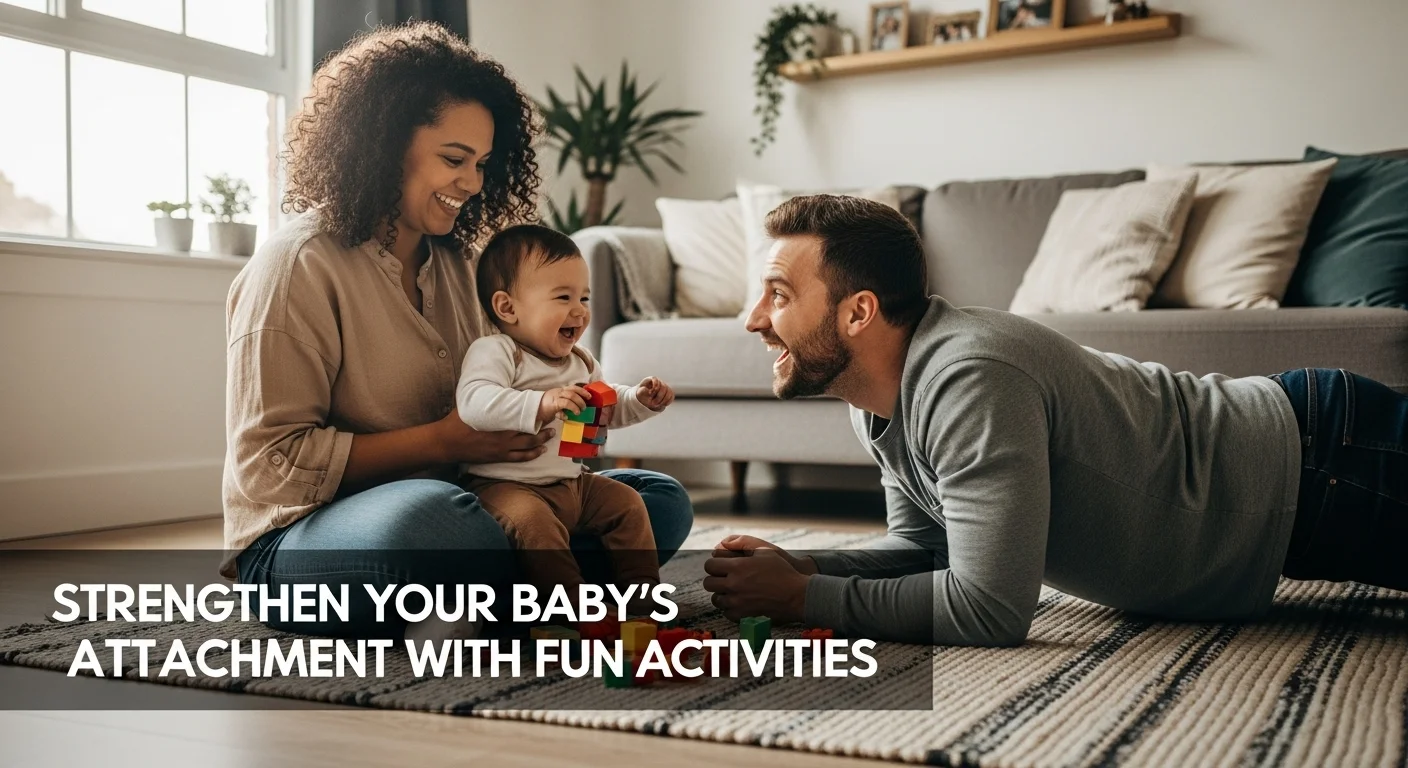
Using toys creatively can also foster attachment. Simple things like stacking blocks or playing with soft toys can become grand adventures when you engage your baby’s imagination. I love lying on the floor with my daughter, building towers and watching her delight in knocking them down. Those moments of laughter and interaction feel like pure magic.
Physical Activities
Physical activities are not only crucial for your baby’s physical development but also for attachment. The closeness and connection during these activities can deepen your bond in ways you might not expect. Read Interesting article: Create Lasting Memories: Physical Bonding with Your Baby
Tummy Time and Its Benefits
Tummy time is essential for strengthening your baby’s muscles and encouraging them to explore their surroundings. I made it a point to make tummy time fun by getting down on the floor with my daughter, using colorful toys to encourage her movement. The shared experience of her trying to reach for a toy while I cheered her on felt like a mini adventure, and I loved every second of our bonding time.
Baby Yoga and Movement
Baby yoga is another excellent way to bond physically. I found some simple stretches we could do together, which not only helped with my baby’s flexibility but also provided peaceful moments of connection. As I held her in gentle poses, I could feel her relax and enjoy our time together. It became a beautiful ritual that we both looked forward to.
Reading and Storytelling
Reading to your baby is a wonderful way to enhance attachment. I discovered that sharing stories creates a cozy atmosphere that fosters connection and communication.
Choosing Age-Appropriate Books
When selecting books, I always choose vibrant, engaging stories that capture my daughter’s attention. I remember the first time we read a colorful board book together. Her eyes sparkled, and she reached out to touch the pages. That moment was a reminder of how powerful storytelling is for building our bond.
Creating a Cozy Reading Environment
Creating a cozy reading nook with soft blankets and pillows can make storytime even more special. We love curling up together on a rainy day, surrounded by our favorite books. As I read to her, I can see her relax and feel secure, which strengthens our connection. I believe that these moments are foundational for her emotional development.
Music and Movement
Music has a magical way of bringing us together. I’ve noticed how my daughter’s face lights up when I sing to her or play music. It’s a joyous experience that brings us closer.
Benefits of Singing to Your Baby
Singing to your baby has numerous benefits. It can soothe them, stimulate their brain development, and strengthen your bond. I often find myself making up silly songs during diaper changes or bath time, and it always elicits giggles. Those moments are filled with love and laughter.
Dance and Rhythm Activities
Dancing with your baby can be a delightful bonding experience. I love holding my daughter close and swaying to our favorite tunes. The rhythm and movement create a shared joy that I cherish. It’s remarkable how a simple dance can deepen our connection and make her feel safe and loved.
Incorporating Routine Activities
Daily Routines that Foster Attachment
Daily routines are more than just schedules—they’re opportunities to deepen our bond with our babies. I’ve found that incorporating simple activities into our everyday life can create a sense of security and predictability for my daughter, which is crucial for her emotional development. For instance, I remember when we started making bath time a special ritual. I would sing to her while gently splashing water, and she would giggle, enjoying the familiarity of our routine. It became a cherished time for us, reinforcing that moments of joy can be found in the most ordinary parts of the day.
Meal times also serve as great bonding opportunities. I try to make each feeding an intentional time for connection, where I can engage with her through smiles and conversation. Sometimes, I’ll describe the food we’re eating, or play little games with her spoon or cup. I’ve noticed how those simple interactions make her feel more involved and secure, reinforcing the idea that we’re in this together.
Feeding Time as Bonding Time
Feeding time is such a significant opportunity for attachment. I love the quiet moments when I’m nursing or bottle-feeding my baby. I focus on her expressions, the way her eyes light up when she sees me, and the sounds she makes as she drinks. I’ve realized this moment is not just about nutrition but also about love and connection. Holding her close, I often talk to her about her day, sharing silly stories or singing softly. It’s truly a heartwarming experience that strengthens our bond.
As she’s grown, I’ve started introducing her to solid foods, and I’ve made it a point to keep the same attentive and loving atmosphere. I remember the first time I let her try mashed bananas. Her little hands reached out to grab the spoon, and I could see her curiosity. We made a mess together, and I found myself laughing and encouraging her to explore the different tastes and textures. I believe this playful interaction during meals builds a strong foundation of trust and comfort.
Bedtime Rituals for Security
Establishing a bedtime routine has been one of the most rewarding experiences for us. I learned that a consistent routine signals to my daughter that it’s time to wind down and feel secure. We start with a warm bath, followed by some quiet time with a story or lullaby. I often sing softly to her, and I can feel her body relax and her eyelids grow heavy. It’s incredible how those simple moments can create a peaceful environment that fosters attachment.
After our story, I hold her close, giving her a little cuddle before laying her in her crib. I always take a moment to talk about the day, reminding her of our fun adventures together. I believe this helps her process her experiences and feel reassured that I am always there for her. I often watch as she drifts off, knowing that this routine not only helps her sleep but also strengthens the bond we share.
Outdoor Activities for Attachment
Nature Walks with Your Baby
Getting outside has been an enlightening experience for both my daughter and me. I remember our very first nature walk together. I packed a blanket and some toys, and we headed to a nearby park. Watching her eyes widen in wonder as she saw trees, birds, and other children was magical. I realized that being in nature not only exposes her to new sights and sounds but also allows us to explore together, creating shared memories.
During our walks, I make it a point to talk about everything we see. I point out flowers, animals, and even clouds, describing them in a way that engages her curiosity. I love seeing her reactions, and it reinforces our connection as I share the beauty of the world around us. Those moments of exploration feel like a bonding adventure, making us both feel closer to each other and the environment.
Playdates in the Park
Organizing playdates is another way I’ve found to enhance our attachment. I remember the first time I invited another mom and her baby to join us at the park. I was a bit nervous, unsure of how my daughter would interact, but it turned out to be a fantastic experience. Watching her play alongside another baby, sharing toys and giggles, was heartwarming. I could see her learning about social interactions while still feeling secure knowing I was right there with her.
Playdates can be a wonderful way to reinforce the idea that relationships are important. I’ve noticed that being around other babies helps my daughter become more confident in her social skills, and it’s a chance for me to connect with other parents, sharing experiences and advice. It’s a win-win situation that strengthens our bonds with each other and with our children.
Exploring Sensory Experiences
Sensory play is an engaging way to bond with your baby and stimulate their development. I love creating sensory experiences for my daughter, whether it’s playing with water, sand, or even homemade play dough. I remember setting up a small water table in our backyard one sunny afternoon. Watching her splash and giggle while I joined in the fun was pure joy. I encouraged her to feel the water, explore different pouring techniques, and even added colorful cups for her to experiment with.
These sensory activities provide us with moments of laughter and joy while also allowing her to explore and learn. It’s fascinating to see how engaged she becomes when she’s allowed to use her senses freely. I believe that these experiences not only strengthen our attachment but also help her develop essential skills as she grows. In my experience, the more we explore together, the more she feels secure in our relationship, knowing that I am there to guide and support her every step of the way.
Understanding Baby Cues and Responses
Recognizing Your Baby’s Signals
As a parent, learning to recognize your baby’s cues is like discovering a new language. I remember feeling overwhelmed at first, thinking I had to decode every little sound or movement. However, over time, I began to understand the subtleties in her behavior. For instance, I noticed that when she turned her head away from a toy, it usually meant she was tired or overstimulated rather than just uninterested. Paying attention to these signals has helped me respond with more empathy and care.
One of the most significant lessons I learned was about the power of eye contact. My daughter would often look at me while playing, and I realized that those moments were her way of checking in. When I responded with a smile or an encouraging word, it reinforced our connection. I believe that recognizing and responding to these cues builds trust and helps her feel secure, creating a deeper bond between us.
Responding to Your Baby’s Needs
Responding to your baby’s needs can sometimes feel like an art form. I’ve found that the more I tune in to my daughter’s emotional states, the better I can support her. For example, if she’s fussy and crying, I’ve learned to first check if she’s hungry or needs a diaper change. If everything seems fine, I often pick her up and hold her close, talking softly or gently rocking her. It’s amazing how quickly she calms down when she feels that comforting presence.
I remember one particular afternoon when my daughter was particularly cranky after her nap. Instead of jumping straight to toys or distractions, I held her close and sang her a lullaby softly. It was as if she melted into my arms, and within minutes, she was smiling again. I realized that sometimes, all they need is reassurance that we’re there, ready to support them through their emotional ups and downs. I think this responsiveness is vital for cultivating a secure attachment.
Tips for Parents to Enhance Attachment
Being Present and Mindful
In our fast-paced world, it’s easy to get distracted, but I’ve discovered that being present during interactions with my baby is crucial. When I put my phone away and focus on the moment, it makes all the difference. I remember a day when I decided to turn off the TV and simply play with my daughter on the floor. It wasn’t just about the toys; it was about the undivided attention she received. Her laughter filled the room, and I felt more connected to her than ever.
Mindfulness is about being aware of the joy in those little moments. I often take a few deep breaths before engaging with her, reminding myself to soak in the experience. Whether we’re playing, reading, or during feeding time, I try to fully engage, responding to her needs while enjoying our shared joy. Making an effort to be present helps me connect with her on a deeper level, fostering that secure attachment we both crave.
Balancing Independence and Togetherness
Attachment isn’t just about closeness; it’s also about giving our babies the space to explore independently. As I watch my daughter grow, I realize the importance of balancing togetherness with opportunities for her to learn and discover on her own. I remember when she started crawling, and I made it a point to create a safe space for her to explore. I’d sit close by, encouraging her but also allowing her the freedom to venture out and try new things.
This balance has been rewarding. I noticed that when she felt secure in her environment, she was more willing to explore. I often cheer her on from a distance, celebrating her little achievements and letting her know that I’m always there if she needs me. This approach has helped her build confidence while still nurturing our bond. I feel that this independence can empower her as she learns to navigate the world around her.
Encouraging Exploration in a Safe Environment
Creating a safe environment for exploration has been another important aspect of our attachment journey. I remember transforming our living room into a mini adventure zone with soft mats, cushions, and age-appropriate toys. I wanted my daughter to feel free to crawl, roll, and grasp objects without the worry of bumps or falls. Watching her curiosity unfold has been one of the most enriching experiences as a parent.
During our playtime, I’ve learned to let her lead the way. If she shows interest in a specific toy, I encourage her to explore it, asking questions and engaging her senses. It’s incredible to witness her determination as she figures out how things work. I truly believe that allowing her to explore in a safe space not only builds her confidence but also strengthens our bond. She knows she can rely on me to be there while she embarks on her little adventures.
Monitoring Attachment Progress
Signs of Secure Attachment
As I reflect on our journey, I’ve noticed several signs that indicate we are building a secure attachment. One of the most heartwarming signs is her willingness to explore her surroundings while frequently checking back with me. It’s like she has this instinctual understanding that I’m her safe base. Whenever she smiles at me or reaches out for comfort, I feel a sense of pride knowing that she trusts me.
Another sign has been her ability to express herself. When she feels upset, she often looks to me for reassurance. It’s incredibly fulfilling to know that I’m her safe haven during those tough moments. I’ve also noticed she seeks my attention during play, wanting to share her discoveries and achievements. These moments are affirmations of our strong bond, and I cherish every one of them.
When to Seek Professional Help
While most of us want to foster secure attachments, there may be times when we notice signs that indicate a need for additional support. If you notice that your baby is consistently withdrawn, overly clingy, or shows signs of distress in familiar environments, it may be worth discussing with a healthcare professional. I remember hearing about a parent who struggled with their child’s anxiety during playdates. They sought advice and found that the guidance provided helped them establish a more secure attachment.
Seeking professional help isn’t a sign of failure; it’s a proactive step towards understanding your baby’s emotional needs. I’ve learned that every child is unique, and we all navigate this parenting journey differently. If you feel uncertain about your attachment relationship, reaching out can provide clarity and support. In my experience, knowing when to seek help has made all the difference in ensuring our emotional well-being.
Frequently Asked Questions
What is Attachment Theory?
Attachment theory, developed by John Bowlby, explains the deep emotional bond that develops between a child and their caregiver, shaping a child’s future relationships and emotional well-being.
Why is secure attachment important for babies?
Secure attachment is crucial for healthy emotional development, leading to better social skills, higher self-esteem, and resilience as babies grow.
What are the different attachment styles?
There are four primary attachment styles: secure, anxious, avoidant, and disorganized. These styles affect how children interact with their environment and caregivers.
What activities can strengthen attachment with a baby?
Engaging in playtime activities like interactive games, creative play with toys, physical activities such as tummy time and baby yoga, reading, and music can strengthen attachment.
How does recognizing baby cues enhance attachment?
Learning to recognize a baby’s cues, like their signals for tiredness or overstimulation, allows parents to respond more empathetically, which builds trust and strengthens the bond.
What role do daily routines play in fostering attachment?
Daily routines provide opportunities to create a sense of security and predictability for babies, enhancing their emotional development and reinforcing the parent-child bond.
How can outdoor activities contribute to attachment?
Outdoor activities like nature walks and playdates allow for shared exploration and social interactions, which can enhance attachment and build confidence in babies.
What are some signs of secure attachment in babies?
Signs of secure attachment include a baby’s willingness to explore their surroundings while frequently checking back with their caregiver, seeking comfort when upset, and wanting to share discoveries during playtime.
When should parents seek professional help regarding attachment?
Parents should consider seeking professional help if they notice their baby is consistently withdrawn, overly clingy, or shows distress in familiar environments, as this may indicate a need for additional support.
What is the importance of being present and mindful with your baby?
Being present and mindful during interactions is crucial for fostering a deeper connection, as it ensures that the baby receives undivided attention, which enhances the bonding experience.