
Positive reinforcement can transform the way we connect with our toddlers, shaping their behavior and boosting their confidence. Discover how this approach can create a nurturing and joyful environment for both you and your little ones. Read Interesting article: Boost Your Toddler’s Growth: Positive Reinforcement Tips
Understanding Positive Reinforcement
Definition of Positive Reinforcement
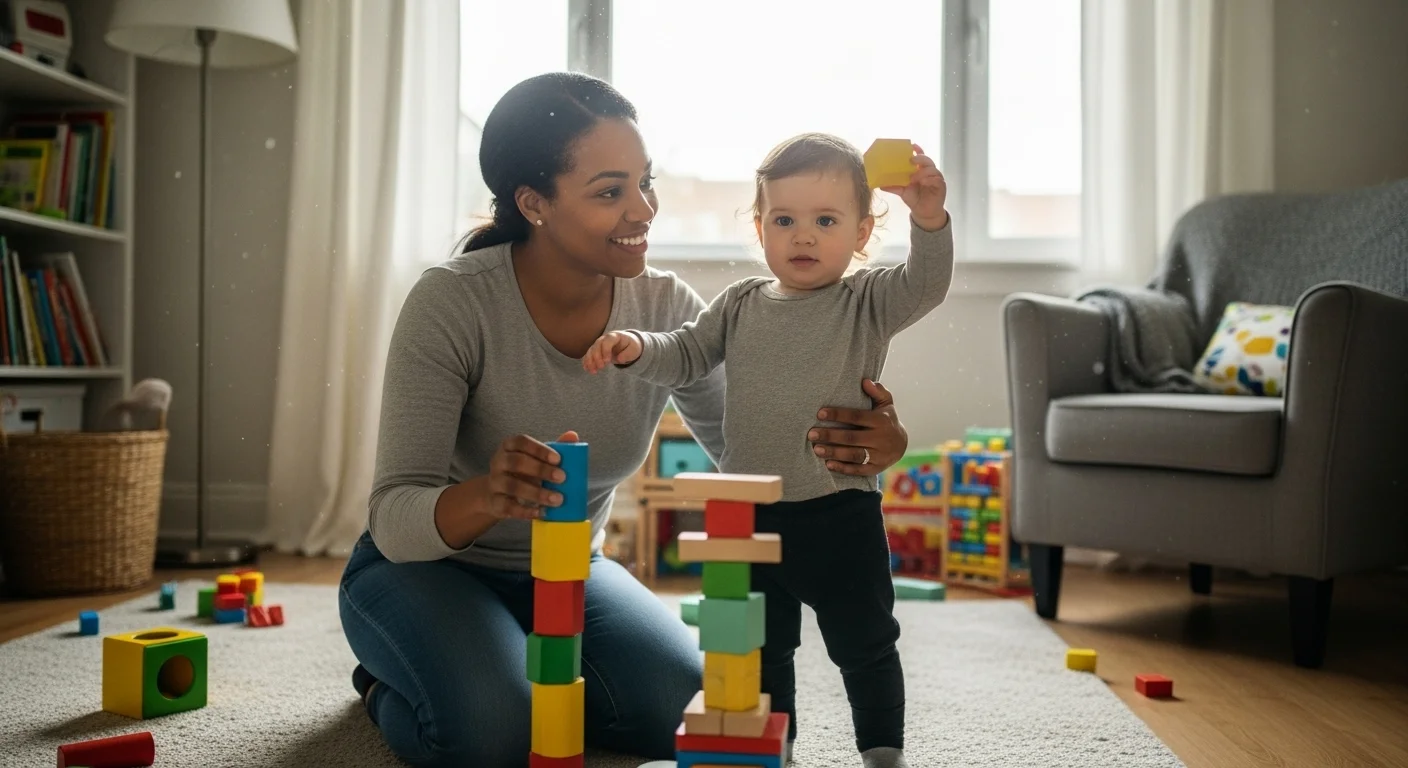
Positive reinforcement is a powerful concept that I’ve come to appreciate as a parent. At its core, it involves adding something pleasant in response to a behavior, encouraging that behavior to happen again. For instance, when my toddler shares their toys with a friend, I might say, “Great job sharing! You made your friend so happy!” This kind of feedback not only makes my child feel good but also reinforces the behavior I want to encourage. It’s about celebrating those little victories that can lead to big changes over time.
Importance of Positive Reinforcement in Parenting
From my experience, using positive reinforcement is crucial in parenting. It helps toddlers feel secure and valued, which can foster a strong emotional connection between us. When I focus on what my child does right instead of just pointing out the wrongs, I’ve noticed they become more confident and willing to explore new things. It creates an environment filled with encouragement, which is essential for their growth and development. I believe that positive reinforcement can turn everyday interactions into opportunities for learning and bonding. Read Interesting article: Essential Social Skills for Toddlers While Traveling
How Positive Reinforcement Works in Child Development
The science behind positive reinforcement is fascinating. Research suggests that when toddlers receive praise or rewards for specific behaviors, they are more likely to repeat those actions in the future. I’ve seen this firsthand; when my child receives enthusiastic praise for putting away their toys, they not only feel proud but also start taking initiative in tidying up without being asked. This technique taps into the natural human desire for approval and affection, making it a valuable tool for nurturing development.
Key Principles of Positive Reinforcement
Consistency in Reinforcement
One thing I’ve learned is the importance of consistency. It’s easy to forget to praise our kids during our busy days, but maintaining a consistent approach helps reinforce the behaviors we want to see. For example, I try to make it a point to acknowledge good behavior every time it happens, whether it’s saying “thank you” when my child helps with chores or giving a high-five for using polite words. This consistency builds familiarity and reinforces the idea that positive actions lead to positive outcomes.
Timing of Reinforcement
Timing is another crucial element I’ve had to consider. The sooner I can provide reinforcement after the desired behavior, the better. I remember one time when my toddler helped clean up after a snack. I immediately said, “Wow, thank you for cleaning up! You did a fantastic job!” This immediate feedback reinforced their action and made them more likely to help out again in the future. It’s all about creating that immediate connection between the behavior and the positive response.
Types of Reinforcement: Verbal Praise, Rewards, and Affection
Different types of reinforcement work well in various situations. For me, verbal praise is one of my favorites. Hearing words of encouragement can light up my child’s face, showing me just how much it means to them. Besides verbal praise, I also use small rewards or unexpected treats. One day, I decided to give my toddler a sticker for helping with dinner. They were so excited! Affection, like hugs or high-fives, also reinforces behavior while providing that emotional connection. It’s about finding what resonates with your child and using it to encourage positive actions.
Effective Techniques for Implementing Positive Reinforcement
Setting Clear Expectations and Goals
Before I dive into specific techniques, I think it’s essential to set clear expectations. I’ve found that when I outline what I expect from my toddler, they’re more likely to meet those expectations. For instance, I’ll say, “Let’s aim to put away our toys before dinner.” Having clear goals makes it easier for them to understand what behaviors I’m looking for and allows us to celebrate their successes together.
Using Specific Praise and Recognition
Being specific with praise has made a huge difference in how my child responds. Instead of just saying, “Good job,” I now try to be more descriptive, like, “I loved how you shared your crayons today!” This kind of recognition helps my child understand exactly what behavior I appreciated, reinforcing the action itself rather than just the overall effort. I’ve noticed that specific praise leads to increased motivation and understanding of the behaviors we want to encourage.
Incorporating Rewards and Incentives
Rewards can be a fun and effective way to reinforce positive behavior. I’ve used simple rewards like stickers, small treats, or extra playtime. The key is to keep it appropriate and not overdo it, so it remains special. For example, we created a sticker chart where my toddler could earn a sticker every time they helped with chores. After collecting a certain number, they could choose a fun activity to do together. This not only encouraged positive behavior but also added an element of excitement to our daily routines. Read Interesting article: Traveling with Toddlers: Discipline Made Easy and Fun!
Creating a Positive Environment
Finally, I believe that creating a positive environment is essential for effective reinforcement. Surrounding my toddler with positivity, whether through a cheerful atmosphere or a supportive tone, makes a world of difference. I try to keep our home filled with laughter and encouragement. This positive environment helps foster a sense of security and openness, allowing my child to thrive and feel comfortable exploring their world. We’ve turned our home into a space where positive behavior is not just encouraged but celebrated.
Positive Reinforcement Strategies for Toddlers
Daily Routines and Positive Behavior
Establishing daily routines has been a game-changer for my family. I’ve noticed that when we have a consistent schedule, my toddler feels more secure and knows what to expect. Incorporating positive reinforcement into these routines can really enhance the experience. For instance, during our morning routine, I make it a point to praise my child for getting dressed independently or brushing their teeth without being asked. I might say, “Wow, you did that all by yourself! I’m so proud of you!” These little moments not only motivate them to continue these behaviors but also help build their confidence as they navigate their daily tasks.
Encouraging Independence and Self-Esteem
Encouraging my toddler to be independent has been one of my favorite aspects of parenting. I’ve realized that positive reinforcement plays a vital role here. When I give my child the chance to try things on their own, like pouring their own drink or selecting their outfit, I always make sure to acknowledge their efforts. I feel that phrases like, “You did it all by yourself! Look how well you can pour!” have a significant impact. This not only boosts their self-esteem but also makes them more eager to take on new challenges. By celebrating their independent achievements, I’ve seen my toddler grow into a more self-assured little person.
Managing Tantrums with Positive Reinforcement
Let’s be honest, tantrums can be tough! I’ve had my fair share of public meltdowns and dramatic displays of frustration. However, I’ve found that positive reinforcement can help in managing these situations. When my child begins to express their feelings verbally instead of throwing a tantrum, I make it a point to praise them. I might say, “I really appreciate how you told me you were upset instead of crying!” This not only reinforces their ability to communicate but also teaches them that there are better ways to express their emotions. I’ve discovered that by focusing on the positive actions during tough moments, I can help my child learn to navigate their feelings more effectively.
Promoting Social Skills through Positive Interaction
As my toddler interacts with other kids, I’ve seen how positive reinforcement can foster social skills. During playdates, I often highlight moments of sharing, cooperation, and kindness. If I see my child sharing a toy or taking turns, I’ll say something like, “That was so nice of you to share your toy! Your friend is really happy!” Recognizing these behaviors encourages my child to continue being friendly and considerate. I’ve learned that teaching social skills through positive reinforcement not only helps my toddler build friendships but also creates a more enjoyable playtime for everyone involved.
Common Challenges in Positive Reinforcement
Over-reliance on Rewards
While I love using rewards to encourage good behavior, I’ve realized that it’s important not to overdo it. I’ve found that if every positive action is met with a reward, my child may start to expect something every time. I’ve seen this happen when my toddler began to refuse to help unless they received a sticker or treat. To combat this, I’ve started using rewards more sparingly and focusing on verbal praise as my primary tool. I believe finding a balance between rewards and intrinsic motivation is key to fostering a healthy attitude toward positive behavior.
Inconsistent Application of Reinforcement
Consistency is critical, and I’ve experienced how challenging it can be to maintain. Some days are busier than others, and I’ve occasionally forgotten to praise my child for their efforts. I’ve learned that when I’m inconsistent, my toddler becomes confused about what behaviors are being reinforced. To help with this, I’ve started keeping a small notepad where I jot down moments I want to reinforce during the day. This simple trick keeps me mindful and allows me to stay consistent in my positive reinforcement efforts.
Understanding Individual Differences Among Toddlers
No two toddlers are the same, and I’ve noticed that what works for one child may not resonate with another. I’ve had to adapt my methods based on my child’s unique personality and temperament. For instance, while my child thrives on verbal praise, I’ve learned that other kids might respond better to physical affection or tangible rewards. It’s been a journey to discover what works best for my toddler, and I think it’s essential for all parents to remain flexible and observant. Understanding individual differences helps me tailor my approach and ensure that my positive reinforcement strategies are effective.
Measuring the Effectiveness of Positive Reinforcement
Observing Behavioral Changes
One of the most rewarding aspects of using positive reinforcement is witnessing the changes in my toddler’s behavior. I’ve learned to pay close attention to subtle shifts in how they respond to different situations. For example, I remember when my child used to resist helping with chores. After consistently applying positive reinforcement, I noticed they started volunteering to help without prompting. I felt proud when they even began suggesting ways to clean up together. Observing these changes helps me understand what’s working and reinforces my commitment to this approach.
Feedback from Caregivers and Educators
Receiving feedback from others who interact with my child has also been invaluable. I often discuss my reinforcement strategies with their preschool teacher, who provides insights into how my toddler behaves in a different environment. I remember a conversation where the teacher mentioned how my child started sharing toys more readily after I encouraged that behavior at home. Hearing these observations reassured me that positive reinforcement was making a difference beyond our home. It’s been eye-opening to see how our efforts translate into their interactions with peers and adults.
Adjusting Strategies Based on Outcomes
Just like every child is unique, I’ve come to realize that not every strategy works perfectly for every situation. I’ve experienced times when my usual methods didn’t yield the results I expected. For instance, I tried a sticker chart for a specific behavior, but my toddler lost interest quickly. Instead of feeling discouraged, I took it as an opportunity to adjust my approach. I decided to switch to a more immediate form of praise and engage them in a fun activity instead. This flexibility has taught me that adapting our strategies based on what I observe is key to maintaining effectiveness in positive reinforcement.
Resources for Parents on Positive Reinforcement
Books and Literature on Positive Parenting
When I first started exploring positive reinforcement, I found numerous books that provided valuable insights and practical advice. One of my favorites is “The Whole-Brain Child” by Daniel J. Siegel and Tina Payne Bryson. It dives into how understanding brain development can enhance parenting practices. Another gem is “How to Talk So Kids Will Listen & Listen So Kids Will Talk” by Adele Faber and Elaine Mazlish, which emphasizes communication techniques that foster positive interactions. I recommend checking these out if you’re looking to deepen your understanding and application of positive reinforcement.
Online Courses and Workshops
I discovered that many organizations offer online courses and workshops focused on positive parenting techniques. Participating in these has helped me gain fresh ideas and strategies. Websites like Positive Discipline and the Center for Parenting Education provide a variety of resources, from video tutorials to interactive workshops. I found that connecting with other parents and professionals who are navigating similar challenges has been incredibly beneficial. It’s comforting to know that I’m not alone on this journey, and sharing experiences has helped me refine my approach.
Support Groups and Parenting Communities
Joining parenting groups, whether online or in-person, has been a game-changer for me. Platforms like Facebook and local community centers often have groups dedicated to positive parenting. I’ve found these spaces to be filled with supportive voices, where parents share their experiences, successes, and struggles. It’s a great way to bounce ideas off others and seek advice when faced with challenges. I encourage you to explore these communities; you might find that the shared wisdom and camaraderie make the parenting journey a little easier and a lot more enjoyable.
Final Thoughts
Reflecting on my journey with positive reinforcement, I feel grateful for the tools and insights I’ve gained. It’s amazing how something as simple as a kind word or a sticker can create such a meaningful impact in my toddler’s life. I’ve seen my child flourish with this approach, and it truly warms my heart to witness their growth and confidence blossom.
I believe that positive reinforcement not only shapes our children’s behaviors but also strengthens our bond as a family. By focusing on the positives, we create an environment where love and encouragement thrive. It’s a reminder that parenting doesn’t have to be about perfection—it’s about progress, patience, and connection.
As I continue to navigate the ups and downs of parenting, I remind myself that every small step counts. Whether it’s celebrating my toddler’s achievements or simply being there to listen, I know that my efforts are contributing to their development and happiness. I encourage all parents to embrace positive reinforcement and see the beautiful changes it can bring into their lives.
So if you’re on the fence about trying this method, take it from me: give it a shot! You might find that the little moments of praise and encouragement can lead to big changes in your child’s behavior and your relationship with them. Let’s continue to support and uplift our little ones as they explore the world around them. Together, we can create a nurturing atmosphere that allows our children to shine.
Frequently Asked Questions
What is positive reinforcement?
Positive reinforcement is a concept that involves adding something pleasant in response to a behavior, encouraging that behavior to happen again. For example, praising a toddler for sharing their toys reinforces that behavior.
Why is positive reinforcement important in parenting?
Positive reinforcement helps toddlers feel secure and valued, fostering a strong emotional connection between parents and children. It encourages confidence and willingness to explore new things by focusing on what children do right.
How does positive reinforcement affect child development?
Research indicates that when toddlers receive praise or rewards for specific behaviors, they are more likely to repeat those actions in the future. Positive reinforcement taps into the natural desire for approval and affection, aiding in their development.
What are the key principles of positive reinforcement?
The key principles include consistency in reinforcement, timing of reinforcement, and using various types of reinforcement such as verbal praise, rewards, and affection to encourage positive behavior.
What techniques can be used to implement positive reinforcement?
Effective techniques include setting clear expectations, using specific praise and recognition, incorporating rewards and incentives, and creating a positive environment that encourages desirable behaviors.
How can positive reinforcement be utilized in daily routines?
Incorporating positive reinforcement into daily routines can enhance experiences. For example, praising toddlers for completing tasks like getting dressed or brushing their teeth independently can motivate them and build their confidence.
How can parents manage tantrums using positive reinforcement?
Parents can manage tantrums by praising their child when they express their feelings verbally instead of throwing a tantrum. This reinforces communication skills and teaches better ways to express emotions.
What challenges might arise with positive reinforcement?
Some challenges include over-reliance on rewards, inconsistent application of reinforcement, and understanding that individual differences among toddlers may require tailored approaches for effective reinforcement.
How can parents measure the effectiveness of positive reinforcement?
Parents can measure effectiveness by observing behavioral changes, receiving feedback from caregivers and educators, and adjusting strategies based on observed outcomes to ensure continued effectiveness.
What resources are available for parents on positive reinforcement?
Parents can explore books on positive parenting, participate in online courses and workshops, and join support groups or parenting communities to share experiences and gain insights into positive reinforcement techniques.