
As a parent, sleepless nights often feel like a rite of passage. I remember those endless hours spent rocking my baby to sleep, only to wake up to the next feeding. Sleep deprivation can become a constant companion, but there are ways to tackle this challenge. Read Interesting article: Mastering Sleep Deprivation: A Guide for New Moms & Dads
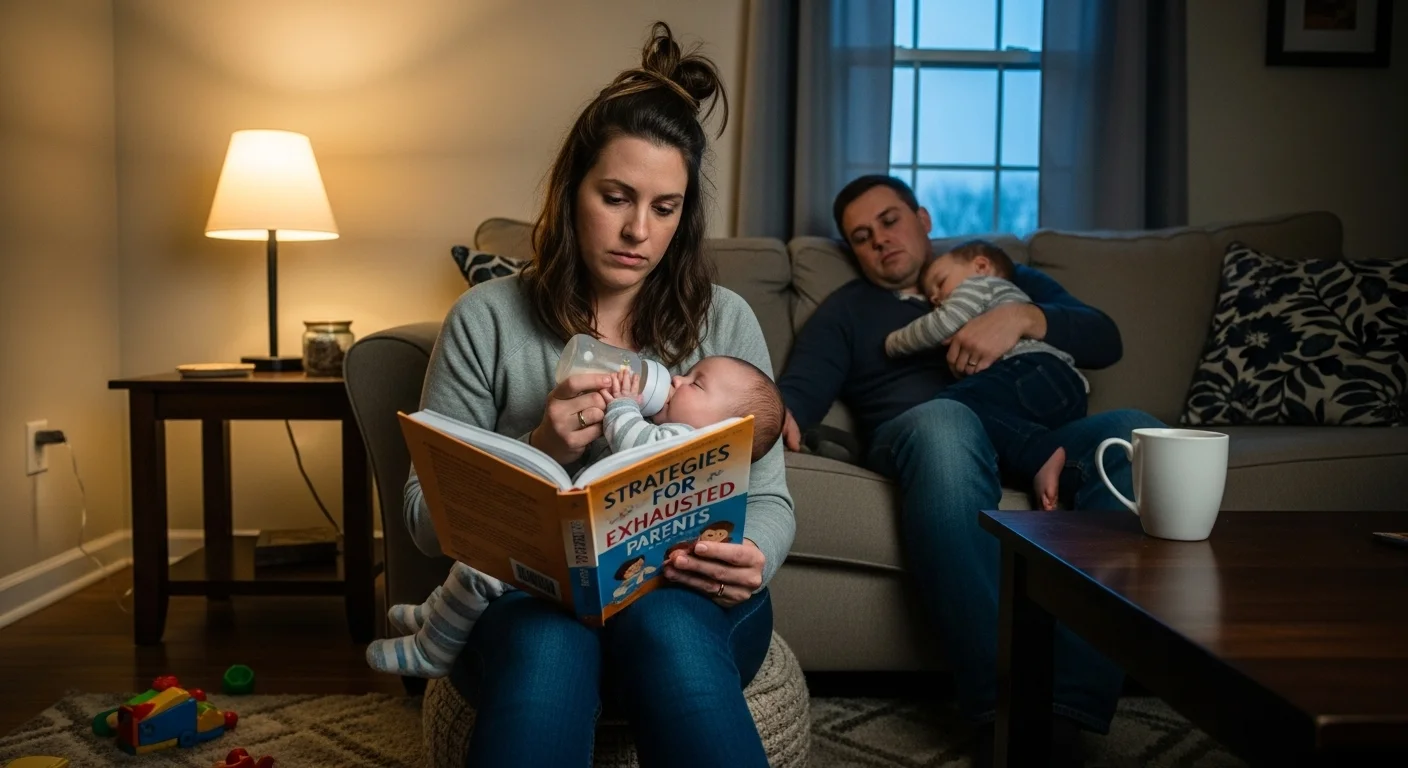
Understanding Sleep Deprivation in Parents
Definition and Causes of Sleep Deprivation
Sleep deprivation is more than just feeling tired; it’s a significant lack of sleep that can happen for various reasons. For us parents, the causes can range from late-night feedings and diaper changes to the stress of managing daily tasks. I found myself staying up late trying to catch up on chores or simply enjoying a few moments of peace after the kids were in bed, only to regret it in the morning. The demands of parenting can easily lead to a pattern of sleep disturbances, making it hard to find a balance.Common Symptoms of Sleep Deprivation
Recognizing the signs of sleep deprivation is crucial, especially since they can sneak up on us. I often noticed that I was more irritable, had trouble concentrating, and felt a bit foggy throughout the day. Other symptoms may include:- Increased forgetfulness
- Feeling overwhelmed or anxious
- Frequent mood swings
- Lower energy levels
- Physical symptoms like headaches or digestive issues
Impact on Parenting and Daily Life
The effects of sleep deprivation can ripple through every aspect of our lives. When I was running on empty, I struggled to engage positively with my children. I found myself snapping at them over minor issues, which only added to my guilt. Sleep deprivation can affect our patience, energy, and overall ability to connect with our kids. It’s not just about losing sleep; it’s about losing moments that matter. Moreover, our physical health can take a hit. I often felt susceptible to colds and other ailments when I wasn’t getting enough rest. That’s when it hit me: I was not just affecting my own well-being but also setting a tone for my family’s health. We all know that kids feed off our energy, and my exhaustion was certainly not the vibe I wanted to project. Understanding these impacts has been a crucial step in my journey. I realized that prioritizing sleep would not only benefit me but also enhance my family’s overall quality of life. As we delve into strategies for tackling sleep deprivation, I hope to share what’s worked for me and how we can better support ourselves as parents. Now that we’ve recognized the problem, it’s time to explore some effective strategies for improving sleep quality. These methods have not only helped me reclaim my nights but have also transformed how I approach my days with my kids.Strategies for Improving Sleep Quality
Establishing a Consistent Sleep Schedule
One of the most effective strategies I discovered for improving my sleep quality is establishing a consistent sleep schedule. I used to think that I could just catch up on sleep whenever I had a free moment, but I quickly realized that this approach only made things worse. Our bodies thrive on routine, and setting a regular bedtime and wake-up time has helped me feel more rested and energized. I started by picking a bedtime that allowed for at least seven to eight hours of sleep before my kids woke up. It was tough at first—especially with the temptation to stay up late binge-watching shows or scrolling through my phone. However, I soon noticed the benefits of getting to bed at the same time every night. It helped regulate my internal clock, making it easier to fall asleep and wake up feeling refreshed. I recommend setting an alarm a little earlier in the evening as a reminder to wind down. This way, I could prioritize sleep without feeling rushed.Creating a Restful Sleep Environment
Another key step for me was transforming my bedroom into a sanctuary for sleep. I realized that the environment plays a huge role in how well we sleep. I made small changes that made a big difference. For starters, I invested in blackout curtains to block out any light, which helped create a dark, cozy atmosphere. I also adjusted the temperature of the room, aiming for a cool, comfortable setting that encouraged sleep. I found that limiting noise was essential, too. Some nights, I used a white noise machine to drown out any disruptive sounds from the outside. Soft, calming scents like lavender also became a part of my nightly routine. I started using essential oils in a diffuser, which helped me unwind and signaled to my brain that it was time to sleep. Creating a peaceful and inviting space has allowed me to relax more easily as I drift off to sleep.Practicing Relaxation Techniques Before Bed
I never realized how much my mind raced at night until I began practicing relaxation techniques. My thoughts would often wander to everything I needed to do the next day, leading to a cycle of anxiety that kept me awake. I decided to incorporate a few calming rituals before bed, which have made a significant impact. One technique I found particularly helpful is deep breathing. I started dedicating just a few minutes each night to focus on my breath, inhaling deeply through my nose and exhaling slowly through my mouth. This simple practice helped me clear my mind and calm my racing thoughts. I also tried gentle stretching or yoga, which not only eased my body but also allowed me to release any tension I was holding. Journaling became another nightly ritual for me. I took a few moments to jot down my thoughts, worries, or even things I was grateful for. It was a way to empty my head of clutter before sleep. I found that these relaxation techniques not only improved my sleep quality but made me feel more at peace overall.Limiting Screen Time and Blue Light Exposure
In our digital age, I quickly learned that screen time before bed can significantly impact sleep quality. I used to scroll through social media or watch TV right up until I turned off the lights, thinking it was a way to unwind. However, I realized that the blue light emitted from screens can interfere with our natural sleep-wake cycle. To combat this, I started setting a “screen curfew” for myself. About an hour before bedtime, I would put down my devices and switch to activities that were more conducive to relaxation, like reading a book or practicing those deep breathing exercises. I also invested in blue light-blocking glasses for times when I couldn’t avoid screens in the evening. Taking these steps not only helped me fall asleep faster but also improved the quality of my sleep. I felt more refreshed and alert in the morning, which made a world of difference in my parenting and daily activities. Read Interesting article: Survive Sleep Deprivation: Essential Tips for New Parents Through these strategies, I’ve learned that small changes can lead to significant improvements in sleep quality. I hope sharing my experiences can inspire other parents who are navigating the challenges of sleep deprivation. Now, let’s explore practical tips for napping, which can be a game-changer for those days when we just can’t get a full night’s sleep.Practical Tips for Napping
Short Power Naps vs. Long Naps
Napping can be a lifesaver for exhausted parents, but figuring out the right kind of nap can make all the difference. I’ve experimented with both short power naps and longer naps, and I’ve found that each serves a different purpose. Power naps, typically around 10 to 20 minutes, are fantastic for a quick recharge. They help boost alertness and improve mood without leaving me feeling groggy afterward. If I had a busy morning and could steal a few moments while my kids napped, I’d set a timer and close my eyes. When I woke up, I felt energized and ready to tackle the rest of the day. On days when I felt completely drained, I’d allow myself a longer nap of about 30 to 90 minutes. This length lets you enter deeper sleep cycles, which can be incredibly restorative. However, I learned that napping too late in the afternoon could interfere with my nighttime sleep. Balancing power naps and longer ones has been key for me, depending on how I’m feeling.Finding the Right Time to Nap
Timing is everything when it comes to napping. I found that the best window is usually early to mid-afternoon. It’s that post-lunch lull where my energy dips, and I can sneak in a nap without it affecting my nightly rest. I remember when I first tried napping too late in the day, thinking a late afternoon snooze would help. Instead, I ended up tossing and turning at night, regretting my decision. If you’re considering a nap, pay attention to your body’s signals. If you’re yawning and struggling to keep your eyes open, it’s likely a good time to find a cozy spot and recharge. I also recommend planning naps around your kids’ schedules if possible. When they were napping, I took that as my cue to rest as well. It became a little rhythm we developed, and it was beneficial for both of us.Creating a Comfortable Napping Space
Just like a good nighttime sleep environment, creating a comfortable space for napping is crucial. I learned that I needed a cozy, quiet spot free from distractions. I found a favorite chair in my living room that had just the right level of comfort. I made sure to keep the room dimly lit and quiet, using curtains to block out bright light and keeping noise levels low. Sometimes, I would even use a blanket or a favorite pillow to make the space feel more inviting. I often threw on some calming music or nature sounds to help me relax. Even just a few minutes of stillness in a comfortable space can make a world of difference. I’ve noticed that when I allow myself to create a pleasant napping environment, those short breaks become more effective. With these strategies in mind, I’ve discovered that napping can be a powerful tool in my arsenal against sleep deprivation. I hope these tips help you find your own way to embrace those little moments of rest. Now, let’s shift gears and explore the connection between nutrition and sleep, because what we eat can also play a significant role in how well we rest at night.Nutrition and Sleep: What to Eat for Better Sleep
Foods that Promote Sleep
When I started digging into the relationship between nutrition and sleep, I was amazed at how certain foods could help me drift off more easily. I learned that foods rich in tryptophan—like turkey, nuts, and seeds—can promote sleepiness. For me, having a small handful of almonds or walnuts in the evening became a delightful snack that also helped my body prepare for rest. Another key player in the sleep game is magnesium. Foods such as leafy greens, bananas, and whole grains are packed with this mineral and can help relax muscles and calm the mind. I began incorporating more spinach and quinoa into my meals, and I felt the difference. Even making a simple smoothie packed with bananas and spinach became a bedtime ritual, and it made my body feel more ready for sleep.Foods to Avoid Before Bedtime
On the flip side, I quickly learned that not all foods are conducive to good sleep. I noticed that eating heavy or spicy meals close to bedtime would leave me feeling uncomfortable and restless. It took some trial and error, but I started avoiding caffeine in the afternoon and evening. I used to enjoy a cup of coffee after dinner, but it became clear that it was impacting my ability to wind down at night. Alcohol also played a tricky role in my sleep patterns. While it might seem like a glass of wine could help me relax, I discovered that it often led to disrupted sleep later in the night. I began to be more mindful of what I consumed in the hours leading up to bedtime, opting for light snacks instead.Hydration and Its Impact on Sleep
Hydration is another crucial piece of the puzzle. I realized that staying properly hydrated throughout the day was essential, but I had to be careful about how much I drank right before bed. Drinking too much liquid too close to bedtime often meant waking up for those pesky trips to the bathroom. I aimed to hydrate during the day, but I cut back on fluids in the evening to avoid interruptions during the night. Incorporating these nutritional changes has made a noticeable difference in my sleep quality. As I continue to explore ways to enhance my sleep, I’ve seen how taking care of my body through food can lead to a more restful night. Now, let’s look at how incorporating exercise into our routines can further support our sleep and overall well-being.Incorporating Exercise into Your Routine
Benefits of Physical Activity for Sleep
I never used to think of exercise as a sleep aid until I experienced its profound effects firsthand. Physical activity has a way of releasing endorphins that uplift your mood and help you unwind. I found that when I made time to work out, even if it was just a brisk walk around the neighborhood, I fell asleep faster and enjoyed deeper sleep. Regular exercise helps to reduce anxiety and stress, both of which can keep us tossing and turning at night. It was eye-opening for me to realize that when I was more active during the day, I felt physically tired at night—an essential part of the sleep equation. I remember one particularly exhausting day when I chased my kids around the park. Afterward, I felt a sense of peaceful fatigue that led to one of the best nights of sleep I’d had in weeks.Best Types of Exercise for Exhausted Parents
Finding the right type of exercise can be a game changer, especially for busy parents. I discovered that not all workouts have to be intense or time-consuming. Activities like yoga or stretching can be incredibly beneficial for winding down and preparing for sleep. They not only help with physical relaxation but also encourage mindfulness, which can calm an overactive mind. High-energy workouts, like running or aerobics, can also be great, but I found that they work best when done early in the day. I learned that exercising too close to bedtime can sometimes leave me feeling too energized to sleep. Instead, I aimed for morning or early afternoon workouts, giving my body plenty of time to cool down before bed.Finding Time for Exercise with a Busy Schedule
One of the biggest challenges I faced was squeezing exercise into my already packed schedule. I had to get creative with my approach. I began involving my kids in my workouts—whether it was a family bike ride, a dance party in the living room, or chasing them around the yard. This way, I managed to stay active while also spending quality time with them. I’ve also learned to set small, achievable goals. Instead of committing to an hour at the gym, I aimed for just 10-15 minutes of movement. This could be a quick home workout video or a walk around the block. Those small bursts of activity added up over time and made a noticeable difference in my energy levels and sleep quality.When to Seek Professional Help
Signs You Might Need a Sleep Specialist
There were times when I felt like no matter what I did, my sleep issues persisted. It’s essential to recognize when these struggles become more than just typical parenting fatigue. If I found myself unable to function during the day, experiencing chronic insomnia, or feeling excessively tired despite trying various strategies, I knew it was time to consult a professional. Other signs that might indicate the need for help include persistent snoring, gasping for air during sleep, or feeling restless at night. Our sleep should rejuvenate us, and when it doesn’t, seeking help can be a vital step toward improvement.Common Sleep Disorders in Parents
There are several sleep disorders that parents might face, including insomnia, sleep apnea, and restless leg syndrome. I had a friend who struggled with sleep apnea and didn’t even realize it until she consulted a specialist. It turned out to be a major factor in her sleep deprivation. Understanding these disorders can be crucial, as they often require tailored treatments to manage effectively.Therapies and Treatments Available
When it comes to treatment, I learned that there’s no one-size-fits-all solution. Cognitive behavioral therapy for insomnia (CBT-I) has shown to be effective for many people, focusing on changing the thoughts and behaviors that contribute to sleep problems. Other treatment options might include continuous positive airway pressure (CPAP) machines for sleep apnea or even medication in some cases. Working with a healthcare provider can help us navigate these options and find the best approach for our unique situations.Support Systems for Exhausted Parents
Building a Support Network
One of the best things I did for my sleep and overall well-being was to build a support network. I reached out to friends, family, and fellow parents who understood what I was going through. Sharing experiences and strategies not only helped me feel less isolated but also provided valuable insights that I hadn’t considered before. Being open about my struggles with sleep led to productive conversations, and I discovered that many parents are in the same boat. We began swapping tips, offering to babysit for each other, and even organizing playdates to give ourselves a breather. This sense of community can be incredibly helpful.Sharing Responsibilities with Your Partner
If you have a partner, sharing responsibilities can make a world of difference. I took the time to have open discussions with my partner about our sleep needs and how we could support each other better. We developed a system where one of us would handle nighttime duties while the other could catch some extra sleep. This teamwork not only improved our sleep but also strengthened our bond as parents.Accessing Community Resources and Programs
Many communities offer resources for parents, such as parenting classes, support groups, or workshops focused on sleep strategies. I found local meetups to be beneficial. They provided not just information but also connections with other parents who were facing similar challenges. It’s comforting to know that we’re not alone in this journey. Read Interesting article: Top Strategies for Tackling Common Newborn Sleep IssuesFinal Thoughts
Navigating the world of parenting while dealing with sleep deprivation can feel overwhelming, but I’ve learned that we’re not powerless in this situation. By understanding our needs, implementing effective strategies, and seeking support, we can create a healthier sleep environment for ourselves and our families. Each small change can lead to significant improvements, making our parenting journey more joyful and fulfilling. Remember, taking care of ourselves is just as important as caring for our little ones. Embracing these practices has not only transformed my nights but also enriched my days with my children.Frequently Asked Questions
What is sleep deprivation in parents?
Sleep deprivation is a significant lack of sleep that can occur for various reasons, including late-night feedings, diaper changes, and the stress of managing daily tasks. It often leads to a pattern of sleep disturbances, making it hard for parents to find a balance.
What are common symptoms of sleep deprivation?
Common symptoms of sleep deprivation include increased irritability, trouble concentrating, forgetfulness, feeling overwhelmed or anxious, frequent mood swings, lower energy levels, and physical symptoms like headaches or digestive issues.
How does sleep deprivation impact parenting?
Sleep deprivation can affect a parent’s patience, energy, and overall ability to connect with their children, leading to negative interactions and feelings of guilt. It can also impact physical health, making parents more susceptible to colds and other ailments.
What strategies can improve sleep quality for parents?
Some effective strategies include establishing a consistent sleep schedule, creating a restful sleep environment, practicing relaxation techniques before bed, and limiting screen time and blue light exposure.
What types of relaxation techniques can help improve sleep?
Relaxation techniques that can help improve sleep include deep breathing exercises, gentle stretching or yoga, and journaling to clear the mind of clutter before sleep.
What role does nutrition play in sleep quality?
Nutrition significantly affects sleep quality. Foods rich in tryptophan (like turkey, nuts, and seeds) can promote sleepiness, while magnesium-rich foods (such as leafy greens and bananas) can help relax muscles. It’s also important to avoid heavy meals, caffeine, and alcohol close to bedtime.
How can exercise improve sleep quality?
Exercise releases endorphins that uplift mood and reduce anxiety and stress, which can help individuals fall asleep faster and enjoy deeper sleep. Activities like yoga and stretching can also be beneficial for winding down before bed.
When should a parent seek professional help for sleep issues?
Parents should seek professional help if they experience chronic insomnia, excessive daytime fatigue, persistent snoring, or gasping for air during sleep, indicating potential sleep disorders.
What are common sleep disorders that parents might face?
Common sleep disorders include insomnia, sleep apnea, and restless leg syndrome. These conditions often require tailored treatments to manage effectively.
How can parents build a support network for dealing with sleep deprivation?
Building a support network involves reaching out to friends, family, and fellow parents to share experiences and strategies. Parents can also benefit from sharing responsibilities with their partners and accessing community resources or programs focused on parenting and sleep strategies.