
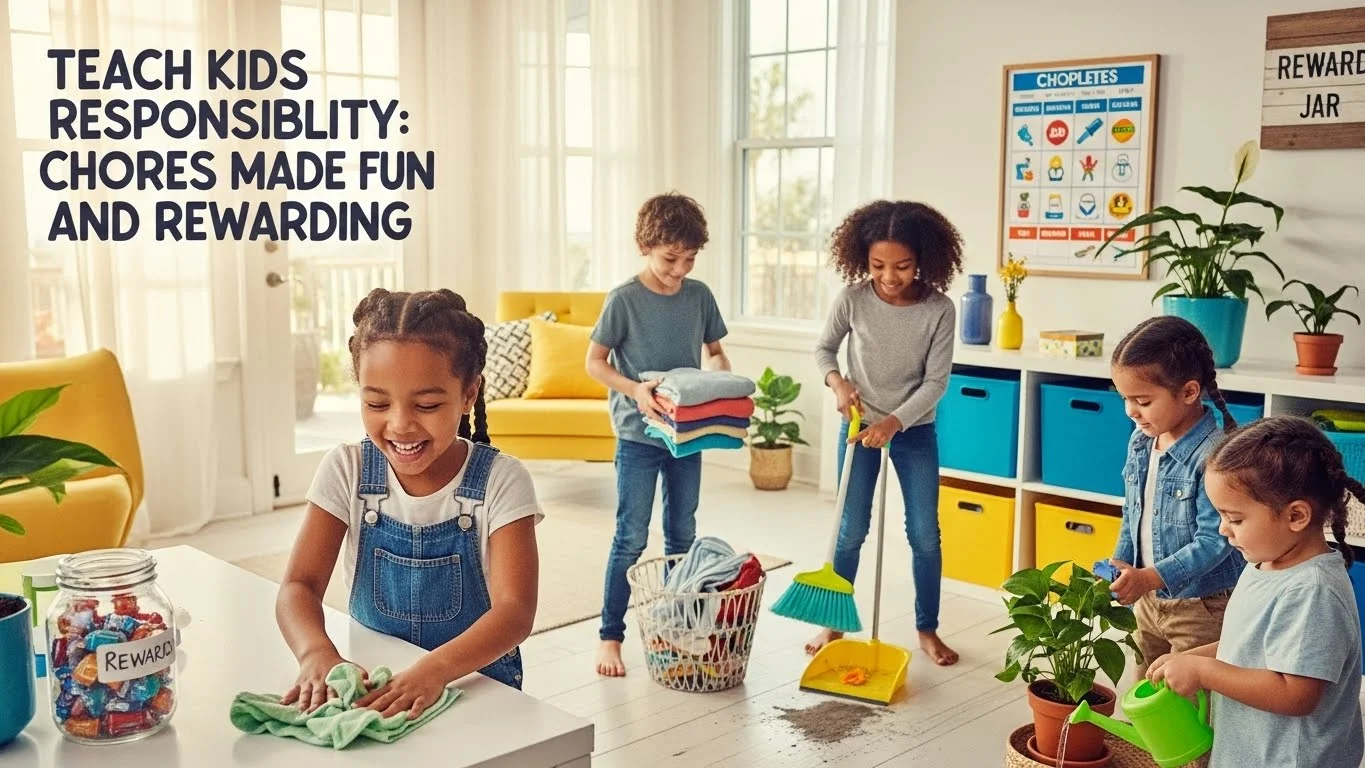
Teaching kids responsibility can transform their lives and ours. By making chores fun and rewarding, we can help them develop essential life skills while creating a harmonious home environment. For additional insights on parenting, check out How to Set Boundaries with Kids: A Parent’s Guide.
Understanding Responsibility in Children
What is Responsibility?
Responsibility is a fundamental concept that encompasses being accountable for one’s actions, fulfilling obligations, and managing tasks. I’ve often thought about how teaching responsibility to our children is not just about chores, but about life skills that will serve them well into adulthood. For me, it means helping them understand that their actions have consequences, and they play a crucial role in maintaining our family’s well-being. When I see my kids take ownership of their tasks, it brings a sense of pride to both them and me.
Why Teaching Responsibility is Important
Teaching kids responsibility is essential for their growth. I believe it shapes their character, fosters independence, and builds their self-esteem. I remember when my eldest son, Alex, first took on the task of feeding our dog. It was a small chore, but it made him feel like he was contributing to the family. It was a pivotal moment that instilled a sense of pride in him. When children learn to be responsible, they also develop problem-solving skills and learn the value of hard work. This foundation sets the stage for them to succeed in school, friendships, and eventually, their careers. For more on effective parenting strategies, consider reading Mastering Effective Communication: Setting Boundaries with Kids.
Benefits of Responsibility for Kids
The benefits of teaching responsibility are numerous. For one, it promotes a sense of belonging and connection within the family. When my kids contribute to household tasks, they realize their importance in our family unit. Additionally, responsible children tend to be more self-reliant and capable of making good decisions. I’ve noticed that when they take ownership of their responsibilities, it encourages them to be more proactive in other aspects of their lives, such as homework and friendships. Furthermore, it lays the groundwork for empathy and respect towards others and their belongings. I’ve seen my kids become more considerate simply by understanding that their actions affect those around them.
Choosing the Right Chores for Kids
Age-Appropriate Chores
Choosing the right chores for kids is all about considering their age and developmental stage. I often find that age-appropriate tasks can empower children and make them feel capable. For younger kids, simple chores like sorting laundry, setting the table, or watering plants can be engaging and fun. As my children have grown, I’ve introduced more complex tasks like cooking simple meals or managing their homework schedules. This progression has helped them gain confidence and has made our home run more smoothly.
Types of Chores: Household, Personal, and Community
When selecting chores, I like to think about the different categories: household, personal, and community. Household chores, like cleaning up their rooms or vacuuming, contribute to a tidy home. Personal chores, such as packing their own lunches or organizing their backpacks, teach them self-management. Community chores, like participating in a neighborhood cleanup or volunteering, instill a sense of social responsibility. I remember when my daughter, Mia, volunteered for a local charity event; it opened her eyes to the needs of others and made her feel part of something bigger. If you’re interested in how experiences can help kids develop skills, you might want to explore Backpacking with Kids: Boost Their Social Skills Abroad.
Chores by Skill Level
It’s also important to consider skill levels when assigning chores. I’ve often adapted tasks to match my children’s abilities. My youngest, who is just six, loves to help with dusting low surfaces or sorting utensils. Meanwhile, my older kids tackle more challenging responsibilities like laundry or organizing their own study space. This skill-based approach not only keeps them engaged but also ensures they feel accomplished when completing their tasks. I’ve learned that recognizing their efforts can lead to a sense of achievement that motivates them to take on even more responsibilities.
Making Chores Fun
Gamifying Chores: Reward Systems and Point Charts
One of the best ways I’ve found to make chores fun is by gamifying them. We created a point system where my kids earn points for completing tasks. They can redeem these points for rewards like extra screen time or a special outing. This friendly competition keeps them motivated and adds a playful element to household chores. I remember when we had a “Chore Olympics” at home; it turned mundane tasks into exciting challenges. The laughter and teamwork during that week were priceless.
Using Music and Timers to Create a Fun Atmosphere
Another trick I’ve used is incorporating music and timers. I play their favorite songs while we clean, which makes the time fly. I’ve noticed that when we set a timer for tasks, it creates a sense of urgency that makes chores feel like a fun game. For example, we challenge ourselves to see how quickly we can pick up toys or fold laundry. This transformation from a chore to a playful activity has helped us bond and work together as a family. It’s incredible how a little music can change the mood!
Creating Chore Challenges and Competitions
Creating friendly competitions around chores has been another effective strategy. I often set up challenges, such as who can clean their room the fastest or who can gather the most items for donation. This not only makes chores fun but also teaches them the value of teamwork and collaboration. I’ve found that when we frame chores as challenges, my kids approach them with enthusiasm, eager to show what they can achieve. I remember one weekend when we turned lawn mowing into a race; it became a cherished family memory and a fun way to tackle a necessary task.
Incorporating Rewards and Incentives
Types of Rewards: Tangible vs. Intangible
When it comes to rewards, I’ve learned that both tangible and intangible incentives can be effective. Tangible rewards, like stickers, small toys, or extra screen time, can be exciting for kids. For instance, I once gave my son a small toy car after he completed his chores consistently for a month. His eyes lit up with joy, and it motivated him to keep up the good work. On the other hand, intangible rewards are equally valuable. Compliments, praise, and quality family time can be powerful motivators. I remember an evening when I praised my daughter for her effort in keeping her room tidy; we ended up baking cookies together, which not only celebrated her success but also created a cherished memory. Finding a balance between these two types of rewards can help keep kids engaged and motivated.
Creating a Reward Chart
A reward chart has been a game changer in our household. I decided to create a colorful chart with all the chores listed, and my kids could place stickers next to tasks they completed. It’s visually rewarding for them and provides a clear picture of their accomplishments. Each time they fill a row, they earn a special reward, which we discuss together. I remember one week when Mia excitedly reached her reward goal; she chose a family movie night, and we all had a blast. This simple visual reminder not only makes chores more playful but also fosters a sense of pride as they see their progress laid out before them.
Balancing Rewards with Responsibilities
While rewards are essential, I’ve realized that it’s equally important to balance them with the understanding that responsibilities shouldn’t always come with a prize. I often have conversations with my kids about the intrinsic value of completing chores, like the satisfaction of a clean space or the joy of helping others. For instance, when we participate in community cleanup days, I emphasize how rewarding it feels to contribute positively to our neighborhood, even if there’s no tangible reward at the end. I think this balance teaches them that some actions are fulfilling enough on their own, which is an important life lesson.
Engaging Kids in the Process
Involving Kids in Chore Selection
Involving my kids in the selection of chores has been wonderfully empowering for them. I’ve found that when they have a say in what responsibilities they take on, they feel a greater sense of ownership. For example, during our family meeting each week, I encourage them to choose which chores they’d like to do. They often pick tasks that align with their interests, like Mia loves gardening, so she takes charge of watering our plants. This not only makes chores feel less like a burden but also allows them to pursue their passions while contributing to the household.
Teaching Time Management Skills
Time management is another crucial skill that I’ve worked on with my kids while doing chores. I introduced them to simple concepts like scheduling and prioritizing tasks. For instance, we created a weekly chore timetable together, setting specific times for each task. I’ve noticed that when they allocate and manage their time well, they feel less overwhelmed and more in control. I remember one particularly busy week when Alex had a lot on his plate; we sat together and adjusted his chores to fit his schedule. This not only relieved some pressure but also taught him how to balance responsibilities, which is a skill that will serve him well throughout life.
Encouraging Teamwork with Family Chores
Family chores are a fantastic way to foster teamwork, and I’ve seen how working together can strengthen our bonds. Whether it’s cleaning the garage or preparing a meal, involving everyone creates a sense of unity. I recall one Saturday when we decided to tackle spring cleaning as a family. We divided the tasks and turned on some upbeat music. Not only did we finish the chores efficiently, but we shared laughs and created memories in the process. This teamwork not only makes chores more enjoyable but also teaches my kids that working together can lead to great results.
Overcoming Common Challenges
Addressing Resistance to Chores
Resistance to chores is something I’ve encountered, and I’ve found that addressing it head-on is crucial. Sometimes my kids just don’t want to do their chores, and I try to understand their feelings. I’ve learned to ask them why they’re resistant; sometimes they feel overwhelmed, or they’d rather be playing. By listening to their concerns, we can work together to find solutions—like breaking down a large chore into smaller, manageable tasks or adjusting the timing to fit their moods better. When I acknowledge their feelings, I’ve seen them become more willing to engage with their responsibilities.
Dealing with Inconsistency and Lack of Motivation
Inconsistency can be a challenge as well. There are days when my kids are super motivated, but other days, not so much. I’ve learned to accept that this is part of the process. To combat this, I try to keep the atmosphere light and fun. If I notice a drop in motivation, I might introduce a new chore challenge or change up the routine. Sometimes, I simply remind them of the rewards and the fun we have when we work together. I’ve noticed that even a little nudge can rekindle their enthusiasm.
Strategies for Follow-Up and Accountability
Lastly, follow-up and accountability are key components of teaching responsibility. I make it a point to check in with my kids after they complete their chores, asking how they felt about the task they just did. This conversation not only provides them with validation but also allows us to discuss any challenges they faced. I’ve found that this follow-up helps them reflect on their efforts and builds a sense of accountability. Over time, I’ve seen them take pride in their accomplishments, which reinforces their willingness to take on more responsibilities in the future.
Real-Life Examples and Success Stories
Case Studies of Families Who Made Chores Fun
I find it inspiring to learn about other families who have successfully integrated chores into their lives while making it enjoyable. One family I read about decided to have a “Chore Challenge Day” once a month. They introduced fun themes like “Superhero Saturday,” where each family member chose a superhero persona and tackled their chores dressed up. This not only made cleaning fun but also sparked creativity and laughter. They reported that their kids were more enthusiastic about chores, looking forward to them instead of dreading them. I remember thinking how a simple twist like that could completely change the attitude towards responsibilities.
Another family opted for a “Chore Swap” system. Each week, the kids could switch chores with one another, allowing them to experience different tasks. This helped them appreciate the effort involved in each chore and fostered a sense of teamwork, as they often teamed up to finish the tasks more efficiently. I admired how this approach added variety and excitement to what could easily become monotonous chores. It reminded me that sometimes, changing the routine can lead to newfound motivation and a deeper understanding of the responsibilities at hand.
Testimonials from Kids on What Works
Hearing directly from kids about what makes chores fun is always enlightening. I came across a study where children shared their thoughts on chores. Many kids mentioned that they enjoyed it more when they could listen to music while working. One young girl said, “When we have dance parties while cleaning, it feels like playtime, not work!” It resonated with me because it echoed my experience of how music can uplift spirits and turn chores into bonding moments.
Another child expressed how being part of a chore chart made her feel accomplished. She said, “When I see the stickers on my chart, it makes me want to do more chores! I feel like I’m winning.” I think this highlights the importance of recognition and accomplishment in a child’s motivation to take on responsibilities. Their perspective truly reinforces the idea that kids thrive on positive feedback and visual markers of their achievements.
Before and After: Changes in Responsibility Levels
I’ve seen profound changes in responsibility levels in families who prioritize engaging their kids in chores. One family documented their journey over six months. Initially, their kids resisted chores, often leaving tasks unfinished. However, after implementing fun strategies like gamifying chores and offering choices, they noticed a remarkable shift. The parents reported that their kids transitioned from avoiding chores to actively participating in family discussions about household responsibilities. I remember feeling inspired by their transformation, as it demonstrated the power of patience and creativity in teaching responsibility.
In another case, a single mom struggled with her children’s reluctance to help around the house. After experimenting with reward systems and family chore days, she observed a significant improvement. The children not only began to complete their chores but also started taking the initiative to suggest new tasks. She shared, “Now, I don’t have to remind them. They come to me asking what they can do!” This shift not only lightened her load but also fostered a sense of pride and achievement in her children. It reminded me that change is possible when we commit to making chores a part of family life in a positive way.
The Role of Parents in Teaching Responsibility
Modeling Responsible Behavior
As parents, we play a crucial role in teaching our kids about responsibility, and I’ve come to realize how much they learn by observing us. I often reflect on my own actions and how they influence my children. For instance, if I’m organizing my workspace or completing a task on time, they notice and often mimic that behavior. I believe that modeling responsible behavior is one of the most effective ways to instill these values in our kids. I remember one day when I was frustrated with a messy kitchen but decided to tackle it with a positive attitude. My kids joined in, and I could see them absorbing the lesson that even mundane tasks can be approached with a sense of purpose and determination.
Providing Guidance and Support
Guiding our kids through the process of learning responsibility is key. I’ve found that offering support, rather than just assigning tasks, can make a significant difference. For example, when my daughter Mia struggled to keep her room tidy, instead of scolding her, I sat down with her to discuss organizing strategies. We made a plan together, and I could see how it empowered her. She felt supported rather than overwhelmed, and it taught her that seeking help is part of being responsible. This experience reinforced my belief that providing guidance fosters a sense of partnership, which can lead to greater success in managing responsibilities.
Establishing Clear Expectations and Consequences
Setting clear expectations is essential in our journey to teach responsibility. I’ve learned that when my kids understand what is expected of them, they are more likely to follow through. We have family meetings where we discuss chores and expectations, allowing everyone to voice their thoughts. Additionally, I’ve implemented a system of natural consequences when chores aren’t completed. I remember a time when my son forgot to take out the trash. Instead of nagging him, I let him experience the consequences of a cluttered home for a day. He quickly realized how important it was to stay on top of his chores. It made him more willing to take responsibility in the future, and I felt it was a valuable lesson for him.
Frequently Asked Questions
What is responsibility in the context of teaching children?
Responsibility is the concept of being accountable for one’s actions, fulfilling obligations, and managing tasks. Teaching responsibility to children involves helping them understand that their actions have consequences and that they play a crucial role in maintaining their family’s well-being.
Why is teaching responsibility important for kids?
Teaching kids responsibility is essential for their growth as it shapes their character, fosters independence, and builds self-esteem. It helps them develop problem-solving skills and understand the value of hard work, laying the groundwork for success in school, friendships, and future careers.
What are the benefits of teaching responsibility to children?
The benefits include a sense of belonging within the family, increased self-reliance, improved decision-making abilities, and the development of empathy and respect towards others. Children who take ownership of their responsibilities often become more proactive in various aspects of their lives.
How can I choose age-appropriate chores for my children?
Choosing age-appropriate chores involves considering the child’s age and developmental stage. Younger kids can handle simple tasks like sorting laundry or setting the table, while older kids can manage more complex responsibilities like cooking or organizing their homework schedules.
What strategies can make chores more fun for kids?
Strategies to make chores fun include gamifying tasks with point systems and rewards, using music and timers to create a lively atmosphere, and setting up challenges or competitions among family members to encourage teamwork and make chores exciting.
What types of rewards can be used to motivate children for completing chores?
Both tangible rewards (like stickers or extra screen time) and intangible rewards (such as praise or quality family time) can motivate children. Finding a balance between these types of rewards helps keep children engaged and encourages them to complete their responsibilities.
How can I involve my kids in the chore selection process?
Involving kids in chore selection can empower them by giving them a say in their responsibilities. Family meetings can be used to discuss which chores they would like to take on, allowing them to choose tasks that align with their interests.
What are common challenges in teaching responsibility, and how can they be addressed?
Common challenges include resistance to chores and inconsistency in motivation. Addressing these issues involves understanding children’s feelings, breaking down tasks into manageable parts, and keeping the atmosphere light and fun to rekindle enthusiasm.
How can parents model responsible behavior for their children?
Parents can model responsible behavior by demonstrating positive actions, such as completing tasks on time and organizing their space. Children often learn by observing their parents, so showing a positive attitude towards responsibilities is crucial.
Why is establishing clear expectations important in teaching responsibility?
Establishing clear expectations helps children understand what is required of them, making them more likely to follow through. Family meetings can be held to discuss chores and set expectations, while implementing natural consequences teaches the importance of staying on top of responsibilities.