
Connecting with your newborn can feel overwhelming, but understanding their unique ways of communicating can create a strong bond. Let’s explore how we can decode these early interactions and nurture our little ones from the very start.
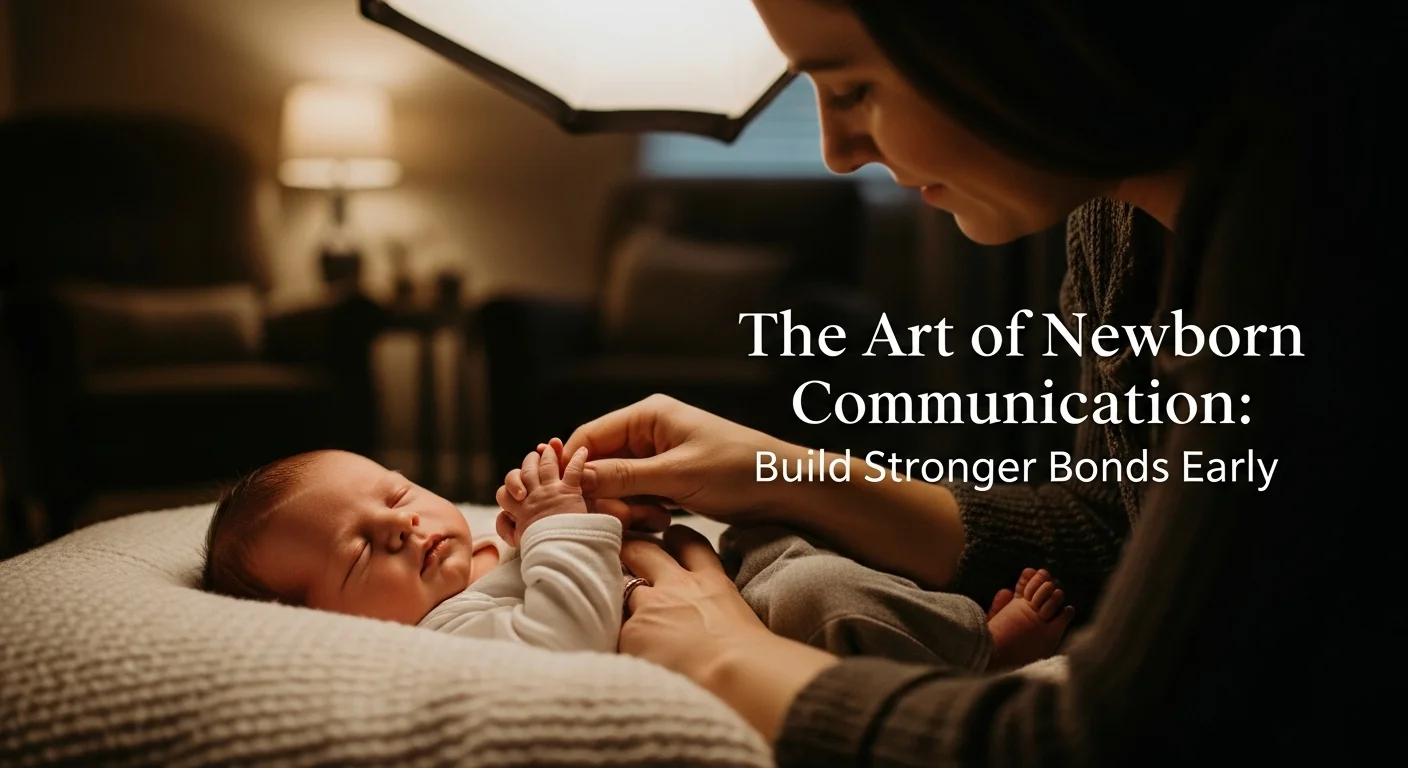
Understanding Newborn Communication
When I first held my newborn, I often found myself wondering how to connect with this tiny being. It was a journey of discovery, realizing that my baby was speaking long before they could form words. Understanding newborn communication is essential for building a loving relationship that lasts a lifetime. It’s fascinating how babies express themselves and how we can respond to their needs, fostering trust and attachment.
The Importance of Early Communication
From my experience, the early days with a newborn can be both magical and challenging. I learned that early communication sets the groundwork for emotional and social development. When we respond to our baby’s cues—be it a cry or a coo—we’re not just meeting their immediate needs; we are teaching them that they are heard and valued. This simple act can have profound effects on their emotional well-being and can lead to a more secure attachment. I believe that this bond is crucial as it lays the foundation for their future relationships.
What is Newborn Communication?
Newborn communication encompasses a variety of signals that babies use to express their needs and feelings. I realized that it goes beyond crying; it includes sounds, movements, and even facial expressions. Each coo and wiggle can be interpreted as a message waiting for us to decode. I found it incredibly rewarding to learn that my baby was trying to communicate excitement, discomfort, or even a desire for closeness through these delightful cues.
Key Behaviors: Crying, Coos, and Body Language
Crying is the most well-known form of communication from our little ones, but it’s just the tip of the iceberg. I remember the first time I noticed the different types of cries. There’s the hungry cry, the tired whine, and even that unmistakable “I need attention” wail. Recognizing these patterns helped me respond more effectively. Alongside crying, coos and gurgles are signs of happiness or contentment. Hearing those sweet sounds filled my heart with joy and made me feel more connected.
Body language is another essential aspect of newborn communication. I learned to pay attention to my baby’s movements—when they stiffen or arch their back, it often indicates discomfort, while relaxed arms and legs can signal contentment. Being attuned to these behaviors helped me become a more responsive parent. It’s like learning a new language, one that helps us navigate our newborn’s world.
As I dove deeper into the art of newborn communication, I found that being present and engaged was vital. I made it a point to spend quality time closely observing my baby. This practice not only strengthened our bond but also allowed me to refine my understanding of their needs. The more I connected through these early interactions, the more I learned about my little one’s personality and preferences.
Creating a nurturing environment where my baby felt safe to express themselves was also essential. I noticed that in a calm space with soft music and gentle lighting, my baby was more likely to engage and communicate. We experimented with different sounds and textures, and I found that my little one responded positively to soothing melodies and my voice. It became clear that fostering a communication-friendly atmosphere was key to enhancing our interactions.
In the world of newborn communication, every coo, cry, and movement carries a message. As I embraced this journey, I discovered that understanding these early cues not only helped me meet my baby’s needs but also enriched our bond. It’s an ongoing adventure filled with surprises, learning, and love. I hope this exploration inspires you to tune into the delightful language of your newborn, fostering a connection that will last a lifetime.
Developing a Bond Through Communication
The Role of Eye Contact
One of the most profound aspects of connecting with my newborn was the power of eye contact. I’ll never forget the first time our eyes locked. It was as if the world melted away, and in that moment, I could feel a connection that transcended words. Eye contact is a crucial part of communication; it conveys love, safety, and trust. I learned that when I held my baby close and looked into their eyes, they responded with a calmness that made me realize just how much they craved that connection.
In those early weeks, I made it a point to engage with my baby during feeding times, diaper changes, and play. I noticed that when I maintained eye contact, my little one would mirror my expressions, which created an exchange of emotions. It felt as if we were having our own little conversation, even without any spoken words. This simple act of looking into each other’s eyes helped form a bond that I believe will last a lifetime.
Responsive Parenting: Reacting to Your Baby’s Cues
Being a responsive parent was something I initially struggled with, but I quickly realized how vital it is to understanding my baby’s communication. It’s easy to feel overwhelmed, especially during those sleepless nights when every cry seems urgent. However, I found that taking a moment to pause and truly listen to my baby made all the difference. I began to notice patterns in their cries and cues, which allowed me to respond more appropriately.
For example, if my baby cried right after a feeding, it was often a sign of discomfort rather than hunger. By attuning myself to these signals, I learned to provide comfort and reassurance. It became a beautiful dance of give-and-take, and I felt more connected to my little one each time I responded to their needs. This not only calmed my baby but also helped build their confidence in communicating with me, reinforcing that their needs were being met.
The Power of Touch: Skin-to-Skin Contact
I can’t stress enough how transformative skin-to-skin contact was in my journey of connecting with my newborn. The first time I held my baby against my chest, the warmth and closeness were electric. It’s an experience that no words can truly capture. Skin-to-skin contact has been shown to enhance bonding, regulate body temperature, and even promote breastfeeding. For me, it was a way to soothe my baby while also creating a safe space for them to feel loved and secure.
After each bath, I would wrap my baby in a soft towel and snuggle with them against my skin. Those moments of skin-to-skin were filled with soft coos and gentle sighs, and I realized that it was during these quiet times that my baby felt most connected. I found that even when life got hectic, taking a few moments for this kind of intimate interaction deepened our bond and made both of us feel more at ease.
Types of Newborn Communication
Crying: Different Types and Their Meanings
Crying is often seen as the ultimate form of newborn communication, but I discovered that not all cries are created equal. I took the time to distinguish what my baby was trying to convey through their cries. The hungry cry was a rhythmic, short wail that had a certain urgency to it, while the tired cry was more of a whimper that came with fluttering eyelids.
Understanding these nuances helped me address their needs more effectively. I remember feeling a sense of pride when I could accurately interpret their cries without delay. This skill not only made me feel more competent as a parent, but it also allowed me to respond promptly, reinforcing my baby’s trust in me. It was truly empowering to realize that I could decipher their language and become their advocate in the world.
Vocalizations: Understanding Coos and Gurgles
As my baby grew, I started to notice the delightful sounds they made—those adorable coos and gurgles. It was like receiving little gifts of joy. Each time my baby expressed themselves with these vocalizations, I felt compelled to respond. I would mimic their sounds, and in return, they would smile or coo back, creating a delightful rhythm between us.
These early vocalizations were not just random noises; they were my baby’s way of engaging with me and exploring their voice. I learned that the more I engaged with them during these moments, the more they seemed to enjoy it. It became a fun game for both of us, and I cherished the laughter that filled our space as we played with sounds together.
Facial Expressions: What Your Baby is Trying to Tell You
Facial expressions are another fascinating aspect of newborn communication that I became increasingly aware of. I found myself studying my baby’s tiny features—how they scrunched their nose when they were unhappy or how their eyes lit up when they were excited. Each expression was a clue, revealing their feelings and needs.
I realized that when I mirrored their expressions, it not only made them giggle but also reinforced our bond. It felt like we were having our own silent conversations, filled with laughter and understanding. I believe that paying attention to these subtle cues helped me learn my baby’s personality and preferences, enhancing our connection even further.
Timing: When Communication Begins
Developmental Milestones in Communication
I always found it fascinating how quickly my newborn was growing and developing. It’s amazing to realize that communication begins much earlier than most people think. Right from birth, babies are equipped with instincts that help them interact with the world. In those first few weeks, I learned to watch for their ability to respond to sounds, turning their heads or widening their eyes when they heard my voice. These little milestones were like stepping stones on our journey of connection.
As my baby approached the two-month mark, I noticed even more changes. They started to make eye contact more consistently, which felt like a milestone in our communication. I learned that around this age, babies begin to coo and make vowel sounds, signaling their growing ability to engage. It was like a light bulb went off in my heart every time I heard those delightful sounds. I felt that we were entering a new phase where our interactions became richer and more meaningful.
Understanding Your Newborn’s Sleep and Wake Cycles
Another important aspect of communication that I learned about was the significance of my baby’s sleep and wake cycles. I realized that timing was everything when it came to engaging with my little one. Newborns have short periods of wakefulness, and I quickly figured out that this was the best time to connect. I found it helpful to observe when my baby was most alert and responsive, which usually happened after a good nap.
During these wakeful times, I engaged with my baby through gentle talking, singing, or simply being present. I noticed that my baby seemed more interested and responsive during these moments. It became clear to me that I needed to respect their sleep needs while also embracing those precious windows of opportunity for interaction. Understanding these cycles not only helped me connect better but also made our time together more fulfilling.
Recognizing the Signs of Engagement
As I continued my journey, I learned to look for signs of engagement from my baby. It was incredible to see how they would respond with smiles or coos when I engaged in playful interactions. I remember one particular moment when my baby’s face lit up at the sound of my voice. It felt like a magical connection, and I realized that these signs were invitations for me to deepen our bond.
Another sign to look for was their body language. I noticed that when my baby was engaged, they would wiggle their arms and legs, making little excited movements. On the other hand, when they were overwhelmed or tired, they would start to fuss or turn their head away. Learning to read these cues was like unveiling a secret code that guided our communication. I began to feel more in tune with my baby’s emotions and needs, which made our interactions even more rewarding.
Creating a Communication-Friendly Environment
The Importance of a Calm Atmosphere
Creating a calm environment was a game changer for our communication. I understood that a peaceful setting allowed my baby to feel safe and secure, making them more likely to engage. I made it a point to minimize distractions during our bonding time, whether it was turning off the TV or lowering the volume of background noise. Establishing a calm atmosphere helped both of us to be present in those moments.
I remember setting up a cozy corner in our living room, complete with soft cushions and gentle lighting. This space became our special place for bonding and communication. It was here that I would hold my baby close, whisper sweet nothings, and just enjoy the tranquility. I found that when we were in this calm space, my baby seemed more relaxed and open to connecting, making it a wonderful backdrop for our interactions.
Using Music and Sounds to Enhance Communication
Music became an unexpected ally in our communication journey. I discovered that my baby responded positively to soothing melodies. Whether it was soft lullabies or gentle classical tunes, these sounds seemed to create an atmosphere of calm and engagement. I often sang to my little one while rocking them, and I could see their eyes sparkle with delight as they absorbed the rhythm and melody.
One day, I decided to play some nature sounds during our quiet time. The gentle sound of rain or birds chirping captivated my baby’s attention, and they cooed in response. It was incredible to witness how different sounds could elicit such joy and engagement. I believe that incorporating music and sounds not only enhanced our communication but also enriched our time together, making it feel even more special.
Visual Stimulation: Colors and Shapes That Attract Newborns
Visual stimulation was another crucial element in fostering communication with my newborn. I learned that babies are drawn to high-contrast colors and simple shapes. I started to incorporate colorful toys and books into our interactions, and I noticed how my baby would gaze intently at the bright colors and patterns. It was delightful to see their eyes widen in curiosity, signaling their eagerness to explore.
I found that creating a visually stimulating environment encouraged my baby to engage more actively. I would hold colorful toys in front of them during playtime, moving them gently to catch their attention. These little moments became a fun way for us to connect and communicate. I cherished how these visual cues helped me learn about my baby’s interests and preferences, deepening our bond in the process.
Tools and Techniques for Effective Communication
Using Baby Sign Language
I can’t help but share how baby sign language transformed our communication experience. I had heard about it but wasn’t sure how effective it would be. After some research, I decided to give it a try, and it was one of the best decisions I made as a parent. Teaching my baby simple signs like “more,” “milk,” and “all done” opened a whole new world of understanding between us. I remember the joy on my baby’s face when they signed “more” during snack time—it felt like we had unlocked a special secret language.
Incorporating sign language into our daily routines made it fun and engaging. I would sign while saying the words aloud, reinforcing the connection between the gesture and its meaning. Over time, my baby began to mimic the signs, and it was incredible to see how they used them to express their wants and needs. I believe this early introduction to communication not only made my baby feel empowered but also deepened our bond significantly.
Reading to Your Newborn: Benefits and Recommendations
Reading to my baby became a cherished ritual in our household. I found it a wonderful way to bond and expose my little one to the rhythm of language. I would cuddle up with my baby and pick colorful board books filled with engaging illustrations. As I read aloud, I noticed how my baby would gaze at the pages, captivated by the colors and sounds. It felt like we were sharing a special adventure together.
Not only did reading enhance our communication, but it also introduced my baby to new words and concepts. I learned that even though they couldn’t understand everything right away, the melodic sounds and patterns of my voice were soothing and comforting. I recommend choosing books with repetitive phrases and playful rhythms, as they encourage engagement and participation. Our reading sessions became a delightful routine that I looked forward to every day.
Playing Games to Encourage Interaction
Playtime was another fantastic opportunity for communication. I discovered that simple games like peek-a-boo and pat-a-cake could elicit some of the sweetest reactions from my baby. I remember how their eyes would widen with excitement each time I revealed my face during peek-a-boo. It was pure joy! These games not only brought laughter but also helped my baby understand the concept of turn-taking and anticipation.
As we played, I would narrate our actions, using expressive tones to keep my baby engaged. I learned that even the simplest games could be powerful tools for communication. They encouraged my little one to respond and participate, making our bond even stronger. I believe that integrating playful interactions into our daily life enriched our connection and created beautiful memories we both cherish.
Common Challenges in Newborn Communication
Understanding Colic and Excessive Crying
Every parent faces challenges, and for me, one of the toughest was dealing with colic. I remember those long evenings when my baby would cry inconsolably, and I felt a mix of helplessness and frustration. It was important for me to understand that colic was a common issue and not a reflection of my parenting. I learned that colic often peaks around six weeks and usually resolves by three to four months.
During those tough times, I focused on comforting my baby through gentle rocking, swaddling, and playing soft music. I found that creating a soothing routine helped ease those challenging moments. I also reached out to other parents for support, and it was reassuring to know I wasn’t alone in this experience. Understanding colic taught me patience and empathy, both for my baby and myself.
Recognizing Communication Delays
I became increasingly aware of the importance of monitoring my baby’s communication milestones. While I celebrated each little sound and expression, I also kept an eye out for any signs of communication delays. I learned that if my baby wasn’t making eye contact, responding to sounds, or showing interest in interactions as expected, it was essential to consult a pediatrician.
Being proactive allowed me to address any concerns early on. I remember feeling a mix of anxiety and determination, but I was grateful for the resources available to help guide us. I believe that being informed and vigilant can make a real difference in a child’s developmental journey.
Parental Stress and Its Impact on Communication
I must admit that parenting can sometimes be overwhelming, and I felt the weight of stress creep in. I learned that my emotional state had a significant impact on my ability to communicate effectively with my baby. When I was stressed, it was harder for me to be present and responsive to their needs. I realized that taking care of myself was equally important for fostering a loving environment.
To combat stress, I tried to carve out little moments for self-care, whether it be a quick walk outside or sipping tea in silence. Practicing mindfulness helped me center my thoughts and emotions, making it easier to engage with my baby fully. I believe that when we nurture ourselves, we can nurture our little ones even better.
Expert Tips for Parents
Building a Routine for Communication
Establishing a routine for communication has proven invaluable. I found that having consistent times for talking, reading, and playing not only provided structure but also fostered anticipation in my baby. We would have our special bonding time every morning and evening, and I cherished those rituals.
Seeking Professional Help When Needed
If I ever felt uncertain about my baby’s development or communication, I didn’t hesitate to seek professional help. Consulting pediatricians and child development specialists provided me with expert insights that eased my concerns and guided me toward appropriate resources. I recommend any parent do the same; it’s a sign of strength, not weakness.
Encouraging Family Involvement
Lastly, I learned to involve other family members in the communication journey. Grandparents, siblings, and close relatives were eager to connect with my baby, and I encouraged them to participate in reading, singing, and playing. It enriched my baby’s environment and strengthened our family bonds. The more love and engagement they received, the more confident they became in expressing themselves.
Final Thoughts
Navigating the world of newborn communication is a beautiful adventure filled with discovery, challenges, and profound connections. From my experience, I’ve found that being present, responsive, and nurturing lays the groundwork for a loving relationship that will thrive as our babies grow. Each coo, cry, and smile is a step toward understanding and bonding. Embrace the journey, celebrate the milestones, and remember that every moment spent connecting with your little one is a treasure that will last a lifetime.
Frequently Asked Questions
What is newborn communication?
Newborn communication encompasses various signals that babies use to express their needs and feelings, including sounds, movements, and facial expressions. It goes beyond crying and includes coos and body language that can be interpreted as messages from the baby.
Why is early communication important for newborns?
Early communication sets the groundwork for emotional and social development. Responding to a baby’s cues fosters trust and attachment, teaching them that they are heard and valued, which can lead to a secure attachment and positively impact their emotional well-being.
What are some key behaviors to recognize in newborn communication?
Key behaviors include different types of cries (e.g., hungry, tired, needing attention), coos and gurgles indicating happiness, and body language that signals discomfort or contentment. Being attuned to these behaviors helps parents respond more effectively to their baby’s needs.
How does eye contact contribute to bonding with a newborn?
Eye contact conveys love, safety, and trust. Engaging in eye contact during interactions, such as feeding and playing, can create a profound connection and help the baby mirror expressions, forming a bond that can last a lifetime.
What role does skin-to-skin contact play in newborn communication?
Skin-to-skin contact enhances bonding, regulates body temperature, and promotes breastfeeding. It creates a safe space for the baby to feel loved and secure, fostering a deeper connection during intimate moments.
How can music and sounds enhance communication with a newborn?
Soothing melodies and gentle sounds create an atmosphere of calm and engagement. Babies often respond positively to music, which can enrich communication and enhance the bond between parent and child.
What are some signs of engagement to look for in a newborn?
Signs of engagement include smiles, coos, and wiggling arms and legs during interactions. Conversely, signs that a baby is overwhelmed or tired can include fussiness or turning their head away.
How can baby sign language aid in communication?
Teaching baby sign language allows infants to express their wants and needs before they can speak. It creates a special understanding between parent and child, empowering the baby and deepening their bond through shared communication.
What should parents do if they notice communication delays in their newborn?
If a baby isn’t making eye contact, responding to sounds, or showing interest in interactions, it’s important for parents to consult a pediatrician to address any concerns early on and seek appropriate resources.
Why is creating a calm environment important for newborn communication?
A calm atmosphere allows the baby to feel safe and secure, making them more likely to engage. Minimizing distractions and establishing a peaceful setting enhances the quality of interactions between parent and child.
Read Interesting article: Bonding with Your Newborn: Communication Techniques That Work
Read Interesting article: Essential Communication Skills for Your Newborn’s Growth