
Parenting isn’t just a job; it’s a lifelong journey filled with choices that shape our children’s futures. One of the most crucial decisions we face is our parenting style—specifically, the debate between permissive and authoritative approaches. Navigating Parenting Styles: Permissive vs. Authoritative Insights provides valuable information on this topic.
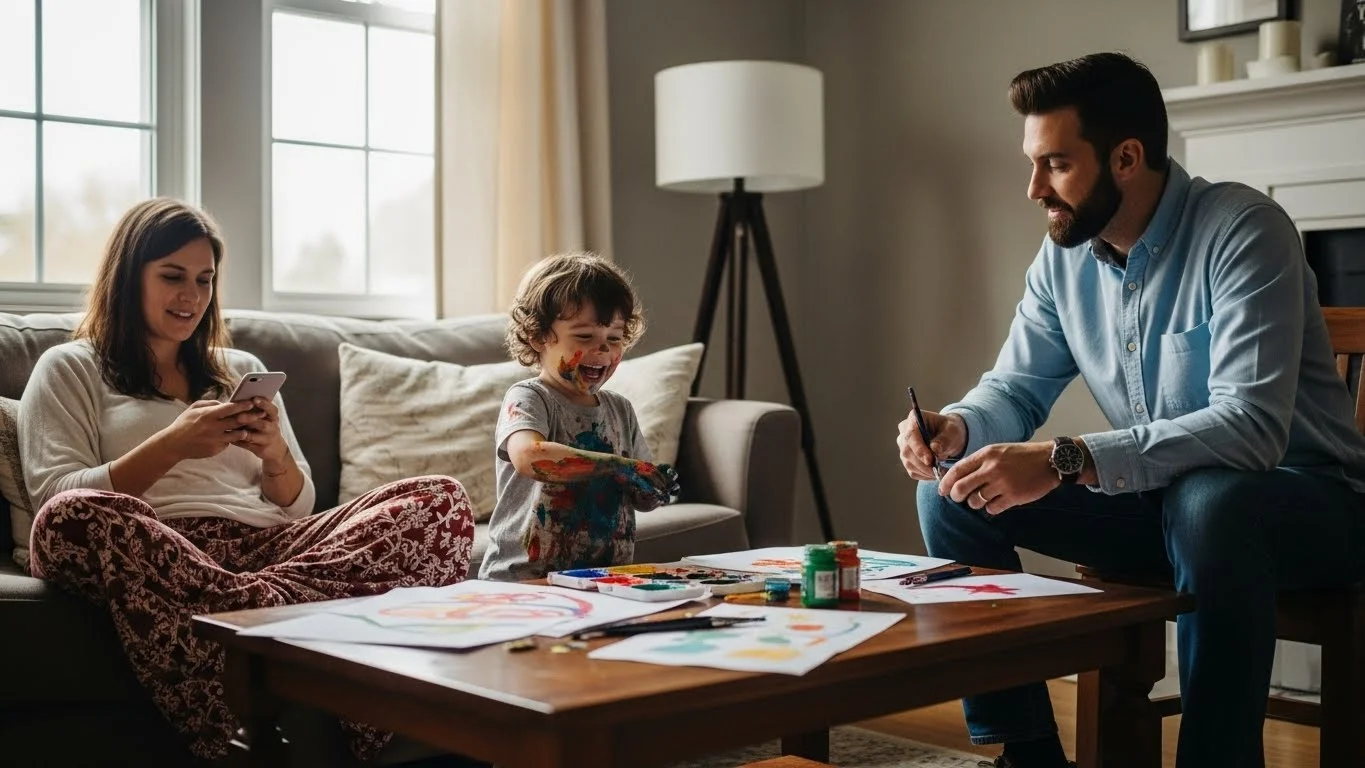
Understanding Parenting Styles
Definition of Parenting Styles
When I first started exploring parenting styles, I realized they aren’t just labels; they represent different philosophies and approaches to raising children. Parenting styles can be broadly defined as the emotional climate in which parents raise their kids. They influence how parents interact with their children, how they discipline, and how they set boundaries. It was fascinating for me to learn that there are four primary styles: authoritative, permissive, authoritarian, and neglectful. However, my focus today is on two of the most discussed styles: permissive and authoritative.
Importance of Parenting Styles in Child Development
I believe the choice of parenting style can have profound effects on a child’s emotional and psychological development. Research shows that the way we parent can influence everything from our kids’ self-esteem to their social skills and academic performance. I remember reading about how children raised in authoritative environments tend to be more resilient and independent, while those with permissive parents might struggle with self-discipline. Understanding these styles helped me reflect on my own upbringing and the dynamics that shaped me.
Overview of Permissive Parenting
Characteristics of Permissive Parenting
Permissive parenting is characterized by high responsiveness and low demands. As I looked into this style, I noticed that permissive parents are often very nurturing and warm, but they might struggle to enforce rules or boundaries. This approach often leads to a more relaxed household where children feel free to express themselves. For instance, I have a friend who is permissive with her kids, allowing them to stay up late and choose their own activities. While it works well for her family, I’ve seen the challenges that can come with it.
Pros and Cons of Permissive Parenting
There are certainly advantages to permissive parenting. Kids often feel loved and accepted, which can foster creativity and self-expression. I’ve noticed that children in these environments tend to be more open and communicative. However, the downsides can be significant. Without consistent rules, children might struggle with authority and boundaries. I remember a time when my friend’s kids had a hard time following rules at school, which stemmed from their relaxed home environment. It made me realize how important balance is. For more insights, check out Navigating the Challenges of Permissive Parenting Styles.
Examples of Permissive Parenting in Practice
In practice, permissive parenting can look like a parent who lets their child decide what to wear, what to eat, and when to do homework. I’ve seen parents who allow their kids to skip chores, believing that childhood should be carefree. While I admire the love and trust they show, I often wonder how that impacts their kids’ understanding of responsibility. For me, finding that balance between freedom and guidance is essential, and I think many parents can relate to this struggle.
Overview of Authoritative Parenting
Characteristics of Authoritative Parenting
Authoritative parenting, on the other hand, is a blend of responsiveness and high expectations. I’ve learned that authoritative parents set clear rules while also encouraging open dialogue. This style fosters independence while ensuring that children understand the importance of boundaries. I often think about my own parents, who embodied this style. They listened to my opinions but also made it clear what was expected of me, helping me grow into a responsible adult.
Pros and Cons of Authoritative Parenting
One of the biggest advantages of authoritative parenting is that children tend to have higher self-esteem and better social skills. In my experience, kids raised in this environment often excel academically and form healthy relationships. However, it can be challenging for parents as well. Balancing discipline with emotional support requires constant effort and self-reflection. There were times when I found it difficult to maintain that balance, especially when my kids pushed back against rules I set.
Examples of Authoritative Parenting in Practice
Authoritative parenting in practice might involve having regular family meetings where everyone can voice their thoughts and feelings, coupled with consistent rules about screen time or bedtimes. I remember implementing a system where my kids could earn privileges by completing chores. This not only reinforced responsibility but also encouraged them to communicate their needs and feelings. It’s a style that demands active participation from both parents and kids, fostering strong, respectful relationships.
Key Differences Between Permissive and Authoritative Parenting
Discipline Approaches
When I think about discipline, it’s easy to see how the approaches of permissive and authoritative parenting can diverge significantly. Permissive parents often tend to avoid strict rules and consequences. I remember chatting with a friend whose kids rarely faced punishment; instead, she preferred to discuss their behavior afterward. While I admire her focus on dialogue, I noticed that her children sometimes struggled to understand the consequences of their actions. On the other hand, authoritative parents strike a balance by setting clear expectations and enforcing consequences when boundaries are crossed. I’ve found that this approach not only teaches accountability but also helps kids feel secure, knowing that there are limits to protect them. Personally, I’ve experienced this firsthand when my own kids learned to engage in open discussions about why certain behaviors were unacceptable, which led to greater understanding and growth.
Communication Styles
Communication plays a vital role in both permissive and authoritative parenting, and I’ve seen how these styles impact the way children express themselves. In permissive households, the communication often flows freely, allowing kids to voice their opinions and feelings without fear of reprimand. I love that aspect, as it fosters creativity and self-expression. However, I also observed that sometimes the lack of structure can lead to confusion about what is acceptable. In contrast, authoritative parents adopt a more balanced approach. They encourage open dialogue while also guiding conversations toward important life lessons. I often remember family discussions we had about school and friendships, where my parents listened to my thoughts but gently steered the conversation to help me understand the bigger picture. This dynamic not only nurtures a strong bond but also teaches children how to communicate effectively in various situations.
Emotional Support and Nurturance
Emotional support is a cornerstone of both styles, but it manifests quite differently. In permissive parenting, the nurturing aspect is very prominent. Parents are often warm and affectionate, creating a loving environment where children feel free to explore their emotions. I recall a time when a friend’s son was upset over a school event, and she comforted him without pushing him to express his feelings further. While I appreciated her instinct to provide comfort, I wondered if he would benefit from learning to navigate those emotions more independently. Authoritative parenting, in contrast, combines warmth with guidance. It’s about being there for your child while also helping them learn to manage their feelings. I’ve implemented this with my own kids, encouraging them to express their emotions while also teaching them coping strategies. That balance has helped them grow more resilient and emotionally intelligent.
Impact on Child Development
Effects of Permissive Parenting on Children
From what I’ve gathered, permissive parenting can lead to a range of outcomes for children. On the positive side, these kids often develop strong creative skills and a high degree of self-expression. I’ve seen this firsthand in my friend’s children, who are incredibly imaginative and articulate. However, the lack of structure can also lead to difficulties. Research suggests that children raised in permissive environments may struggle with self-discipline and authority. I can recall instances where my friend’s kids had difficulty following rules at school, leading to some challenges in their social interactions. This made me realize that while love and warmth are crucial, boundaries provide the framework that helps children thrive. For further understanding, check out Exploring the Characteristics of Permissive Parenting Styles.
Effects of Authoritative Parenting on Children
In my experience and from what I’ve learned through various studies, authoritative parenting seems to cultivate well-rounded individuals. Children raised in this style often display higher self-esteem, better social skills, and improved academic performance. I remember the pride I felt when my kids excelled in school and formed healthy friendships, which I attribute to the balance of support and expectations we established. Research backs this up, showing that these children are typically more resilient and better equipped to handle challenges. The emphasis on communication and emotional support in authoritative parenting fosters an environment where kids feel safe to express themselves while also learning the importance of responsibility and respect.
Long-term Outcomes for Children of Both Styles
Looking at the long-term outcomes of both parenting styles, I’ve come to appreciate how they shape individuals well into adulthood. Children from permissive backgrounds may find themselves struggling with authority and self-discipline as they transition into the workforce or higher education. I’ve seen this with some acquaintances who faced challenges in their careers due to a lack of structure in their early years. Conversely, those raised authoritatively often emerge as confident, capable individuals who can navigate life’s obstacles with resilience. I truly believe that the foundation we lay during childhood can significantly influence our children’s futures, shaping not just their personalities but also their ability to form relationships and achieve their goals.
When to Use Each Parenting Style
Situational Factors Influencing Parenting Style
In my experience, recognizing when to lean more towards permissive or authoritative parenting can often depend on the situation at hand. For instance, during times of stress or change—like moving to a new house or starting a new school—I’ve found that a more authoritative approach helps provide the structure my kids need. It gives them a sense of security and predictability in an otherwise chaotic time. Conversely, when we’re enjoying a relaxed weekend at home, I sometimes embrace a more permissive style, allowing my kids the freedom to play and explore their interests without rigid schedules. It’s often about reading the room and adjusting my style to what my children need at that moment.
There are also times when external factors play a role. For example, if my child is facing pressure at school, I might dial up my emotional support and nurturing, reminiscent of permissive parenting, while still maintaining certain boundaries. I believe it’s important to be fluid in our parenting styles, adapting to what our children are experiencing while still holding onto our core values. This adaptability can help create a more harmonious family life and foster resilience in our kids.
Child’s Personality and Needs
Every child is unique, and I’ve learned that their individual personalities can significantly influence the effectiveness of a parenting style. For example, some kids thrive under strict rules and clear expectations, which makes authoritative parenting a natural fit. I remember when my oldest started school; she was naturally disciplined and responded well to the structure and feedback I provided. On the other hand, my younger child is more free-spirited and creative. I quickly discovered that a rigid approach with him could stifle his creativity and lead to frustration, so I’ve had to incorporate more permissive elements to let him express himself fully.
Understanding your child’s temperament can help you decide when to apply different styles. If your child is naturally shy and withdrawn, for instance, a little extra nurturing and freedom to be themselves can go a long way to build their confidence. Conversely, if your child is quite outgoing and tests boundaries frequently, a more authoritative approach might be necessary to set limits while still providing the emotional support they crave. It’s a dance between guidance and freedom that requires ongoing observation and adjustment.
Expert Opinions and Research Findings
Psychological Studies on Parenting Styles
As I delved deeper into parenting styles, I stumbled upon various studies that shed light on the long-term effects of different approaches. Researchers have indicated that authoritative parenting is often linked to the best outcomes in child development. For example, a study published in the American Psychological Association found that children raised by authoritative parents tend to have better academic performance, higher self-esteem, and stronger social skills. This resonated with me because I’ve seen these traits in my own children, and it’s gratifying to know that my parenting efforts align with these findings.
In contrast, research on permissive parenting often highlights potential issues. While children in permissive households may excel in creativity and self-expression, they can also face challenges with self-regulation and authority. I came across another study that suggested children raised without clear rules might struggle with decision-making and impulse control as they enter adolescence and adulthood. Hearing this reinforced my belief in the importance of balance. We can foster creativity and self-expression while also teaching our kids the value of boundaries and responsibility.
Insights from Child Development Experts
Conversations with child development experts have also enriched my understanding of these parenting styles. Many experts I’ve read about emphasize the significance of a balanced approach. Dr. Laura Markham, a well-known clinical psychologist, advocates for what she calls “peaceful parenting,” which incorporates elements of both styles. She suggests that while we should nurture our children’s individuality and creativity, we should also provide them with the structure they need to feel secure and thrive. This perspective resonates with me because it aligns with my personal experiences of raising children—finding that sweet spot between encouraging independence and providing guidance.
Experts also point out that parenting strategies often evolve as children grow. What works for a toddler may not be effective for a teenager. I’ve noticed this with my own kids; as they mature, their need for autonomy increases, and I find myself shifting my approach to foster that independence. It’s comforting to know that many parents face similar challenges and that there’s no one-size-fits-all solution. The key is to remain flexible and open to change as we navigate this parenting journey together.
Tips for Parents: Finding a Balance
Strategies for Incorporating Authoritative Elements
Finding the right balance between permissive and authoritative parenting can sometimes feel like walking a tightrope. I’ve discovered that incorporating authoritative elements doesn’t have to be overwhelming. One effective strategy is to establish clear, consistent rules but also allow for flexibility. For instance, I remember when my kids were younger, I set a bedtime but allowed them to choose what time they wanted to read or play before settling down. This way, they felt they had a voice while still adhering to a necessary structure.
Another approach is to engage in family discussions about rules and expectations. I found it helpful to invite my kids to contribute to setting some of the family guidelines. This collaborative process not only empowers them but also fosters a sense of responsibility. When my daughter suggested a new rule regarding screen time, I listened to her reasoning, and together we adjusted our approach. This not only made her feel valued but also taught her the importance of considering the bigger picture.
Managing Permissiveness Effectively
While permissiveness has its advantages, I believe it’s essential to manage it effectively to prevent potential pitfalls. For one, I’ve learned to set specific boundaries even within a permissive framework. If my kids want to explore their interests freely, I ensure there are still certain expectations they must meet, like completing their schoolwork or chores first. This balance allows them to enjoy their freedom while understanding that responsibilities must come first.
I also recommend incorporating moments of structured time into more relaxed situations. For example, during family outings or weekends, I would often set aside some “quiet time” for reading or reflection. This has helped my children appreciate the value of downtime while still enjoying their playtime. It’s about weaving together the freedom they crave with the necessary skills they need to thrive.
Real-Life Case Studies
Case Study: A Permissive Parenting Approach
One of my close friends adopted a permissive parenting style with her children. She encouraged their creativity and let them make many decisions about their daily activities. While her kids thrived in their artistic pursuits and expressed themselves freely, I noticed they often struggled with routine and responsibility. For instance, they would often forget to complete their homework or chores. During a playdate at my house, I watched as her kids became easily distracted and had trouble following simple instructions. This experience reminded me of the importance of structure even within a nurturing environment.
Case Study: An Authoritative Parenting Approach
On the other hand, I observed another family that practiced authoritative parenting. The parents set clear rules about homework and chores while also encouraging open communication. Their kids displayed a wonderful balance of independence and responsibility. I remember visiting them during a Saturday afternoon. The children had their chores listed, but they also had time set aside for play and creativity. Seeing how they could articulate their thoughts and feelings about the rules made me appreciate the effectiveness of this approach. It reinforced my belief that a structured yet nurturing environment fosters not only discipline but also emotional intelligence.
Resources for Further Learning
Books on Parenting Styles
If you’re looking to dive deeper into parenting styles, I highly recommend “The Whole-Brain Child” by Daniel J. Siegel and Tina Payne Bryson. This book provides practical strategies for nurturing a child’s developing mind while balancing discipline and understanding. Another great read is “Parenting with Love and Logic” by Charles Fay and Foster Cline, which offers insights into raising responsible children while maintaining warmth and guidance.
Online Courses and Workshops
For those who prefer interactive learning, there are excellent online courses available. Websites like Coursera and Udemy offer courses on parenting that explore different styles and strategies. I found a workshop on “Positive Parenting” particularly helpful in gaining insights into blending different styles while maintaining a strong connection with my kids.
Support Groups and Communities for Parents
Lastly, seeking community support can be invaluable. I’ve joined a local parenting group where we share experiences, challenges, and tips. Engaging with other parents allows for a wealth of perspectives and encouragement. Online forums and social media groups can also provide a broader network for advice and support, making the parenting journey feel less isolating.
Final Thoughts
As I reflect on the journey of parenting, I realize that there’s no perfect formula. Each child is unique, and our parenting styles may need to adapt as they grow. Whether leaning towards permissive or authoritative approaches, what truly matters is the love, support, and guidance we provide. It’s about finding that sweet spot where our children can thrive, feel secure, and develop into well-rounded individuals. In my experience, the most rewarding moments come when we embrace this journey with flexibility, understanding, and an open heart.
Frequently Asked Questions
What are the primary parenting styles discussed in the article?
The article discusses four primary parenting styles: authoritative, permissive, authoritarian, and neglectful, with a focus on permissive and authoritative approaches.
What characterizes permissive parenting?
Permissive parenting is characterized by high responsiveness and low demands, where parents are nurturing and warm but may struggle to enforce rules and boundaries.
What are the pros of permissive parenting?
Children raised in permissive environments often feel loved and accepted, which fosters creativity and self-expression, leading to open communication.
What are the cons of permissive parenting?
The downsides of permissive parenting can include children struggling with authority and boundaries, which may lead to difficulties in self-discipline and rule-following.
What characterizes authoritative parenting?
Authoritative parenting combines responsiveness with high expectations, setting clear rules while encouraging open dialogue, fostering independence and understanding of boundaries.
What are the advantages of authoritative parenting?
Children raised in authoritative environments tend to have higher self-esteem, better social skills, and often excel academically, as well as forming healthy relationships.
How do parenting styles affect child development?
Permissive parenting can lead to strong creativity but may hinder self-discipline, while authoritative parenting is associated with resilience and well-rounded development in children.
When should parents use permissive versus authoritative styles?
The choice between permissive and authoritative parenting can depend on situational factors and the individual child’s personality and needs, adapting to what is effective at the moment.
What insights do experts provide regarding parenting styles?
Experts advocate for a balanced approach, suggesting that while nurturing creativity is important, providing structure is also essential for children to thrive.
What resources are available for parents seeking to learn more about parenting styles?
Parents can explore books like “The Whole-Brain Child” and “Parenting with Love and Logic,” as well as online courses and local parenting groups for support and further learning.