
Raising bilingual children opens doors to countless opportunities, enriching their lives in ways we often underestimate. Exploring the benefits of bilingualism can empower us as parents to make informed choices for our children’s futures. Read Interesting article: Budget Travel: Teach Kids Bilingualism Through Adventure
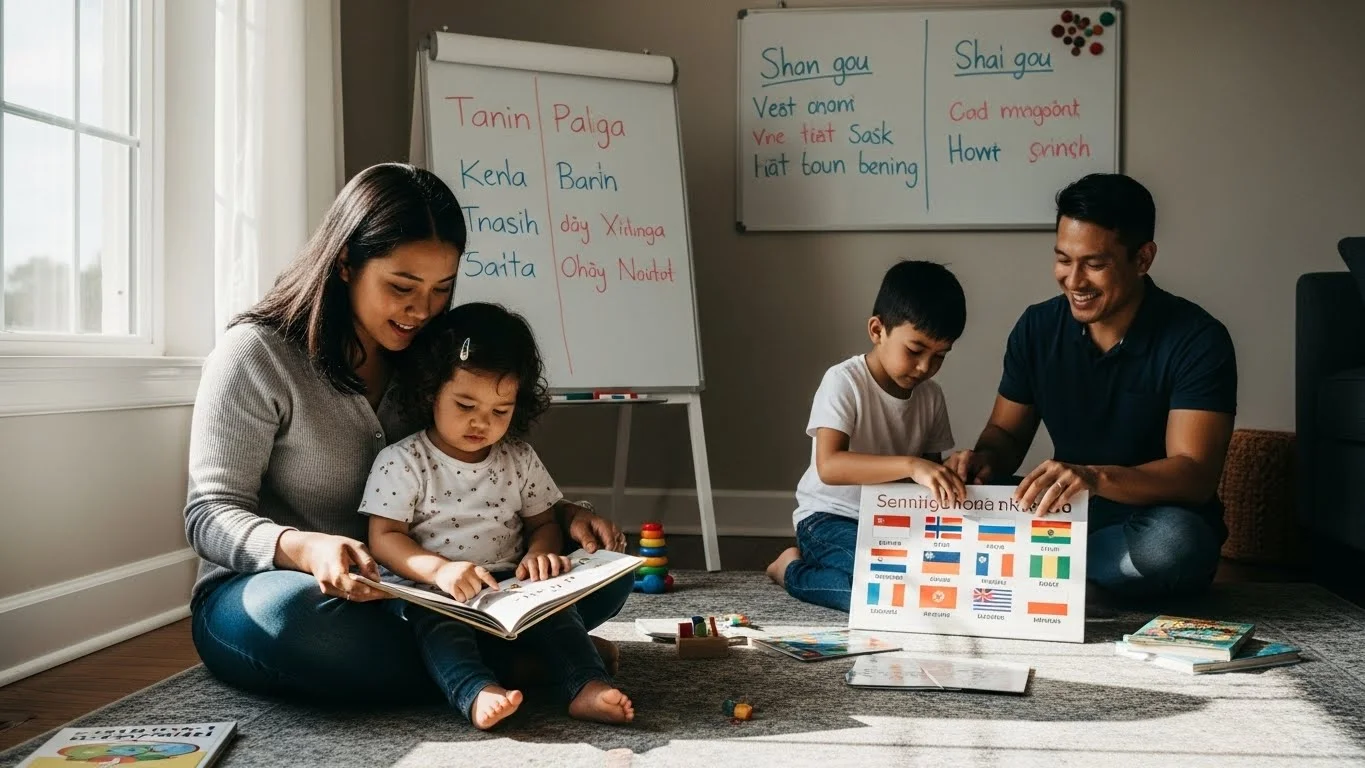
Understanding Bilingualism
Definition of Bilingualism
Bilingualism refers to the ability to communicate fluently in two languages. It’s not just about speaking; it encompasses reading, writing, and understanding both languages. I remember the first time I heard my child switch effortlessly between English and Spanish while playing with friends. It was a joyful moment that highlighted the beauty of being bilingual. I’ve learned that bilingualism can be achieved in various ways, whether through immersion in a community, formal education, or family practices.
Types of Bilingualism
There are several types of bilingualism, and it’s fascinating to see how they can shape a child’s experience. I’ve discovered that some children are simultaneous bilinguals; they learn both languages from birth. Others are sequential bilinguals, picking up a second language after establishing their first. Each type has its own unique advantages. For instance, my neighbor’s daughter is a sequential bilingual who became fluent in French after moving to France. Her ability to adapt and learn quickly amazed me.
In addition, we often hear terms like receptive and productive bilingualism. Receptive bilinguals understand a language but may not speak it fluently, while productive bilinguals can communicate in both languages. I noticed this dynamic in my own family, where my grandparents spoke Italian, allowing my children to understand their heritage even if they didn’t speak it fluently, which I think is incredibly valuable.
Common Misconceptions about Bilingualism
There are many myths surrounding bilingualism that can discourage parents from raising their children in two languages. One common misconception is that bilingualism confuses children. I initially worried that my child would get mixed up, but studies show that bilingual children often develop better cognitive skills. They learn to differentiate between languages, which actually enhances their problem-solving abilities.
Another myth is that learning two languages might delay speech development. In my experience, I found that my child was actually more articulate and expressive in both languages. It’s essential to understand that every child is unique, and their language acquisition journey can vary widely. By debunking these myths, we empower ourselves to embrace bilingualism confidently.
Benefits of Bilingualism for Children
Cognitive Benefits
One of the most rewarding aspects of bilingualism is the cognitive benefits it brings. Research suggests that bilingual children often excel in areas like critical thinking, creativity, and problem-solving. I’ve seen this firsthand; my son, for instance, approaches challenges in unique ways, often thinking outside the box. Studies indicate that bilingualism enhances executive functions, which helps kids manage their thoughts and actions more effectively. For me, it’s been a joy to witness these cognitive skills develop alongside language proficiency.
Academic Advantages
Being bilingual can provide significant academic advantages too. I was surprised to learn that bilingual children often perform better on standardized tests and have a greater awareness of grammar and vocabulary in both languages. This awareness translates to better literacy skills overall. In my experience, my daughter’s bilingual education helped her excel in her reading and writing assignments, giving her a competitive edge in school. Read Interesting article: Unlocking Bilingualism: Tips for Raising Multilingual Kids
Social Skills and Cultural Awareness
Bilingualism also fosters social skills and cultural awareness. Children who speak multiple languages often find it easier to connect with diverse groups of people. I’ve noticed how my children are more empathetic and open-minded, frequently embracing new cultures through language. They’ve made friends from various backgrounds, enriching their social experiences. This cultural awareness is invaluable in today’s globalized world, where understanding diverse perspectives is crucial.
Career Opportunities in a Globalized World
As we look to the future, the career opportunities available to bilingual individuals are staggering. Many employers now seek candidates who can communicate in multiple languages. I’ve spoken to parents who emphasize the long-term benefits of bilingualism in the job market. Being bilingual can set a child apart, opening doors to careers in international relations, translation, education, and more. Knowing that my children are cultivating skills that will benefit them in their futures fills me with hope and excitement.
How Bilingualism Affects Brain Development
Neuroscience of Bilingualism
Understanding how bilingualism affects brain development is truly fascinating. Research in neuroscience reveals that bilingual individuals often show enhanced brain connectivity. I remember reading about a study that found that bilingualism can increase the density of gray matter in the brain, particularly in areas associated with language and cognitive control. This made me reflect on my own experiences; I’ve noticed that my children seem to have a more flexible approach to learning, likely due to their bilingual background. Their brains are literally wired differently, which I find incredibly exciting. Engaging with two languages seems to provide a mental workout that strengthens their overall cognitive abilities.
Critical Period Hypothesis
The Critical Period Hypothesis is another intriguing aspect of bilingualism. This theory suggests that there is an optimal window for language acquisition, typically during early childhood. I’ve noticed that my younger child picked up Spanish much more easily than my older one, who started learning it later. Experts say that during those early years, the brain is particularly adept at picking up new sounds and grammatical structures. It’s a reminder for me to seize those precious early years and provide as much exposure to both languages as possible. The earlier we introduce a second language, the more natural and effortless it becomes for our kids.
Impact on Executive Functioning
One of the most impressive benefits of bilingualism is its impact on executive functioning. Executive functions refer to the set of mental skills that help us manage our thoughts, actions, and emotions. Research shows that bilingual children often excel in tasks that require attention, problem-solving, and multitasking. I’ve seen my kids juggle homework and chores while switching between languages, which can be challenging for many. This ability isn’t just handy for daily tasks; it can lead to significant long-term benefits in school and beyond. I truly believe that our bilingual journey has fostered skills in my children that will serve them well in every aspect of their lives.
Optimal Age to Introduce a Second Language
Early Childhood Language Acquisition
When it comes to introducing a second language, timing is everything. From my experience, the earlier we start, the better. Early childhood is a prime time for language acquisition. I remember my friends who began speaking to their babies in two languages right from the start; their kids grew up singing songs and reciting nursery rhymes in both languages. It was a beautiful thing to witness. Experts suggest that exposure to multiple languages during these formative years can lead to more native-like pronunciation and fluency later on. It’s never too early to start, and I think we can create a rich language environment right from infancy.
Language Learning in School-Aged Children
For school-aged children, the approach can be a bit different. At this stage, kids are often more aware of their surroundings and can actively engage in their language learning. I’ve enrolled my children in bilingual programs that incorporate both languages into their curriculum. This structured approach has helped them build a solid foundation and feel confident in their abilities. Additionally, I’ve noticed that this is a great time for them to start making friends who speak the other language, enhancing their practical usage and enjoyment of it. Peer interaction can be a game changer at this age.
Adolescence and Language Proficiency
Adolescence can pose unique challenges for maintaining language proficiency. As kids grow older, they may feel more pressure to conform to their peers, which can lead to a decline in the use of their second language. I’ve seen this happen in my own home; my son, for example, started to gravitate more toward his English-speaking friends and less toward speaking Spanish. To combat this, we’ve made a conscious effort to create opportunities for him to use Spanish in social settings. Whether it’s through community events or family gatherings, we encourage him to connect with others who speak the language. I’ve learned that while maintaining proficiency can be challenging, it’s not impossible with the right strategies and community support.
Choosing the Right Languages
Factors to Consider (Heritage, Community, Global Importance)
When it comes to choosing the right languages for our children, several factors can guide our decisions. For me, heritage played a significant role; I wanted my kids to connect with their roots and understand where they came from. But I also considered the practical aspects, like the languages spoken in our community and those that hold global importance. In our case, embracing Spanish felt natural since we live in a diverse area with many Spanish speakers. I’ve found that when language learning is tied to personal and cultural significance, it can be more engaging and meaningful for children.
Popular Language Choices for Bilingual Families
Some languages are more commonly chosen among bilingual families. Spanish, Mandarin, and French seem to be popular choices, as they are widely spoken and have strong cultural influences. I’ve met families who teach their children Mandarin due to its increasing importance in the global economy. It’s interesting to see how language trends evolve, and I think it’s essential to choose languages that resonate with our values and future aspirations. Whatever the choice is, I believe the joy of connecting with another language and culture is what truly matters.
Resources for Language Learning
Finding the right resources can make all the difference in raising bilingual children. I’ve explored various tools, from apps to books and language courses. Websites and community centers often offer programs designed for families looking to enhance their bilingual journey. We’ve also found success using children’s books in both languages, which not only helps with language skills but also encourages bonding during reading time. Additionally, I recommend seeking out local language exchange groups; they can provide both socialization and practical language use in a fun and engaging way. Read Interesting article: Traveling Abroad: Encourage Bilingualism in Your Toddler
Strategies for Raising Bilingual Children
Immersion Techniques
One of the most effective strategies I’ve found for raising bilingual children is immersion. This doesn’t necessarily mean relocating to another country; it can be as simple as integrating the second language into our daily lives. For instance, we often designate certain times of the day for speaking only Spanish at home. I remember the first time my kids participated in a Spanish-speaking playdate. It was a bit chaotic, but the excitement on their faces as they navigated conversations in two languages was priceless. Immersion helps them see the practical use of language in real-life situations, making the learning process enjoyable and impactful.
Consistent Language Exposure
Consistency is key when it comes to language learning. I’ve learned that regular exposure to the second language helps solidify their skills. We’ve established a routine of reading bedtime stories in both languages, which has become a cherished family tradition. I often find myself searching for bilingual books that capture their interest, and I love how they ask for their favorite stories repeatedly. This repetition reinforces their vocabulary and comprehension. Additionally, we’ve made a habit of watching movies and shows in Spanish, which not only entertains them but also introduces them to different accents and cultural nuances.
Creating a Language-Rich Environment
Creating a language-rich environment has been an adventure in itself. I’ve filled our home with labels on objects in both languages, which turned out to be a fun and interactive way to learn. My children love playing games where they have to find items around the house in either language. I also encourage them to use the second language during daily activities, like grocery shopping or cooking. For example, I often ask them to help me find ingredients in Spanish while we cook together. These small interactions make language learning feel natural and integrated into our lives.
Utilizing Technology and Media
In this digital age, technology can be a powerful ally in our bilingual journey. I’ve discovered numerous apps and websites designed specifically for language learning. Some of my favorites include interactive games and quizzes that engage my kids while teaching them vocabulary and grammar. We also utilize educational YouTube channels that offer entertaining content in Spanish. It’s amazing to see how much they learn while watching their favorite shows! Additionally, I’ve found that podcasts designed for kids can be both fun and educational, providing a different medium for them to hear and practice the language.
Challenges of Bilingualism and How to Overcome Them
Language Mixing and Code-Switching
As with any journey, there are challenges along the way. One of the most common issues I’ve encountered is language mixing, where my children blend words and phrases from both languages. Initially, I was concerned that this would hinder their language development. However, I learned that code-switching—switching between languages in conversation—is a natural part of being bilingual. I’ve come to appreciate that it reflects their understanding and comfort level with both languages. To address this, we focus on reinforcing the correct usage during our conversations, gently guiding them without discouraging their enthusiasm.
Maintaining Proficiency in Both Languages
Maintaining proficiency in both languages can be a daunting task, especially as children grow older and social dynamics change. I’ve noticed that my kids sometimes gravitate toward English, particularly at school. To encourage them to continue using Spanish, we actively seek out community events and playgroups where they can interact with other Spanish-speaking children. I’ve found that these social opportunities not only reinforce their language skills but also help them build friendships based on shared cultural experiences. It’s a reminder that maintaining proficiency requires a supportive environment and community engagement.
Addressing Language Attrition
Language attrition is another challenge we face. As my children age, there’s a risk that they may lose some of their language skills, especially if they aren’t practicing regularly. I’ve made it a priority to keep our family connected to our cultural roots. We often celebrate cultural holidays and traditions that emphasize our heritage language, making it a part of our family identity. Additionally, I encourage my kids to participate in summer camps or language classes that help them stay engaged and excited about their bilingual abilities. It’s inspiring to see them embrace their bilingual identity, and I believe that fostering a sense of pride in their language skills will help combat any potential language attrition.
Resources for Parents
Books and Literature on Bilingualism
Finding the right books can make a world of difference in our bilingual journey. I’ve come across several fantastic resources that really delve into the benefits and challenges of raising bilingual children. One of my favorites is “Raising a Bilingual Child” by Barbara Z. Kroll. It offers practical tips and insights that resonated with my experiences. Another must-read is “The Bilingual Edge” by Kendall and Tracy Egan, which discusses how to create a bilingual environment effectively. I’ve often found myself flipping through these books for inspiration and reassurance, especially on days when the challenges feel overwhelming.
Online Courses and Apps
In this tech-savvy world, there are countless online courses and apps designed to support bilingual education. I’ve explored programs like Duolingo and Babbel, which make language learning fun and interactive for kids. These platforms often incorporate gamified elements that keep my children engaged. Additionally, I stumbled upon online parenting courses that focus on bilingualism, offering a wealth of strategies and community support. It’s been a game-changer for us, as we could learn together while also enhancing our language skills.
Community Programs and Language Classes
Getting involved in community programs has been one of the best decisions we made. I discovered local language classes hosted by community centers that cater to families looking to enhance their bilingual journey. These classes provide not only structured learning but also social interaction with other families who share similar goals. It’s been heartwarming to see my kids make friends who speak the same second language, and it reinforces the importance of language in their daily lives. I recommend checking out cultural festivals or language exchange events in your area as they can offer enriching experiences for the whole family.
Real-Life Success Stories
Interviews with Bilingual Families
To understand the real impact of bilingualism, I’ve sought out stories from other families. During a recent gathering, I met a family who moved from Brazil to the U.S. They shared their journey of raising their children to speak Portuguese and English. I was inspired by their commitment to maintaining their heritage language, even as their children integrated into an English-speaking environment. They emphasized the importance of storytelling and cultural traditions in keeping the language alive. Hearing their experiences made me realize how important it is to share our stories and support one another in this journey.
Case Studies of Successful Bilingual Individuals
There are numerous examples of successful bilingual individuals who have leveraged their language skills in remarkable ways. I recently read about a prominent journalist who attributes her career success to her bilingual upbringing. She discussed how her ability to speak multiple languages opened doors to unique opportunities, allowing her to report on global issues effectively. These stories serve as motivation for me and remind me of the long-term advantages that come with being bilingual. It’s reassuring to see that the effort we put into this journey can lead to meaningful outcomes.
Final Thoughts
Raising bilingual children is a rewarding yet challenging journey. As we navigate through the complexities of language acquisition, it’s vital to remain patient and supportive. I believe that the benefits of bilingualism far outweigh the hurdles we may face. Our children are not just learning languages; they’re gaining a deeper understanding of the world around them. Each milestone, whether it’s a new word learned or a conversation had in a second language, brings joy and pride. I’ve come to cherish these moments and the connections we’re building as a family through our bilingual experience. So, let’s continue to embrace this journey together, fostering a love for languages and cultures that will enrich our children’s lives for years to come.
Frequently Asked Questions
What is bilingualism?
Bilingualism refers to the ability to communicate fluently in two languages, encompassing speaking, reading, writing, and understanding both languages.
What are the different types of bilingualism?
There are several types of bilingualism: simultaneous bilinguals learn both languages from birth, while sequential bilinguals pick up a second language after establishing their first. Additionally, there are receptive bilinguals who understand a language but may not speak it fluently, and productive bilinguals who can communicate in both languages.
What are some common misconceptions about bilingualism?
Common misconceptions include the belief that bilingualism confuses children and that it delays speech development. However, studies show that bilingual children often develop better cognitive skills and are more articulate in both languages.
What cognitive benefits do bilingual children experience?
Bilingual children often excel in critical thinking, creativity, and problem-solving. Research indicates that bilingualism enhances executive functions, helping kids manage their thoughts and actions more effectively.
At what age should a second language be introduced?
The earlier a second language is introduced, typically during early childhood, the better. This period is ideal for language acquisition as children are particularly adept at picking up new sounds and grammatical structures.
What strategies can be used to raise bilingual children?
Effective strategies include immersion in the second language, consistent exposure through routines like reading, creating a language-rich environment at home, and utilizing technology and media for language learning.
How can parents maintain proficiency in both languages as children grow older?
Maintaining proficiency can be supported by actively seeking community events and playgroups where children can interact with speakers of their second language, creating social opportunities that reinforce language skills.
What resources are available for parents raising bilingual children?
Parents can find various resources such as books on bilingualism, online courses and apps for language learning, and community programs or language classes that provide structured learning and social interaction.
What are some popular language choices for bilingual families?
Common languages chosen among bilingual families include Spanish, Mandarin, and French due to their wide usage and cultural significance, alongside personal and practical considerations.
What real-life success stories highlight the benefits of bilingualism?
Many successful bilingual individuals attribute their achievements to their language skills, including journalists who leverage their abilities to report on global issues effectively, demonstrating the long-term advantages of being bilingual.