
The future of education is bright, especially with the rise of gamification techniques. By blending gameplay elements into learning environments, we can transform how students engage, understand, and retain information. Unlock Learning: How Gamification Transforms Education Today
Understanding Gamification in Education
When I first came across the term “gamification,” I found myself intrigued. It sounded like a buzzword at the time, but it quickly became evident that this concept was more than just a trend. Gamification refers to the integration of game design elements in non-game contexts, particularly in learning. Think about the last time you played a game. There are points, levels, challenges, and rewards, all designed to keep players engaged and motivated. Now, imagine applying that same excitement and engagement to the classroom. This is the essence of gamification in education.
Definition of Gamification
In simple terms, gamification is about taking the mechanics of games—like scoring, competition, and rules—and applying them to everyday activities to enhance participation and motivation. This could mean incorporating point systems for completing assignments, creating badges for achievements, or designing challenges that students can tackle together. Personally, I’ve noticed that when I’ve been involved in activities that utilize gamification, I felt more invested and eager to participate, and this is exactly what educators hope to achieve with their students.
Importance of Gamification in Learning
As I reflect on my own learning experiences, I remember how traditional methods sometimes felt tedious and uninspiring. In today’s fast-paced world, students are bombarded with distractions, especially from technology. Gamification provides a way to cut through that noise. It can make learning feel less like a chore and more like a fun adventure. I believe that by integrating game-like elements, educators can foster a love for learning, encourage exploration, and build resilience in their students. It’s about creating an environment where failure is seen as a stepping stone rather than an endpoint.
Key Elements of Gamification
From my observations, several key elements make gamification effective in education. First, there’s the concept of goals or objectives. Just like in games, where players aim to complete a mission, students need clear goals to keep them focused. Next, progress tracking is vital. When I can see how far I’ve come in a task or project, it motivates me to keep pushing forward. Feedback is another essential component; it’s crucial for students to receive timely responses that guide their learning. Lastly, community and collaboration play a significant role. I’ve always found that working with others can enhance the learning experience, especially when there’s an element of competition or teamwork involved.
When these elements are thoughtfully designed and implemented, they can significantly enhance students’ motivation and engagement levels. I’ve seen firsthand how a simple leaderboard can spur competition and drive students to improve their performance. On the flip side, it’s also important to keep in mind that not all students are motivated by the same things, so flexibility in gamification strategies is key. Gamification Strategies: Boost Student Engagement in Classrooms
Benefits of Gamification Techniques in Education
Enhanced Student Engagement
One of the most significant benefits of gamification is enhanced student engagement. I’ve experienced those moments in class when the energy is high, and everyone is eager to participate. Gamified learning environments create that buzz. When students see that their efforts are rewarded with points, badges, or even just recognition, they become more willing to engage. It’s as if the classroom transforms into a vibrant gaming arena where learning becomes an exciting challenge rather than a mundane task.
Improved Knowledge Retention
I’ve often struggled with retaining information from lectures or textbook readings. However, when learning is gamified, it seems to stick with me much more effectively. The interactive nature of games encourages deeper processing of information. We tend to remember things better when they are associated with positive experiences. By creating a fun and immersive learning environment, educators can help students retain knowledge longer and apply it more effectively in real-world situations.
Development of Critical Thinking Skills
Critical thinking is essential in today’s world, and gamification can cultivate this skill in students. Games often involve problem-solving and decision-making, which are crucial aspects of critical thinking. I recall times when I faced challenges in a game that required me to think critically and strategically. The same principles apply in a classroom setting, where students are encouraged to analyze situations, make decisions, and reflect on the outcomes. This kind of learning not only prepares them academically but also equips them for real-life challenges.
Fostering Collaboration and Teamwork
Collaboration is one of those soft skills that employers frequently seek in candidates. Gamification naturally fosters teamwork as students often need to work together to achieve common goals or earn rewards. I’ve been part of projects where collaboration was essential, and those experiences taught me the value of different perspectives and skills. By incorporating collaborative elements into gamified learning, educators can not only enhance learning outcomes but also prepare students for future group dynamics in their careers.
Gamification Strategies and Techniques
Game-Based Learning (GBL)
Game-Based Learning, or GBL, has become one of my favorite ways to experience education. When I think about it, GBL takes the essence of games and integrates them into the learning process. I remember a science class where we used a simulation game to explore ecosystems. Instead of just reading about food chains, we got to build our own virtual ecosystems, interact with different species, and see how our decisions affected the environment. It was exciting and immersive! This hands-on approach is what makes GBL particularly effective. Students are not only absorbing information; they’re actively participating in their learning journey, making decisions that have real consequences in the game. For me, that sense of agency is incredibly empowering and can lead to a deeper understanding of the material.
Point Systems and Reward Mechanisms
Point systems and reward mechanisms are like the icing on the cake when it comes to gamification. I’ve seen classrooms where teachers implement a point system for various activities, whether it’s completing assignments, participating in discussions, or helping classmates. It’s amazing how these small incentives can create a ripple effect of motivation. I can recall times when I worked harder just to earn a few more points or to reach the next level. It’s about creating a sense of achievement. Badges, certificates, or even simple shout-outs in class can reinforce that feeling. In my experience, recognition for hard work can make students feel valued and encouraged to continue putting in effort.
Leaderboards and Competition
Competition can be a double-edged sword, but when used thoughtfully, leaderboards can create an exciting dynamic in the classroom. I’ve watched as leaderboards transformed a typical learning environment into a lively competition where students strive to outdo one another in a friendly way. It motivates me to push my limits and improve my skills. However, I also think it’s essential to keep some balance. Not all students thrive in competitive settings, and I believe it’s crucial to celebrate individual achievements alongside collective success. Offering different tiers of recognition can help cater to varying levels of comfort with competition.
Storytelling and Narrative Elements
Storytelling is a powerful tool in education that I feel often gets overlooked. When a lesson is tied to a story or narrative, it can capture students’ imaginations and draw them in. I’ve experienced this firsthand during lessons that incorporated a story arc, where my classmates and I became characters in the narrative. This approach adds a layer of relatability and context to the learning material. For instance, in a history class, we might role-play as historical figures, making decisions based on the challenges they faced. It’s not just about memorizing dates; it’s about understanding the “why” behind events, and that makes all the difference for me.
Feedback Loops and Progress Tracking
Feedback loops and progress tracking can truly elevate the learning experience. I’ve noticed that when I receive immediate feedback, it helps me understand my strengths and areas for improvement right away. Some platforms I’ve used in gamified learning environments provide instant feedback on quizzes or activities, which allows me to adjust my approach on the fly. Tracking progress is equally important. I appreciate seeing how far I’ve come over time. It serves as a visual reminder of my growth and encourages me to keep pushing forward. The satisfaction of leveling up in a game translates beautifully into educational settings, where each milestone can inspire a sense of accomplishment.
Incorporating these strategies into gamification effectively can create a dynamic and engaging classroom atmosphere. I’ve seen how they not only enhance learning but also foster a sense of community among students. When we work together, compete, and share narratives, the experience becomes richer and more memorable. It’s these moments that stay with us long after the lesson ends, making learning an ongoing adventure. Top Gamification Tools for Engaging Students Effectively
Technologies Supporting Gamification in Education
Learning Management Systems (LMS)
When I think about how technology has transformed education, Learning Management Systems (LMS) come to mind as a game-changer. These platforms have become essential tools for educators looking to implement gamification. I remember the first time I used an LMS in a course. It was like stepping into a digital classroom where all the gamified elements came alive. With features like quizzes, discussion boards, and progress tracking, an LMS can create a structured environment that fosters engagement. I loved seeing my progress displayed on the dashboard, and it felt motivating to know where I stood compared to my peers. These systems can also integrate badges and point systems effortlessly, making it easier for teachers to gamify their lessons without needing a ton of extra resources.
Mobile Applications for Learning
Mobile technology has opened up a world of possibilities for gamified learning. I’ve downloaded several educational apps that turn learning into an interactive experience right at my fingertips. For instance, language-learning apps that incorporate gamification keep me engaged through fun challenges and daily objectives. These apps often use notifications and reminders to encourage practice, making learning feel less like a chore and more like a game. I think this accessibility is crucial, especially for students who may struggle with traditional learning methods. With gamified mobile apps, we can learn on the go, making the process feel seamless and integrated into our daily lives.
Virtual and Augmented Reality in Education
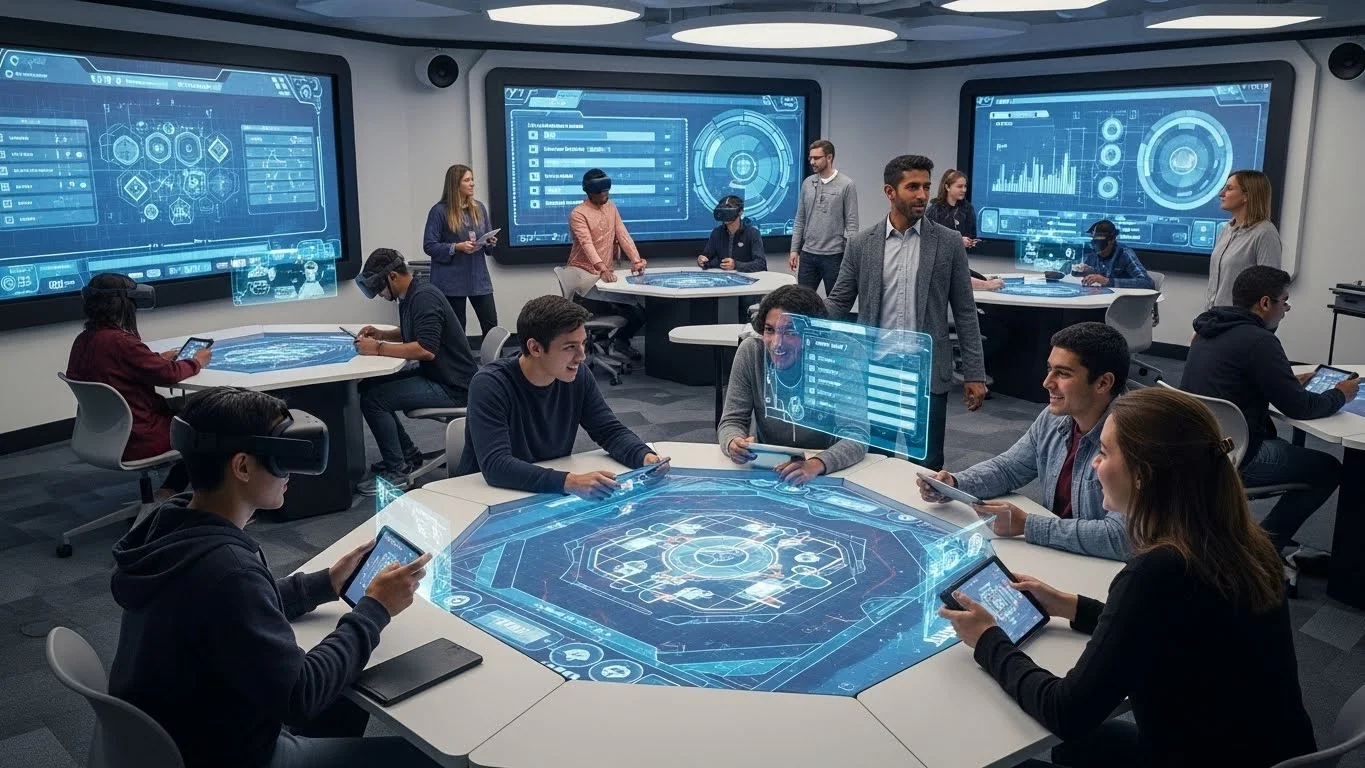
Virtual and augmented reality (VR and AR) are two exciting technologies that have made their way into educational gamification. I remember experiencing a VR lesson on ancient civilizations, where I could explore a virtual replica of a famous historical site. It was so immersive! These technologies can transport students into different settings or scenarios, allowing them to engage with the material in ways that traditional methods cannot achieve. The visual and interactive elements make lessons memorable and help anchor complex concepts in our minds. I truly believe that as VR and AR continue to develop, they will play an even larger role in making learning fun and interactive.
Artificial Intelligence and Adaptive Learning
Artificial intelligence (AI) is another technological advancement that supports gamification in education. I’ve seen how AI can personalize learning experiences by adapting to individual student needs. For example, AI-driven platforms can adjust difficulty levels based on a student’s performance, ensuring that they are always challenged yet not overwhelmed. This kind of adaptability can be particularly beneficial in gamified learning environments, where maintaining engagement is crucial. I feel that AI takes the guesswork out of education, allowing students to progress at their own pace while still feeling motivated to advance through gamified elements.
Case Studies of Successful Gamification in Education
Elementary Education Examples
In elementary classrooms, I’ve seen gamification create a vibrant learning atmosphere. One particular case that stands out is a local school that implemented a reading program utilizing a gamified approach. Students could earn points by reading books, completing quizzes, and participating in group discussions. The excitement was palpable! Teachers reported a significant increase in reading levels and a newfound enthusiasm among students. I believe that when young learners see tangible rewards for their efforts, it fosters a love for learning that can last a lifetime.
High School and Secondary Education Examples
In high school settings, gamification can be incredibly impactful as well. I recall a high school science class that incorporated gamified assessments. Instead of traditional tests, students participated in a “science quest” where they completed challenges and collected “science tokens.” This approach encouraged collaboration and critical thinking as students navigated through different stations. The feedback from both students and teachers was overwhelmingly positive, with many students reporting that they retained more information than they did with typical exams. It’s amazing to see how creativity in education can lead to impressive outcomes.
Higher Education Implementations
In higher education, I’ve noticed that universities are also jumping on the gamification bandwagon. A case that caught my attention was a business course that used simulation games to teach students about market dynamics. We were tasked with managing a virtual company, making decisions that impacted our success in a competitive environment. The hands-on experience not only made the material more engaging but also allowed us to apply theoretical concepts in a practical setting. I learned that when students can see the real-world implications of their studies, it enhances their understanding and prepares them for future careers.
Corporate Training and Professional Development
Gamification isn’t just for schools; it has found a place in corporate training as well. I once participated in a professional development program that included gamified elements. Employees could earn points and badges for completing training modules and attending workshops. The competitive aspect encouraged many of us to engage more fully with the material. I realized that using gamification in a corporate environment can lead to higher participation rates and a more motivated workforce. It’s a win-win situation when both employees and employers see the benefits of a gamified approach.
Challenges and Limitations of Gamification in Education
Potential for Over-Competition
While I love the excitement that gamification brings, I’ve also seen how it can lead to challenges. One major concern is the potential for over-competition. In some cases, the pressure to outperform peers can create anxiety among students, especially those who may not thrive in competitive settings. I remember feeling overwhelmed during a class competition where the focus seemed solely on winning rather than learning. It’s essential for educators to strike a balance, ensuring that competition is healthy and fosters a supportive environment.
Resource and Time Constraints
Another limitation I’ve noticed is the resource and time constraints that many educators face. Designing and implementing gamified elements can be time-consuming, and not all schools have access to the necessary technology or training. I feel that this can discourage teachers from experimenting with gamification, even if they believe in its potential. It’s crucial for institutions to invest in resources and support to help educators effectively integrate these techniques into their classrooms.
Balancing Fun and Educational Value
In my experience, there’s often a fine line between making learning fun and ensuring educational value. Some gamified activities may prioritize engagement over actual learning outcomes. I’ve participated in games that were entertaining but didn’t necessarily contribute to my understanding of the subject matter. Educators need to thoughtfully design gamification strategies that align with learning objectives so that the fun enhances, rather than distracts from, the educational experience.
Accessibility and Inclusivity Issues
Finally, accessibility and inclusivity are critical concerns in gamified education. Not all students have the same access to technology or resources, which can create disparities in learning experiences. I’ve seen some students feel left out when gamified elements are not universally accessible. It’s essential for educators to consider diverse student needs and ensure that gamification strategies are inclusive, providing opportunities for all learners to engage and succeed.
Frequently Asked Questions
What is gamification in education?
Gamification in education refers to the integration of game design elements—such as scoring, competition, and rules—into non-game contexts, particularly in learning environments, to enhance participation and motivation among students.
How does gamification enhance student engagement?
Gamification enhances student engagement by creating a vibrant learning atmosphere where students are rewarded with points, badges, or recognition, making learning feel like an exciting challenge rather than a mundane task.
What are some key elements of gamification?
Key elements of gamification include clear goals or objectives, progress tracking, timely feedback, and community collaboration. These elements help keep students focused and motivated throughout their learning journey.
What are the benefits of using gamification techniques in education?
Benefits of gamification techniques in education include enhanced student engagement, improved knowledge retention, development of critical thinking skills, and fostering collaboration and teamwork among students.
Can you provide an example of a gamification strategy?
One example of a gamification strategy is Game-Based Learning (GBL), where the essence of games is integrated into the learning process, allowing students to actively participate and make decisions that affect their learning outcomes.
What role does technology play in gamification in education?
Technology plays a significant role in gamification by providing tools such as Learning Management Systems (LMS), mobile applications, virtual and augmented reality, and artificial intelligence to create engaging and interactive learning experiences.
What challenges can arise from implementing gamification in education?
Challenges in implementing gamification in education can include the potential for over-competition among students, resource and time constraints for educators, balancing fun with educational value, and issues of accessibility and inclusivity.
How can gamification support critical thinking skills?
Gamification can support critical thinking skills by incorporating problem-solving and decision-making elements found in games, encouraging students to analyze situations, make decisions, and reflect on the outcomes in a classroom setting.
What is the impact of gamification on knowledge retention?
Gamification positively impacts knowledge retention by creating interactive and immersive learning environments that associate learning with positive experiences, helping students remember information more effectively.
How has gamification been applied in higher education?
In higher education, gamification has been applied through methods such as simulation games that allow students to manage virtual companies or market dynamics, providing hands-on experiences that enhance understanding and engagement with the material.