
Authoritarian parenting often goes unnoticed, yet its effects on children can be profoundly significant. Understanding these effects is crucial for nurturing healthier, happier generations. Understanding Authoritarian Parenting: Key Characteristics & Effects can provide valuable insights into this topic.
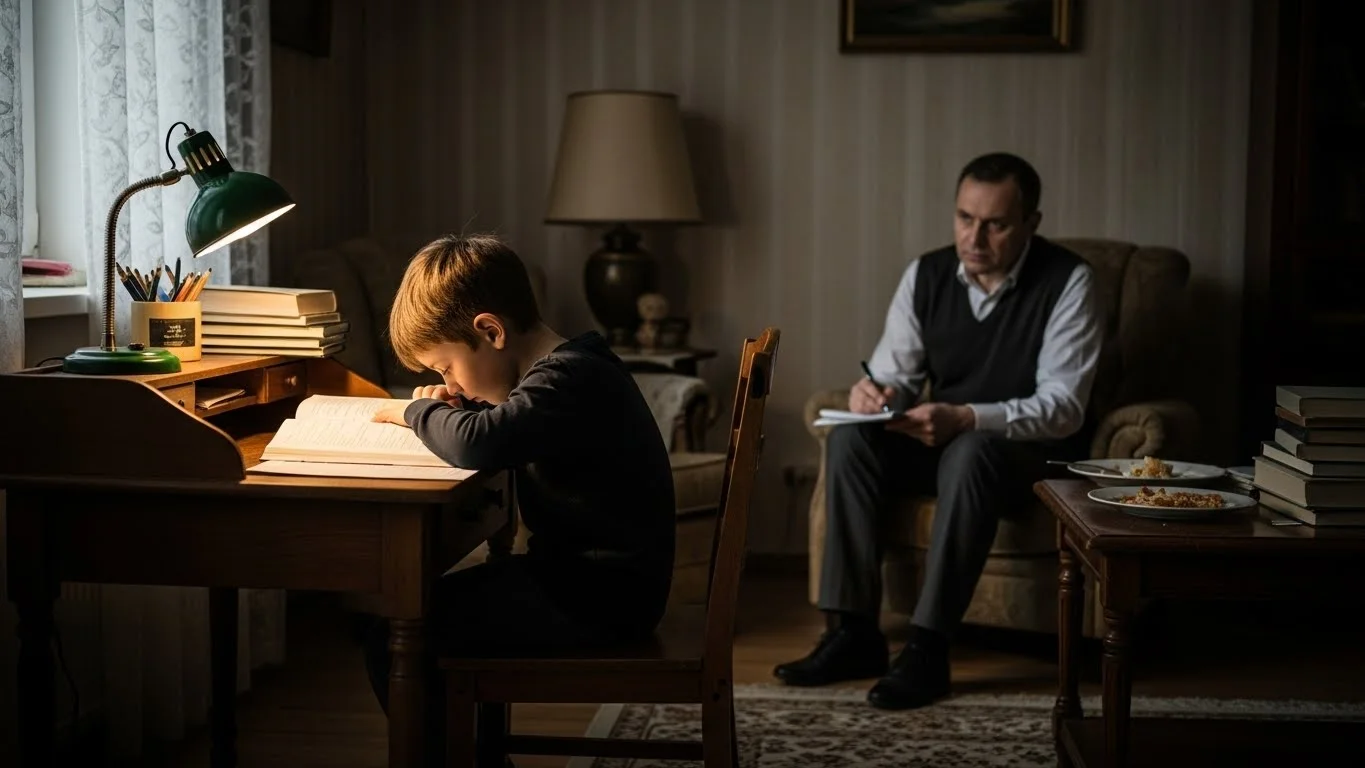
Understanding Authoritarian Parenting
Definition of Authoritarian Parenting
Authoritarian parenting is a style characterized by high demands and low responsiveness. Parents who adopt this approach enforce strict rules and expect obedience without question. I remember when I first learned about this parenting style; it struck me how controlling some parents could be, often prioritizing discipline over emotional support. This kind of parenting emphasizes obedience and discipline, often at the expense of open dialogue and emotional nurturing. The focus is on what children should do rather than engaging them in understanding why those rules exist.
Key Characteristics of Authoritarian Parents
In my observations, authoritarian parents tend to exhibit several key traits. They value obedience and discipline above all else, viewing any form of questioning or dissent as disrespect. Their homes often feel rigid and structured, leaving little room for flexibility or personal expression. Here are some characteristics I noticed:
- Strict Rules: Authoritarian parents have a clearly defined set of rules, and breaking them often leads to harsh consequences.
- Lack of Emotional Connection: These parents may struggle to connect emotionally with their children, prioritizing obedience over understanding their feelings.
- High Expectations: They often expect their children to meet high standards without providing support or guidance.
- Punitive Measures: Consequences for disobedience can include severe punishments, leaving children feeling anxious about failure.
When I reflect on these traits, I can see how they might create a home environment that feels more like a boot camp than a nurturing space. Authoritarian Parenting: Characteristics and Impact on Kids offers a deeper understanding of these traits.
Comparison with Other Parenting Styles
When I started comparing authoritarian parenting to other styles, I found it fascinating how distinct it is from more permissive or authoritative methods. Authoritative parenting, for instance, balances high expectations with emotional support. I’ve often thought about how I would approach parenting, and I believe a blend of discipline and warmth feels more effective. In contrast, permissive parents tend to be lenient, often allowing children to make their own rules with minimal guidance. While I can appreciate the freedom that permissive parents offer, I also think that children need some structure. This balance is something that authoritarian parents often miss, leading to a lack of independence and critical thinking in their children.
Reflecting on my experiences with different parenting styles, I realized that the most successful ones combine guidance with empathy. Authoritarian parenting, with its focus on compliance, often leads to children who struggle with self-regulation and independence. I once met someone who grew up in such a household, and their stories of feeling pressured to excel without support were eye-opening. How Authoritarian Parenting Shapes Kids’ Future Success provides further insights into the long-term implications of these parenting styles.
The Psychological Impact on Children
Emotional Development Issues
One of the most significant impacts of authoritarian parenting is on emotional development. Children raised in these environments often learn to suppress their feelings. I remember discussing this with a friend who shared her upbringing under strict rules and how she often felt like her emotions didn’t matter. This kind of atmosphere can lead to issues like anxiety and depression. The children may feel unable to express themselves or fear that their feelings will be invalidated. I think about how essential it is for kids to have spaces where their feelings are acknowledged and explored rather than dismissed.
Effects on Self-Esteem and Self-Worth
Children raised by authoritarian parents may struggle with self-esteem and self-worth. They often receive little positive reinforcement, leading them to doubt their abilities. I’ve seen this play out in friends who, despite being talented, feel inadequate because they never received encouragement or praise at home. This constant comparison to unattainable standards can create a cycle of low self-worth that might carry into adulthood.
Impact on Social Skills and Relationships
Growing up in an authoritarian environment can also affect social skills and relationships. Children may find it hard to form healthy relationships because they might not know how to communicate openly or resolve conflicts constructively. I’ve noticed how some friends struggle with relationships, often stemming from a lack of practice in negotiating and understanding others’ perspectives. They might also feel uncomfortable in social settings, fearing judgment or rejection. I believe that fostering social skills is crucial, and authoritarian parenting often stifles this important aspect of development.
Behavioral Consequences of Authoritarian Parenting
Increased Anxiety and Depression
One of the most pressing issues I’ve observed with children raised in authoritarian households is the rise in anxiety and depression. In my experience, these kids often feel immense pressure to conform and excel, leading to a constant state of worry. I remember meeting someone who described their childhood as living under a microscope, where every mistake felt magnified. This relentless scrutiny can make children anxious, fearing that they will never be good enough, which can spiral into more severe mental health issues as they grow older. I believe it’s essential to create a nurturing environment where children feel safe expressing their fears and concerns, rather than one that amplifies their anxieties.
Rebellion and Defiance in Adolescence
Another behavioral consequence that I’ve seen is the tendency for rebellion and defiance during the teenage years. Some of my friends who experienced authoritarian parenting often reacted by pushing back against their parents’ strict rules. I remember a friend who, after years of toeing the line, suddenly started acting out in ways that surprised everyone. It was almost as if the weight of expectations had become unbearable, leading to a rebellion against all forms of authority. This reaction is understandable; children raised in such rigid environments may feel the need to assert their independence, often in negative or destructive ways. This rebellion can lead to a cycle of conflict that is difficult to break, complicating relationships with parents and peers alike.
Risk of Aggressive Behavior
Additionally, authoritarian parenting can sometimes result in aggressive behavior. I’ve encountered individuals who, having been raised in an environment where strict discipline was the norm, learned to express frustration through aggression. I remember a time when a friend had a short fuse, often lashing out when things didn’t go their way. It became clear that their reaction stemmed from a lack of healthy emotional outlets as a child. Instead of learning to communicate effectively about their feelings, they resorted to anger. This pattern can carry into adulthood, making it challenging to navigate relationships and conflicts in a constructive manner.
Cognitive Effects of Authoritarian Parenting
Impact on Academic Performance
Beyond emotional and behavioral issues, authoritarian parenting can significantly affect cognitive development, particularly academic performance. While it may seem that strict discipline could lead to better grades, I’ve noticed that this is not always the case. In fact, children raised in overly demanding environments often develop a fear of failure, which can hinder their academic pursuits. I once talked to a student who, despite being intelligent, struggled with test anxiety due to the high expectations set by their authoritarian parents. This fear can stifle a child’s motivation to learn and explore, leading to a lack of engagement and, ultimately, poorer academic outcomes.
Critical Thinking and Problem-Solving Skills
Additionally, the lack of encouragement for questioning and exploration can stymie the development of critical thinking skills. I’ve seen this firsthand; children who are told what to do without room for inquiry may struggle to think independently or solve problems creatively. In group projects, for instance, I’ve noticed that some individuals raised in authoritarian settings are hesitant to share their ideas or challenge others, fearing reprimand. This fear can limit their ability to contribute meaningfully in collaborative environments, which is vital in both academic and professional settings.
Creativity and Innovation Limitations
Creativity is another area that can suffer under authoritarian parenting. When I reflect on my own experiences, I realize how important it is for children to have the freedom to explore their interests and express themselves creatively. Authoritarian environments often prioritize conformity over creativity, leading children to suppress unique ideas in favor of what is deemed “acceptable.” I’ve known several talented artists and writers who felt stifled by their upbringing. They often express regret about not being able to pursue their passions without fear of judgment. This limitation can hinder not only personal fulfillment but also innovation in various fields as these children grow into adults.
Long-Term Effects into Adulthood
Adult Relationships and Parenting Styles
The repercussions of authoritarian parenting don’t simply vanish upon reaching adulthood; they often manifest in adult relationships and parenting styles. I’ve observed friends who grew up in strict households mirroring those same behaviors in their parenting. They may struggle to connect emotionally with their children, repeating the cycle of rigidity and obedience. I remember discussing this with a friend who, despite wanting to be more nurturing, felt an overwhelming urge to maintain control. It’s a heavy burden to carry, and breaking the cycle takes conscious effort and reflection.
Career Choices and Work Ethic
Furthermore, the work ethic instilled by authoritarian parenting can be a double-edged sword. While many may develop a strong drive to succeed, this can also lead to burnout and dissatisfaction. I’ve seen individuals who push themselves relentlessly, often at the expense of their well-being. They may equate their self-worth with their achievements, which can result in a constant feeling of inadequacy. It’s crucial to recognize that success should be defined on personal terms, not just by meeting external expectations.
Mental Health Challenges in Adulthood
Finally, the mental health challenges that begin in childhood often persist into adulthood. I’ve met people who carry the emotional scars from their upbringing, struggling with issues like anxiety, depression, and low self-esteem well into their adult years. It’s a reminder of how vital it is to nurture emotional well-being in children, allowing them to develop resilience and self-acceptance. Understanding these long-term effects can help us foster healthier environments for future generations.
Strategies for Positive Parenting
Encouraging Open Communication
One of the most effective strategies for positive parenting is fostering open communication. I’ve come to realize that when children feel safe expressing their thoughts and feelings, they develop a sense of trust and confidence. In my own experience, I’ve found that simply asking my kids about their day and genuinely listening to their responses creates an open dialogue that makes them feel valued. I remember a time when my child faced a difficult situation at school; instead of jumping straight to advice, I asked them how they felt about it. The conversation that followed illuminated so much about their worries and helped us navigate the problem together. Encouraging this kind of open communication can be transformative, as it helps children articulate their emotions and learn to express themselves effectively.
Balancing Discipline with Support
Finding the right balance between discipline and emotional support is essential for effective parenting. I believe that while it’s important for children to understand boundaries and rules, it’s equally vital for them to know they have a supportive foundation. I often think back to my own upbringing and how certain rules were enforced without any explanation. In contrast, I try to explain the reasoning behind rules to my kids. For instance, when I ask them to complete their homework before playtime, I explain how it helps them manage their time better. This approach not only helps them understand the importance of discipline but also reassures them that I am there to support them in their endeavors. This balance can encourage a cooperative spirit rather than a compliance-focused mindset.
Fostering Independence in Children
Encouraging independence is another critical aspect of positive parenting. I often notice that children raised in overly authoritarian environments may struggle with decision-making as they grow older. To counter this, I make a conscious effort to allow my kids to make choices, even small ones, in their daily lives. Whether it’s selecting their outfit for the day or deciding what to have for lunch, I’ve noticed that giving them these opportunities fosters confidence in their ability to make decisions. I remember the first time I let my child choose their extracurricular activities. They were so proud of their choice, and it sparked a newfound interest in pursuing their passions. Fostering independence helps children feel more competent and prepares them for the complexities of adulthood.
Resources for Parents and Caregivers
Books on Parenting Styles
For those seeking to deepen their understanding of different parenting styles, I highly recommend exploring books on the subject. A few that stand out to me are “The Whole-Brain Child” by Daniel J. Siegel and Tina Payne Bryson, which delves into how to nurture a child’s emotional intelligence while providing structure. Another great read is “Parenting with Love and Logic” by Charles Fay and Foster Cline, which emphasizes the importance of allowing children to learn from their mistakes in a supportive environment. These books not only provide valuable insights into effective parenting but also offer practical strategies that I’ve found helpful in my own journey.
Support Groups and Counseling Services
Sometimes, discussing challenges with other parents can provide the support and perspective we need. I’ve discovered that joining local parenting groups or online forums can be a fantastic way to connect with others who are navigating similar situations. Sharing experiences, struggles, and triumphs can be incredibly validating. Additionally, seeking counseling services can be beneficial for parents who want to explore their own upbringing and how it affects their parenting style. I once attended a workshop where we discussed the impacts of our childhood experiences on our parenting behaviors, and it was eye-opening. It’s important to recognize that seeking help is a sign of strength, not weakness.
Online Courses and Workshops
In today’s digital age, there are countless online courses and workshops available for parents looking to improve their skills. I’ve taken part in several webinars focused on effective communication and positive discipline techniques. These courses often provide practical exercises and real-life scenarios that can help us apply what we learn in our own homes. I remember one particular course that emphasized the importance of active listening. The techniques I learned not only enhanced my relationship with my children but also improved my interactions with others in my life. Online resources can be a great way to gain new perspectives and strategies that resonate with your parenting philosophy.
Final Thoughts
Reflecting on the journey through understanding authoritarian parenting, I can’t help but feel a mix of compassion and concern for those affected by it. It’s clear that the impacts are far-reaching, touching every aspect of life, from childhood development to adult relationships. I believe it’s crucial for us to recognize these patterns, not only to help ourselves but also to support others who may be struggling with the legacy of authoritarian parenting.
As I think about the different strategies we can adopt to foster a healthier environment, it becomes evident that open communication, a balance of discipline and support, and encouraging independence are key. It’s about creating a nurturing space where children can thrive emotionally and cognitively. I’ve found that when children feel heard and valued, they cultivate a sense of self that is resilient and adaptable.
I’m hopeful that as we share our experiences and insights, we can start to break the cycles of authoritarian parenting. It’s inspiring to witness how many parents are striving to be more understanding and supportive, aiming to provide their children with the tools they need to succeed in life. For me, it’s a reminder that we all have the power to change the narrative, to build a future where our children can grow up feeling secure in their worth, capable of making choices, and confident in expressing themselves.
Ultimately, fostering positive relationships and environments is not just beneficial for our children; it enriches our lives as well. I cherish the moments when my kids share their thoughts with me, knowing that this open dialogue helps us all grow. As we navigate our parenting journeys together, let’s continue to learn from each other, support one another, and create space for understanding, compassion, and love.
As we move forward, I encourage everyone to take a moment to reflect on their own upbringing and how it shapes their parenting today. It’s never too late to make a change, and every small step we take can lead to a brighter future for the next generation.
In the end, our experiences, both good and bad, shape who we are. By understanding the effects of authoritarian parenting, we can strive to create a more compassionate world for ourselves and our children, one where emotional well-being is prioritized and nurtured.
Frequently Asked Questions
What is authoritarian parenting?
Authoritarian parenting is a style characterized by high demands and low responsiveness, where parents enforce strict rules and expect obedience without question, prioritizing discipline over emotional support.
What are the key characteristics of authoritarian parents?
Key characteristics of authoritarian parents include strict rules, lack of emotional connection, high expectations, and punitive measures for disobedience, creating a rigid home environment.
How does authoritarian parenting affect children’s emotional development?
Children raised in authoritarian environments often learn to suppress their feelings, which can lead to anxiety and depression as they may feel their emotions are invalidated.
What effects does authoritarian parenting have on children’s self-esteem?
Children raised by authoritarian parents may struggle with self-esteem and self-worth due to a lack of positive reinforcement, leading them to doubt their abilities and feel inadequate.
How does authoritarian parenting impact children’s social skills?
Children from authoritarian households may find it difficult to form healthy relationships and communicate openly, often struggling with conflict resolution and fearing judgment in social settings.
What behavioral consequences are associated with authoritarian parenting?
Behavioral consequences can include increased anxiety and depression, rebellion and defiance during adolescence, and a tendency towards aggressive behavior due to a lack of healthy emotional outlets.
How does authoritarian parenting affect cognitive development?
Authoritarian parenting can hinder cognitive development by instilling a fear of failure that affects academic performance, stifling critical thinking and problem-solving skills, and limiting creativity and innovation.
What long-term effects can authoritarian parenting have into adulthood?
The effects of authoritarian parenting can manifest in adult relationships and parenting styles, career choices, work ethic, and ongoing mental health challenges such as anxiety and depression.
What strategies can promote positive parenting as an alternative to authoritarian styles?
Effective strategies for positive parenting include encouraging open communication, balancing discipline with emotional support, and fostering independence in children to help them develop confidence and decision-making skills.
What resources are available for parents seeking to improve their parenting style?
Parents can explore books on parenting styles, join support groups and counseling services, and participate in online courses and workshops to gain insights and practical strategies for effective parenting.