
Uninvolved parenting can have profound and often hidden impacts on children. It’s a style that might seem passive, but the consequences can ripple through a child’s life in unexpected ways. For more insights, you can check out Navigating Uninvolved Parenting: Key Insights for Families.
Understanding Uninvolved Parenting
Definition and Characteristics of Uninvolved Parenting
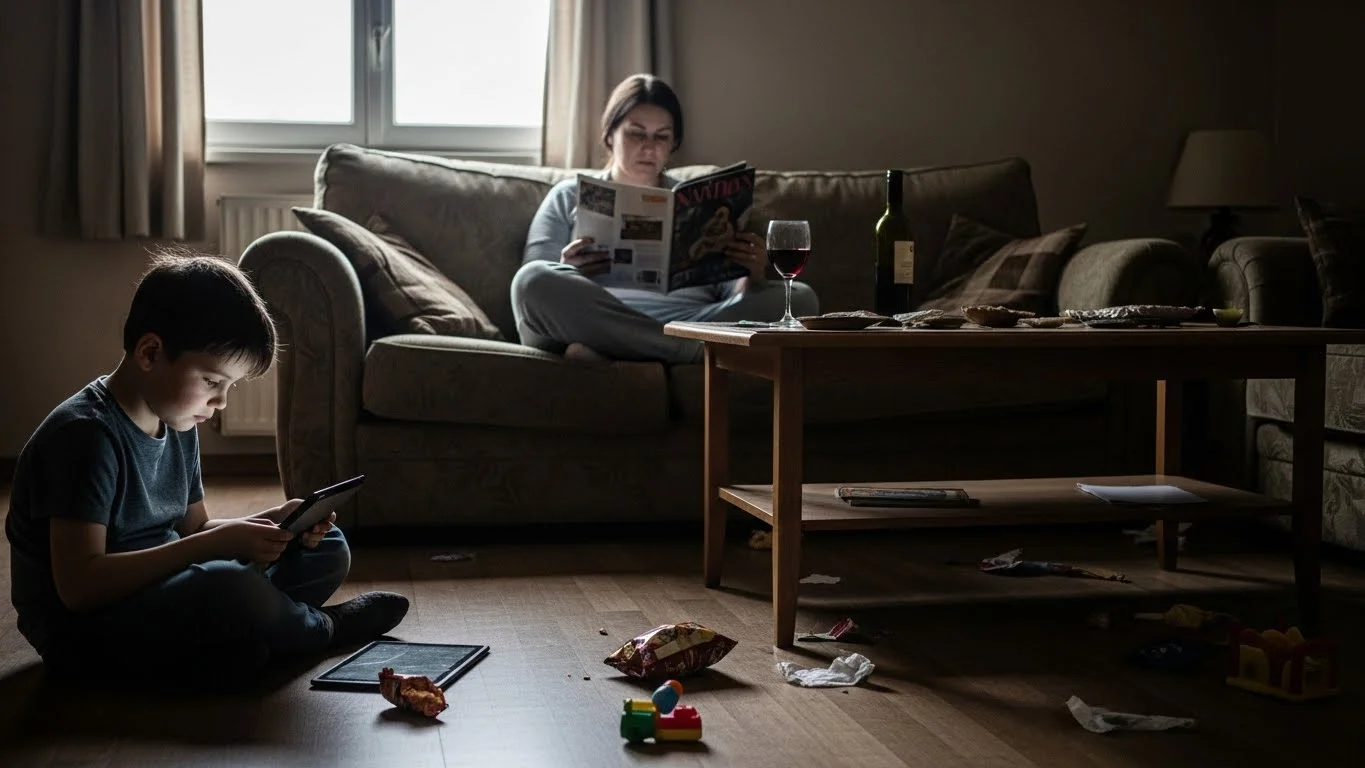
When I first learned about uninvolved parenting, I was surprised by how many characteristics can define it. Uninvolved parents tend to be emotionally distant and indifferent, often providing minimal supervision and neglecting their child’s needs for guidance or support. These parents may have their own issues that prevent them from engaging with their children, such as work stress, mental health struggles, or even their own upbringing. I realized that this type of parenting stems not from a lack of love, but from a lack of awareness about how crucial their involvement is in a child’s life.
In my experience, uninvolved parents often miss out on key moments of their children’s lives. They might not attend school events, check homework, or engage in conversations about feelings and experiences. Instead, they may leave their kids to fend for themselves, creating a sense of isolation. I think it’s important to recognize these behaviors, as they set the stage for many of the challenges that children face later on.
Comparison with Other Parenting Styles
For a deeper understanding, I found it helpful to compare uninvolved parenting with other styles, such as authoritative, authoritarian, and permissive parenting. Authoritative parents are like a guiding hand; they provide warmth and structure. In contrast, authoritarian parents emphasize rules and obedience, often with little emotional connection. Permissive parents, while warm, lack the boundaries that children need. It’s interesting to see how uninvolved parenting sits at the opposite end of the spectrum—almost detached from both emotional support and discipline. For more on this topic, read Uninvolved Parenting Explained: Impact on Children’s Lives.
I’ve observed that children raised in authoritative homes tend to thrive, as they receive both the guidance and the freedom to express themselves. Uninvolved parenting, however, leaves children to navigate their worlds without the safety net of guidance or support. It’s like being adrift in a vast ocean without a life raft; they might survive, but they certainly won’t thrive.
Psychological Effects on Children
Impact on Emotional Development
The emotional development of children under uninvolved parenting can be severely impacted. I’ve come to understand that these kids often struggle to identify and express their emotions. Without the opportunity to engage in meaningful conversations about feelings, they may grow up feeling isolated and confused. I remember speaking to a child who felt neglected and didn’t know how to articulate sadness or anger. It’s heartbreaking to think that, without guidance, they may internalize these emotions, leading to problems later in life.
Effects on Self-Esteem
Self-esteem is another crucial area affected by uninvolved parenting. I’ve seen children develop a sense of worthlessness when they feel neglected or unimportant. They often believe that their parents don’t care, which can lead to a negative self-image. From my perspective, it’s vital for children to know they matter, and when parents are uninvolved, that message gets lost. A lack of encouragement can lead to feelings of inadequacy, which can follow them well into adulthood.
Connection to Anxiety and Depression
One of the most concerning outcomes I’ve discovered is the correlation between uninvolved parenting and mental health issues like anxiety and depression. Without emotional support, children may find themselves overwhelmed by feelings they can’t articulate or manage. I recall a young girl I once spoke to who had developed anxiety due to constant feelings of neglect. She often felt like she had to solve her problems alone, which only exacerbated her anxiety. Understanding this connection has made me more aware of the importance of engaging with children, as it can truly make a difference in their emotional well-being.
Academic Outcomes
Influence on Learning Abilities
The academic outcomes for children raised in uninvolved households often reflect their lack of support. I’ve seen firsthand how these children struggle with learning because they lack the motivation and guidance that comes from involved parenting. They may not have anyone to help with homework or discuss school projects, which can lead to a decreased interest in education. I remember feeling excited about school because my parents were involved in my learning, and it’s hard to imagine how different my experience would have been without that support.
Relationship with School Performance
Uninvolved parenting can also lead to poor school performance. Many children in these situations lack the necessary study habits and organizational skills because they weren’t taught or encouraged to develop them. I’ve met students who don’t even know how to ask for help or advocate for themselves in the classroom, feeling lost and overwhelmed. It’s a tough place to be, and I think it’s essential for parents to understand how their involvement can directly impact their child’s success in school.
Long-Term Effects on Educational Attainment
Looking at the long-term effects, I learned that many children from uninvolved homes don’t pursue higher education. They may feel unprepared or unworthy of continuing their learning journey. I think about how many opportunities could be missed simply because a child didn’t feel supported. It’s alarming to realize that uninvolved parenting can shape a child’s future, leading them to believe that education isn’t for them. We need to break this cycle and create environments where children feel valued and motivated to learn. For a comprehensive understanding, refer to Understanding Uninvolved Parenting: A Comprehensive Guide.
Social Skills and Relationships
Challenges in Peer Interactions
One area where uninvolved parenting leaves a noticeable mark is in the social skills of children. I’ve observed that kids growing up in these environments often face significant challenges when interacting with their peers. Without parental guidance, they miss out on learning essential social cues, like how to take turns in conversation or the importance of empathy. I remember a friend from my childhood who struggled in social settings; he often didn’t know how to engage in small talk or how to respond appropriately to others. It’s not just awkwardness; it creates a barrier that can lead to isolation. When children aren’t taught how to form and maintain friendships, they may find themselves on the outside looking in, which can be incredibly painful.
Impact on Family Relationships
Uninvolved parenting doesn’t just affect friendships; it can also create rifts within the family. When parents are emotionally distant, children may feel less inclined to connect with them or seek their approval. I’ve seen siblings grow apart because they didn’t receive the nurturing environment that fosters strong family bonds. In my case, I was fortunate to have parents who encouraged open communication and family activities. I can’t imagine how different my relationship with my family would be if we had been more disconnected. Children from uninvolved households may lack the emotional tools needed to establish healthy relationships within their own families, leading to misunderstandings and resentment.
Long-Term Effects on Romantic Relationships
The impact of uninvolved parenting can extend into adulthood, affecting how individuals approach romantic relationships. I’ve noticed that many people who grow up with uninvolved parents struggle with intimacy and vulnerability. They might have difficulty trusting their partners or may not understand how to express their needs and feelings. I once spoke with someone who shared that they often felt unworthy of love, echoing the neglect they experienced in childhood. It’s as if the seeds of doubt planted by uninvolved parenting blossom into full-blown issues in adulthood. It’s heartbreaking to see how these patterns can continue into the next generation unless someone breaks the cycle.
Behavioral Issues
Increased Risk of Delinquency
Behavioral issues are another significant consequence of uninvolved parenting. I’ve learned that children in these situations may have a higher risk of engaging in delinquent behavior. The lack of supervision and guidance can lead to experimenting with risky activities, simply because they are searching for attention or a sense of belonging. I remember hearing about a young boy who started skipping school and getting into trouble with the law. It wasn’t that he was inherently bad; he was just acting out in response to the neglect he felt at home. These behaviors are often cries for help, but without intervention, they can spiral into more serious issues.
Substance Abuse Correlation
Substance abuse is another area of concern linked to uninvolved parenting. I’ve come across research that indicates a strong connection between a lack of parental involvement and an increased likelihood of substance use among teens. I recall a case of a girl who started using drugs as a way to escape her feelings of loneliness and neglect. She didn’t have anyone to talk to or a safe space to express her struggles. It’s tragic to see how uninvolved parenting can push children toward unhealthy coping mechanisms, leaving them feeling even more isolated in the long run.
Difficulty with Authority Figures
Children raised in uninvolved households may also struggle to respect authority figures. I’ve seen this firsthand in school settings, where students who feel neglected at home may push back against teachers or other adults. They often lack the skills to navigate these relationships positively, which can create a cycle of conflict and misunderstanding. I remember a student who had frequent confrontations with his teachers. When I learned more about his home life, it became clear that he didn’t have anyone modeling appropriate responses to authority. It’s a sad reminder that the home environment plays a crucial role in shaping how children view authority and their place within society.
Strategies for Improvement
Recognizing Uninvolved Parenting Signs
For those who may be experiencing uninvolved parenting, recognizing the signs is the first step toward change. I’ve found that awareness can act as a catalyst for parents to seek help and improve their relationships with their children. It’s essential to take a step back and evaluate how present you are in your child’s life. Are you missing school events? Do you struggle to engage in conversations with your child? I believe that honest self-reflection can pave the way for meaningful changes that benefit both parents and children.
Effective Communication Techniques
Once we acknowledge uninvolved parenting, the next step is improving communication. I’ve learned that creating an open dialogue can significantly enhance the parent-child relationship. Simple techniques, like active listening and asking open-ended questions, can encourage children to express their thoughts and feelings. I remember trying this with my own younger siblings, and it opened up a whole new world of understanding. The more we communicate, the more connected we feel.
Establishing Boundaries and Expectations
Establishing clear boundaries and expectations can also be a game-changer. I’ve seen how children thrive when they understand the rules and feel secure in their environment. Setting aside dedicated time for activities, whether it’s helping with homework or just enjoying family meals together, can foster a sense of belonging. I recommend making these moments regular so that children know they can count on them. It’s a small but powerful step toward building a more engaged parenting style.
Real-Life Case Studies
Case Study 1: Positive Turnaround
Let me share a story that really resonated with me. A friend of mine, Sarah, grew up in a household that could be categorized as uninvolved. Her parents were always busy with work and often left her to navigate her own challenges. She felt invisible most of her childhood. However, everything changed when Sarah hit her teenage years. She found a mentor in her high school teacher, who recognized her potential and started to invest time in her. This teacher encouraged her to express her thoughts and emotions, something Sarah had never experienced at home.
Through this newfound support, Sarah began to thrive academically and personally. She started participating in class, joined clubs, and even began to open up about her feelings. What struck me was how a single caring adult could help turn her life around. She went from feeling unworthy to applying for college and eventually got accepted to her dream school. I think this case highlights the importance of intervention. It shows us that even when children come from uninvolved backgrounds, external support can lead to significant positive change. Sarah’s experience serves as a reminder that it’s never too late to make a difference in a child’s life.
Case Study 2: Long-Term Consequences
On the other side of the spectrum, I encountered a story about Mark, who faced the long-term consequences of uninvolved parenting. Mark grew up in a home where his parents were emotionally absent. As a child, he struggled with self-esteem and often turned to negative influences for companionship. By the time he reached high school, he had developed a reputation for being rebellious and disengaged. I learned that he often skipped classes and was frequently in trouble with the law.
Despite having potential, Mark never felt that he could pursue higher education. He believed that no one cared about his future, a feeling instilled in him from an early age. His circumstances eventually led him to drop out of school and get involved in risky behaviors that he thought would fill the void left by his parents. This story was particularly heartbreaking for me because it illustrated how uninvolved parenting can create a cycle of despair that extends well into adulthood. Mark’s journey serves as a warning that the impacts of uninvolvement are not just temporary; they can shape a person’s entire life trajectory.
Resources for Parents
Books on Parenting Styles
For any parent looking to understand more about their parenting style and its effects, I can’t recommend enough the various books available on the topic. One that I found particularly helpful is “The Whole-Brain Child” by Daniel J. Siegel and Tina Payne Bryson. It provides insights into child development and practical strategies to enhance the parent-child relationship. Another fantastic read is “Parenting with Love and Logic” by Charles Fay and Foster Cline. It emphasizes the importance of teaching children accountability while maintaining a loving environment.
Support Groups and Counseling Services
Sometimes, we need a little help to change our parenting styles. I’ve seen how support groups can provide a sense of community and understanding for parents feeling overwhelmed. Many local organizations offer parenting classes, where you can learn from professionals and share experiences with others facing similar challenges. I’ve attended a few sessions myself, and the sense of connection can be incredibly uplifting.
Online Forums and Communities
With the rise of social media, there are now numerous online forums and communities dedicated to parenting. Platforms like Reddit have subreddits focused on parenting advice where parents can ask questions, share stories, and find support. I’ve seen parents sharing their struggles and successes, creating a virtual network of encouragement. These communities can be beneficial when you’re in need of quick advice or simply want to connect with others who understand what you’re going through.
Frequently Asked Questions
What is uninvolved parenting?
Uninvolved parenting is a style characterized by emotional distance and indifference, where parents provide minimal supervision and neglect their child’s needs for guidance or support. This parenting approach often stems from the parents’ own issues or lack of awareness regarding the importance of their involvement in their child’s life.
How does uninvolved parenting affect emotional development in children?
Children raised in uninvolved households often struggle to identify and express their emotions. They may feel isolated and confused, leading to difficulties in articulating feelings such as sadness or anger, which can result in emotional issues later in life.
What impact does uninvolved parenting have on self-esteem?
Uninvolved parenting can lead children to develop a sense of worthlessness. When they feel neglected or unimportant, they often believe their parents do not care, which can result in a negative self-image that follows them into adulthood.
What are the academic outcomes of uninvolved parenting?
Children from uninvolved households often struggle academically due to a lack of support and motivation. They may not receive help with homework or discussions about school projects, leading to poor school performance and decreased interest in education.
How does uninvolved parenting affect children’s social skills?
Children raised by uninvolved parents often face significant challenges in interacting with peers. They miss out on learning essential social cues, which can lead to awkwardness and isolation in social settings.
What are the long-term effects of uninvolved parenting on romantic relationships?
The impact of uninvolved parenting can extend into adulthood, where individuals may struggle with intimacy, vulnerability, trust, and expressing their needs in romantic relationships due to the emotional neglect experienced in childhood.
How can parents recognize uninvolved parenting?
Parents can recognize uninvolved parenting by reflecting on their level of engagement in their child’s life. Signs include missing school events, struggling to engage in conversations, and a lack of support or guidance provided to the child.
What strategies can improve uninvolved parenting?
Improving uninvolved parenting can involve effective communication techniques, such as active listening and asking open-ended questions, as well as establishing clear boundaries and expectations to foster a more engaged parenting style.
Are there resources available for parents wanting to change their parenting style?
Yes, there are various resources available for parents, including books on parenting styles, support groups, counseling services, and online forums or communities where parents can share experiences and find encouragement.
Can external support make a difference in the lives of children from uninvolved backgrounds?
Yes, external support from mentors or caring adults can significantly change the trajectory of a child’s life, helping them to thrive academically and personally despite the challenges posed by uninvolved parenting.