
Traveling as a family can be one of the most enriching experiences, especially when balanced with effective parenting styles. Authoritative parenting offers a unique approach that can enhance our adventures together, turning trips into memorable learning experiences.
Understanding Authoritative Parenting
Definition and Characteristics
Authoritative parenting is often hailed as one of the most effective styles, and I can really see why. It strikes a balance between demanding and responsive parenting. This means that while we set clear expectations and rules for our children, we also encourage open communication and respect their opinions. I remember when my kids were younger, I would often sit them down to discuss our family rules, allowing them to share their thoughts. This approach not only fostered trust but also made them feel valued. Authoritative parents tend to be warm and nurturing, which helps create a supportive environment for children to thrive.
Impact on Child Development
The impact of authoritative parenting on child development is profound. In my experience, children raised with this style tend to display higher levels of self-esteem, social skills, and academic achievement. They’re not just following rules; they understand the reasoning behind them. For instance, during our travels, we’d often discuss why we needed to respect local cultures and traditions. This not only made my children more aware of their surroundings but also encouraged them to express their curiosity in a respectful manner. I found that when kids are given the chance to understand and engage with their environment, they develop a deeper appreciation for the world around them.
Differences from Other Parenting Styles
What sets authoritative parenting apart from other styles, like authoritarian or permissive parenting, is its balanced approach. Authoritarian parents might impose strict rules without allowing room for dialogue, while permissive ones might go too easy and lack consistent boundaries. I’ve seen families struggle because their parenting style wasn’t aligned with their travel experiences. For example, children raised under authoritarian rules often rebel when they find themselves in unfamiliar settings, while permissive kids may not know how to navigate new environments. In contrast, my children thrived during our trips because they were empowered to make choices within the structure we provided. This balance made every journey feel like an opportunity for growth and adventure.
Benefits of Authoritative Parenting During Travel
Fostering Independence in Children
One of the remarkable benefits I’ve experienced with authoritative parenting is how it fosters independence in my children. When we travel, I encourage them to explore new places on their own, within safe boundaries, of course. I remember one trip where I allowed my eldest to navigate the map and lead us to a local market. Watching her take charge and make decisions not only boosted her confidence but also made our travel experience richer. These moments of independence teach kids how to trust their instincts, which is invaluable whenever we’re in new surroundings.
Enhancing Family Communication
Traveling also enhances family communication, a cornerstone of authoritative parenting. On our trips, I make it a point to have daily family discussions. We talk about our experiences, feelings, and any issues that arise. I recall a time when we faced a delay at the airport; instead of letting frustration take over, we turned it into a learning moment. We discussed how to handle unexpected challenges and shared our thoughts on what we could do to make the wait more enjoyable. This open dialogue not only strengthens our family bond but also equips my children with skills they can use in everyday life. Overcoming common hurdles in communication is key to making these moments effective.
Encouraging Problem-Solving Skills
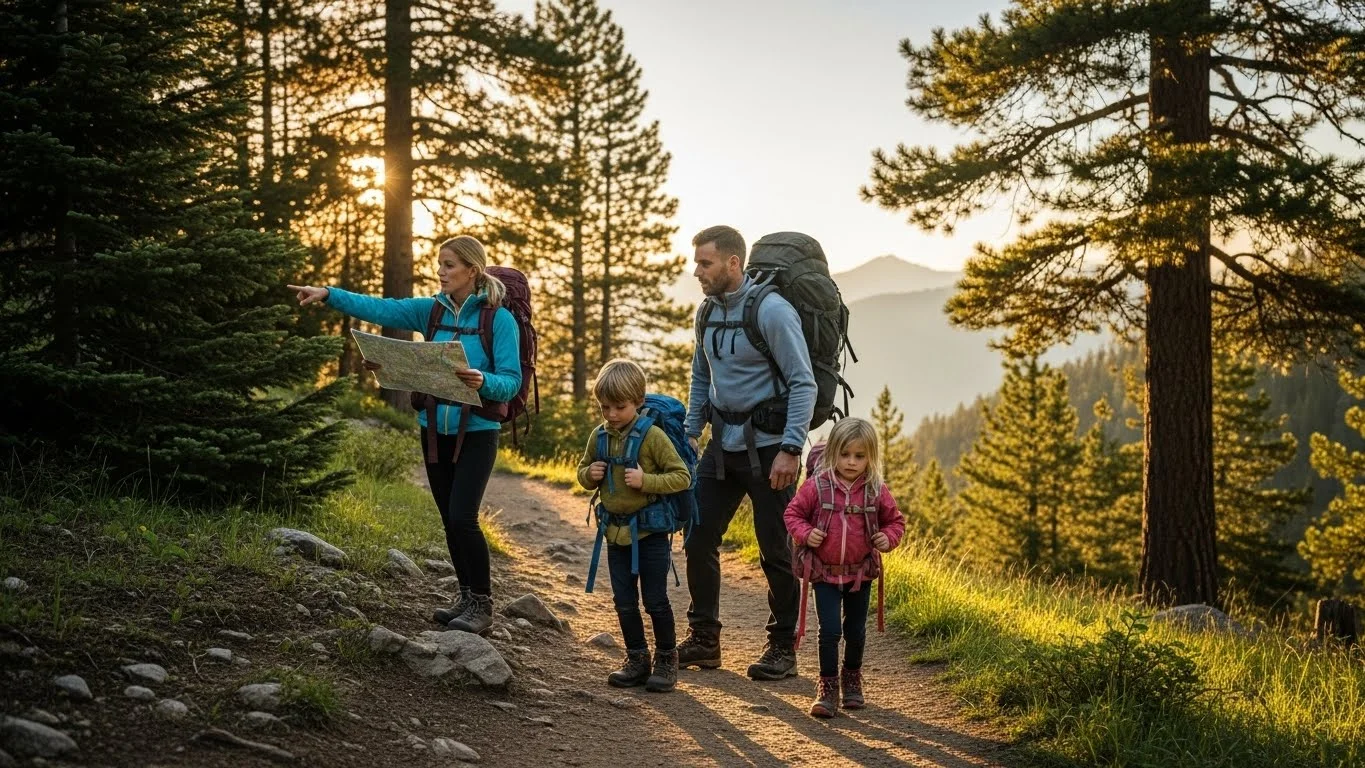
Traveling inevitably brings about challenges, and authoritative parenting helps kids develop problem-solving skills. I remember during a hiking trip, my younger child got a little lost on the trail. Instead of panicking, I encouraged her to think about the signs we had seen and the map we had studied before. Together, we retraced our steps, and she found her way. This moment taught her to stay calm under pressure and think critically. I believe that these experiences during our travels prepare them for life’s little hiccups, making them more resilient and adaptable.
Planning Family Travel Adventures
Choosing Destinations That Cater to Family Needs
One of the first steps in planning a family trip is selecting a destination that suits everyone’s needs. I’ve found that involving my children in this decision not only makes them feel included but also helps us understand what they’re excited about. For instance, when we chose a beach destination, my kids were thrilled about the idea of building sandcastles and swimming in the ocean. On the other hand, when we decided on a city known for its museums and parks, they were just as enthusiastic, eager to learn and explore. It’s all about finding that sweet spot where everyone can enjoy the adventure. I believe that considering both fun and educational aspects in our destination helps create a balanced experience for the whole family.
Involving Children in the Planning Process
Involving my kids in the planning process has become a tradition in our family. I remember one trip where we sat down together with a map and a list of potential activities. I encouraged them to pick a few things they wanted to do, and it was amazing to see their faces light up with excitement over their choices. Not only did this make them feel like valued contributors, but it also sparked great conversations about what we might learn during our travels. I’ve noticed that when they have a say in the itinerary, they are more engaged and curious throughout the trip. It’s a wonderful way to cultivate their decision-making skills while also making the planning process a lot of fun.
Setting Family Travel Goals
Setting family travel goals is something I cherish. Before embarking on a trip, we discuss what we hope to achieve together. Whether it’s learning about a new culture, trying different foods, or simply spending quality time together, having these goals in mind keeps us focused. I’ve had experiences where we wanted to immerse ourselves in a destination’s heritage, and it made us more intentional in our activities. For example, during our visit to a historical site, we aimed to learn about its significance, and we ended up having deep discussions. It was rewarding to see the kids connect the dots between what they’d learned in school and what we experienced firsthand. These goals not only guide our adventures but also create lasting memories we can reflect on together. Navigating the challenges of travel planning with children is essential for a smooth experience.
Traveling with Authoritative Parenting Principles
Establishing Rules and Boundaries
Establishing rules and boundaries while traveling is crucial for maintaining a sense of security. I’ve found that having clear expectations helps my kids feel more comfortable in new environments. Before each trip, we discuss what behaviors are acceptable and what we expect from each other. For example, we talk about staying close in crowded places and the importance of being respectful to locals. By doing this, I’m not just setting rules for the sake of it; I’m teaching my children about personal responsibility and respect for others. They understand that these rules are in place for their safety and the enjoyment of our trip, which gives them a sense of ownership over their actions.
Encouraging Exploration and Curiosity
While rules are important, I also believe in encouraging exploration and curiosity. I remind my children that travel is an adventure, and part of that adventure is being open to new experiences. During a recent trip to a national park, I encouraged them to wander a bit and discover things on their own. I loved watching them get excited about spotting wildlife or discovering a hidden waterfall. These moments of exploration helped ignite their natural curiosity. I think when kids are given the freedom to explore within safe boundaries, they learn to appreciate the world more deeply. It’s a beautiful balance of structure and adventure that allows them to grow.
Balancing Structure and Flexibility
Finding the right balance between structure and flexibility is a challenge I’ve faced often during our travels. While it’s essential to have a plan, I also learned that being too rigid can lead to stress. I remember one trip where our itinerary went awry due to unexpected rain. Instead of feeling frustrated, we embraced the change and decided to explore a local museum we hadn’t initially planned on visiting. It turned out to be one of the highlights of our trip! I realized that sometimes the best memories come from unplanned moments. This adaptability is a valuable lesson for my children, teaching them that life is full of surprises, and it’s okay not to stick to the plan all the time.
Activities That Promote Family Bonding
Interactive Cultural Experiences
I’ve always believed that immersing ourselves in the local culture during our travels is a fantastic way to bond as a family. I remember one trip to a small village where we participated in a cooking class. We all gathered around a big wooden table, chopping vegetables and mixing spices, while the local chef shared stories about the dishes we were preparing. It was heartwarming to see my kids’ faces light up as they tasted the food they had just made. These interactive cultural experiences not only teach us about different traditions and customs but also spark deep conversations among us about our own cultural backgrounds and preferences. I think when we engage with locals and learn from them, it creates a sense of connection that enhances our family ties and makes the trip unforgettable.
Outdoor Adventures and Physical Activities
Outdoor adventures have a special way of bringing families closer together. Whether it’s hiking, biking, or kayaking, I find that these activities encourage teamwork and resilience. During a family hiking trip last summer, we tackled a challenging trail together. There were moments when my youngest was ready to give up, but I reminded her of our goal to reach the summit. We cheered each other on, shared snacks along the way, and enjoyed breathtaking views that made every effort worth it. This experience not only strengthened our bond but also taught my kids valuable lessons about perseverance and the joy of working together towards a common goal. I feel that participating in physical activities helps us disconnect from our daily routines and reconnect with each other in a truly meaningful way.
Family-Friendly Volunteering Opportunities
Incorporating volunteering into our travels has been one of the most rewarding choices we’ve made. I vividly remember a trip where we spent part of our vacation volunteering at an animal shelter. It was incredible to see my kids work side by side, helping to care for the animals and learning about the importance of compassion and service. Volunteering not only allows us to give back to the communities we visit but also fosters a sense of gratitude and perspective in my children. They see firsthand the impact of their efforts and how they can contribute positively to the world. I believe that these experiences create lasting memories and reinforce our family values, making our travels even more impactful.
Handling Challenges While Traveling
Dealing with Conflicts and Disagreements
Traveling as a family isn’t always smooth sailing; conflicts and disagreements can arise, and that’s perfectly normal. I remember a trip where my kids disagreed on what activity to do next. Instead of letting it escalate, I decided to turn it into a learning moment about compromise. We sat down and each shared our preferences, and then we brainstormed a way to combine our ideas. This moment taught them that it’s okay to voice their opinions while also considering others. I’ve found that when we actively work through disagreements together, it not only strengthens our communication but also builds a sense of unity among us. It’s a valuable lesson in negotiation and empathy that I hope they carry into their adult lives.
Maintaining a Positive Family Dynamic
Maintaining a positive family dynamic during travel can sometimes feel like a juggling act. I’ve learned that setting a positive tone at the beginning of each day makes a huge difference. Before heading out for our adventures, we often gather for a morning huddle, where we share our excitement and intentions for the day. This practice helps everyone feel heard and valued. I’ve noticed that when we start off on a positive note, it sets the stage for how we handle challenges throughout the day. Laughter, encouragement, and a sprinkle of spontaneity have been my go-to strategies for keeping the atmosphere light and fun, reminding us that the journey is just as important as the destination.
Strategies for Managing Stress
Travel can be stressful, and I’ve found that anticipating potential stressors and having strategies in place can make a world of difference. For instance, I always pack a small bag of comfort items for the kids—like favorite snacks, toys, or even a family photo album. When we face long waits or unexpected delays, these little comforts can uplift their spirits and help them feel secure. Additionally, I encourage everyone to take breaks when needed, allowing us to recharge and approach the next adventure with renewed energy. From my experience, recognizing stress signals and addressing them proactively not only helps us enjoy our trips more but also teaches the kids vital coping skills for life.
Post-Travel Reflection and Learning
Discussing Experiences and Memories
After returning from a trip, I find that reflecting on our experiences together is incredibly valuable. It’s become a cherished ritual in our family. We often gather around the dinner table or during a cozy evening at home, where we dive into discussions about our adventures. I ask my kids what their favorite moments were, what surprised them, and what they learned. I remember one trip to a historical city where we explored ancient ruins. My children were fascinated, and hearing them share their perspectives really brought those experiences alive for me. It’s heartwarming to see them articulate their thoughts and feelings, reinforcing the idea that our travels are not just about the places we visit, but the memories we create together.
Encouraging Journaling or Blogging
One practice I’ve found particularly engaging is encouraging my children to keep a travel journal. They can write about their experiences, paste photos, or even draw pictures of what they saw. I think this creative outlet allows them to process their thoughts more deeply. I remember my youngest started a blog after our last family trip, sharing stories and insights from her perspective. This not only nurtures their writing skills but also gives them a sense of ownership over their experiences. It’s fascinating to look back at their journals and see how their perceptions have evolved over time, and it serves as a wonderful keepsake of our adventures.
Applying Lessons Learned to Everyday Life
Traveling opens our eyes to new cultures and experiences, and I believe it’s important to carry those lessons into our daily lives. After each trip, we talk about how we can apply what we learned to our routines at home. For instance, after visiting a community-focused project during our travels, we decided to start a small initiative in our neighborhood to help those in need. It was rewarding to see my children connect the dots between our experiences while traveling and the impact they could make locally. I think these discussions help instill a sense of responsibility and empathy, reminding us that learning doesn’t stop when the trip ends; it’s just the beginning of applying what we’ve experienced.
Real-Life Examples and Case Studies
Families Who Travel with Authoritative Parenting
I’ve often come across families who embrace authoritative parenting during their travels, and their stories inspire me. For example, a friend of mine shares how they involve their children in planning trips. They’ve seen their kids develop not just excitement but also great enthusiasm when it comes to exploring local cultures. They explained how their children become little ambassadors, sharing insights they’ve learned about the destinations with others. This kind of engagement reflects the powerful outcomes that come from authoritative parenting principles in travel, showing that it’s not only about the destination but also how we get there together as a family.
Success Stories and Testimonials
A family I know took a year off to travel around the world. They documented their journey online, which inspired so many. They emphasized how their approach to parenting helped them navigate challenges and foster resilience in their children. They shared stories of overcoming language barriers, learning about different customs, and how their kids took the lead in planning parts of the trip. Their experiences highlight the benefits of nurturing independence and encouraging problem-solving skills, ultimately showing that authoritative parenting principles can lead to incredible adventures and growth.
Lessons Learned from Travel Experiences
Through these travel stories, I’ve learned that each journey presents unique lessons. I’ve realized that it’s not just about the adventures we seek but how we approach them as a family. My own experiences have taught me that travel can be a powerful teacher, shaping our children’s understanding of the world and fostering family bonds. It’s about engaging with our surroundings, learning together, and creating lasting memories. I’ve seen firsthand how these principles enrich our lives and cultivate a sense of curiosity that extends far beyond our trips.
Final Thoughts
Traveling as a family with an authoritative parenting approach has transformed our experiences into something truly special. It not only enriches our journeys but also nurtures our relationships and helps us grow together. I believe the lessons learned on the road create a foundation that supports our lives back home. Through reflection, creativity, and active participation in planning, we can ensure that our adventures are not just fleeting moments but lasting memories that shape who we are as a family. As we continue to explore the world, I look forward to the stories we’ll create and the values we’ll instill in our children, one trip at a time.
Frequently Asked Questions
What is authoritative parenting?
Authoritative parenting is a balanced approach that combines demanding and responsive parenting. It involves setting clear expectations and rules while also encouraging open communication and respecting children’s opinions.
How does authoritative parenting impact child development?
Children raised with authoritative parenting tend to display higher levels of self-esteem, social skills, and academic achievement. They understand the reasoning behind rules, which helps them engage with their environment and develop a deeper appreciation for the world.
How does authoritative parenting differ from other parenting styles?
Authoritative parenting differs from authoritarian and permissive styles by maintaining a balance between rules and open dialogue. Authoritarian parents impose strict rules without discussion, while permissive parents lack consistent boundaries, leading to challenges in unfamiliar settings.
What are the benefits of authoritative parenting during travel?
Benefits include fostering independence in children, enhancing family communication, and encouraging problem-solving skills. Authoritative parenting allows children to explore safely, express their thoughts, and learn to handle challenges during travels.
How can families involve children in travel planning?
Families can involve children by sitting down together to discuss potential destinations and activities. This inclusion makes children feel valued and engaged, sparking enthusiasm for the trip and allowing them to contribute their ideas.
What strategies can help maintain a positive family dynamic while traveling?
Strategies include setting a positive tone at the beginning of each day through morning discussions, encouraging laughter and spontaneity, and actively engaging with each other’s perspectives to strengthen communication and unity.
How can families handle conflicts and disagreements during travel?
Families can handle conflicts by turning disagreements into learning moments about compromise. By discussing preferences and brainstorming solutions together, family members learn to value each other’s opinions while working towards a common goal.
What are some activities that promote family bonding during travel?
Activities that promote bonding include interactive cultural experiences, outdoor adventures, and family-friendly volunteering opportunities. These experiences encourage teamwork, resilience, and a shared sense of purpose among family members.
How can families reflect on their travel experiences after returning home?
Families can reflect by discussing their favorite moments, sharing lessons learned, and encouraging journaling or blogging. This practice reinforces memories and helps children articulate their thoughts and feelings about their adventures.
What lessons can families apply from their travel experiences to everyday life?
Families can apply lessons from travel by discussing how to integrate new perspectives and experiences into their daily routines, fostering a sense of responsibility and empathy, and connecting travel lessons to local community initiatives.