
Traveling with children can be an incredible adventure, shaping their growth and development in ways we often overlook. Let’s explore how these experiences can positively impact our little ones.
Understanding Child Growth and Development
As parents, we all want the best for our children, and understanding their growth and development stages is crucial. I’ve spent countless hours researching and observing, and I’ve learned just how dynamic this journey can be. Children grow physically, cognitively, and emotionally, and each aspect plays a vital role in shaping who they become. Let’s dive deeper into these areas. Exploring Child Development: The Role of Travel Experiences
Physical Growth Milestones
From the moment they are born, our children embark on a physical growth journey filled with milestones. I remember the thrill of seeing my child take their first steps or say their first words. These milestones, like walking, running, and developing fine motor skills, are significant indicators of their physical development. The early years are particularly crucial, as children grow at an astonishing rate. I often found myself marveling at how quickly they change. By the age of three, most children can run, jump, and climb, which lays the foundation for a healthy lifestyle.
Travel can enhance these physical milestones. When we took our kids to a national park, they ran, climbed rocks, and explored nature. It was as if they were discovering parts of themselves they hadn’t tapped into yet. Physical activity during travel fosters not only gross motor skills but also builds confidence. I noticed my children became more adventurous and willing to try new things, whether it was hiking a challenging trail or swimming in a lake.
Cognitive Development Stages
Cognitive development is another crucial aspect of growth. I’ve seen firsthand how travel ignites curiosity in my children. They encounter new environments, languages, and cultures, which stimulate their brains. The early years are all about learning through play and exploration. My kids often ask endless questions when we visit new places, and I adore this inquisitive nature. They want to know everything from “Why is the sky blue?” to “How do people live here?”
Traveling introduces them to problem-solving situations as well. For instance, navigating a new city or figuring out public transport encourages critical thinking. I remember when we got lost in a foreign town, and it turned into a fun adventure as we worked together to find our way. Those moments became memorable lessons in resilience and resourcefulness, enhancing their cognitive abilities. How Travel Environments Shape Child Development: A Guide
Emotional and Social Growth
The emotional and social aspects of a child’s development are equally significant. Traveling can provide unique opportunities for children to interact with diverse people and cultures. I believe that these experiences foster empathy and understanding. When my children met kids from different backgrounds during our travels, they learned to appreciate diversity and cultivate friendships, even without a common language.
During travel, children often face challenges, from adapting to new environments to dealing with unfamiliar situations. These experiences teach them emotional resilience. For example, I remember a time when my daughter felt anxious about trying new food while we were abroad. We talked through her feelings, and with encouragement, she bravely tried a dish she was initially hesitant about. The joy on her face when she discovered that she loved it was a powerful reminder of how stepping outside their comfort zone can lead to personal growth.
As they engage with new people and places, children learn social skills that are essential for their development. I’ve noticed my kids becoming more confident in initiating conversations and expressing themselves. These social interactions are vital, as they help children understand social cues and build strong relationships, which they will carry into adulthood. Travel Tips to Enhance Your Child’s Social Skills
In summary, the journey of child growth is multi-faceted and deeply intertwined with their experiences. Travel enriches physical, cognitive, emotional, and social development in ways that few other experiences can. I’ve loved watching my children grow through these adventures, and I think it’s essential for parents to understand the profound impact that travel can have on our kids. In the next sections, we will explore how travel plays a specific role in enhancing child development even further.
The Role of Travel in Child Development
Exposure to New Cultures and Perspectives
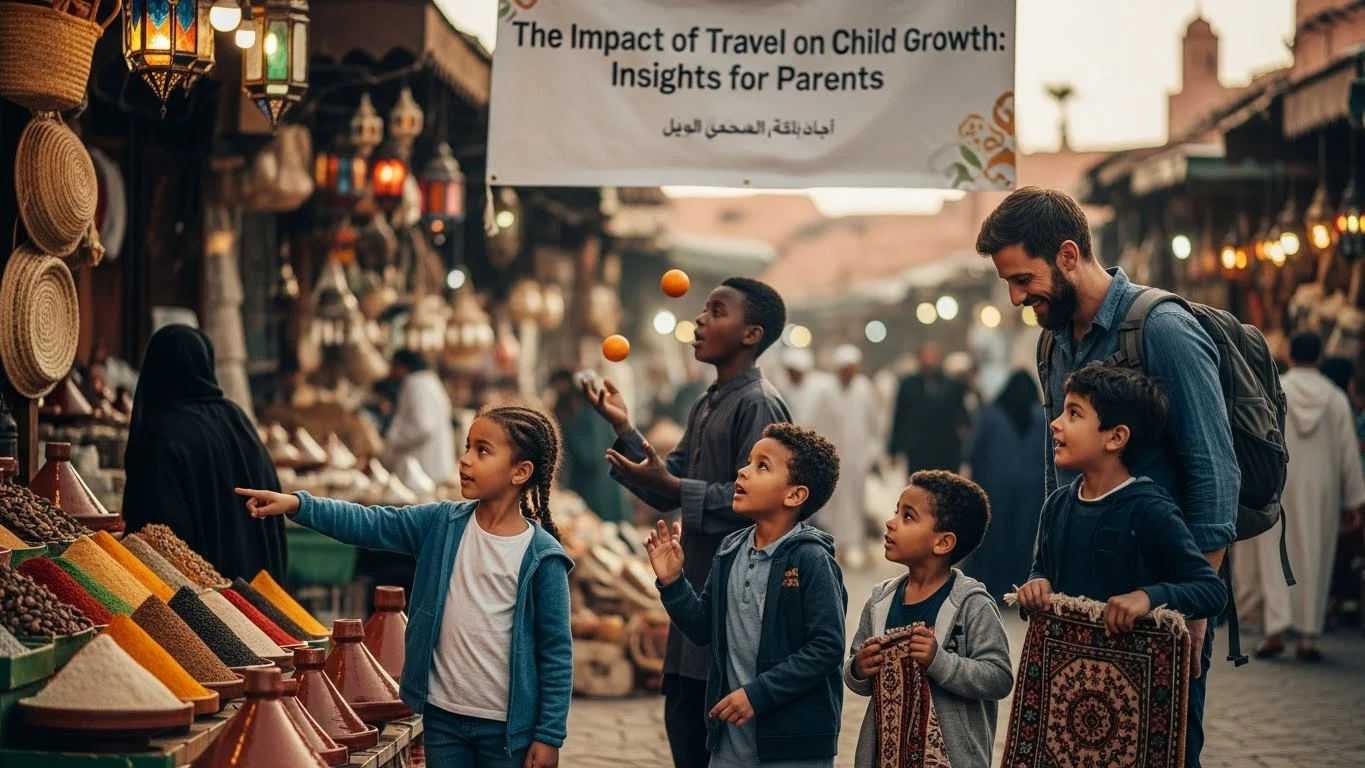
One of the most enriching parts of traveling with children is the exposure to new cultures and perspectives. I remember our trip to Mexico when my kids were little. They were wide-eyed as they explored bustling markets filled with vibrant colors and sounds. It was amazing to see their reactions to the street performers and the delicious aromas wafting through the air. I realized then that travel isn’t just about seeing new sights; it’s about immersing ourselves in different ways of life.
These experiences teach children to appreciate diversity and develop a broader worldview. They learn that people live differently based on their cultures, and this knowledge fosters empathy. I often noticed my children asking questions about why things were done differently in Mexico compared to home. It allowed us to engage in meaningful conversations about respect and understanding for various lifestyles, beliefs, and traditions. These discussions opened their minds and hearts, enriching their understanding of the world around them.
Enhancing Cognitive Skills Through Exploration
Traveling is an adventure filled with opportunities that challenge and improve cognitive skills. I’ve seen my kids grow curious and engaged when exploring. For example, we visited a science museum, and they couldn’t get enough of the interactive exhibits. Each station was like a mini-adventure that encouraged them to think critically and solve problems. I watched them experiment with different tasks, from building structures to understanding simple machines, and it was clear how much they were learning while having fun.
Exploration also enhances memory and attention span. I remember during one trip, we took a guided nature walk. The guide taught us about local flora and fauna, and my kids were fascinated. They absorbed the information like sponges and later recalled facts about the animals we saw. I was thrilled to witness how much they remembered and how excited they were to share their newfound knowledge. This kind of experiential learning is something I believe traditional classrooms can’t always replicate.
Building Emotional Resilience and Adaptability
Traveling teaches children to adapt to new environments, which is crucial for emotional growth. I’ve encountered situations where our plans changed unexpectedly, like when a sudden rainstorm forced us to alter our outdoor activities. Initially, my kids were disappointed, but I saw an opportunity to teach them about flexibility and resilience. We ended up visiting a local indoor attraction instead, and they had a blast! It was amazing to see them bounce back from disappointment and embrace the new experience.
These moments of adaptation are critical for building emotional resilience. I believe that when children face challenges while traveling, they learn to problem-solve and cope with change. Whether it’s dealing with a missed flight or adapting to a different food culture, these experiences prepare them for life’s unpredictability. I’ve seen my kids develop a sense of confidence that they can handle whatever comes their way, and that’s a valuable lesson that extends beyond travel.
Travel Destinations That Foster Growth
National Parks and Nature Expeditions
National parks are some of my favorite destinations for travel with children. They provide a fantastic backdrop for physical activity and exploration. I remember taking my kids to Yellowstone National Park, where they hiked trails and marveled at geysers. The beauty of nature captivated them, and I could see them developing a sense of responsibility for the environment as we learned about conservation. I believe that being surrounded by nature instills a deep appreciation for the planet.
Nature expeditions also encourage teamwork and communication. When we tackled hiking trails together, we had to work as a unit, supporting each other along the way. Those shared experiences fostered memories and strengthened our family bond. I often think back to that trip and the sense of accomplishment we all felt when we reached the summit of a challenging trail. It was a reminder of how travel can encourage growth and connection among family members.
Cultural Cities and Historical Sites
Cultural cities and historical sites are treasure troves for education and exploration. When we visited Washington D.C., I was amazed by how my children absorbed the history around them. Standing in front of the Lincoln Memorial, they could feel the weight of history while learning about significant events. I encouraged them to ask questions, and it sparked discussions about civil rights and the importance of democracy. These moments provided context to their education that books alone could never convey.
Exploring these cities also allows children to engage with local customs and traditions, further enhancing their understanding of the world. I remember trying regional foods and attending local festivals, which helped my kids appreciate the richness of different cultures. These experiences encouraged them to be curious and open-minded, fostering a lifelong love for learning.
Adventure and Outdoor Activities
Adventure activities are another fantastic way to promote growth in children. Whether it’s zip-lining, rock climbing, or kayaking, these experiences can build confidence and courage. I recall our family trip to an adventure park, where my kids faced their fears while navigating obstacle courses high in the trees. Watching them conquer their apprehensions was incredibly rewarding. It’s moments like these that teach kids about bravery and perseverance.
Outdoor activities also enhance physical fitness, which is essential for overall development. I’ve noticed that after a day filled with adventure, my kids sleep like logs and wake up excited for the next day. This active lifestyle is something I strive to maintain, knowing how beneficial it is for their growth. I believe that these experiences instill a sense of adventure that they carry into their daily lives, encouraging them to try new things long after our travels are over.
Benefits of Traveling for Children
Improved Communication Skills
One of the most noticeable benefits of traveling with my children has been the improvement in their communication skills. I remember when we took a trip to Italy, where my kids were eager to practice the few Italian phrases they had learned. It was heartwarming to see their faces light up when they successfully ordered their own gelato or greeted locals with a friendly “ciao!” This hands-on experience helped them gain confidence in speaking with others and expressing their needs.
Traveling exposes children to different languages and dialects, which can enhance their verbal abilities. I’ve seen my kids pick up new words and phrases simply by being immersed in a different linguistic environment. They learn that language is not just about words but also about tone, body language, and cultural nuances. Each time they interact with someone new, they practice listening and responding, which hones their communication skills in a fun and engaging way.
Increased Curiosity and Creativity
Traveling sparks a sense of curiosity that I find incredibly valuable. My children are naturally inquisitive, but exploring new places makes their interest in the world around them explode. I vividly remember our visit to a small village in Greece. The colorful streets, unique architecture, and local crafts captured their imaginations. They began to ask questions about how things are made, why the buildings are painted in those colors, and what stories the locals might have to tell.
This curiosity often leads to creative thinking. I’ve noticed that after our trips, my kids want to recreate their experiences through art or storytelling. Whether they’re drawing pictures of the landscapes we saw or writing their own travel diaries, these creative outlets allow them to process and express what they’ve experienced. I believe that fostering this kind of creativity through travel can lead to a lifelong love of learning and exploration.
Strengthening Family Bonds
Traveling as a family has a magical way of strengthening our bonds. I cherish the moments we share, from planning our trips together to experiencing new adventures. Each journey brings us closer, as we navigate challenges and celebrate achievements as a team. I remember one trip to a beach resort where we tried snorkeling for the first time. It was hilarious watching my kids struggle to put on their masks and fins, but it became a shared experience that we still laugh about today.
During our travels, we often have uninterrupted time together, free from the distractions of daily life. These moments allow us to connect on a deeper level, whether we’re sharing stories around a campfire or reminiscing about a funny mishap from our travels. I think these shared experiences create a treasure trove of memories that we can look back on fondly as a family. It’s not just about the destination; it’s about the journey and the relationships we build along the way.
Planning Travel with Children: Key Considerations
Choosing Age-Appropriate Destinations
When it comes to planning trips, choosing age-appropriate destinations is crucial. I’ve learned that some places are just more suited for younger travelers than others. For instance, when my kids were toddlers, we opted for more relaxed destinations with family-friendly activities. A trip to a theme park with easy rides and plenty of play areas made for a stress-free experience. Now that they’re older, we’ve ventured to places with more adventurous activities, such as hiking trips or historical sites.
It’s essential to consider the interests and energy levels of your children. We’ve found that striking the right balance between education and fun makes the travel experience enjoyable for everyone. Before each trip, I ask my kids what they’d like to see and do. This input helps us tailor our itinerary to include activities that spark their interest, ensuring they stay engaged throughout the journey.
Travel Safety Tips for Families
Safety is always a top priority when traveling with kids. I’ve learned a few tips along the way that have kept our adventures enjoyable and stress-free. Firstly, I make sure to keep a first-aid kit handy, just in case of minor injuries or illnesses. Having essential medications and supplies readily available gives me peace of mind.
I also emphasize the importance of setting clear meeting points, especially in crowded places. I remember a moment when my son wandered off in an amusement park. Thankfully, we had agreed on a meeting spot, and I was relieved when we reunited quickly. Teaching my kids to stay close and communicate effectively helps ensure their safety while allowing them some independence.
Packing Essentials for Child Comfort
Packing for travel can sometimes feel overwhelming, especially when it comes to ensuring our kids are comfortable. I’ve learned to pack wisely by including items that cater to their needs. For long flights or car rides, I always bring snacks, entertainment (like books or tablets), and a familiar blanket or stuffed animal. These items can make a significant difference in helping them feel secure and relaxed during travel.
Layering clothing is another packing strategy I swear by. Weather can be unpredictable, so I like to dress my kids in layers to keep them comfortable in varying temperatures. Additionally, I involve them in the packing process, allowing them to choose a few personal items to bring along. It gives them a sense of ownership over the journey and keeps them excited about the trip ahead.
Frequently Asked Questions
How does traveling with children impact their physical growth?
Traveling enhances physical growth milestones by providing opportunities for children to engage in physical activities, such as running, climbing, and exploring nature. These experiences help develop their gross motor skills and build confidence in trying new activities.
In what ways does travel contribute to cognitive development in children?
Travel stimulates cognitive development by igniting curiosity and encouraging problem-solving. Children encounter new environments and cultures, which prompt them to ask questions and think critically, enhancing their overall cognitive abilities.
How can traveling help children develop emotional resilience?
Traveling exposes children to new and sometimes challenging situations, teaching them to adapt and cope with change. Facing these challenges helps build their emotional resilience and confidence in handling life’s unpredictability.
What role does travel play in enhancing children’s social skills?
Travel provides unique opportunities for children to interact with diverse people and cultures, fostering empathy and understanding. These interactions help develop their social skills, enabling them to communicate effectively and build strong relationships.
How can exposure to new cultures during travel benefit children?
Exposure to new cultures helps children appreciate diversity and develop a broader worldview. Engaging in discussions about different lifestyles fosters respect and understanding, enriching their comprehension of the world around them.
What benefits do children gain from adventure and outdoor activities while traveling?
Adventure and outdoor activities promote physical fitness, build confidence, and teach bravery. Engaging in these experiences encourages children to face their fears and helps instill a sense of adventure that they carry into their daily lives.
How does traveling improve children’s communication skills?
Traveling exposes children to different languages and dialects, enhancing their verbal abilities. Interacting with locals allows them to practice speaking and listening, which hones their communication skills in engaging and practical ways.
What are some key considerations when planning travel with children?
When planning travel, it’s important to choose age-appropriate destinations that match the interests and energy levels of children. Involving them in the planning process helps tailor the experience to include activities they will enjoy.
What safety tips should families keep in mind while traveling with children?
Families should prioritize safety by keeping a first-aid kit handy, setting clear meeting points in crowded areas, and teaching kids to stay close and communicate effectively. These strategies help ensure children’s safety while allowing them some independence.
What packing essentials should be considered for child comfort during travel?
When packing for travel, it’s essential to include snacks, entertainment, and familiar items like blankets or stuffed animals to help children feel secure. Layering clothing is also advisable to accommodate varying temperatures during the trip.