
Traveling with toddlers can be a transformative experience, not just for them but for us as parents too. The joy of discovering new places together opens up a world of emotions and development.
Understanding Emotional Development in Toddlers
As a parent, watching my toddler grow is a journey filled with curiosity, joy, and sometimes confusion. Emotional development during these early years is crucial. It’s like watching a flower bloom; every little experience shapes who they are becoming. I’ve learned that understanding this development helps us create supportive environments for our little ones. Unlocking Emotional Development: The Power of Play in Toddlers provides great insights into fostering this growth.
Stages of Emotional Development
Toddlers go through various stages of emotional development that can be both fascinating and challenging. From around 18 months, they start developing a sense of self. This is when I first noticed my child expressing preferences and dislikes, which was both exciting and a little intimidating. Around this time, they begin to experience basic emotions like joy, anger, and fear. They might throw a tantrum when they can’t get their favorite toy, or they might beam with pride when they complete a puzzle. These emotional outbursts show how they are learning to navigate their feelings.
As they approach the age of three, they start to understand more complex emotions like embarrassment or pride. I remember feeling a rush of pride when my toddler shared a toy with a friend, showcasing early empathy. This is also when they begin to recognize emotions in others, which is crucial for their social interactions.
Importance of Emotional Regulation
Emotional regulation is another key aspect of a toddler’s emotional development. This isn’t just about controlling their feelings; it’s about learning to express them in appropriate ways. I’ve seen my child go from crying uncontrollably to using words to express frustration. It’s a beautiful yet challenging process. Through travel, I’ve found that new experiences can help enhance this skill. Boosting Your Toddler’s Emotional Skills Through Travel offers valuable strategies for parents to consider.
When we traveled to a bustling city, my toddler was overwhelmed at first. But as we explored, I noticed them learning to take deep breaths and express their feelings verbally rather than just with tears. This experience taught them that it’s okay to feel overwhelmed and that there are ways to cope. I believe that these moments are invaluable in teaching emotional regulation.
Role of Attachment in Early Years
Attachment theory plays a significant role in a toddler’s emotional development. Strong bonds with caregivers provide a sense of security that helps toddlers explore the world around them. I remember how my child would cling to me when we were in a new environment, seeking comfort. It was during our travels that I realized how important my presence was in helping them feel safe. When we visited a new park, I made it a point to be close by, encouraging them to explore while ensuring they knew I was there for support.
This secure attachment allows toddlers to venture out, knowing they have a safe base to return to. Travel can strengthen these bonds as we share experiences together. The laughter we shared while trying new foods or the quiet moments watching a sunset helped us connect on a deeper level. I think these shared experiences create memories that build a strong emotional foundation for my child.
Furthermore, I’ve noticed that our travel adventures have made my toddler more confident. Each new environment serves as a little challenge, and overcoming those challenges together reinforces our bond. Whether it’s navigating through an airport or exploring a new beach, these experiences have enriched our relationship and enhanced their emotional development.
Understanding how emotional development unfolds in toddlers is essential for us as parents. By recognizing the stages, the importance of emotional regulation, and the role of attachment, we can foster emotional growth in our children. Travel, with its unique opportunities for exploration and learning, becomes a vital tool in this journey. It opens doors for new experiences, helping our toddlers not just to grow, but to thrive emotionally. How Travel Shapes Your Toddler’s Emotional Intelligence discusses these themes in depth.
The Benefits of Travel for Toddlers
Traveling with toddlers is not just about visiting new places; it brings a wealth of benefits that contribute significantly to their emotional and overall development. As I reflect on our journeys, I can see how each trip has enriched my child’s life in unique ways. Let’s dive into some of these benefits that I’ve personally observed.
Exposure to New Environments
One of the most exciting aspects of traveling with toddlers is exposing them to new environments. Every destination offers a fresh perspective, from bustling cities to serene beaches. I remember our trip to a mountain village, where my toddler was mesmerized by the towering peaks and the lush greenery around us. This exposure helps them understand the world beyond their familiar surroundings.
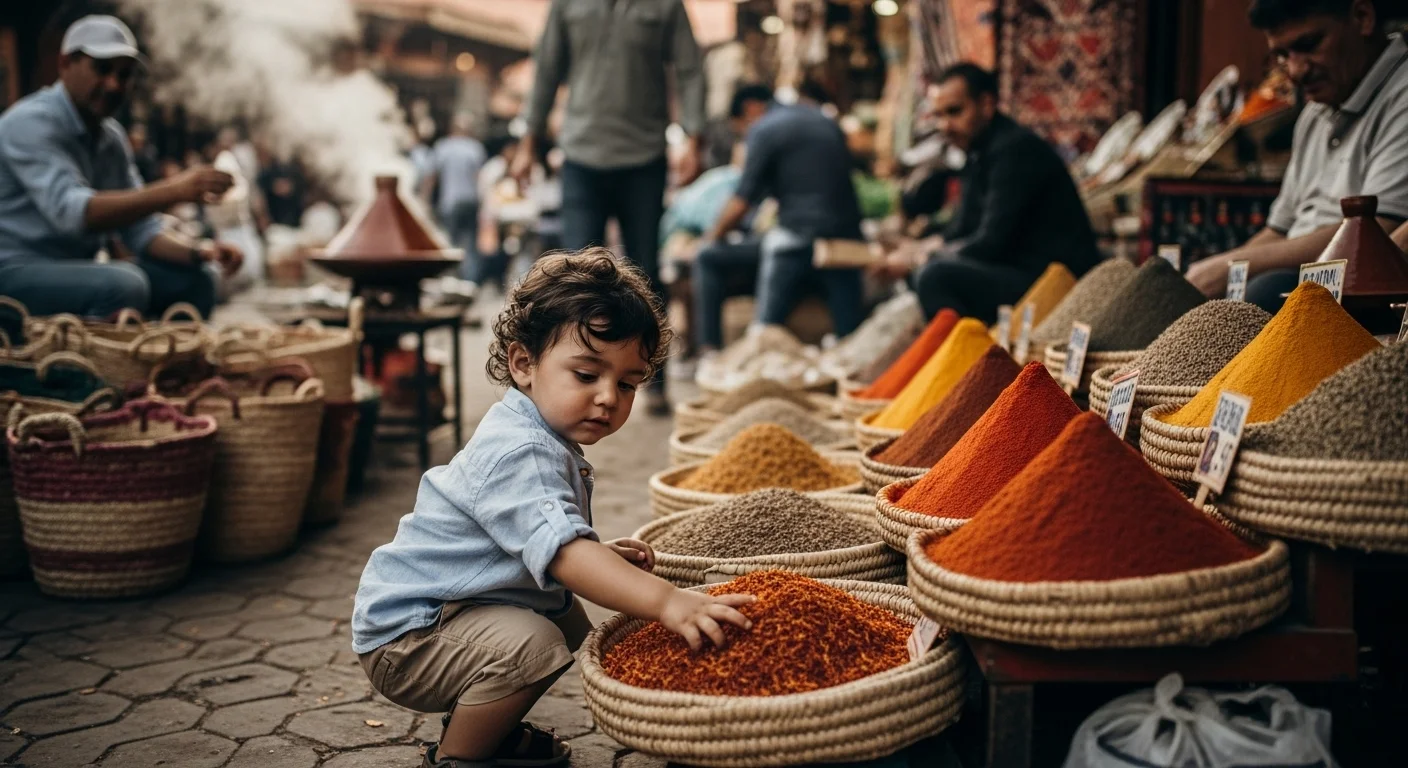
Seeing my child engage with different landscapes, sounds, and cultures has been a remarkable experience. For instance, during our visits to museums or local markets, I noticed how my toddler was eager to touch and explore everything. This tactile interaction encouraged curiosity and sparked endless questions about the world. By stepping out of their comfort zone, they learn to adapt to new situations, which is an essential skill as they grow.
Social Interaction Opportunities
Travel comes with countless chances for social interactions, which are crucial for emotional development. Whether it’s meeting other families at a playground or chatting with locals, these experiences provide toddlers with opportunities to practice their social skills. I remember a moment when my child shared toys with another kid at a park while we were on vacation. It was heartwarming to see my little one navigating social dynamics, learning to share and take turns.
These interactions help toddlers build friendships and enhance their emotional skills. They learn to read social cues, understand different perspectives, and express their feelings in a social context. It’s fascinating to see my child develop these skills naturally while having fun. I believe these experiences lay the groundwork for their future relationships.
Development of Adaptability
In my experience, travel teaches toddlers to be adaptable. With every new experience, they learn to adjust to changes in routine, environment, and even food. I noticed this firsthand when we traveled internationally. The long flight, different time zones, and unfamiliar foods could have been overwhelming, but my toddler handled it surprisingly well. I think this adaptability comes from the excitement of new adventures and the support they receive from us as parents.
Travel pushes toddlers to face new challenges, whether it’s figuring out how to communicate with someone who speaks a different language or adjusting to a new sleeping arrangement. Each situation builds resilience and helps them understand that it’s okay to step outside their comfort zone. I’ve found that these experiences have made my child more flexible and open-minded.
Enhanced Communication Skills
As we travel, I’ve seen my toddler’s communication skills flourish. Being in new environments often means encountering new vocabulary, phrases, and even languages. I remember visiting a local market where we tried to communicate with vendors. My child observed me asking questions and engaging with others, and I could see their little mind working to mimic those interactions.
Through these experiences, my toddler has picked up new words and begun to express themselves more clearly. Travel encourages them to ask questions, share their thoughts, and even express their feelings. I feel that this enhanced communication is vital for their emotional development. It empowers them to voice their needs and desires, which is something I actively encourage.
Overall, the benefits of travel for toddlers are undeniable. Exposure to new environments, opportunities for social interaction, the development of adaptability, and enhanced communication skills all contribute to their emotional growth. Reflecting on our family adventures, I can’t help but feel grateful for the experiences we’ve shared. They not only shape my child’s development but also deepen our connection as a family.
How Travel Influences Emotional Skills
Building Resilience Through New Experiences
One of the most profound effects I’ve noticed travel has on my toddler is the development of resilience. Each trip we take seems to present unique challenges that push them to adapt and grow. I recall a particular journey where we encountered unexpected weather changes. Our sunny beach day turned into a rainy afternoon, and I could see my little one’s disappointment. Instead of sulking, we decided to explore indoor activities, and I was amazed at how quickly they bounced back. This shift taught my toddler that not everything goes as planned, and that’s perfectly okay.
Resilience is crucial for emotional development, and through travel, my child learns to cope with disappointment and embrace new situations. I feel that each new challenge, whether it’s a long journey or a change in plans, helps them build confidence. They learn that they are capable of handling whatever comes their way. It’s a reminder for me as well, to support them through these experiences while encouraging them to find solutions.
Understanding and Expressing Emotions
Travel has also opened up avenues for my toddler to better understand and express their emotions. Being in different settings allows them to experience a range of feelings, from excitement to frustration. I often see how watching different cultures and lifestyles helps them relate to their own feelings. For example, during one of our trips, we visited a festival where we saw people expressing joy through dance and music. My toddler was captivated, and it was delightful to watch them process that joy and even try to express it through their own movements.
Encounters like these help them identify emotions not just in themselves but in others as well. I’ve noticed that they are becoming more aware of how to articulate their feelings. Instead of just saying they’re “mad” when something doesn’t go their way, they’ve started to say things like, “I feel sad because I wanted to play.” It’s heartening to see this growth, and I truly believe that travel plays a significant role in expanding their emotional vocabulary.
Fostering Empathy and Social Awareness
Empathy is a crucial emotional skill, and I’ve found that our travel experiences foster this in my toddler. Being exposed to different cultures and ways of life naturally promotes a sense of understanding and compassion for others. On a trip to a local market, my child noticed a vendor who seemed to be struggling to communicate with a customer. I watched as they approached the vendor with curiosity and offered a gentle smile, which was so heartwarming. It showed me they were starting to recognize that everyone has their own stories and struggles.
These moments are teaching my toddler that people are unique and that kindness goes a long way. I’ve made it a point to engage in conversations about our interactions during our travels, asking questions like, “How do you think that person felt?” or “What can we do to help?” This encourages them to think beyond themselves and understand the emotions of others, thus nurturing their empathy.
Types of Travel Suitable for Toddlers
Family Road Trips
Family road trips have become a favorite for us. They’re manageable, and I find that they offer a perfect balance of adventure and comfort for my toddler. Packing the car with snacks, games, and favorite toys makes the journey enjoyable. I love how the open road becomes our classroom. We play games, sing songs, and share stories as we travel from one destination to another. These shared moments are not only fun; they encourage bonding and create lasting memories.
On one of our road trips, we visited several state parks. My toddler was able to explore nature’s wonders, from hiking trails to picnicking in the great outdoors. Each stop was like a mini-adventure, allowing them to experience different environments and discover their love for nature. I believe these trips help instill a sense of adventure and curiosity that is vital for emotional growth.
International Travel
International travel can be a thrilling experience for toddlers, although it does require a bit more planning. I remember when we traveled to another country; the excitement in my toddler’s eyes was infectious. They were eager to try new foods, hear different languages, and see how other children play. While it can be challenging with time zones and different cultural norms, these experiences broaden their horizons. Exposure to diverse cultures helps them appreciate diversity and understand that there are many ways to live and express oneself.
Cultural Immersion Experiences
Cultural immersion experiences can be a fantastic way for toddlers to connect with the world. I’ve found that participating in local festivals or community events can enrich our travels. For instance, we attended a traditional dance performance in a new city, and it captivated my toddler. They were enthralled by the colors, movements, and music. This kind of immersion allows them to engage actively with the culture, making the experience memorable and meaningful.
These types of travel not only enhance their understanding of the world but also create a deeper emotional connection to the places we visit. I believe that every trip, whether near or far, contributes to their emotional development in ways that are both profound and lasting.
Travel Activities That Promote Emotional Development
Engaging in Local Cultural Events
One of the most enriching activities we’ve experienced while traveling is participating in local cultural events. Whether it’s a music festival, a parade, or a community fair, these events are brimming with excitement and opportunities for learning. I remember attending a traditional harvest festival during one of our road trips. The vibrant colors, lively music, and joyous atmosphere captivated my toddler’s attention. They were immediately drawn to the different activities, from making crafts to tasting local delicacies.
Engaging in these events fosters not just excitement but also a sense of belonging and connection to the world around them. I noticed my child becoming more curious and eager to try new things, which is essential for emotional growth. These experiences also provide a platform for them to observe social interactions, helping them learn about sharing, kindness, and community spirit. I believe these moments create lasting impressions that shape their understanding of culture and diversity.
Participating in Playgroups and Social Settings
When we travel, I make it a point to seek out playgroups or activities geared toward toddlers. These gatherings can be incredibly beneficial for socializing. During one trip, we visited a local park where other families gathered for a playdate. I was amazed at how quickly my toddler made new friends, running around and sharing toys with other kids. It highlighted how natural social interactions can be when children are given the right environment.
These playgroups provide an excellent opportunity for toddlers to practice their social skills in a relaxed setting. I’ve seen my child learn to navigate sharing, taking turns, and expressing their feelings verbally. They become more confident as they interact with peers, which is vital for their emotional development. I love how these experiences not only help my toddler grow socially but also foster a sense of community and togetherness.
Nature Exploration and Outdoor Activities
Exploring nature has been one of the most rewarding activities for my toddler while traveling. I’ve found that spending time outdoors, whether it’s hiking in the woods or playing on the beach, promotes emotional well-being. Nature has an incredible way of calming the mind and fostering joy. I remember hiking up a scenic trail with my child; the excitement in their eyes as they discovered different plants and animals was priceless.
These outdoor experiences help toddlers understand their emotions better. Being in nature encourages them to express themselves freely, whether they’re excited about spotting a bird or feeling a bit scared of a steep hill. I noticed that after our nature explorations, my child seemed more relaxed and content. It’s like a reset button for their emotions. Overall, I believe that connecting with nature provides a unique opportunity for emotional growth and development.
Safety and Comfort Considerations During Travel
Choosing Toddler-Friendly Destinations
When planning our trips, I always prioritize toddler-friendly destinations. It’s essential to find places that are accommodating to young children, ensuring their comfort and safety. I usually look for family-oriented attractions, parks, and accommodations that cater to families. For instance, during our beach vacation, we chose a resort that offered a kids’ club with activities tailored just for toddlers. This not only provided my child with a safe environment to play but also gave me a bit of relaxation time.
Choosing the right destination can make all the difference in our travel experience. It’s important to consider factors like accessibility, nearby amenities, and safety measures. When we feel comfortable and secure, our toddlers are more likely to enjoy the journey, leading to a positive emotional experience.
Essential Packing for Emotional Security
Packing items that provide emotional security for my toddler is another priority for me. I always bring along their favorite toys, blankets, or comfort items. These familiar objects help them feel safe in new environments. I recall during our last trip, my child’s love for their stuffed animal became a source of comfort during a long flight. Whenever they felt uneasy or tired, snuggling with their toy helped them settle down.
Additionally, having familiar snacks and activities on hand can ease anxiety. I make sure to pack a small bag with their favorite snacks, coloring books, and small games. This preparation goes a long way in smoothing out potential bumps in the journey, which is vital for their emotional stability.
Managing Travel Anxiety in Toddlers
Travel can sometimes induce anxiety in toddlers, especially in unfamiliar settings. I’ve learned the importance of preparing my child for what to expect during our travels. Before our trips, I talk to them about the places we will visit, showing them pictures and sharing exciting details. This helps build anticipation and can alleviate fear of the unknown.
On one trip, my toddler seemed anxious about boarding the plane. I took the time to explain the process step-by-step, even role-playing a bit at home. During the flight, I made sure to keep them engaged with activities and reassure them. It’s comforting for them to know that I’m there, and I feel that this reassurance significantly helps them cope with any anxiety. As parents, being attentive to these feelings and offering support is vital for our toddlers’ emotional growth.
Parental Involvement: Supporting Emotional Growth
Encouraging Open Communication
As I’ve navigated travel with my toddler, I’ve come to realize the importance of open communication. Encouraging my child to express their feelings about our travels has been incredibly beneficial. I often ask questions like how they felt about a new place or what they enjoyed the most. This dialogue not only helps them articulate their emotions but also fosters a deeper connection between us.
By validating their feelings, whether it’s excitement or nervousness, I help my toddler understand that all emotions are okay. This openness nurtures their emotional intelligence and strengthens our bond. I believe that when children feel heard, they are more likely to navigate their feelings successfully.
Modeling Emotional Responses
I’ve learned that children often mirror the emotional responses of their parents. I make a conscious effort to model healthy emotional expressions. For instance, when faced with a travel hiccup, I try to stay calm and discuss the situation with a positive outlook. I’ve noticed that my child tends to follow my lead; when I handle stress with grace, they’re likely to do the same. This modeling helps them learn how to express emotions in constructive ways, which is invaluable for their development.
Creating Positive Travel Memories
Creating positive memories during our travels is something I cherish. I often capture moments through photos, but I also focus on the experiences we share. Whether it’s a silly dance in a new city or a quiet moment watching the sunset, I aim to make each trip special. These memories become part of our family story, reinforcing a sense of belonging and happiness for my toddler.
In my opinion, the more joyous experiences we create together, the stronger their emotional foundation will be. I believe that as we venture through different places, we are not just building our family’s memories but also fostering emotional resilience in my child that will last a lifetime.
Research and Expert Opinions on Travel and Emotional Development
Studies on Travel Impacting Emotional Growth
Research has shown that travel can have significant impacts on emotional development during early childhood. Various studies suggest that children who travel are often more adaptable and open-minded. These findings resonate with my experiences and observations as a parent. I believe that travel exposes toddlers to diverse social environments, which aids in developing emotional intelligence and resilience.
Expert Insights from Child Psychologists
Child psychologists emphasize the importance of experiences outside the home environment for emotional growth. They note that travel provides unique opportunities for children to interact with new people and cultures, which enhances their social skills. I’ve found this to be true in my travels, as each journey seems to bring new lessons and growth opportunities for my toddler.
Parent Testimonials and Experiences
Many parents have shared their insights on the benefits of travel for emotional development. I often read testimonials that reflect similar experiences to mine, emphasizing how travel has helped their children become more confident and empathetic. It’s reassuring to know that I’m not alone in this journey and that others appreciate the profound effects travel can have on our little ones.
Final Thoughts
Reflecting on our travel experiences, I truly believe that traveling with toddlers is more than just a fun adventure; it is a crucial component of their emotional development. Each trip offers opportunities for learning, growth, and bonding that have lasting impacts. Watching my child navigate new environments, build friendships, and express their feelings has been a joy. I feel grateful for the memories we’ve created and the lessons learned along the way. As I continue this journey, I know that travel will remain a vital part of our family’s emotional growth, shaping not only my child’s character but also strengthening our connection as a family.
Frequently Asked Questions
What is the importance of emotional development in toddlers?
Emotional development in toddlers is crucial as it shapes their identity and helps them navigate their feelings. Understanding this development allows parents to create supportive environments for their children, fostering curiosity and emotional growth.
What stages of emotional development do toddlers go through?
Toddlers go through various stages of emotional development, starting around 18 months when they develop a sense of self. They begin to express basic emotions like joy and anger and progress to understanding more complex emotions like pride and embarrassment as they approach three years old.
How does travel enhance emotional regulation in toddlers?
Travel provides new experiences that help toddlers learn to express their emotions appropriately. For instance, being in overwhelming situations can teach them to take deep breaths and articulate their feelings rather than resorting to tears.
What role does attachment play in a toddler’s emotional development?
Attachment theory highlights that strong bonds with caregivers provide toddlers with a sense of security, allowing them to explore their surroundings. This secure attachment fosters confidence and emotional growth, especially during travel experiences.
What are some benefits of traveling with toddlers?
Traveling with toddlers offers numerous benefits, including exposure to new environments, opportunities for social interactions, development of adaptability, and enhanced communication skills. These experiences significantly contribute to their emotional and overall development.
How does travel help build resilience in toddlers?
Travel exposes toddlers to unique challenges that they must adapt to, teaching them to cope with disappointment and embrace new situations. Each challenge helps build their confidence and resilience, showing them that they can handle unexpected changes.
What types of travel are suitable for toddlers?
Suitable types of travel for toddlers include family road trips, international travel, and cultural immersion experiences. Each type offers unique opportunities for exploration and learning that contribute to their emotional development.
How can parents manage travel anxiety in toddlers?
Parents can manage travel anxiety by preparing their toddlers for what to expect during trips. This includes discussing the travel plans in advance, role-playing scenarios, and providing reassurance throughout the journey.
What activities during travel promote emotional development in toddlers?
Engaging in local cultural events, participating in playgroups, and exploring nature are activities that promote emotional development in toddlers. These experiences foster social skills, curiosity, and emotional expression.
How can parents encourage their toddlers’ emotional growth while traveling?
Parents can encourage emotional growth by fostering open communication, modeling healthy emotional responses, and creating positive travel memories. These practices help strengthen the bond between parent and child while nurturing the child’s emotional intelligence.