
Embarking on a budget travel adventure can be exhilarating, but navigating tough conversations along the way is essential for a smooth experience. Let’s dive into how to handle these discussions gracefully and effectively.
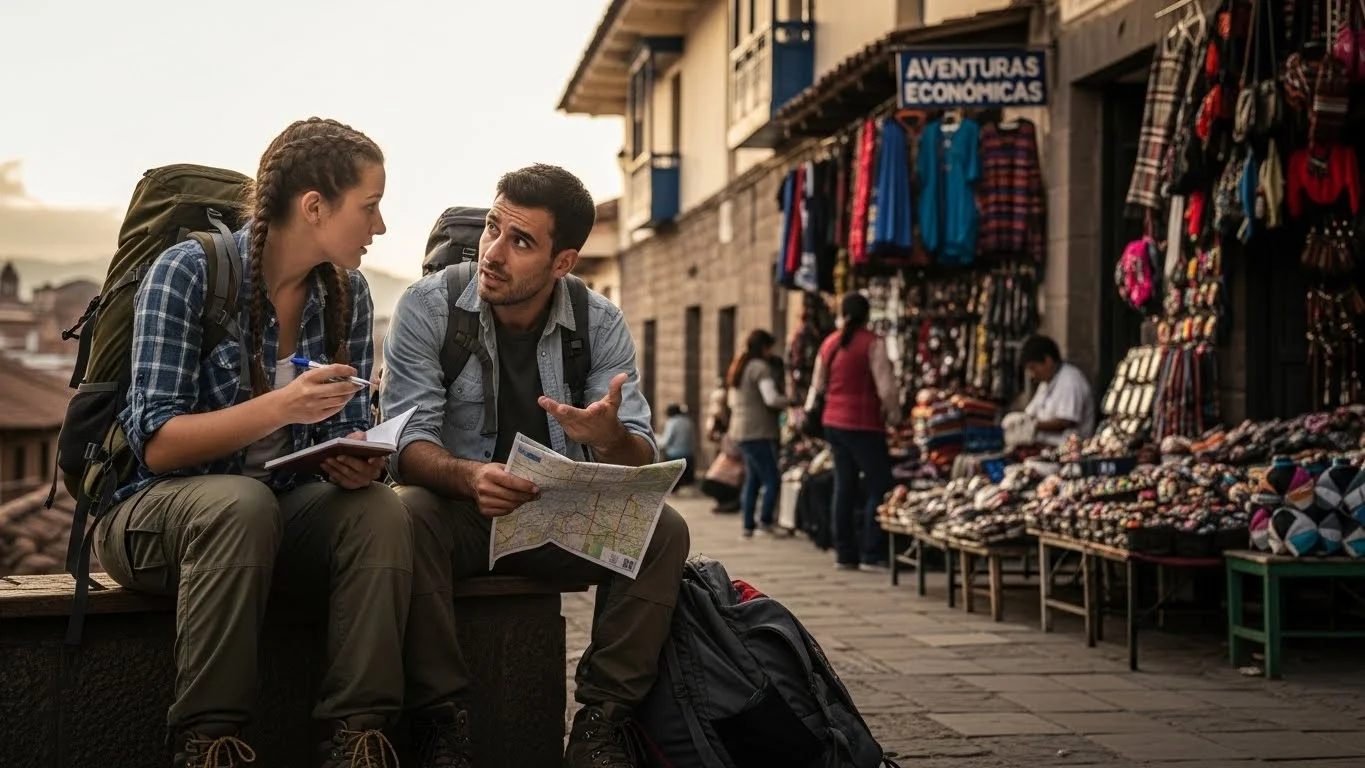
Understanding Tough Conversations on a Budget Travel Adventure
The Importance of Communication in Travel
From my experience, communication is the backbone of any successful travel adventure, especially when you’re sticking to a budget. I remember my first trip with friends, where we thought everything would go smoothly. However, we quickly learned that without clear communication, even the smallest disagreements could turn into major issues. Budget constraints can add stress, so it’s vital to keep everyone on the same page. Open discussions not only help in managing expectations but also build stronger bonds among travel companions. Effective communication is key in all relationships, including those formed during travel.
Common Topics for Tough Talks
When traveling on a budget, several topics can lead to tough conversations. I’ve found that discussing financial contributions, daily spending limits, and potential activities can sometimes feel uncomfortable. It’s natural for everyone to have different priorities and comfort levels when it comes to spending. For instance, I once traveled with a group where some wanted to splurge on gourmet meals while others were happy with street food. These discussions can be tricky, but addressing them early on can save a lot of headaches later.
Preparing for Difficult Discussions
Identifying Key Issues Before the Trip
Before setting off, I’ve learned that it’s crucial to identify key issues that may arise during the trip. Take some time to think about what’s most important to you and what you’re willing to compromise on. For example, are you okay with sharing a room to save costs, or do you prefer privacy? Knowing your own priorities can help guide conversations with others. I usually jot down potential concerns, which helps me articulate my thoughts better when it’s time to discuss them with my travel companions.
Setting Budget Expectations with Travel Companions
Setting clear budget expectations is vital. I recall planning a trip where we all agreed on a spending limit for accommodations, meals, and activities. During our discussions, I appreciated how we took the time to talk through what each person was comfortable contributing. It’s a good idea to establish a group budget that aligns with everyone’s financial situations. This way, no one feels pressured to overspend, and it creates a shared sense of responsibility. I also suggest checking out top digital learning tools that can help streamline the planning process.
Establishing Ground Rules for Communication
To facilitate smoother conversations, I recommend establishing ground rules for communication right from the start. For instance, we decided that everyone would have the chance to express their thoughts without interruption during discussions. This approach made it easier for us to address any concerns without feeling dismissed. I also suggest being honest about feelings and spending. If something bothers you, express it kindly but clearly. Being upfront about issues can prevent resentment from building up during the trip.
Strategies for Handling Budget-Related Conversations
Discussing Financial Constraints Openly
One of the most effective strategies I’ve discovered is to discuss financial constraints openly. It’s easy to feel embarrassed about budget limitations, but I’ve found that honesty fosters understanding. When I traveled with a group that had varying financial situations, we all shared our budgets. This openness transformed our experience, allowing us to plan activities that were enjoyable for everyone without making anyone feel left out. It’s all about creating a safe space for these discussions, where everyone feels valued and heard.
Balancing Wants vs. Needs in Travel Plans
During our trips, balancing wants versus needs often becomes a hot topic. I remember debating whether to splurge on a guided tour versus exploring on our own. We took the time to list out what we really wanted to experience and what we could do without. This process helped us prioritize and make informed decisions. I suggest creating a “must-do” list versus a “nice-to-have” list. This way, everyone can have a say in what’s included in the itinerary while being mindful of the budget.
Finding Compromise Solutions
Finding compromise solutions is key when traveling on a budget. I’ve found that it’s helpful to brainstorm together and come up with alternatives that satisfy everyone’s needs. For instance, if someone is set on a particular restaurant that’s out of budget, we’ve often found similar options nearby that fit our financial plan without sacrificing the experience. I encourage an open-minded approach and remind everyone that the journey is about making memories together, not just sticking to a script.
Managing Expectations and Emotions
How to Stay Calm During Difficult Talks
When it comes to tough conversations about budget during travel, staying calm is crucial. I remember a time when I was discussing costs with friends, and tensions began to rise. I took a moment to breathe and remind myself that we all wanted the same thing: a great trip. I find that approaching discussions with a sense of calm can help prevent misunderstandings from escalating. One technique I’ve used is to set a positive tone by starting the conversation with what I’m excited about for the trip, which helps everyone get on the same wavelength. It’s also important to listen actively, showing that I value others’ opinions, even when we disagree. This approach not only keeps the conversation constructive but also allows us to work through any uncomfortable topics more effectively.
Empathy and Understanding in Conversations
Empathy plays a significant role in navigating tough conversations, especially when it comes to budgeting. I’ve learned that everyone has their own financial concerns and priorities, and acknowledging these differences can foster a more inclusive atmosphere. For example, during one trip, a friend expressed that they were anxious about spending too much because they were saving for a house. This revelation shifted the dynamics of our conversation entirely. Instead of focusing solely on what we wanted to do, we began discussing how we could adjust our plans to accommodate everyone’s financial comfort zones. I believe that showing understanding and being willing to adapt our plans can lead to richer experiences together.
Addressing Conflict and Finding Resolutions
Conflict is inevitable in group travel, especially when money is involved. I remember a situation where two friends had vastly different ideas of how to spend our evening in a new city. One wanted a fancy dinner, while the other preferred a laid-back pub. Tensions were high, and I could feel the frustration brewing. Instead of letting it escalate, I stepped in and suggested we split our evening. We could start with a casual meal at the pub and then see where the night took us. This compromise allowed everyone to feel heard while ensuring we still had a great time. I’ve realized that addressing conflicts head-on, rather than letting them simmer, not only resolves issues faster but also strengthens our bonds as travel companions.
Practical Tips for Specific Budget Scenarios
Traveling with Friends: Dividing Costs Fairly
When traveling with friends, dividing costs fairly can be a tricky subject. I’ve been on trips where we had shared expenses, like accommodations and meals, and it turned into a headache trying to keep track of who paid for what. To ease this burden, I suggest using a shared document or an app where everyone can log expenses in real-time. This way, at the end of the trip, we can settle up without any awkward conversations. I also recommend discussing how we want to handle group activities. For instance, if we plan on going out to a group dinner, it’s helpful to agree on how we’ll split the bill ahead of time, whether it’s evenly or based on what each person ordered. This transparency helps maintain friendships while keeping our budget in check.
Family Trips: Handling Different Financial Situations
Family trips can be especially challenging when it comes to budgeting. I’ve found that different family members may have varying financial situations and comfort levels. During one family vacation, we had a mix of adults and teenagers, each with their own spending habits. To tackle this, I suggested we create a budget that included both group activities and individual options. We’d agree on a certain amount for group meals, while also allowing for personal spending money for each family member. This approach gave everyone the freedom to choose how they wanted to spend their money while ensuring we could still enjoy activities together. I believe that being open about financial situations and finding a middle ground can make family trips more enjoyable for everyone.
Solo Travelers: Budgeting for Personal Needs
As a solo traveler, budgeting can take a different turn. I remember my first solo trip, where I wanted to experience everything but also needed to stick to my budget. I found that creating a daily budget helped me prioritize my spending. I’d allocate specific amounts for meals, activities, and even a little for spontaneous adventures. It’s also essential to plan for unexpected expenses. I usually set aside a small portion of my budget as a cushion for those surprise costs, like an unplanned museum entry or a last-minute tour. This strategy not only keeps my finances in check but also allows me to enjoy my travels without constantly worrying about money. I think keeping a flexible yet structured approach to budgeting has made my solo adventures much more enjoyable.
Using Technology to Aid Communication
Budgeting Apps for Transparent Financial Planning
In today’s digital age, I’ve found that using budgeting apps can really simplify financial discussions during group travel. For instance, apps like Splitwise or TravelMapper have been game-changers for me. They allow everyone in the group to log expenses in real-time, which means we can easily see how much has been spent and what remains in our budget. I remember during one trip when we used Splitwise, everyone felt more at ease knowing that expenses were tracked transparently. It also minimized those awkward moments when someone would ask, “Who owes what?” This way, we could focus on enjoying our trip without constantly worrying about finances. I highly recommend checking out a few options before your trip to see which one fits your group’s needs best.
Group Chat Tools for Real-Time Discussions
Another tech tool I find incredibly useful for managing group travel discussions is group chat applications like WhatsApp or Telegram. These platforms allow us to communicate instantly, whether we’re planning the trip or already on the road. I love that we can share ideas, activities, and even budget concerns in real-time. For example, if someone discovers a fantastic local restaurant, they can quickly share it with the group, and we can make decisions together. This immediacy encourages everyone to participate in conversations, making sure no one feels left out of the planning process. Plus, it keeps the lines of communication open, helping us adjust plans on the fly if needed. I feel that keeping everyone in the loop helps prevent misunderstandings that can lead to tensions down the line.
Post-Conversation Strategies
Follow-Up to Ensure Clarity and Agreement
After having tough conversations, I believe it’s essential to follow up to ensure everyone is on the same page. I’ve learned that taking a moment to recap what was discussed can help clarify any misunderstandings. For example, after we’ve set a budget or made plans, I usually send a quick message summarizing the key points. This could include who’s responsible for what expenses, the agreed-upon daily budget, and any activities everyone is excited about. This practice not only reinforces our agreement but also gives everyone a chance to voice any lingering concerns. I’ve noticed that taking this extra step helps everyone feel more secure and valued, as it shows that their input is taken seriously.
Adjusting Plans Based on Feedback
Flexibility is crucial when traveling on a budget, and I’ve found that being open to adjusting plans based on group feedback can enhance everyone’s experience. After initial discussions, I encourage my travel companions to share their thoughts as we go along. If someone feels overwhelmed by a planned activity or if a budget constraint arises, I think it’s vital to reassess and adapt. For instance, during a recent trip, we planned a day full of activities that some friends felt was too expensive. Rather than pushing through, we took the opportunity to alter our itinerary. We swapped a pricey guided tour for a self-guided exploration, which turned out to be just as enjoyable and saved us money. I believe that being receptive to feedback not only enriches the trip but also fosters a culture of collaboration and respect among travel companions.
Resources for Further Assistance
Books and Articles on Effective Communication
If you’re looking to deepen your understanding of effective communication, I’ve come across some great resources that have helped me immensely. Books like “Crucial Conversations” by Kerry Patterson and “Nonviolent Communication” by Marshall Rosenberg provide insights into navigating difficult discussions with empathy and clarity. I found these books particularly valuable as they offer practical strategies that can be applied in various situations, including travel. Additionally, online articles and blogs about communication skills can provide quick tips and real-life examples that resonate with travelers. I think diving into these resources could really enhance your ability to handle tough conversations more gracefully. For more insights, check out Mastering Communication: Connect Better with Your Kids.
Workshops and Courses on Conflict Resolution
Participating in workshops or courses on conflict resolution can also be a wonderful way to develop your skills. Many community centers and online platforms offer sessions focused on effective communication and conflict management. I attended a workshop once that covered various strategies for de-escalating tense situations and fostering collaboration. It was enlightening and equipped me with tools I still use during my travels. I suggest checking local adult education programs or online learning platforms like Coursera or Udemy for options that fit your schedule. Investing time in learning these skills can pay off, making your travel experiences smoother and more enjoyable.
Final Thoughts
Reflecting on my travel experiences, I’ve come to realize how much effective communication shapes our adventures and strengthens our connections with others. While the thrill of exploring new places is exhilarating, the journey can sometimes be overshadowed by misunderstandings and unspoken concerns, especially when money is involved. For me, the key has always been to embrace openness and empathy, which are vital in navigating the complexities of budget travel.
I find that the more we talk about our financial concerns and set clear expectations, the smoother our trips tend to be. It’s like laying a solid foundation before building a house; without it, the structure might wobble or even collapse under pressure. I usually try to remember that we are all in this together, working towards the same goal of enjoying our time away from home. This mindset has helped me approach conversations with a collaborative spirit rather than a confrontational one. I believe we all want to make the most of our trips, which is something we can rally around.
As we wrap up this exploration of tough conversations in budget travel, I hope you feel empowered to tackle these discussions head-on. Whether you’re traveling with friends, family, or on your own, the strategies we discussed can help you navigate the financial aspect of travel with grace. Learning to communicate effectively about money, priorities, and compromises can transform your travel experience, making it more enjoyable for everyone involved.
Ultimately, travel is about creating memories and sharing experiences. By fostering open dialogue and mutual understanding, we can make those memories even sweeter. I encourage you to take these insights into your next adventure and see how they enrich not only your travels but also your relationships with those you travel with. Remember, every trip is a journey, not just in miles but in understanding and connection. Safe travels!
Frequently Asked Questions
What is the importance of communication in budget travel?
Communication is the backbone of any successful travel adventure, especially on a budget. Clear communication helps manage expectations and build stronger bonds among travel companions, preventing misunderstandings and conflicts.
What common topics lead to tough conversations while traveling on a budget?
Common topics for tough conversations include financial contributions, daily spending limits, and potential activities. Different priorities and comfort levels regarding spending can make these discussions uncomfortable.
How can travelers prepare for difficult discussions before a trip?
Travelers can prepare by identifying key issues that may arise, considering their own priorities and compromises, and jotting down potential concerns to articulate thoughts better during discussions with travel companions.
Why is setting budget expectations important among travel companions?
Setting clear budget expectations is vital to ensure that no one feels pressured to overspend. Establishing a group budget that aligns with everyone’s financial situations fosters a shared sense of responsibility.
What strategies can be used to handle budget-related conversations effectively?
Strategies include discussing financial constraints openly, balancing wants versus needs in travel plans, and finding compromise solutions that satisfy everyone’s needs without sacrificing the experience.
How can travelers manage expectations and emotions during tough budget discussions?
Staying calm during discussions, approaching conversations positively, and actively listening to others’ opinions can help manage expectations and emotions effectively.
What practical tips can help when dividing costs fairly among friends?
Using a shared document or app to log expenses in real-time can ease the burden of tracking costs. Discussing how to handle group activities and splitting bills ahead of time also helps maintain transparency.
How can families address different financial situations when traveling together?
Families can create a budget that includes both group activities and individual options, allowing for personal spending money while agreeing on a certain amount for group meals to ensure everyone can enjoy activities together.
What role does technology play in aiding communication during group travel?
Budgeting apps like Splitwise and group chat tools like WhatsApp help simplify financial discussions and encourage real-time communication, ensuring that everyone stays informed and involved in the planning process.
What should travelers do after having tough conversations about budget and plans?
Travelers should follow up to recap what was discussed, ensuring clarity and agreement. Being open to adjusting plans based on group feedback can also enhance everyone’s experience during the trip.