
Traveling with toddlers can be an adventure filled with joy and challenges. Effective discipline during these trips can make all the difference, ensuring we all have a memorable and enjoyable experience. For more insights, check out Traveling with Toddlers: Smart Discipline Strategies to Use.
Understanding Toddler Discipline
When it comes to toddler discipline, I’ve found that understanding their behavior is key. Toddlers are naturally curious and energetic, which can lead to some challenging moments, especially during travel. My experience has shown that a few foundational principles can help guide us through those tricky moments.
The Importance of Consistency
One of the biggest lessons I learned early on was the importance of consistency in discipline. Toddlers thrive on routine. When we travel, that routine can be disrupted, leading to confusion and frustration. I remember one trip where I thought my toddler would adapt easily to new surroundings. Instead, the lack of familiar routines led to meltdowns. I realized I needed to establish a few consistent rules that applied whether we were at home or on the road. For instance, I made it a point to always enforce the same bedtime rules, even if we were in a hotel room. This helped my child feel secure and understand what was expected.
Setting Clear Expectations
Setting clear expectations has also been a game-changer for us. Before we travel, I take time to discuss the trip with my toddler. I find it helpful to talk about what we will do, where we will go, and the behavior I expect. Simple language works wonders. I often say things like, “We will be on a plane, and we need to use our quiet voices.” This way, my child knows what’s coming and what is expected of them. I even try to create a travel behavior checklist together. It gives them a sense of ownership and responsibility over their actions.
Positive Reinforcement Techniques
Positive reinforcement is another tool I swear by. When my toddler behaves well, I make sure to acknowledge it. I’ve learned that praise goes a long way. For example, if they sit quietly on a flight, I might say, “I’m so proud of you for being such a great traveler!” Sometimes, I even bring along small rewards, like stickers or a favorite snack, to celebrate good behavior. This not only encourages them to behave but also turns discipline into a more positive experience. I’ve found that when we focus on the good, it often outweighs the moments of mischief.
Pre-Travel Preparation
Preparing for a trip is more than just packing bags. It’s about gearing up for a successful travel experience with our little ones. I’ve learned that a little preparation can make a world of difference.
Choosing the Right Destination for Toddlers
When selecting a destination, I always consider my toddler’s needs. Some places are more toddler-friendly than others. For example, I once chose a city full of museums and historical sites, thinking they would be fun. However, I quickly realized that my little one wasn’t interested in long tours and quiet galleries. Instead, I’ve found that destinations with parks, playgrounds, and family-oriented attractions cater better to my child’s energy and curiosity. If possible, I recommend checking out reviews or blogs focused on family travel to find kid-friendly locations. For more ideas on managing travel with toddlers, consider reading Budget Backpacking: Discipline Tips for Toddlers on the Move.
Packing Essentials for Discipline
Packing is another area where I’ve refined my approach over time. I always include a set of “discipline tools” that can help during travel. This could be a favorite book, coloring supplies, or even a small toy that can keep my toddler engaged. I’ve also started bringing along a travel-friendly behavior chart. It’s simple but effective; I can mark off times when my child follows the rules or behaves well. This visual cue helps them understand their progress and encourages them to continue the good behavior.
Discussing Travel Plans with Your Toddler
Before we embark on our journey, I take the time to discuss our travel plans with my child. I like to involve them in the process. We look at maps together, talk about the places we’ll visit, and even read books related to our destination. This not only gets them excited but also helps them feel included in the adventure. I find that building anticipation makes them more cooperative when it comes time to follow the rules during travel.
Travel Tips for Discipline on the Go
Establishing a Routine During Travel
One of the best strategies I’ve found for keeping my toddler calm and happy while traveling is establishing a routine, even when we’re away from home. I know that it can be challenging, especially when we’re visiting new places and doing new things, but I’ve learned that having a general schedule can help both of us feel more at ease. For instance, I try to maintain similar meal and nap times as we would at home. I remember one trip where we kept a consistent nap time, even if it meant finding a quiet corner in a park. This small routine made a huge difference; it allowed my child to recharge and be ready for more adventures in the afternoon.
Using Travel-Friendly Discipline Tools
Traveling with toddlers means being prepared for anything, and I’ve found that having a few travel-friendly discipline tools can really help. I always pack items like a small whiteboard and markers or an activity book. These tools can serve dual purposes: they keep my toddler engaged and allow us to practice our rules and expectations. I once made a simple game out of our travel behavior chart using a small clipboard and stickers. Every time my child followed the rules, they earned a sticker. It turned discipline into a fun activity rather than a chore, and I could see the pride on their face when they filled up the chart.
Incorporating Playtime and Downtime
From my experience, striking the right balance between playtime and downtime is essential when traveling with toddlers. I learned the hard way that over-scheduling our travel days often led to tantrums. Now, I always make sure to include playtime in our itinerary. Visiting parks, playgrounds, or even a hotel pool can provide the physical activity toddlers need to burn off some of their endless energy. I also prioritize downtime, where we can simply relax and recharge. Whether it’s just lounging in our hotel room or taking a slower stroll through a park, these moments give my toddler a chance to unwind and help us avoid the dreaded meltdown.
Managing Behavior in Different Travel Scenarios
At Airports and Train Stations
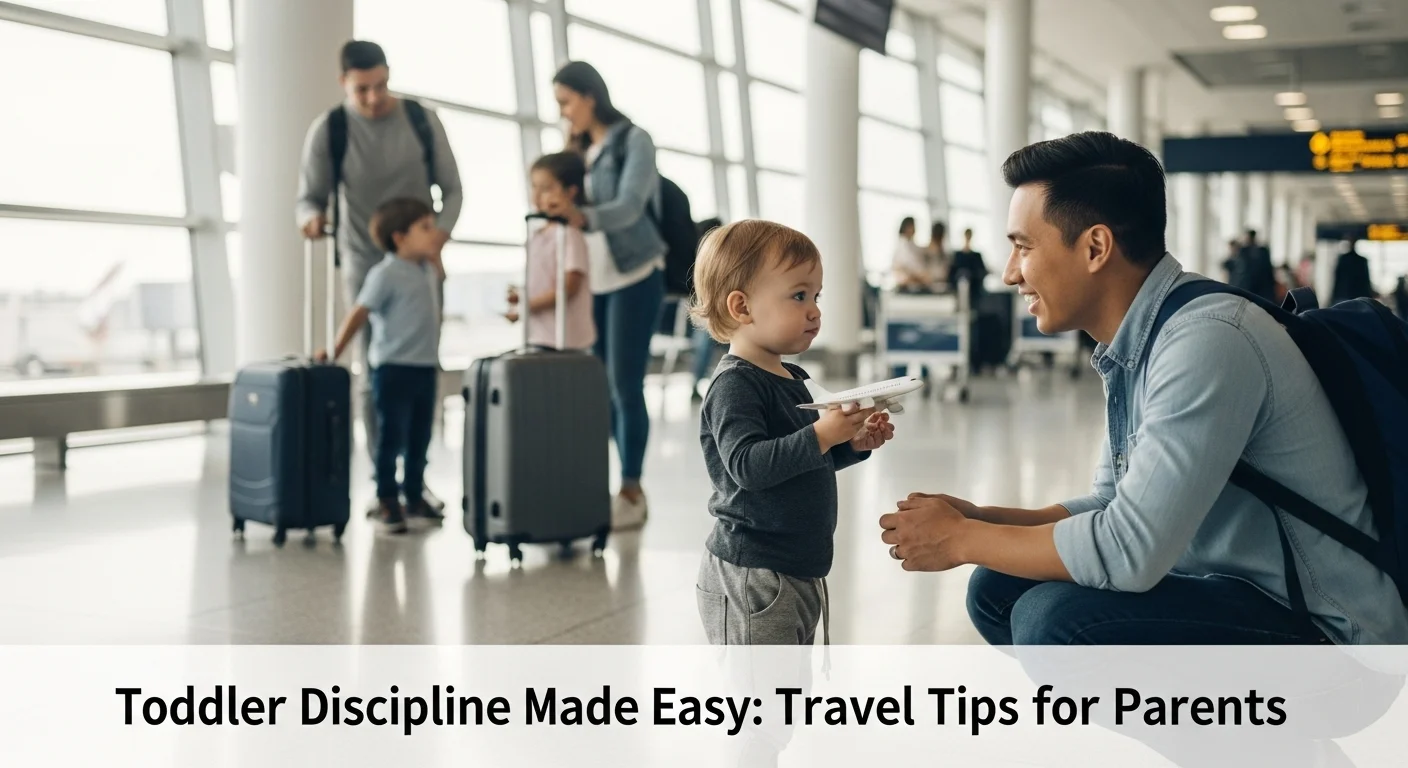
Traveling through airports or train stations can be particularly overwhelming for little ones. I’ve found that the hustle and bustle can easily lead to overstimulation, which can trigger misbehavior. What works for us is to discuss what to expect before we arrive. I explain that there will be waiting times and that we need to stay close. To make it more engaging, I often set up small challenges, like a scavenger hunt to find different signs or landmarks. This keeps my toddler occupied and excited rather than restless.
During Flights or Long Drives
Long flights or drives can test anyone’s patience, especially with toddlers. I always prepare a mini “travel kit” filled with toys, snacks, and activities that can keep my child entertained. I remember a flight where I packed a few new books and a couple of small toys. The novelty kept them engaged for longer than I expected! I also make sure to include plenty of healthy snacks; I find that a well-fed toddler is a much happier traveler. If things start to get a bit chaotic, I’ve learned that playing games like “I Spy” or singing songs can help redirect their energy and keep the mood light.
In Hotels and Accommodations
Staying in hotels can sometimes throw off our routine, but I’ve found ways to make it work. I try to set up our hotel room to be as familiar as possible. Bringing along a favorite blanket or stuffed animal can create a sense of comfort for my toddler. I also make sure to establish the “rules of the room” right away—like respecting quiet hours when it’s time to wind down. It helps to explain what’s okay and what’s not in a new environment. I think this gives my child a sense of control and understanding of their surroundings.
Visiting Attractions and Restaurants
When we go to attractions or restaurants, I’ve learned that managing expectations is key. I always prepare my toddler for what to expect, whether it’s waiting in line at a theme park or sitting quietly at a restaurant. I try to choose kid-friendly restaurants with activities or games to keep them engaged while we wait for food. At attractions, we often set small, achievable goals, like visiting two rides before taking a break. This way, my child feels a sense of accomplishment after each goal and is often more willing to follow the rules we’ve established.
Communication Strategies for Parents
Using Simple Language for Instructions
One of the most effective communication strategies I’ve discovered is to keep my language simple and clear when talking to my toddler. I remember early on trying to explain things in a roundabout way, thinking that using more words would help. Instead, I noticed my child would stare blankly, clearly confused. Now, I stick to short, straightforward phrases. For example, instead of saying, “Please don’t run around the restaurant,” I simply say, “Walk, please!” This not only makes it easier for my toddler to understand but also sets clear expectations. I find that the more direct I am, the more likely we both are to stay on the same page.
Role-Playing Scenarios with Your Toddler
Role-playing has been a fun and effective way to prepare my toddler for various situations we might encounter while traveling. Before a trip, we often play out different scenarios, like waiting in line or sitting quietly during a meal. I act out the behavior I expect, and then I let my toddler take a turn. It’s amazing how much they enjoy this! I’ll say, “Okay, you be the customer at the restaurant, and I’ll be the waiter.” Through this play, they learn what’s expected in a fun, low-pressure environment. It not only helps them understand how to behave, but it also builds their confidence when we’re in those situations for real.
Active Listening Techniques
Active listening is something I strive to practice with my toddler, especially during our travels. I’ve learned that when I genuinely listen to their thoughts and feelings, it fosters better communication and trust. I often kneel down to their level, maintain eye contact, and show that I care about what they’re saying. For instance, if they express anxiety about a flight, I validate their feelings by saying, “I understand that flying can feel a little scary.” By acknowledging their emotions, I find they’re more willing to engage in a conversation about how we can make the flight enjoyable together. It’s this connection that often helps them feel more settled in unfamiliar situations.
Handling Tantrums and Difficult Situations
Recognizing Triggers for Tantrums
Over time, I’ve become more attuned to the specific triggers that can lead to tantrums during our travels. Whether it’s hunger, tiredness, or overstimulation, I’ve found that being proactive can help significantly. I remember one trip where we skipped a nap, thinking it wouldn’t be a big deal. Boy, was I wrong! My toddler ended up having a complete meltdown in a crowded airport. Now, I keep a close eye on their mood and energy levels, making adjustments to our schedule as needed. When I recognize signs of frustration or fatigue, I try to address those needs immediately, whether that’s finding a quiet place to rest or offering a snack. It’s all about being prepared and responsive to their needs.
Cooling Down Techniques for Parents and Toddlers
In moments when things get a bit overwhelming, I’ve found that having cooling down techniques in place is essential for both my toddler and me. If a tantrum begins to brew, I usually take a deep breath and try to remain calm. I’ve learned that my mood can greatly influence my child’s. If I stay composed, it often helps them settle down too. We sometimes take a moment to step away from the chaos, whether that means finding a quiet corner or stepping outside for fresh air. I also encourage my toddler to take deep breaths with me. We’ll count together as we inhale and exhale, which helps us both regain our composure. These little moments of mindfulness can make a big difference.
When to Step Away and Take a Break
There are definitely times when stepping away from a situation is the best option. I remember one family outing where everything seemed to go wrong, from long lines to loud crowds, and my toddler just couldn’t handle it anymore. Instead of insisting we stay, I decided to take a break—just the two of us. We found a quiet park bench, where we could regroup and enjoy a snack together. Sometimes, a change of scenery and a little downtime is all we need to reset. I’ve learned that it’s okay to give ourselves permission to take breaks, as it often leads to happier moments afterward. After all, we’re all just trying to navigate this adventure together.
Post-Travel Reflection and Reinforcement
Discussing the Trip with Your Toddler
After a trip, I find it incredibly valuable to sit down with my toddler and discuss our experiences. I like to ask them open-ended questions about what they enjoyed the most and any challenges they faced. For example, I might say, “What was your favorite part of the trip?” or “Was there anything that made you feel upset?” This not only helps them process their emotions but also allows me to understand their perspective better. I remember one trip where my child shared how much fun they had at the beach but also expressed their dislike for waiting in line for ice cream. This feedback helps me tailor our future travels to make them even more enjoyable. Additionally, I often reference How to Discipline Your Toddler While Backpacking on a Budget for further tips.
Reinforcing Positive Behavior After Traveling
Once we’re back home, I make it a point to reinforce the positive behavior I saw during our travels. I might say things like, “I was so proud of you for using your quiet voice on the plane!” Celebrating these moments helps my toddler feel good about their accomplishments and encourages them to repeat that behavior in the future. I also try to incorporate fun stories from our trip into our daily conversations, reminding them of how well they handled different situations. This reflection not only strengthens their confidence but also reinforces the lessons we learned together while traveling.
Integrating Travel Experiences into Daily Life
Traveling with my toddler has taught me so much, and I believe it’s important to integrate those experiences into our everyday life. I like to create small routines inspired by our adventures, whether it’s cooking a meal from our travels or reading books about the places we visited. This helps keep the excitement alive and reminds my child that learning and exploring doesn’t have to stop when the trip ends. It’s amazing how these little moments can spark their curiosity and encourage them to keep asking questions about the world around them.
Frequently Asked Questions
What is the key to effective discipline while traveling with toddlers?
Understanding toddler behavior is key. Toddlers are naturally curious and energetic, which can lead to challenging moments during travel. Establishing foundational principles in discipline can help navigate these situations.
Why is consistency important in toddler discipline during travel?
Consistency is important because toddlers thrive on routine. Disruptions in routine during travel can lead to confusion and frustration. Establishing a few consistent rules, such as bedtime rules, helps toddlers feel secure and understand expectations.
How can parents set clear expectations for their toddlers before a trip?
Parents can set clear expectations by discussing the trip with their toddler beforehand, using simple language to explain what they will do and the behavior expected of them. Creating a travel behavior checklist together can also empower toddlers and give them a sense of responsibility.
What are some positive reinforcement techniques for toddlers during travel?
Positive reinforcement techniques include acknowledging and praising good behavior, such as sitting quietly on a flight. Bringing small rewards like stickers or snacks can also help celebrate good behavior, making discipline a more positive experience.
What should parents consider when choosing a travel destination for toddlers?
Parents should consider toddler-friendly destinations that cater to their child’s energy and curiosity, such as places with parks and family-oriented attractions. Reading reviews or blogs focused on family travel can help identify suitable locations.
What are some essential packing items for discipline during travel?
Packing items such as a favorite book, coloring supplies, or a small toy can help keep toddlers engaged. A travel-friendly behavior chart can also serve as a visual cue for good behavior, encouraging toddlers to follow the rules.
How can parents manage toddler behavior in airports and train stations?
Parents can manage behavior by discussing what to expect before arriving, explaining waiting times, and engaging toddlers with small challenges like a scavenger hunt. This keeps toddlers occupied and excited instead of restless.
What strategies can help during long flights or drives with toddlers?
Preparing a mini travel kit filled with toys, snacks, and activities can keep toddlers entertained. Including healthy snacks helps maintain a happy mood, and playing games like “I Spy” keeps the atmosphere light and fun.
How can parents handle tantrums and difficult situations while traveling?
Recognizing triggers for tantrums, such as hunger or tiredness, allows parents to be proactive. Cooling down techniques, like taking deep breaths together or stepping away from chaos, can help both parents and toddlers regain composure.
What should parents do after a trip to reinforce positive behavior?
After a trip, parents should discuss experiences with their toddler, asking open-ended questions about what they enjoyed and any challenges faced. Reinforcing positive behavior by celebrating accomplishments helps encourage repeat behavior in the future.