
Backpacking can be an incredible adventure, but navigating food allergies while on a budget can be challenging. I’ve discovered that with a little creativity, you can eat delicious, allergy-friendly meals without breaking the bank. Let’s dive into some helpful insights!
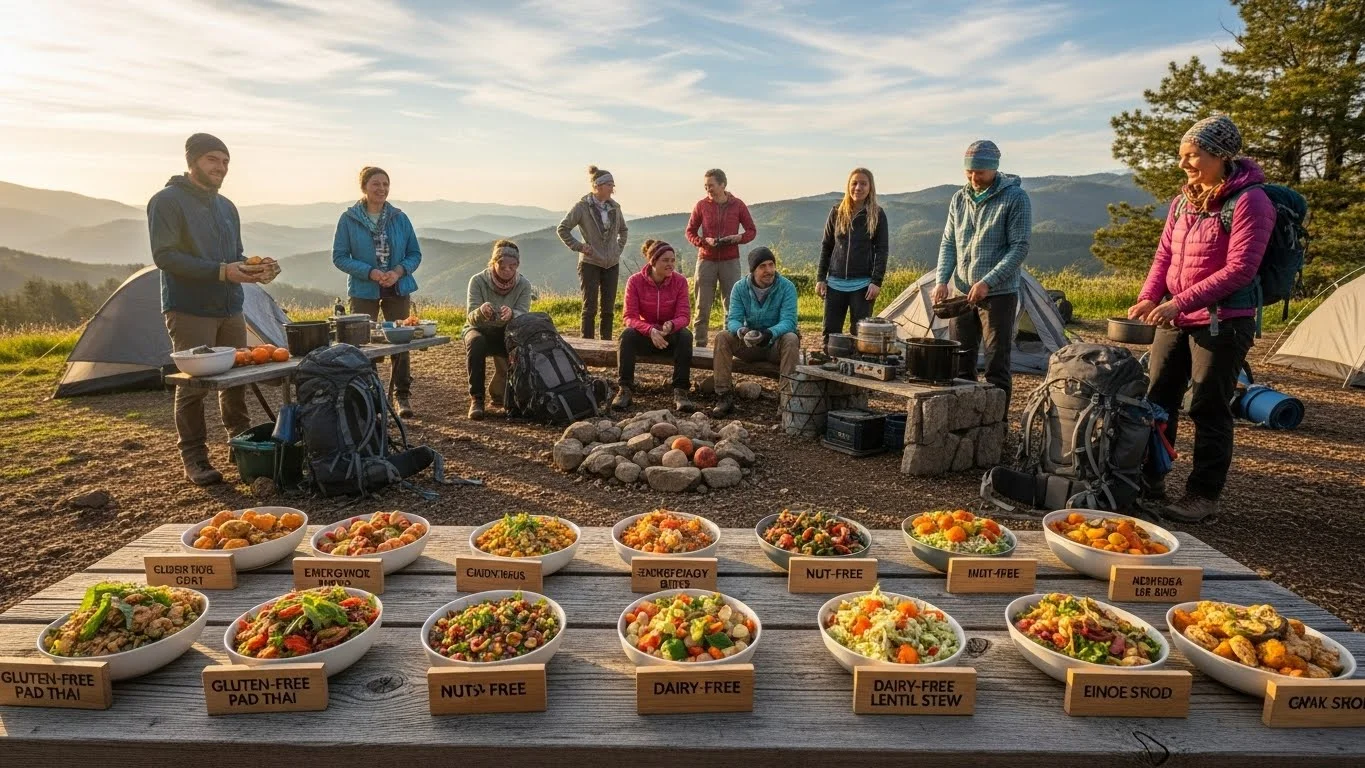
Understanding Allergy-Friendly Cooking
When I first started backpacking, I was excited about exploring new places and trying local cuisines. However, my food allergies made it a bit tricky. I learned that understanding allergy-friendly cooking is crucial for anyone with dietary restrictions, especially when traveling. Not only do we want to enjoy our meals, but we also need to ensure they are safe and nourishing. For more tips on safe eating, check out Backpacking with Allergies: A Guide to Safe Eating.
Common Food Allergies and Intolerances
Food allergies and intolerances can vary widely from person to person. Some of the most common allergies include gluten, dairy, nuts, eggs, soy, and shellfish. I remember feeling overwhelmed when I first started to pay attention to these allergies. It helped me to keep a list of what I needed to avoid. For example, I have a friend who is gluten-intolerant. We quickly learned to check labels and choose foods wisely, especially when shopping in unfamiliar places. Knowing these common allergens can help you make informed decisions about your meals while traveling.
Importance of Allergy-Friendly Recipes for Travelers
Having access to allergy-friendly recipes is essential for travelers like us. I’ve found that when I plan my meals ahead of time, I feel more confident about what I can eat. It’s not just about avoiding allergens; it’s also about enjoying nutritious and tasty meals. Allergy-friendly recipes can be simple, cost-effective, and make use of local ingredients wherever you go. This way, I can experience local flavors without worrying about what’s in my food. For some great snack ideas, explore Top Allergy-Friendly Snacks for Your Kids’ Adventures.
Budget Backpacking and Meal Planning
As someone who loves to backpack on a budget, I’ve learned that meal planning is a game-changer. I often keep my meals simple yet delicious, allowing me to save money while enjoying my travels. It’s all about being strategic with your choices.
How to Eat Healthy on a Budget
Eating healthy while sticking to a budget can feel daunting, but I’ve discovered a few tips that work well for me. First, I recommend focusing on whole foods. Ingredients like grains, beans, and vegetables are often cheaper and healthier than processed foods. For instance, I often buy rice, quinoa, or lentils in bulk, which allows me to stretch my meals. I also keep a few spices on hand to add flavor without adding cost. Planning meals around seasonal produce can also help keep prices down. I remember making a hearty vegetable soup with whatever was fresh at the market — it was not only affordable but packed with nutrients!
Essential Cooking Gear for Backpackers
When I pack for my trips, I always consider what cooking gear I’m bringing along. A lightweight stove, a pot, and a good knife are my essentials. I also carry a collapsible bowl and utensils. These items make cooking and eating on the road so much easier. I’ve learned that it’s important to have gear that is easy to clean and pack. I also like to include some reusable containers for leftovers. They’re great for storing any extra food, which saves me both time and money. Plus, I can enjoy the delicious meals I made earlier without needing to cook again right away. Investing in quality gear that lasts through many trips has made a huge difference in my backpacking experience.
Top 10 Allergy-Friendly Recipes
Now that we’ve talked about planning and cooking, let’s dive into some delicious recipes that are perfect for allergy-friendly backpackers. These are meals I’ve tried and loved, and I believe you will too!
1. Quinoa and Black Bean Salad
This is one of my go-to meals. It’s simple, filling, and packs a punch of protein. Just combine cooked quinoa, black beans, diced tomatoes, corn, and some lime juice. It’s refreshing and can be made ahead of time. I often prepare a big batch to last a few days during my travels.
2. Chickpea Stir-Fry
Using chickpeas as a base, I stir-fry them with whatever veggies I have on hand. It’s quick and easy. Throw in some soy sauce (or a gluten-free alternative) for flavor. I love how versatile this dish is; you can switch it up based on what’s available.
3. Gluten-Free Vegetable Pasta
Finding gluten-free pasta has opened up so many delicious possibilities for me. I usually toss the pasta with roasted vegetables and a dash of olive oil. It’s hearty and satisfying, making it a great dinner option after a long day of hiking.
4. Dairy-Free Coconut Curry
I’ve become a fan of coconut milk for creamy dishes without the dairy. I make a simple curry with vegetables, chickpeas, and coconut milk. It’s rich and flavorful, perfect for warming up on chilly evenings.
5. Nut-Free Energy Bites
When I need a snack, I whip up some energy bites. Using oats, seeds, and a bit of honey or maple syrup, I mix everything together and roll them into balls. They’re perfect for a quick energy boost while on the trail.
6. Vegan Chili
This is another favorite of mine. I throw beans, tomatoes, corn, and spices into one pot and let it simmer. It’s filling and warms me right up after a long day. Plus, it’s easy to make in large quantities.
7. Sweet Potato and Kale Hash
Sweet potatoes are budget-friendly and nutritious. I chop them up with some kale and sauté them with onions. This makes a hearty breakfast or side dish that’s packed with flavor.
8. Rice and Lentil Pilaf
This dish is a staple for me. Cooking rice with lentils and spices creates a filling meal that’s both nutritious and satisfying. It’s also easy to make in bulk and store for later.
9. Zucchini Noodles with Tomato Sauce
For a lighter meal, I love using zucchini noodles. They’re easy to prepare and pair well with a homemade tomato sauce. It’s a great way to get my veggies in while enjoying something that feels indulgent.
10. Oatmeal with Fresh Fruits
Finally, I can’t forget about breakfast! Oatmeal is a budget-friendly choice and can be topped with whatever fruits I find at the market. It’s a wholesome way to start the day and keeps me full for hours.
These recipes have not only helped me maintain my dietary restrictions but have also made my backpacking experiences more enjoyable and flavorful. I hope they inspire you to create delicious meals on your next adventure!
Shopping Tips for Allergy-Friendly Ingredients
When it comes to finding allergy-friendly ingredients, I’ve learned that being strategic about where and how I shop makes a significant difference. The right approach can help me save money while ensuring I have safe options on hand. Here are some tips I’ve picked up along the way.
Where to Buy Affordable Ingredients
Finding affordable ingredients is crucial for budget backpackers like us. I’ve had great luck at local farmers’ markets, where seasonal produce is often cheaper and fresher. I remember the thrill of discovering a market in a small town during my travels. The vibrant colors of fruits and veggies were irresistible, and I ended up with a basket full of goodies for a fraction of what I would pay at a grocery store.
Another great option is to check out discount grocery stores. These places can offer fantastic deals on staples like grains, beans, and canned goods. I’ve found that buying in bulk can significantly cut costs. For instance, purchasing larger bags of rice or dried beans not only saves money but also reduces packaging waste, which is important to me.
Also, don’t overlook online shopping. Some websites specialize in allergy-friendly products and may offer discounts for bulk purchases. I’ve used these sites to stock up on gluten-free or dairy-free items that might not be available locally. It pays to compare prices and look for sales!
Reading Labels: What to Look For
Label reading can feel like a chore, but I’ve come to see it as an essential skill in my backpacking journey. Companies often change their ingredients, so it’s crucial to check labels every time I buy something new. When I’m shopping, I focus on a few key things:
- Allergens: Always check for the specific allergens I need to avoid. Some brands will clearly mark if their products are gluten-free or dairy-free, which is super helpful.
- Added Ingredients: I look for products with minimal ingredients. If I can’t pronounce something or if it has a long list of additives, I usually put it back on the shelf.
- Cross-Contamination Warnings: Many packaged foods will include warnings about being processed in facilities that handle allergens. This information is vital for avoiding accidental exposure.
By taking the time to read labels carefully, I’ve been able to avoid potential allergens and ensure that what I’m buying will be safe for my dietary needs. Trust me, a little diligence goes a long way in keeping my travels enjoyable and stress-free!
Cooking Tips for Backpackers
Once I have my ingredients, it’s all about how I prepare them. Cooking on the go has its challenges, but with some tried-and-true tips, I can whip up delicious meals without a full kitchen. Here are a couple of cooking strategies that have worked wonders for me.
Meal Prep Strategies
Meal prep has been a game-changer for me, especially when I’m backpacking. I’ve learned that dedicating a little time before a trip to prepare meals can save me a lot of hassle later on. When I’m packing, I often pre-cook some grains or legumes. For example, cooking a big batch of quinoa or lentils at home and then packing them in containers makes it easy to throw together meals on the road.
I also like to chop veggies ahead of time. When I have fresh, ready-to-use ingredients, I’m more likely to cook healthy meals instead of resorting to snacks or convenience foods. I often create a “meal kit” with all the ingredients I need for a specific recipe, which simplifies cooking when I’m on the trail.
Easy Cooking Techniques for Limited Facilities
Cooking while backpacking often means limited facilities, but that doesn’t mean I can’t eat well! I’ve found that using one-pot meals makes things incredibly easy. Dishes like soups and stews can be made in a single pot, minimizing cleanup and maximizing flavor. I remember one night when I made a hearty lentil soup with whatever veggies I had left. The warmth of the meal felt so comforting after a long day of hiking.
Another technique I love is steaming or sautéing. A simple setup with a pan over my portable stove lets me cook quickly. I’ve frequently sautéed greens like spinach or kale with garlic and olive oil for a nutritious side dish. This method not only locks in flavors but also helps me get my greens in without much fuss.
By using these meal prep and cooking strategies, I’ve found that I’m able to enjoy delicious, healthy meals while still embracing the spirit of adventure. Each meal becomes an integral part of my journey, connecting me to the places I visit and the experiences I have.
Storing and Transporting Food Safely
As someone who enjoys backpacking while keeping my meals safe and allergy-friendly, I’ve learned that how I store and transport food can make a significant difference in my overall experience. After all, delicious food is only enjoyable if it’s fresh and safe to eat! Here are some strategies I’ve picked up through my travels.
Best Practices for Food Storage
When it comes to storing food while backpacking, I’ve found that organization is key. I use airtight containers for perishable items. These containers help keep my food fresh and prevent any unwanted spills in my backpack. I particularly like glass containers since they are durable, and I can use them for cooking as well.
For dry goods like grains, nuts, and seeds, I often pack them in resealable plastic bags or lightweight storage containers. I make sure to label everything with the contents and the date I packed them. This little detail helps me keep track of what needs to be eaten first, ensuring that nothing goes to waste. I remember a trip where I accidentally left out a bag of quinoa for too long. It was a lesson learned about the importance of labeling and being mindful of my food supply.
Additionally, I try to separate foods that have strong odors from those that are more neutral. Nobody wants their oatmeal tasting like garlic from last night’s stir-fry! Using mesh or cloth bags for vegetables can be beneficial, as it allows them to breathe while keeping them safe from bruising or squishing in my bag.
How to Keep Food Fresh While Traveling
Keeping food fresh on the road can be a bit of a challenge, especially during hot weather. I’ve learned to utilize cooler bags and ice packs whenever possible. These bags help maintain a lower temperature for perishables like fruits, veggies, and dairy substitutes. I remember one trip where I packed a cooler bag with ice packs, and it made all the difference in keeping my meals fresh and delicious throughout the week.
I also try to plan my meals based on how long I’ll be traveling. If I know I won’t have access to refrigeration for a couple of days, I focus on foods that have a longer shelf life. Items like canned beans, dried fruits, and nut-free granola can be great options. I’ve made a habit of checking how long different items can last without refrigeration before I leave home.
Another tip I’ve found useful is to store fruits and vegetables separately. Some produce, like apples and bananas, can release ethylene gas, which can speed up the ripening of other fruits and veggies. Keeping them apart can help extend their freshness. I also love packing hardy fruits and veggies, like carrots and apples, because they travel well and don’t get squished easily.
Lastly, I make sure to always have some basic utensils and tools on hand for proper food handling. I carry a small cutting board and a good knife so I can prepare food safely wherever I am. This way, I can quickly chop up veggies, prepare salads, or slice fruits, ensuring that I can enjoy fresh meals no matter where my travels take me.
Additional Resources for Allergy-Friendly Travel
Finding resources that support my journey as a budget backpacker with food allergies can be incredibly helpful. I’ve discovered a range of websites, apps, and communities that can make planning and cooking on the go a lot easier.
Websites and Apps for Allergy-Friendly Recipes
There are so many fantastic websites and apps dedicated to allergy-friendly cooking. One of my favorites is “Allrecipes,” which has filters for different dietary needs, allowing me to search for recipes that fit my restrictions. Another go-to for me is “Yummly,” which not only lets me find recipes but also helps with meal planning and shopping lists. I’ve found it especially useful when I’m looking for something new to try using the ingredients I already have.
Social media platforms, especially Instagram and Pinterest, are also treasure troves for allergy-friendly recipes. I often follow bloggers who specialize in allergy-friendly cooking, and I’ve discovered countless recipes just by scrolling through my feed. It’s inspiring to see how others adapt meals to fit their dietary needs, and it often gives me new ideas for my own travels.
Communities and Forums for Budget Backpackers
Joining online communities has been one of the best decisions I made as a budget backpacker. Websites like “Reddit” have forums dedicated to backpacking and travel, where members share tips, experiences, and even recipes. I remember posting about my quest for allergy-friendly meals while on a budget, and I received so many helpful responses from fellow travelers!
There are also Facebook groups focused on allergy-friendly travel and cooking. Connecting with like-minded individuals allows me to share my experiences and learn from others who are navigating similar challenges. We exchange tips on where to shop, what to cook, and how to manage allergies while still having an incredible adventure.
By utilizing these resources, I feel more empowered to take on my backpacking journeys. The combination of organization, creativity in the kitchen, and support from the community makes my travels not only enjoyable but also safe and fulfilling. I hope you find these tips as helpful as I have on your own adventures!
Frequently Asked Questions
What are common food allergies and intolerances to be aware of while backpacking?
Common food allergies include gluten, dairy, nuts, eggs, soy, and shellfish. Being aware of these can help you make informed decisions about your meals while traveling.
Why is meal planning important for budget backpackers with food allergies?
Meal planning is crucial as it allows you to prepare allergy-friendly meals in advance, ensuring that you can enjoy nutritious and safe meals while also managing your budget effectively.
What are some tips for eating healthy on a budget while backpacking?
Focus on whole foods like grains, beans, and vegetables, which are often cheaper and healthier than processed options. Buying in bulk and planning meals around seasonal produce can also help reduce costs.
What essential cooking gear should backpackers bring?
Backpackers should consider bringing a lightweight stove, a pot, a good knife, a collapsible bowl, and utensils. Reusable containers for leftovers are also helpful for storing extra food.
Can you provide an example of an allergy-friendly recipe for backpackers?
One example is the Quinoa and Black Bean Salad, which combines cooked quinoa, black beans, diced tomatoes, corn, and lime juice. It’s nutritious, filling, and can be made ahead of time.
Where can budget backpackers find affordable allergy-friendly ingredients?
Local farmers’ markets often offer cheaper seasonal produce, while discount grocery stores and online shopping for bulk purchases can also help save money on allergy-friendly products.
What should backpackers look for when reading food labels?
Backpackers should check for specific allergens, look for products with minimal ingredients, and be aware of cross-contamination warnings on packaged foods.
What are some meal prep strategies for backpackers?
Meal prep strategies include pre-cooking grains or legumes and chopping veggies ahead of time. Creating “meal kits” with all necessary ingredients for specific recipes can simplify cooking while on the road.
How can backpackers keep their food fresh while traveling?
Using cooler bags and ice packs can help maintain low temperatures for perishables. Planning meals based on how long you’ll be traveling and separating fruits and vegetables can also aid in freshness.
What resources are available for allergy-friendly travel?
Websites and apps like “Allrecipes” and “Yummly” offer allergy-friendly recipes, while online communities and forums, such as those on Reddit and Facebook, provide support and shared experiences for budget backpackers.
What are some safe snack options for kids with allergies?
To explore more about safe choices for kids, check out Explore Allergy-Friendly Snacks: Safe Choices for Kids.