
Backpacking as a homeschooler can be an incredible adventure! It opens up a world of learning opportunities beyond the traditional classroom while being budget-friendly. Here are some insights into how to make the most of this experience. Read Interesting article: Explore Budget Backpacking: STEM Learning for Young Minds
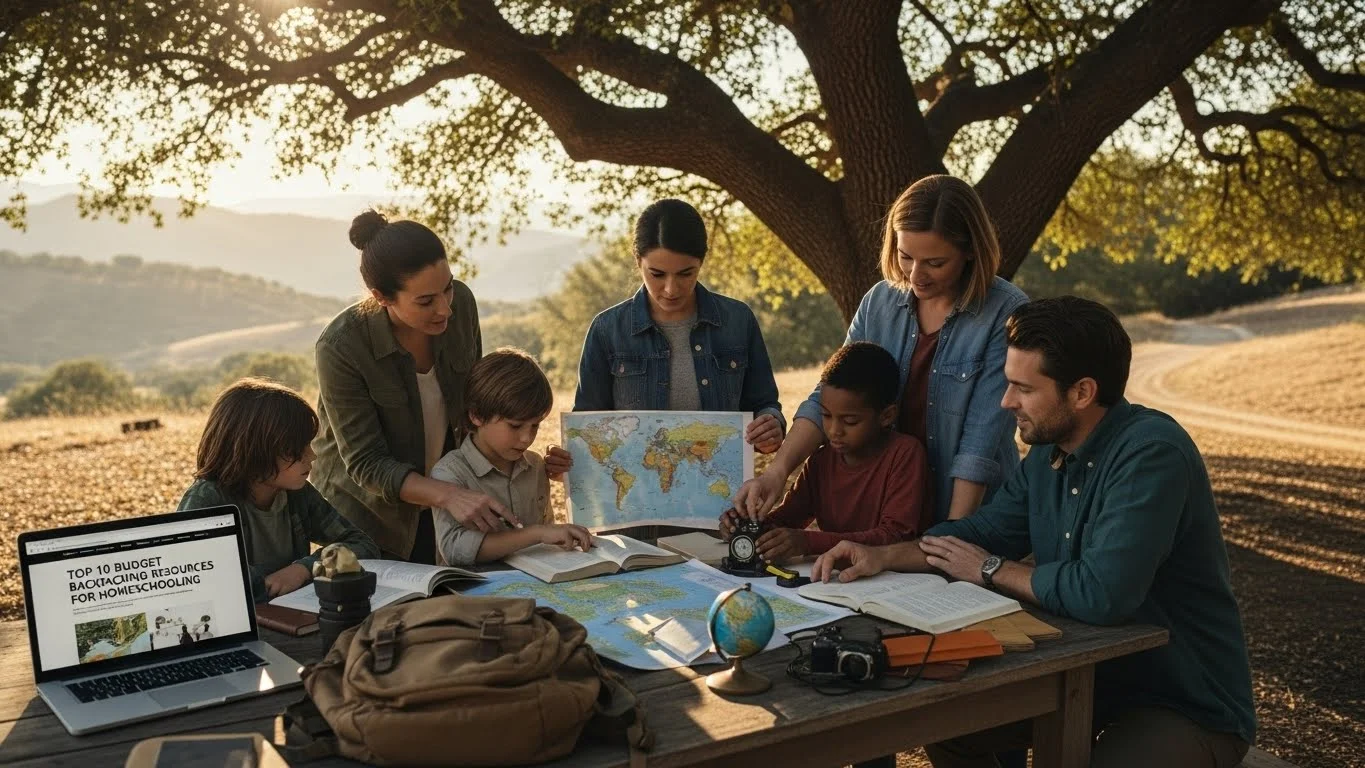
Understanding Budget Backpacking for Homeschooling
What is Budget Backpacking?
When I first heard the term “budget backpacking,” I envisioned young travelers lugging around oversized packs filled with essentials, seeking out affordable hostels and local eateries. But for me, it goes beyond just saving money; it’s about embracing a lifestyle of exploration and learning. Budget backpacking involves planning trips that are both economical and enriching, allowing families to travel without breaking the bank. It means prioritizing experiences over luxury, discovering hidden gems, and connecting with local cultures and communities. I believe that this approach to travel can be particularly beneficial for homeschooling families, as it blends education with real-world experiences.
Benefits of Backpacking for Homeschoolers
Backpacking offers numerous benefits for homeschoolers. For starters, it allows us to step outside the confines of our four walls and engage with the world directly. I’ve seen firsthand how travel ignites curiosity in children. When we visited a historical site, my kids weren’t just memorizing facts; they were experiencing history. They touched ancient stones, heard stories from guides, and asked questions that led to deeper discussions later. Here are a few key benefits I’ve noticed:
- Hands-on Learning: Nothing beats learning through experience. Whether it’s exploring the natural world or visiting local markets, kids absorb knowledge more effectively when they can see, touch, and engage with their surroundings.
- Life Skills Development: Backpacking teaches valuable life skills like budgeting, planning, and problem-solving. I remember our first trip when we had to figure out public transport. My children learned to navigate maps and communicate with locals, which was an adventure in itself!
- Family Bonding: Traveling together strengthens family ties. Every trip we’ve taken has brought us closer as we navigate challenges and share experiences. The laughter and memories created during these journeys are priceless.
How Backpacking Enhances Learning Experiences
From my experience, backpacking enriches educational experiences in ways that textbooks simply cannot. Imagine hiking through a national park and learning about ecosystems, all while witnessing nature up close. That’s what backpacking does—it transforms learning into an immersive experience. During our last trip to the Grand Canyon, for example, my children learned about geology while standing on the rim, peering into the vast chasm below. Instead of reading about formations in a book, they were surrounded by them.
Moreover, backpacking encourages adaptability and resilience. When plans change—like when we found out our campsite was closed due to weather—we had to think on our feet and find alternatives. This taught my children that flexibility is part of life and learning. Furthermore, every new location presents an opportunity to learn about different cultures, languages, and histories. We’ve tried local cuisines, learned basic phrases in new languages, and even participated in community events. Each experience has added layers to our understanding of the world.
Additionally, I’ve found that travel can spark a newfound interest in subjects that may have seemed dull when studied in isolation. For instance, after visiting a science museum, my kids became fascinated with space; they wanted to learn everything from the solar system to the physics of rockets. It was eye-opening to see how travel can ignite passion in topics that might otherwise seem uninteresting.
Backpacking also opens doors to spontaneous learning. One of our most memorable experiences happened while wandering through a local market. We stumbled upon a vendor selling handmade crafts, and the children got to learn about local artisans and the history behind their crafts. That day turned into an impromptu lesson on economics, culture, and art appreciation.
In conclusion, budget backpacking is much more than an economical way to travel. It’s a holistic approach to education that enhances learning through real-world experiences. I believe that for homeschooling families, it can be a powerful tool to foster curiosity, critical thinking, and a love of learning that lasts a lifetime. So if you’re considering a backpacking adventure, embrace the journey! You never know how it might inspire your children and transform their education.
Essential Budget Backpacking Resources
1. Online Homeschooling Communities
One of the best resources I’ve discovered while planning our backpacking adventures is the wealth of online homeschooling communities. Platforms like Facebook have groups dedicated to homeschooling families who share their experiences, tips, and resources. I remember joining a group while prepping for a trip to the Pacific Northwest, and the insights I gained were invaluable. Members shared their favorite spots, budget-friendly accommodations, and even local events we could attend. Engaging with these communities not only provided practical advice but also connected me with other like-minded families who inspire and motivate my homeschooling journey.
2. Budget Travel Websites and Blogs
Exploring budget travel websites and blogs has been a game changer for us. Websites like Nomadic Matt, The Broke Backpacker, and Backpacker offer a plethora of tips on finding affordable lodging, transportation, and activities. I particularly enjoy reading personal stories from fellow travelers. They share not just the “how-tos” but also the “what-to-expect,” which can be incredibly helpful when planning a trip. For instance, one blog I followed led us to a hidden waterfall during our visit to Oregon, a spot that wasn’t in any guidebook. It felt like a little treasure we discovered as a family! Read Interesting article: Engaging STEM Activities for Kids on a Budget: A Guide
3. Educational Apps for Travel Learning
There’s no denying that technology can enhance our travels. I’ve found several educational apps that make learning on the go fun and interactive. Apps like Duolingo can help kids learn new languages in a playful way, while others like Earth Rangers teach about wildlife and conservation. During our road trip last summer, my kids used these apps to pick up useful phrases in Spanish as we traveled through Mexico. It turned learning into a game, and they were so excited to use their new skills when interacting with locals!
4. Local Libraries and Resource Centers
Before embarking on our trips, I always check our local library for resources. Many libraries have travel sections filled with guidebooks, maps, and even educational materials about different cultures. I’ve even found programs where libraries lend out passes to local museums or attractions, which is a fantastic way to save money. We often visit a nearby resource center where we can borrow educational kits that align with our destinations, such as geology kits for our visits to national parks. It’s a great way to tie in our travels with hands-on learning!
5. Travel Guidebooks for Specific Regions
While I love digital resources, I still enjoy flipping through a good old-fashioned travel guidebook. They provide in-depth insights into local attractions, cultural practices, and hidden gems that online sources might overlook. I particularly love the Lonely Planet series; their budget tips have saved us money more than once! During our trip to Italy, for instance, their guide suggested affordable eateries where we could indulge in authentic pasta without draining our wallets. Each guidebook becomes a treasure chest of knowledge for our family!
6. Interactive Learning Platforms
Interactive learning platforms have also played a significant role in our travels. Websites like Khan Academy and Coursera offer free courses on a variety of subjects that can be tied into our travel experiences. For example, before visiting the ancient ruins in Greece, my kids took a short course on Greek mythology. When we arrived at the sites, their understanding of the stories and history made the experience much richer. It’s amazing how a little bit of preparation can enhance what we see and learn while traveling.
7. Nature and Wildlife Organizations
I believe that connecting with nature is one of the most profound benefits of backpacking. Organizations like the National Wildlife Federation or local conservation groups often host educational programs and events that provide hands-on learning experiences. During our visit to a national park, we participated in a ranger-led program where my children learned about local ecosystems and wildlife. They left with a deeper appreciation for nature and an understanding of the importance of conservation efforts.
8. Museums and Educational Institutions
Museums are always a highlight of our traveling experience. We make it a point to visit local museums wherever we go. They often have special educational programs for kids, which can be a fantastic way to learn about the area’s history and culture. I remember visiting a maritime museum in San Diego; my kids were enthralled by the interactive exhibits and even got to participate in a mock sailing lesson. These experiences make learning tangible and memorable.
9. Online Course Platforms
Platforms like Udemy and Skillshare can also be useful for us as we travel. I’ve found courses that help my kids learn about photography, writing, and even cooking while we’re on the road. For instance, my daughter took a photography course right before our trip to New England, which encouraged her to capture beautiful autumn landscapes. The skills she learned not only helped her enjoy the trip more but also provided her with a new hobby to explore.
10. Volunteer Programs and Work Exchanges
Lastly, I’ve found that our family has grown through volunteer programs and work exchanges. Websites like Workaway and WWOOF allow families to engage in meaningful work while traveling. This has given us the opportunity to learn about local farming practices or conservation efforts in different regions. Not only do we get to contribute to the community, but these experiences also create lasting bonds with locals and give us a unique perspective on the areas we visit. Our time spent volunteering on a vineyard in France was not just educational; it was heartwarming and enriching in ways I hadn’t anticipated.
Planning Your Backpacking Journey
Setting a Budget for Your Trip
Planning a budget for our backpacking trips has always been an exciting challenge for me. I remember when we first started, I wasn’t quite sure where to begin. It’s essential to define how much we could afford to spend to ensure that the experience remains enjoyable and stress-free. I typically begin by listing all potential expenses: transportation, accommodation, food, activities, and a little extra for unexpected costs. I like using spreadsheets or budgeting apps to keep everything organized. This way, I can see how much we’re allocating to each category, and it helps us make informed decisions based on our priorities.
One tip I’ve learned is to set aside a specific amount for each day. This approach allows us to enjoy spontaneous activities or meals without feeling guilty about overspending. For instance, I remember a delightful dinner we had at a local eatery in a small town. It wasn’t part of our initial plan, but because we had budgeted wisely, we could indulge without worry. This flexibility adds to the adventure and spontaneity of our travels!
Choosing Destinations with Educational Value
One of the most rewarding aspects of backpacking is selecting destinations that offer rich educational experiences. I always consider places that align with what my children are studying or curious about. For example, if my kids are learning about American history, visiting places like Philadelphia or Boston can make the content come alive in a way that textbooks cannot. I’ve learned to research potential destinations ahead of time, looking for museums, historical sites, or natural wonders that can provide context and depth to our curriculum.
Another valuable resource has been using local tourism websites and educational travel guides. They often highlight special events or programs perfect for families. I remember planning a trip to Washington D.C., and we discovered a program that allowed kids to participate in a scavenger hunt around the National Mall. It turned out to be a fantastic way for my children to engage with the history and significance of the monuments while having fun!
Creating a Flexible Itinerary
Flexibility has become a cornerstone of our backpacking adventures. While I appreciate having a rough outline of our trip, I’ve found that leaving room for changes often leads to the most memorable experiences. When we traveled to the Rocky Mountains, we had planned a series of hikes, but unexpectedly, we encountered a local festival. Instead of sticking strictly to our itinerary, we decided to explore the festival, which turned out to be a highlight of our trip. My kids enjoyed local music and handmade crafts, and we even participated in some traditional games!
When creating our itinerary, I like to include a mix of structured activities and free time. This balance allows us to engage in planned learning experiences while still having the freedom to explore and discover at our own pace. I often encourage my children to suggest activities or locations they’d like to visit, which makes them feel more invested in the journey. It’s amazing how these small decisions can foster a sense of ownership and excitement about the trip!
Homeschooling While Traveling
Integrating Travel into Your Curriculum
Integrating travel into our homeschooling curriculum has been a natural and enriching process. I’ve found that real-world experiences often provide the best context for what my children are studying. For instance, during our trip to New Orleans, we explored the vibrant culture and history of the city, which tied beautifully into our social studies curriculum. We visited museums, listened to jazz music, and even took a cooking class to learn about Creole cuisine.
Before each trip, I try to align our educational goals with our travel itinerary. For example, if we’re visiting a national park, I might focus on science subjects like ecology or geology. We can gather rocks, observe wildlife, and document our findings. I encourage my kids to keep travel journals where they can jot down their observations and reflections. This simple practice not only reinforces their learning but also captures memories that we can look back on together.
Tools for Teaching on the Go
Having the right resources while traveling makes teaching on the go much easier. I’ve curated a list of tools that have proven to be invaluable during our backpacking adventures. For instance, I always pack a portable whiteboard; it’s perfect for spontaneous math lessons or brainstorming sessions. I also bring along art supplies for my kids to sketch or paint the landscapes we encounter. This creative outlet allows them to express their experiences visually.
Additionally, I’ve found that audiobooks and educational podcasts can be great companions during long drives or downtime. We’ve listened to fascinating stories about historical figures or scientific discoveries, which keeps learning fun and engaging. I love hearing my kids’ discussions about the content as we travel; it often inspires new questions and interests.
Assessing Learning Outcomes During Trips
Assessing learning outcomes during our trips is something I’ve grown to appreciate over time. It can be easy to get swept up in the excitement of travel, but taking a moment to reflect on what we’ve learned is essential. I’ve started to implement informal assessments, like asking my children to share what they enjoyed most or what they learned about a specific topic.
At the end of each trip, we hold a little family meeting where we discuss our favorite moments and key takeaways. This practice not only reinforces their learning but also helps me understand their interests better. I’ve noticed that some topics resonate more than I initially thought, allowing me to tailor our future curriculum accordingly. This feedback loop keeps our homeschooling journey dynamic and aligned with their passions!
Frequently Asked Questions
What is budget backpacking?
Budget backpacking involves planning trips that are both economical and enriching, allowing families to travel without breaking the bank. It prioritizes experiences over luxury and encourages discovering hidden gems and connecting with local cultures.
What are the benefits of backpacking for homeschoolers?
Backpacking offers hands-on learning, life skills development, and family bonding. It allows children to engage directly with the world, fostering curiosity and creating unforgettable memories.
How does backpacking enhance learning experiences?
Backpacking transforms learning into an immersive experience by allowing children to engage with subjects in real-world contexts, promoting adaptability, resilience, and deeper understanding of various cultures and histories.
What resources are helpful for planning a budget backpacking trip?
Helpful resources include online homeschooling communities, budget travel websites and blogs, educational apps, local libraries, travel guidebooks, interactive learning platforms, nature organizations, museums, online course platforms, and volunteer programs.
How should families set a budget for their backpacking trips?
Families should define how much they can afford to spend by listing all potential expenses, using budgeting tools, and setting aside a specific amount for each day to allow for spontaneous activities without overspending.
What should families consider when choosing destinations for educational value?
Families should look for destinations that align with their children’s studies or interests, such as historical sites or natural wonders, and utilize local tourism websites for special events or educational programs.
Why is flexibility important when creating a backpacking itinerary?
Flexibility allows families to adapt to unexpected changes and seize spontaneous opportunities that can lead to memorable experiences, enhancing the overall adventure of the trip.
How can travel be integrated into a homeschooling curriculum?
Travel can be integrated by aligning educational goals with the travel itinerary, exploring relevant local cultures and history, and encouraging children to keep travel journals for reflections and observations.
What tools can help in teaching while traveling?
Useful tools for teaching on the go include portable whiteboards for lessons, art supplies for creative expression, audiobooks, and educational podcasts to keep learning engaging during travel.
How can families assess learning outcomes during trips?
Families can assess learning outcomes through informal assessments, family discussions about favorite moments and key takeaways, which helps reinforce learning and tailor future educational experiences.