
Finding fun and affordable activities for toddlers can feel overwhelming, especially when we want to support their growth. Here are budget-friendly ideas that can help nurture their development while keeping things playful and engaging.
Understanding Toddler Development Stages
As parents, we often find ourselves amazed at how quickly our little ones change and grow. Each toddler development stage comes with its distinct milestones, and understanding these can help us choose the right activities to support their growth. I remember when my child first started walking; it was a breathtaking moment that opened up a whole new world of exploration. Watching them develop physically, cognitively, and emotionally has been nothing short of magical. For more insights, check out Engaging Play Activities That Enhance Toddler Cognitive Skills.
Physical Growth Milestones
Physical growth in toddlers is incredibly dynamic. During this stage, they typically start to walk, run, and climb. I’ve noticed that engaging in activities that promote gross motor skills, like running or jumping, is vital. Simple games like “Simon Says” can encourage movement while being loads of fun. Fine motor skills also start to develop as toddlers learn to hold crayons or stack blocks. I found that offering activities like drawing or building with blocks really helped my child refine those skills.
Cognitive Development in Toddlers
Cognitive development is equally important. Toddlers begin to explore their environment in deeper ways, asking questions and trying to understand how things work. I remember when my daughter became fascinated with how things fit together; it was a joy to watch her piece together puzzles. Activities that stimulate curiosity and problem-solving—like sorting shapes or simple science experiments—can greatly aid in cognitive growth. The excitement they express when they discover something new is priceless. Additionally, you can explore Top 10 Budget-Friendly Games to Boost Toddler Learning for more engaging activities.
Emotional and Social Skills
Emotional and social skills are also emerging during these years. Toddlers may start to express their feelings and begin to understand those of others. I noticed my son would mimic my expressions, and it was an excellent opportunity to teach him about emotions. Encourage playdates or group activities to help your toddler develop social skills and learn to share and cooperate. These shared experiences can lead to wonderful friendships and emotional growth.
Importance of Budget-Friendly Activities
Budget-friendly activities are not just about saving money; they’re also about finding creative ways to provide enriching experiences for our toddlers. I’ve found that some of the best moments with my child have come from simple activities that didn’t cost a dime. Understanding the benefits of these affordable activities can make a big difference in how we approach play with our little ones.
Benefits of Affordable Play
Engaging in budget-friendly activities can promote creativity and resourcefulness. Instead of buying expensive toys, I’ve learned to look around my home for items we can repurpose. For instance, empty boxes can become anything from forts to race cars, sparking imaginative play. Not only does this save money, but it also encourages toddlers to think outside the box and use their imagination.
How Activities Foster Growth
Every activity we choose can play a crucial role in our toddlers’ development. For example, going for a nature walk not only gets them moving but also offers a chance to explore their surroundings. I’ve seen my child’s face light up at the sight of a butterfly or a colorful flower. These moments create connections, allowing toddlers to learn about the world around them while also developing physical, cognitive, and social skills.
Parental Involvement and Cost-Effectiveness
One of the best parts of budget-friendly activities is the opportunity for parental involvement. I believe that being actively engaged in playtime can strengthen the bond between us. Whether it’s building with blocks or reading together, the joy we share during these activities fosters trust and security. Plus, since many of these activities are low-cost or free, it makes them even more appealing. We can spend quality time together without breaking the bank, which is a win-win!
Top 10 Budget-Friendly Activities for Toddler Growth
1. Nature Walks and Outdoor Exploration
Nature walks have become a staple in our routine, and I can’t recommend them enough. There’s something magical about being outdoors, watching my toddler marvel at the simplest things like a squirrel scurrying by or the wind rustling through the leaves. It’s a free activity that not only encourages physical exercise but also fosters a sense of wonder. I often bring along a small bag to collect interesting leaves, rocks, or flowers. When we get home, we can examine our treasures together, discussing colors, shapes, and textures. This hands-on discovery sparks curiosity and learning in the most delightful way.
2. DIY Sensory Bins
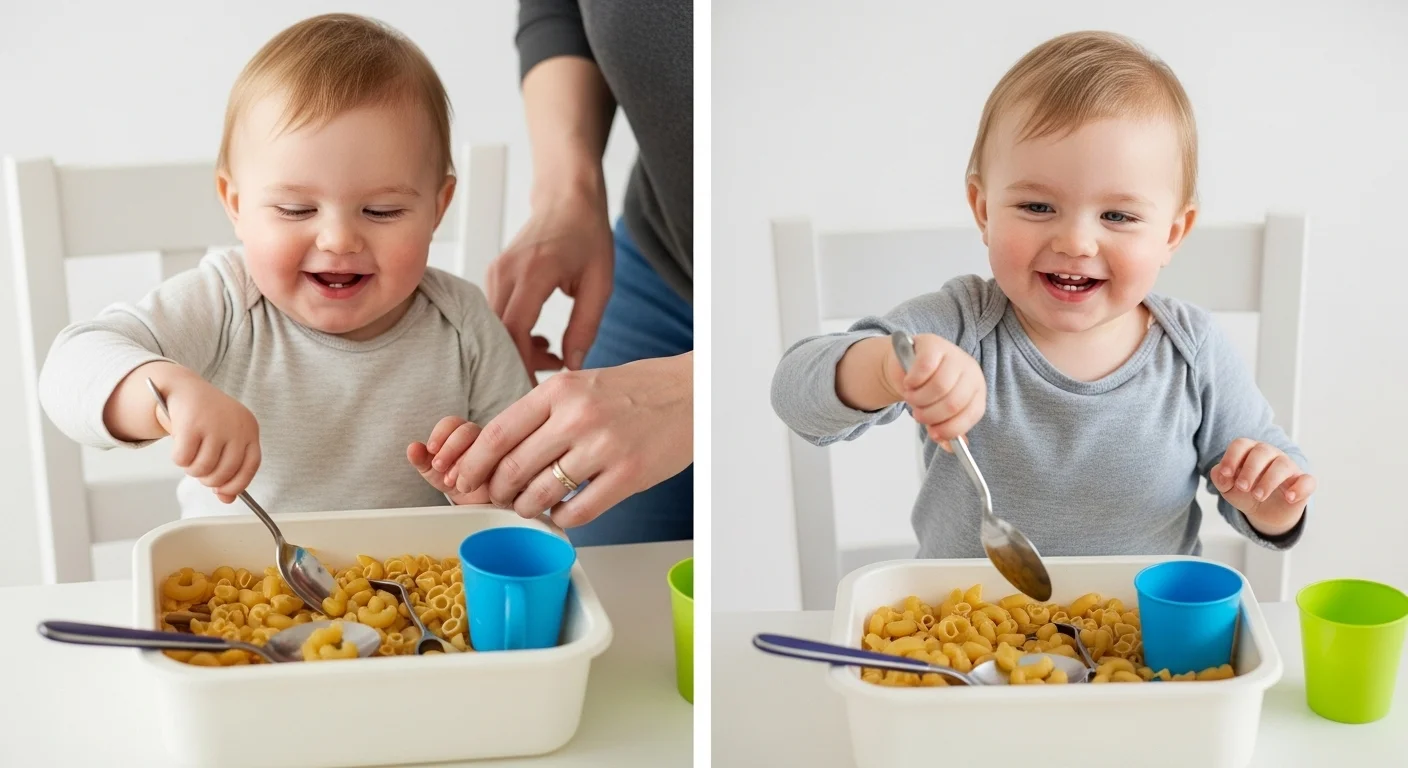
Creating DIY sensory bins has been one of my favorite activities to set up. All it takes is a container filled with materials that stimulate the senses—think rice, beans, or sand. I love to add little toys, scoops, or even themed items like seashells for a beach vibe. My toddler can dig, pour, and explore to their heart’s content. Not only does this activity promote fine motor skills, but it also encourages imaginative play. The best part? I can switch up the contents based on the season or holidays, keeping things fresh and exciting without spending much.
3. Storytime at Home
Storytime is a cherished part of our daily routine. I’ve found that reading together not only boosts language skills but also strengthens our bond. I make a cozy reading nook with pillows and blankets, creating an inviting space. We often choose a mix of classic tales and new stories, and I encourage my toddler to engage by asking questions about the characters and events. This interactive storytelling fosters comprehension and sparks a love for reading. Plus, many libraries offer free storytime sessions that we enjoy as well!
4. Creative Arts and Crafts
Arts and crafts are a wonderful outlet for creativity. I keep a stash of basic supplies like paper, crayons, glue, and recycled materials. I love to set up projects that allow my toddler to express themselves, whether it’s finger painting or making collages. It’s incredible to see how they experiment with colors and shapes. I’ve noticed that these creative sessions not only enhance fine motor skills but also provide a great platform for self-expression. Plus, I get to cherish their artwork, which fills our home with personality and joy.
5. Gardening Together
Gardening has been such a rewarding experience for us. Even if you don’t have a yard, container gardening on a balcony or windowsill works just as well. I involve my toddler in every step, from planting seeds to watering the plants. It’s fascinating to watch them learn about how things grow, and it teaches them patience and responsibility. Plus, we get to enjoy the fruits (or vegetables) of our labor later on. I believe that being connected to nature in this way is both calming and educational.
6. Simple Science Experiments
I’ve discovered that simple science experiments can be both fun and educational. One of our favorites is the classic baking soda and vinegar volcano. It’s amazing to see my child’s eyes light up with each fizz and bubble. These experiments not only introduce basic scientific principles but also encourage curiosity and inquiry. I make sure to explain what’s happening in simple terms, fostering an environment where they feel comfortable asking questions and exploring ideas.
7. Music and Movement Sessions
Music has a special place in our hearts. We often have music and movement sessions where we dance, sing, and play instruments. I love putting on different genres of music and observing how my toddler responds—sometimes they twirl around, and other times they stomp their feet. It’s a great way for them to express themselves physically and develop rhythm. I even encourage them to make their own instruments from household items, adding a fun twist to our sessions.
8. Playdates with Friends
Playdates have become a highlight for us. I’ve noticed that social interactions with peers are vital for developing social skills. Organizing playdates allows my toddler to learn about sharing, cooperation, and empathy. We often alternate hosting, which not only keeps things fresh but also allows me to connect with other parents. These shared experiences create a sense of community and support that I find invaluable.
9. Puzzle and Board Games
Puzzles and board games are a fantastic way to spend quality time together. I love selecting age-appropriate puzzles that challenge my toddler’s problem-solving skills. It’s rewarding to see their excitement when they finally place a piece in the right spot. Board games designed for young children also encourage turn-taking and patience. These moments of friendly competition and teamwork are not just fun; they’re excellent for cognitive and social development.
10. Cooking and Baking Together
Cooking and baking together has turned into a wonderful bonding experience. I often involve my toddler in simple recipes, from mixing ingredients to decorating cookies. It’s a great way to teach them about measurements, following directions, and even nutrition. I love seeing their pride when they help prepare a meal. Plus, it’s a delicious way to learn about different cultures and cuisines. The kitchen becomes our little classroom, filled with laughter and tasty creations.
Tips for Maximizing Toddler Growth Through Activities
Choosing Age-Appropriate Activities
When it comes to activities, I’ve learned that choosing age-appropriate options is key. Toddlers are at a stage where they thrive on exploration, so I always try to pick activities that match their developmental level. For example, I remember when my child was just beginning to walk; we focused on activities that involved balance and movement, like playing with a ball or walking along a low curb. As they grew more stable on their feet, we gradually introduced more challenging activities, like climbing and jumping. It’s all about observing their capabilities and interests and adapting activities to keep them engaged without overwhelming them.
Incorporating Learning into Play
Incorporating learning into play has been a game-changer for us. I believe play is one of the best ways for toddlers to learn, and I often look for opportunities to weave educational elements into our activities. When we do arts and crafts, I like to talk about colors, shapes, and even counting while we create. For example, if we’re painting, I might ask my child to identify the colors they’re using, or if we’re building something with blocks, I’ll encourage them to count how many we have. These small conversations can make a big impact, and I’ve noticed that they help my toddler develop language skills while having fun.
Encouraging Open-Ended Play
I can’t stress enough how important open-ended play is for toddlers. I’ve found that activities that allow for creativity and imagination are the most beneficial. For instance, rather than giving my child a toy that only does one thing, I prefer to provide materials that can be used in various ways. Simple items like cardboard boxes, fabric scraps, or even kitchen utensils can turn into anything from a spaceship to a castle. This kind of play encourages problem-solving and critical thinking, and I love seeing how my toddler’s imagination takes flight. It not only keeps them entertained but also helps them develop their own ideas and narratives.
Resources for Parents
Books on Toddler Development
I’ve found that reading books on toddler development has been incredibly helpful in understanding my child’s growth. There are so many great resources available that delve into the various stages of development and offer tips on how to support them. One of my favorites is “The Whole-Brain Child” by Daniel J. Siegel and Tina Payne Bryson. It provides insightful strategies on how to nurture a child’s brain development while also addressing emotional growth. I believe that being informed helps us make better choices about activities that align with our child’s needs.
Websites and Online Communities
In our digital age, I think online resources can be a treasure trove for parents looking for advice and activity ideas. Websites like Zero to Three and the American Academy of Pediatrics offer valuable information on child development, along with practical suggestions for activities. Online communities, such as parenting forums or Facebook groups, can also be a great place to share experiences and gain insights from other parents. I’ve personally benefited from connecting with others who are navigating similar challenges and triumphs, and it’s comforting to know we’re in this together.
Local Libraries and Community Centers
Don’t overlook the resources available in our own communities! Local libraries often have storytime sessions, educational programs, and free events designed for toddlers. I love taking my child to our library’s weekly storytime; it’s a fantastic opportunity for them to socialize while enjoying books. Community centers can also offer classes or activities that are not only fun but also educational. I’ve found that exploring what’s available in our area has opened up new avenues for enriching experiences without stretching our budget. You can also consider Read Interesting article: Best Activities for Toddlers While Traveling on a Budget.
Final Thoughts
Reflecting on my journey as a parent, I realize that these early years with our toddlers are both precious and fleeting. Embracing budget-friendly activities has helped us create meaningful moments without the stress of overspending. I’ve discovered that the simplest experiences often bring the most joy; whether it’s a spontaneous dance party in the living room or a creative art session at the kitchen table, these activities foster not only growth but also connection.
One of the most rewarding aspects of this journey has been watching my child’s personality blossom. Every giggle, every tiny triumph, and even the small frustrations are part of their learning and growth. I feel lucky to be part of their discovery as they explore the world around them. By engaging in activities that are not only fun but also developmentally appropriate, we are setting a strong foundation for their future.
As we move forward, I encourage other parents to embrace the beauty of learning through play. The opportunities for growth are endless, and they don’t have to come with a hefty price tag. Let’s keep the focus on creativity, imagination, and quality time spent together. After all, the memories we create with our toddlers will last a lifetime, and it’s these moments that will shape their future selves.
So grab those crayons, head outside to explore, or whip up a delicious recipe together. The world is full of possibilities, and through these activities, we are not just filling their days; we are nurturing their minds, bodies, and hearts. Together, we can make these early years a beautiful adventure filled with laughter, learning, and love.
Frequently Asked Questions
What are some budget-friendly activities for toddlers?
Some budget-friendly activities for toddlers include nature walks, DIY sensory bins, storytime at home, creative arts and crafts, gardening, simple science experiments, music and movement sessions, playdates with friends, puzzles and board games, and cooking and baking together.
How do budget-friendly activities support toddler development?
Budget-friendly activities support toddler development by promoting physical, cognitive, emotional, and social skills. They encourage exploration, creativity, and problem-solving, all of which are crucial during this stage of growth.
What physical milestones do toddlers typically reach?
Toddlers typically reach physical milestones such as walking, running, and climbing. Engaging in activities that promote gross motor skills, like running or jumping, is vital for their physical growth.
Why is understanding toddler development stages important?
Understanding toddler development stages is important because it helps parents choose activities that align with their child’s specific growth milestones, ensuring that the activities are developmentally appropriate and beneficial.
What role does parental involvement play in toddler activities?
Parental involvement in toddler activities strengthens the bond between parent and child, fosters trust and security, and provides opportunities for quality time spent together while engaging in low-cost or free activities.
How can parents incorporate learning into play?
Parents can incorporate learning into play by weaving educational elements into activities, such as discussing colors and shapes during arts and crafts or counting blocks while building, which helps develop language skills while having fun.
What are DIY sensory bins and how do they benefit toddlers?
DIY sensory bins are containers filled with materials that stimulate the senses, such as rice, beans, or sand. They benefit toddlers by promoting fine motor skills and encouraging imaginative play as they dig, pour, and explore.
How do playdates contribute to a toddler’s social skills?
Playdates contribute to a toddler’s social skills by providing opportunities for children to learn about sharing, cooperation, and empathy through interactions with their peers, which can lead to friendships and emotional growth.
What are some simple science experiments suitable for toddlers?
Simple science experiments that are suitable for toddlers include activities like the baking soda and vinegar volcano, which introduce basic scientific principles while fostering curiosity and inquiry.
How can gardening be beneficial for toddlers?
Gardening can be beneficial for toddlers as it teaches them about how things grow, fosters patience and responsibility, and connects them to nature, which is both calming and educational.