
Feeding a family on a budget can be challenging, but it’s also an opportunity to get creative in the kitchen. I’ve discovered that with a little planning and some tasty recipes, we can enjoy delicious meals without breaking the bank. For instance, there are many 10 Budget-Friendly Meals for School-Aged Kids that can help guide our meal planning.
Why Choose Budget-Friendly Meals for Families?
When I first started cooking for my family, I quickly realized that feeding kids can get expensive. With their growing appetites and ever-changing tastes, it became essential for me to find ways to keep our meals nutritious and budget-friendly. I found that choosing budget-friendly meals is not just about saving money; it’s about making smart choices that benefit our health and well-being.
The Importance of Healthy Eating on a Budget
Healthy eating doesn’t have to be pricey. I’ve learned that planning meals around budget-friendly ingredients can actually lead us to better health. We all want our kids to eat well, but the truth is, sometimes I felt overwhelmed by the costs of fresh produce and lean proteins. So, I started exploring options that allowed us to eat healthily while keeping our budget intact. I discovered that whole grains, seasonal fruits, and vegetables could be both affordable and nutritious. I focused on including a variety of colors and textures in our meals, which not only boosted nutrition but also made dining together more enjoyable.
Benefits of Cooking at Home
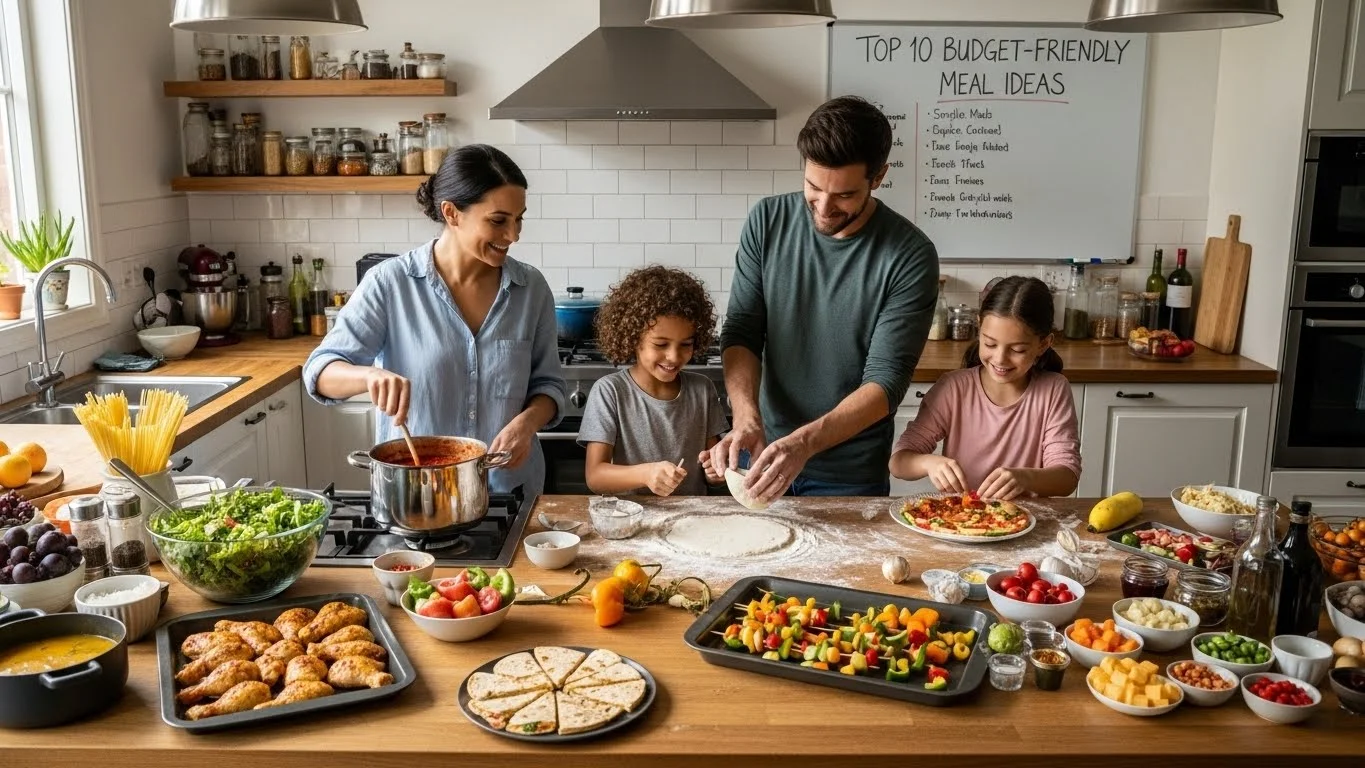
One of the most rewarding changes I’ve made is cooking at home more often. I remember when we used to eat out regularly, thinking it was easier or more convenient. But cooking at home has so many benefits! For one, it allows me to control the ingredients, ensuring they are healthy and affordable. Plus, it’s a fun way to bond with my kids. I’ve found that when they help in the kitchen, they’re much more likely to try new foods. Involving them in meal prep not only teaches them valuable skills but also makes them feel important in the process of creating our meals.
Top 10 Budget-Friendly Meal Ideas
1. One-Pot Pasta Dishes
One-pot pasta is a lifesaver in our home. It’s simple, quick, and perfect for busy weeknights. I usually toss in whatever vegetables we have on hand—spinach, broccoli, or bell peppers work well. I start with some broth, add the pasta, and let it simmer. By the time the pasta is done, we’ve got a hearty meal ready to go. The best part? Clean-up is a breeze!
2. Homemade Pizza Night
Who doesn’t love pizza? I’ve made it a tradition to have homemade pizza nights where the kids can pick their toppings. We often use store-bought dough or make a simple dough ourselves. It’s a fun way to spend time together, and I can sneak in some veggies without them noticing. Plus, it’s much cheaper than ordering out, and we can customize it to our liking.
3. Tasty Tacos with Affordable Fillings
Taco night is another family favorite. I’ve found that using beans, lentils, or ground turkey as fillings keeps costs down. We set up a taco bar with all the fixings—lettuce, cheese, salsa, and whatever else we have in the fridge. This way, everyone gets to build their own tacos, which makes mealtime both fun and interactive.
4. Vegetable Stir-Fry with Rice
Stir-fries are one of my go-to meals when I want something quick and healthy. I often use leftover vegetables, cutting down on waste and costs. A splash of soy sauce and some garlic really brings the flavors together. I serve it over rice or noodles, and it’s always a hit in our house.
5. Budget-Friendly Chili Recipe
Chili is a great option for feeding a crowd without spending a lot. I usually make a big batch using canned beans, tomatoes, and whatever leftover meat we have. It’s filling and packed with protein. Plus, chili tastes even better the next day, so it’s perfect for leftovers!
6. Slow Cooker Stews
When I want a warm, comforting meal, slow cooker stews are my go-to. I throw in some inexpensive cuts of meat, potatoes, carrots, and seasonings in the morning and let it cook all day. By dinnertime, the house smells amazing, and we have a hearty meal ready with minimal effort.
7. Egg-Based Dishes: Frittatas and Omelets
Eggs are one of my favorite budget-friendly ingredients. Frittatas and omelets are not only easy to make but also incredibly versatile. I can add whatever vegetables we have on hand, and it’s a quick meal that everyone loves. Plus, eggs are a great source of protein, making it a nutritious option for breakfast, lunch, or dinner.
8. Simple Sandwiches and Wraps
Sometimes, a simple sandwich or wrap is all we need. I love experimenting with different spreads and fillings. Using whole grain bread or tortillas, I can pack in veggies, lean proteins, and even some cheese. It’s an easy, no-cook meal that works well for busy days.
9. DIY Breakfast Burritos
Breakfast burritos are a hit in our house, especially on weekends when we have a little more time to prepare. I scramble some eggs and add black beans, cheese, and salsa, then wrap them up in tortillas. We can even freeze leftovers for quick breakfasts during the week.
10. Cost-Effective Casseroles
Casseroles are the perfect way to combine ingredients into one dish. I can throw together leftovers, pasta, or rice, along with some vegetables and cheese, and bake it all together. It’s filling, easy to make, and perfect for feeding the family. Plus, it’s a great way to use up what’s in the fridge.
How to Plan and Prepare Budget-Friendly Meals
Meal Planning Strategies
Meal planning has become one of my favorite tools for keeping our food budget in check. I remember when I used to scramble to figure out what to cook each night, often resorting to takeout because I felt overwhelmed. Now, I set aside some time each week to plan our meals. I like to sit down with a notebook and pencil, jotting down ideas for breakfast, lunch, and dinner. I often flip through recipes I’ve saved or browse the internet for inspiration. What I’ve found is that having a plan makes grocery shopping so much more efficient.
I usually start by checking what ingredients I already have in the pantry and fridge. This helps me avoid buying duplicates. Once I have a list of meals, I write down the ingredients I need to purchase. I try to keep the menu flexible by allowing for changes based on what’s on sale or what’s in season. This way, I can adapt without feeling restricted, and it often leads me to discover new favorites.
Shopping on a Budget: Tips and Tricks
When it comes to grocery shopping, I’ve learned a few tricks that help keep our expenses down. First of all, I always bring a shopping list. This helps me stay focused and prevents impulse buys. I also try to shop when I’m not hungry; I’ve noticed that when I go shopping on an empty stomach, I end up tossing unnecessary snacks into the cart.
Buying in bulk has saved me quite a bit, especially for staples like rice, beans, and pasta. I’ve also found that shopping at local farmers’ markets can be a great way to snag fresh produce at lower prices. Plus, I love supporting local farmers! Another tip is to check for store-brand products, which are often just as good as name brands but significantly cheaper. Additionally, I recommend checking out Budget-Friendly Meals for Picky Eaters on Family Trips for more ideas.
Lastly, I make it a habit to look at the clearance section, where you can sometimes find perfectly good items that are nearing their sell-by date. I’m often able to stock up on things like bread, dairy, or meats, which I can freeze for later use.
Maximizing Leftovers for Future Meals
One of the best strategies I’ve adopted is maximizing leftovers. After dinner, I’ll look at what’s left on the table and figure out how to incorporate it into another meal. For instance, if we have leftover chili, I might turn it into chili cheese nachos for lunch the next day or use it as a filling for baked potatoes. I’ve found that a little creativity can stretch leftovers a long way.
Another great way to use leftovers is by creating “leftover nights.” I’ll set up a buffet-style dinner where everyone can pick and choose from the various dishes we have in the fridge. This not only reduces waste but also lets everyone customize their meal. I’ve noticed that my kids actually enjoy the freedom of choosing what they want to eat, making it a fun family event.
By planning ahead, shopping smart, and getting creative with leftovers, I feel like I’m not just saving money—I’m also making cooking an enjoyable and fulfilling part of our lives.
Healthy Ingredients to Consider
Seasonal Vegetables and Fruits
In my journey to eat healthier on a budget, I’ve found that seasonal fruits and vegetables are a game changer. When I buy produce that’s in season, it’s usually fresher, tastier, and cheaper. For example, during summer, we enjoy an abundance of tomatoes, zucchini, and berries, while fall brings us squash and apples. I love visiting local farms or markets to see what’s available. Not only do I get to support local growers, but it also inspires me to try new recipes!
Incorporating more seasonal produce into our meals has made a noticeable difference in our family’s health. I’ve noticed that when we eat a variety of fruits and vegetables, our energy levels increase, and we all feel better overall. Plus, it’s a fun challenge to come up with new meals based on what’s in season.
Whole Grains vs. Processed Options
Another area where I focus my budget is on grains. I’ve learned that whole grains are not only healthier but also very filling. Switching from white rice to brown rice or from regular pasta to whole grain has been beneficial for our family. I remember the first time I made the switch; I was surprised that my kids didn’t even notice! They enjoyed the new textures and flavors, and I felt good knowing they were getting more nutrients.
Whole grains are often just a little more expensive than their processed counterparts, but the health benefits make them worth it. Plus, they can be the base of so many meals—like stir-fries, salads, or sides—making them quite versatile.
Protein Sources: Affordable and Nutritious Choices
Finding affordable protein sources has been key for our family meals. I used to rely heavily on meat, thinking it was the only way to get enough protein. However, I’ve discovered that beans, lentils, and chickpeas are fantastic alternatives. They are not only budget-friendly but also packed with nutrients. I’ve started making dishes like lentil soup or chickpea salads, and my kids love them!
Also, incorporating eggs as a protein source has been a lifesaver. They are not only inexpensive but also quick to prepare. Whether it’s a hearty breakfast or a simple dinner, eggs have become a staple in our home. By diversifying our protein sources, I feel like I’m providing my family with a well-rounded diet while keeping our costs down. I also recommend checking out 10 Budget-Friendly Healthy Meals for Your Baby for more nutritious ideas.
Involving Kids in Meal Preparation
Fun Cooking Activities for Children
Getting kids involved in meal preparation has been one of the most rewarding parts of our cooking journey. I remember when my oldest was just a toddler, standing on a stool beside me as I chopped vegetables. At first, I was nervous about the mess and the potential for accidents, but I soon realized that allowing my kids to help in the kitchen made cooking something we could enjoy together. Now, it’s a bonding experience that we all look forward to!
One of my favorite activities is to have a “chopped” night where we gather whatever leftovers we have in the fridge and challenge the kids to create their own dishes. They get so excited about preparing their meals and experimenting with different flavors. We often end up with some interesting combinations, but it’s all in good fun. I’ve noticed that when they take ownership of their meals, they’re much more likely to eat what they’ve made, even if it includes a few veggies!
Another fun activity is making homemade snacks together. We’ve experimented with granola bars, energy bites, and even simple fruit popsicles. Not only do we end up with healthier treats, but it’s also a fantastic way to teach them about portion sizes and healthier choices. Plus, we get to enjoy our creations together afterward, which makes it even more special.
Teaching Kids About Nutrition and Budgeting
Incorporating lessons about nutrition and budgeting into our cooking has been eye-opening for all of us. I believe it’s important for my kids to understand where their food comes from and how to make healthy choices. One way I do this is by discussing the nutritional value of the ingredients we’re using as we cook. For instance, while making a vegetable stir-fry, I’ll explain how each veggie contributes to our health. I’ve found that they’re much more interested in trying new foods when they can connect the dots between what they eat and how it affects their bodies.
I also like to involve them in budgeting for our meals. When I sit down to plan our weekly menu, I’ll show them the prices of different ingredients and let them help decide which meals will fit within our budget. This not only teaches them about making economical choices but also gives them a sense of responsibility in our family’s meal planning. They love feeling like they’re part of the decision-making process and often come up with creative ideas for meals that are both delicious and cost-effective.
Sometimes, we even have “grocery day” where I take them along with me to shop. I encourage them to compare prices and look for deals, which has made them more aware of the importance of budgeting. It’s rewarding to see them grasp these concepts and take pride in the meals we prepare together.
Frequently Asked Questions
What are some quick meal ideas for busy families?
When we’re in a rush, I love relying on quick meals that are still nutritious. One of my go-to ideas is a veggie-packed stir-fry. I can whip it up in under 30 minutes using whatever vegetables we have on hand and some pre-cooked rice or quinoa. Similarly, I find that breakfast-for-dinner is a hit. Scrambled eggs with toast and fruit can be ready in a flash! Another quick option is wraps filled with deli meats, cheese, and plenty of veggies. They’re easy to assemble and even easier to eat! I always keep a few of these quick options in mind for those hectic evenings.
How can I make meals more appealing to kids?
Making meals fun and appealing to kids is something I’m always working on. I’ve found that presentation matters a lot! Creating colorful plates with a variety of fruits and veggies makes a big difference. I also love using fun shapes when I can—like cutting sandwiches into stars or making fruit kebabs. Getting them involved in the cooking process also helps. When they have a hand in preparing their meals, they’re more likely to eat them! I also try to introduce new foods in a low-pressure way, perhaps by pairing them with something they already love.
What are some tips for reducing food waste?
Reducing food waste has become a priority in our household. One simple tip I’ve found helpful is to plan our meals around what we already have in the fridge. This helps ensure that nothing goes unused. I also try to repurpose leftovers creatively, like using roasted veggies in a frittata the next day. Another way we minimize waste is by freezing any extras. If I have a bunch of bananas that are getting too ripe, I’ll freeze them for smoothies or baking later on. Overall, I believe that with a little creativity and planning, we can make the most of what we have and help the environment at the same time.
Frequently Asked Questions
What are some budget-friendly meals for families?
Some budget-friendly meal ideas include one-pot pasta dishes, homemade pizza, tacos with affordable fillings, vegetable stir-fry, budget-friendly chili, slow cooker stews, egg-based dishes like frittatas and omelets, simple sandwiches and wraps, DIY breakfast burritos, and cost-effective casseroles.
How can I involve my kids in meal preparation?
Involving kids in meal preparation can be done through fun cooking activities, such as having a “chopped” night where they create their own dishes from leftovers, making homemade snacks together, and discussing the nutritional value of the ingredients used while cooking.
What are some strategies for meal planning on a budget?
Meal planning strategies include setting aside time each week to plan meals, checking what ingredients you already have, writing down the needed ingredients, keeping the menu flexible based on sales or seasonal items, and using a shopping list to avoid impulse buys.
How can I reduce food waste in my household?
To reduce food waste, plan meals around what you already have in the fridge, creatively repurpose leftovers, and freeze extras, such as overripe bananas for smoothies or baking later.
What are some affordable protein sources to consider?
Affordable protein sources include beans, lentils, chickpeas, and eggs. These options are budget-friendly, nutritious, and can be incorporated into various meals.
Why is cooking at home beneficial for families?
Cooking at home allows families to control ingredients, ensures meals are healthy and affordable, promotes bonding time, and encourages kids to try new foods when they are involved in meal prep.
How do seasonal fruits and vegetables benefit a budget-friendly diet?
Seasonal fruits and vegetables are usually fresher, tastier, and cheaper, making them a great choice for a budget-friendly diet. Incorporating them into meals can lead to better health and energy levels for the family.
What are some tips for grocery shopping on a budget?
Tips for grocery shopping on a budget include bringing a shopping list, shopping when not hungry, buying in bulk, checking for store-brand products, and exploring clearance sections for deals on soon-to-expire items.
How can I make meals more appealing to kids?
To make meals more appealing to kids, focus on presentation by creating colorful plates, use fun shapes for food, involve them in cooking, and introduce new foods alongside things they already enjoy.
What are the benefits of whole grains over processed options?
Whole grains are healthier, more filling, and provide more nutrients compared to processed options. Incorporating whole grains into meals can enhance their nutritional value without significantly increasing costs.