
Outdoor learning activities offer kids a chance to explore, discover, and engage with nature while having a blast. These budget-friendly options can spark curiosity and create lasting memories without breaking the bank! For more ideas on how to keep learning fun, check out Creative STEM Activities on a Budget for Kids to Enjoy.
Understanding Outdoor Learning Activities
Definition of Outdoor Learning
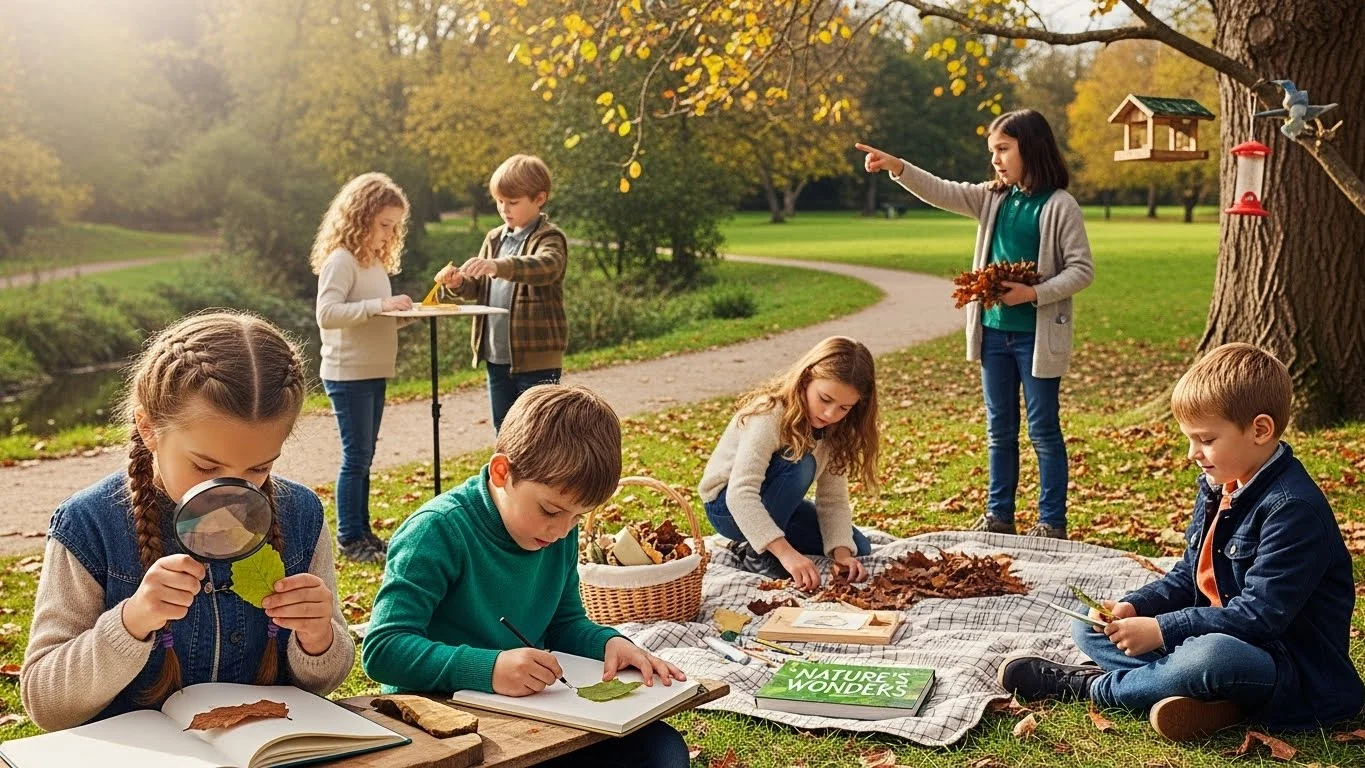
Outdoor learning refers to educational experiences that take place outside of traditional classrooms. I’ve found that it can range from casual play in a park to structured activities that teach various subjects, like science, art, and history. The beauty of outdoor learning is that it leverages the environment as a living classroom, allowing children to interact with and learn from the world around them. I remember the excitement my kids felt during a simple nature walk, where they discovered different types of leaves and insects, turning what could have been ordinary into a fascinating adventure.
Benefits of Outdoor Learning for Kids
The benefits of outdoor learning are numerous and profound. For one, it provides an opportunity for physical activity, which is vital in our screen-heavy world. I noticed how my children’s energy levels soared after spending time outdoors. They were not only more active, but they also seemed happier and more engaged. Outdoor learning enhances creativity, as kids are encouraged to think outside the box and use their imagination. I’ve seen my children come up with their own games and stories while playing in the backyard, showcasing their creativity in a way that often doesn’t happen indoors.
Additionally, outdoor learning fosters social skills. When kids collaborate on projects or play games outside, they learn to communicate, share, and resolve conflicts. I’ve observed how my children formed stronger friendships through shared outdoor experiences, reinforcing the idea that learning can happen in social settings, too. Lastly, outdoor activities can deepen kids’ understanding of nature and environmental stewardship. I believe that fostering a connection to nature instills a sense of responsibility towards our planet, something I strive to teach my kids every day.
Importance of Budget-Friendly Options
In today’s world, finding activities that are both educational and budget-friendly is essential. I know firsthand how easy it can be to overspend on entertainment for kids, especially when there are so many options available. That’s why I appreciate the value of outdoor learning activities that require minimal resources but provide immense educational benefits. Many of these activities can be done with items we already have at home or can be gathered from our environment, making them accessible to everyone.
Choosing budget-friendly options also encourages creativity and resourcefulness. For instance, instead of buying expensive materials for a project, we’ve learned to use recycled items or natural materials found in our surroundings. This not only saves money but also teaches kids to appreciate what they have, a lesson that’s increasingly important in our consumer-driven society. I’ve noticed that my children take pride in their creations when they know they used items that would have otherwise been thrown away. By focusing on cost-effective outdoor learning activities, we can make these enriching experiences available to all children, regardless of their economic background. For more budget-friendly ideas, check out Top 10 Budget-Friendly STEM Activities for Kids.
Top 10 Budget-Friendly Outdoor Learning Activities
1. Nature Scavenger Hunt
One of my absolute favorites is the nature scavenger hunt. It’s simple, fun, and can be customized based on where you live. I usually create a list of items for my kids to find, like specific leaves, rocks, or even signs of wildlife. It encourages them to observe their surroundings closely and teaches them about local flora and fauna. Plus, it’s a great way for us to spend quality time together as a family.
2. DIY Bird Feeder Crafting
Crafting a bird feeder is another fantastic outdoor activity. We’ve made feeders from pine cones, peanut butter, and birdseed. It’s inexpensive and teaches kids about wildlife while also nurturing a sense of responsibility as they learn to care for the birds visiting our yard. I’ve enjoyed watching my kids’ faces light up when they spot different bird species that come to feast on their handiwork.
3. Gardening Basics for Kids
Gardening is an excellent way for kids to learn about plant life cycles, responsibility, and even nutrition. We started a small vegetable garden in our backyard, and I can’t tell you how rewarding it is to see the kids take ownership of it. They help with planting, watering, and eventually harvesting. It’s a hands-on experience that teaches them where food comes from and the importance of caring for living things.
4. Outdoor Science Experiments
Outdoor science experiments can turn a regular day into an exciting learning adventure. We’ve tried simple experiments like creating a volcano with baking soda and vinegar or using a magnifying glass to start a small fire (while being extremely cautious, of course!). These activities not only pique their interest in science but also provide a fun platform to ask questions and explore concepts further. For more ideas on engaging kids in science, check out Explore STEM: Fun & Affordable Activities for Young Minds.
5. Historical Site Visits
If you have historical sites nearby, I highly recommend taking a trip. Many local parks and their histories can be explored for free or at a low cost. I took my kids to a nearby battlefield once, and they were fascinated by the stories of the past. It brought history to life in a way that books—or even documentaries—simply can’t. Plus, it helps them draw connections between what they learn in school and real-world events.
6. Community Clean-Up Projects
Getting involved in community clean-up projects teaches kids about environmental stewardship and the importance of caring for their surroundings. We participated in a local park clean-up day once, and it was such a rewarding experience. I noticed how proud my kids felt when they collected trash and made a difference in the community. It’s a simple way to give back while learning about teamwork and responsibility.
7. Nature Journaling
Nature journaling is a beautiful way to combine creativity with observation. We always carry notebooks and colored pencils on our outdoor adventures. My kids love drawing what they see and writing about their experiences. It encourages them to slow down and really notice their environment, enhancing their observational skills while allowing them to express their thoughts artistically.
8. Outdoor Storytime Sessions
Why not take storytime outside? We’ve set up a little blanket in the backyard to read our favorite books under the trees. The sounds of nature create a relaxing atmosphere, and it’s a unique way to enjoy literature. I find that the outdoor setting adds a magical touch, capturing their attention in ways that indoor reading sometimes doesn’t.
9. Star Gazing Nights
Star gazing is an enchanting activity that can ignite a love for astronomy. On clear nights, we lay out blankets and look at the stars. I often bring along a star chart or an app on my phone to identify constellations. It’s a peaceful way to spend an evening, and the wonder of the universe is always a great conversation starter.
10. Wildlife Observation Walks
Lastly, wildlife observation walks can be an exciting way to connect with nature. I often take my kids on trails where we can quietly observe animals in their natural habitats. With a pair of binoculars and a little patience, we’ve spotted everything from deer to various bird species. These moments foster appreciation for wildlife and teach kids to respect the ecosystem around them.
How to Make the Most of Each Activity
Planning and Preparation Tips
To truly maximize our outdoor learning experiences, I’ve learned that a little planning goes a long way. Before heading out, I like to think about what I want my kids to gain from the activity. For example, if we’re going on a nature scavenger hunt, I’ll spend some time researching the local flora and fauna. This way, I can tailor our scavenger list to include items that will spark their interest and provide educational value. I also involve my kids in the planning process; it gets them excited and lets them feel a sense of ownership over our adventures.
Another tip I’ve found helpful is to choose the right time of day. Mornings or late afternoons are often the best times for outdoor activities. The light is softer, temperatures are cooler, and wildlife tends to be more active. Plus, avoiding the intense midday sun can make the experience more enjoyable for everyone.
Lastly, I always keep a flexible mindset. Some of our best moments have happened when things didn’t go as planned. If the kids show more interest in a particular area of the park than I anticipated, I follow their lead. This adaptability not only creates a more enjoyable experience but also encourages them to explore and learn more naturally.
Materials Needed for Each Activity
When planning our outdoor activities, I make sure to gather all the materials we might need beforehand. For a nature scavenger hunt, I prepare a list and bring along some bags for collecting items. In the case of our DIY bird feeders, basic materials like pine cones, peanut butter, and birdseed are easy to find, and I usually have them on hand at home. I recommend checking your pantry before heading out; you might be surprised at what you can repurpose!
For gardening, having some seeds, soil, and basic tools ready is essential. I also encourage my kids to decorate garden markers, which adds a fun, personal touch to our gardening project. For outdoor science experiments, simple household items like baking soda and vinegar can create hours of entertainment and education. Always remember to pack essentials like water bottles, snacks, and sunscreen, especially on warmer days.
Safety Considerations
Safety is a priority during our outdoor adventures, and I can’t stress its importance enough. I always remind my kids to stay close, especially on nature walks or community clean-ups where we might be near busy areas. Teaching them what to look for in terms of safety, like avoiding poison ivy or staying clear of steep areas, has been crucial in helping them become more aware of their surroundings.
When it comes to activities like bird feeder crafting or gardening, I ensure they use tools that are age-appropriate. For instance, if they’re using scissors, I’m there to supervise and guide them. Additionally, we talk about being cautious around wildlife—keeping a safe distance and not approaching animals. I find that an open conversation about these safety aspects not only keeps them safe but also empowers them to take responsibility for their own well-being.
Lastly, I always bring a basic first-aid kit with me. It doesn’t have to be elaborate; just some band-aids, antiseptic wipes, and insect repellent can make a big difference. It gives me peace of mind, knowing that we’re prepared for minor scrapes or insect bites while we enjoy our time outdoors.
Integrating Learning with Play
Combining Physical Activity with Education
One of the most exciting aspects of outdoor learning is how effortlessly it combines education with physical activity. I’ve observed that when my kids are engaged in physical activities, they seem to absorb information more readily. Whether we’re running around during a scavenger hunt or planting seeds in the garden, these activities keep them moving and engaged. I believe this interplay is crucial for their development.
For example, when we do gardening, it’s not just about planting seeds and watering plants; it’s also a physical workout. They’re digging, lifting, and stretching, all while learning about botany and nutrition. I’ve noticed that their natural curiosity shines through when they’re active, making learning feel less like a chore and more like a delightful adventure.
I also try to incorporate movement into other activities. During wildlife observation walks, we might take short breaks to do some jumping jacks or stretches. This keeps their energy up and allows them to refocus their attention on what we’re learning. I feel that these moments of physical activity are essential, especially when we’re outside, where there’s so much to explore.
Encouraging Curiosity and Exploration
Encouraging curiosity is a vital part of our outdoor learning experiences. I’ve found that letting my kids lead the way often results in the most memorable moments. If they spot an interesting bug or an unusual plant, we take the time to investigate. I’ve learned that asking open-ended questions helps them think critically and sparks their interest further. Questions like “What do you think this bug does?” or “How do you think this plant grows?” keep the conversation flowing and encourage exploration.
Sometimes, I bring along a field guide or a simple app to identify plants and animals. This not only adds an educational component but also empowers them to discover and learn independently. I’ve seen their faces light up when they can identify something they’ve never seen before, and it reinforces their love for nature.
Overall, I believe that integrating play with learning is one of the best gifts we can give our children. It creates a positive association with education and encourages them to be lifelong learners. I cherish the moments when they come to me with questions or insights about the world around them, knowing that our outdoor adventures played a part in nurturing that curiosity.
Additional Resources for Outdoor Learning
Books and Guides for Parents
As I dove deeper into outdoor learning, I discovered a treasure trove of books and guides that have enriched our experiences. There are some fantastic resources out there that not only provide activity ideas but also offer insights into the educational benefits of spending time outdoors. One of my favorites is “Last Child in the Woods” by Richard Louv, which discusses the importance of nature for children’s well-being and learning. It truly resonated with me and inspired me to be more intentional about our outdoor time.
I also recommend “The Outdoor Classroom” series, which is packed with practical activities and tips for bringing learning outside. These books have been invaluable in helping me create engaging experiences for my kids. I often find myself flipping through these guides before planning our next adventure, looking for fresh ideas that align with what we’re studying or curious about at the moment.
Additionally, I’ve stumbled upon some delightful children’s nature books that not only teach kids about the environment but also spark their imagination. Titles like “The Curious Garden” by Peter Brown and “Miss Rumphius” by Barbara Cooney have been wonderful additions to our reading list. They beautifully intertwine storytelling with lessons about nature, which has made our storytime even more special.
Online Communities and Forums
In my quest for outdoor learning inspiration, I found a vibrant online community of like-minded parents and educators. Joining forums and social media groups dedicated to outdoor education has been a game changer. I’ve met parents who share their own experiences, tips, and resources that have helped me expand our outdoor learning adventures.
One of my go-to places is Facebook groups focused on homeschooling and outdoor learning. They often post challenges, share activity ideas, and even organize local meet-ups where families can connect and learn together. I remember joining a “30 Days of Outdoor Learning” challenge and being amazed at the creativity everyone brought to the table. It pushed me to think outside the box and try new activities that I might not have considered otherwise.
Another fantastic resource is Pinterest, where I’ve compiled boards filled with outdoor learning ideas. I love scrolling through creative projects, seasonal activities, and educational games that other parents have shared. It’s like having a virtual scrapbook of inspiration at my fingertips, ready to be used whenever I need a spark of creativity.
Local Parks and Nature Centers
Don’t underestimate the wealth of knowledge and activities available in local parks and nature centers. We’ve been fortunate to have a few nearby that offer guided programs, workshops, and events tailored for families. I find that these places are often underutilized, yet they can provide amazing learning opportunities for kids.
At our local nature center, we’ve participated in hands-on programs like pond dipping and bug hunting, which have been incredible for my kids to experience ecology up close. The staff there is usually well-trained and enthusiastic about sharing their knowledge, making it a fun outing as well as an educational one. I often leave feeling just as inspired as my kids do!
Many parks also organize seasonal events like guided nature walks, bird-watching sessions, or even stargazing nights, which can be a fantastic way to engage with nature and learn more about our environment. I always keep an eye on their event calendars to make sure we don’t miss out on these opportunities. It’s a wonderful way to not only enjoy nature but also to connect with our community.
In addition to structured programs, I’ve found that simply visiting our local parks can spark spontaneous learning. Each time we go, there’s something new to explore, whether it’s observing animal tracks, identifying birds, or simply enjoying the changing seasons. These experiences reinforce my belief that learning can happen anywhere, and with the right mindset, every outing can become an adventure.
Frequently Asked Questions
What are outdoor learning activities?
Outdoor learning activities refer to educational experiences that occur outside of traditional classrooms, ranging from casual play to structured activities that teach subjects like science, art, and history.
What are the benefits of outdoor learning for kids?
The benefits of outdoor learning include increased physical activity, enhanced creativity, improved social skills, and a deeper understanding of nature and environmental stewardship.
Why are budget-friendly outdoor learning options important?
Budget-friendly outdoor learning options are essential as they provide accessible educational experiences without overspending, encouraging creativity and resourcefulness while making enriching activities available to all children.
What is a nature scavenger hunt?
A nature scavenger hunt is a fun outdoor activity where kids search for specific items in nature, such as leaves or rocks, fostering observation skills and knowledge about local flora and fauna.
How can kids learn through gardening?
Gardening teaches kids about plant life cycles, responsibility, and nutrition, providing a hands-on experience that shows them where food comes from and the importance of caring for living things.
What safety considerations should be taken during outdoor activities?
Safety considerations include keeping children close during outdoor adventures, teaching them to recognize hazards like poison ivy, ensuring they use age-appropriate tools, and bringing a basic first-aid kit for minor incidents.
How can parents integrate learning with play during outdoor activities?
Parents can integrate learning with play by encouraging physical activity during educational experiences, allowing children to explore and ask questions, and incorporating movement into activities to keep them engaged and focused.
What materials are needed for outdoor learning activities?
The materials needed vary by activity but may include items like scavenger hunt lists, bird feeder crafting supplies, gardening tools, and household items for science experiments.
How can parents encourage curiosity during outdoor learning?
Parents can encourage curiosity by allowing children to lead explorations, asking open-ended questions, and providing resources like field guides or apps to help them identify plants and animals.
What resources are available for parents interested in outdoor learning?
Resources for outdoor learning include books and guides on outdoor education, online communities for sharing ideas and activities, and local parks and nature centers offering programs and events for families.