
Ensuring our kids have the right vitamins is crucial for their growth and development. With so much information out there, it can be overwhelming to know which vitamins are truly essential. Let’s dive into the world of vitamins and how they impact our children’s health. Read Interesting article: Quick Vegan Recipes to Nourish Your Kids Without Breaking Bank
Understanding Vitamins and Their Role in Child Development
What Are Vitamins?
Vitamins are organic compounds that our bodies need to function properly. They play a vital role in various bodily processes, from boosting our immune system to ensuring our cells operate efficiently. Unlike macronutrients like carbohydrates and proteins, vitamins are needed in smaller amounts but are no less important. I remember learning about vitamins in school, and it amazed me how these tiny substances could have such a massive impact on our health.
The Importance of Vitamins for Kids
For children, vitamins are even more crucial as they support growth, development, and overall well-being. Kids are constantly developing new skills, growing taller, and becoming more active, which means their bodies require specific nutrients to keep up with these changes. I’ve seen firsthand how a balanced diet rich in vitamins can help kids maintain their energy levels and mood. When my son started kindergarten, I noticed how his concentration improved when he had a nutritious breakfast filled with vitamins. Read Interesting article: Vegan Nutrition Tips for Healthy Kids: A Parent’s Guide
How Vitamins Affect Growth and Development
I’ve learned that vitamins are involved in almost every aspect of child development. For instance, Vitamin D is essential for bone development, while Vitamin A supports vision and immune function. It’s like each vitamin has a unique role to play in the symphony of growth. I remember a time when my daughter was a picky eater, and I was worried about her getting enough nutrients. After doing some research, I discovered that incorporating colorful fruits and vegetables into her meals not only made her food more appealing but also ensured she was getting a variety of vitamins. It was a game-changer for us!
Top 10 Essential Vitamins for Kids
1. Vitamin A
Benefits for Vision and Immune Function
Vitamin A is crucial for maintaining healthy vision and a strong immune system. It helps the body fight off infections and keeps the skin and eyes in good condition. I remember reading about how important it is for kids to get enough Vitamin A, especially since they’re constantly exposed to new germs at school.
Food Sources of Vitamin A
You can find Vitamin A in foods like carrots, sweet potatoes, spinach, and eggs. When my kids started showing interest in helping in the kitchen, we began making carrot sticks with hummus as a fun snack. They loved it, and I felt great knowing they were getting their Vitamin A!
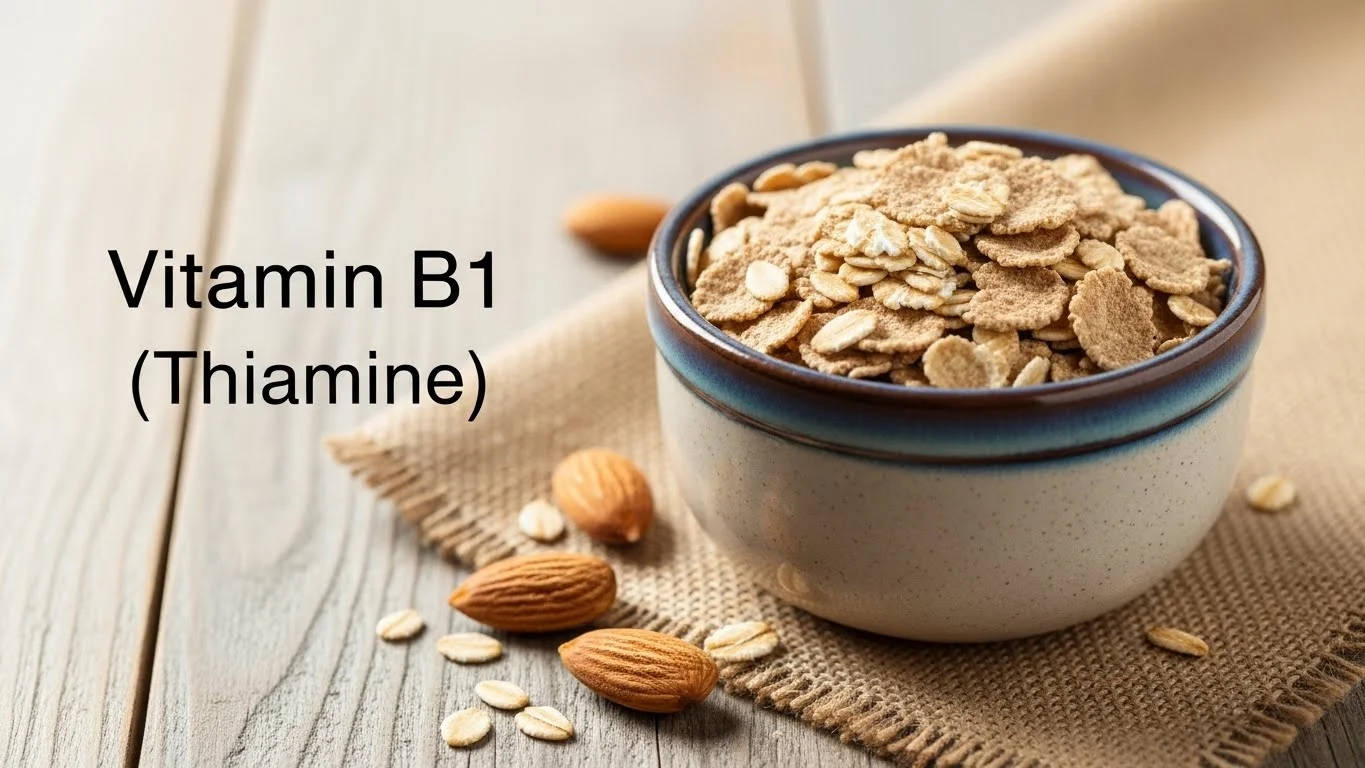
2. Vitamin B1 (Thiamine)
Role in Energy Production
Vitamin B1 plays a key role in energy production and is essential for the proper functioning of the nervous system. Kids need energy to stay active and learn, and I’ve noticed that when my children have a balanced intake of B vitamins, they seem more focused and energetic.
Food Sources of Vitamin B1
Foods rich in Vitamin B1 include whole grains, pork, and legumes. I often make sure to include brown rice or whole grain pasta in our meals. It’s a simple way to ensure they’re getting the energy they need!
3. Vitamin B2 (Riboflavin)
Importance for Growth and Cell Function
Vitamin B2 is vital for growth and helps our bodies convert food into energy. It’s also important for healthy skin and eyes. I always found it interesting how much riboflavin contributes to overall health.
Food Sources of Vitamin B2
Good sources of Vitamin B2 include dairy products, eggs, green leafy vegetables, and nuts. I often include yogurt in my kids’ lunches since it’s not only delicious but also packed with nutrients, including riboflavin!
4. Vitamin B3 (Niacin)
Impact on Digestion and Skin Health
Vitamin B3 is known for its role in digestion and maintaining skin health. It helps convert food into energy and keeps the digestive system functioning smoothly. I’ve seen how a well-functioning digestive system can affect my kids’ mood and energy levels.
Food Sources of Vitamin B3
You can find Vitamin B3 in meat, fish, whole grains, and fortified cereals. I like to prepare tuna salad sandwiches for lunch, which not only provides B3 but is also a hit with the kids!
5. Vitamin B6 (Pyridoxine)
Role in Brain Development and Function
Vitamin B6 is essential for brain development and function. It helps with the production of neurotransmitters, which are crucial for mood and behavior. I can definitely say that I’ve noticed a difference in my kids’ focus when they have a balanced diet rich in this vitamin.
Food Sources of Vitamin B6
Foods high in Vitamin B6 include chicken, fish, potatoes, and bananas. When I’m making smoothies, I often toss in a banana for a natural sweetness and a dose of B6!
6. Vitamin B12 (Cobalamin)
Importance for Red Blood Cell Formation
Vitamin B12 is important for red blood cell formation and keeping the nervous system healthy. It’s especially important for growing kids, as it supports overall energy levels.
Food Sources of Vitamin B12
Vitamin B12 is found in animal products like meat, fish, dairy, and eggs. For us, including eggs in breakfast or lunch has been an easy way to ensure they get this essential vitamin.
7. Vitamin C
Benefits for Immune System and Skin Health
Vitamin C is well-known for its immune-boosting properties and its role in skin health. It helps the body absorb iron and supports the healing of wounds. I always encourage my kids to eat their fruits and vegetables, especially when they’re feeling under the weather.
Food Sources of Vitamin C
Fruits like oranges, strawberries, kiwi, and vegetables such as bell peppers and broccoli are rich in Vitamin C. We often make fruit salads or smoothies packed with these colorful options at home!
8. Vitamin D
Role in Bone Health and Calcium Absorption
Vitamin D is critical for bone health and helps the body absorb calcium. With kids growing rapidly, ensuring they have enough Vitamin D is paramount. I remember reading about how many children are deficient in this vitamin, so I always make an effort to get my kids outside for some sunshine.
Food Sources of Vitamin D
While sunlight is a primary source, Vitamin D can also be found in fatty fish, fortified dairy, and egg yolks. On weekends, we often enjoy salmon for dinner, which is not only delicious but also rich in Vitamin D.
9. Vitamin E
Importance as an Antioxidant
Vitamin E acts as a powerful antioxidant, protecting the body from oxidative stress. It supports the immune system and skin health. I think it’s fascinating how such a tiny vitamin can have such a significant impact on our overall health!
Food Sources of Vitamin E
Good sources of Vitamin E include nuts, seeds, and green leafy vegetables. I like to add a handful of almonds or sunflower seeds to my kids’ snacks; it’s an easy way to boost their Vitamin E intake.
10. Vitamin K
Role in Blood Clotting and Bone Health
Vitamin K is essential for blood clotting and maintaining strong bones. It plays a vital role in helping the body heal and recover from injuries. I’ve learned that it’s not just about getting kids to eat; it’s also about ensuring they have the right balance of nutrients for their growing bodies.
Food Sources of Vitamin K
Foods rich in Vitamin K include green leafy vegetables like kale, spinach, and broccoli. I often make salads or incorporate greens into our meals to help my kids get their fill of this essential vitamin.
When to Consider Vitamin Supplements for Kids
Signs of Vitamin Deficiency
As a parent, it’s important for me to be observant of my kids’ health and behavior. I’ve learned that some signs can indicate a vitamin deficiency. For example, if my children seem more fatigued than usual, have frequent infections, or even show changes in their skin or hair, it may be time to take a closer look at their vitamin intake. I remember a period when my daughter was unusually cranky, and after some reflection, I realized her diet had been lacking in fresh fruits and vegetables. Once we made some adjustments, her mood improved significantly!
Other signs can include delayed growth, trouble concentrating, or even recurring colds. In our case, my son had trouble with his skin. A visit to the pediatrician revealed a deficiency in Vitamin D. It was a wake-up call for us to pay more attention to their diets and the vitamins they were getting.
Consulting with Healthcare Professionals
Whenever I have concerns about my kids’ nutrition, I think it’s essential to consult with healthcare professionals. Our pediatrician has been an invaluable resource in understanding our children’s specific needs. During our visits, I’ve asked about their growth patterns and any potential deficiencies. I appreciate how they can provide tailored advice based on our family history and lifestyle.
I’ve also learned that blood tests can help identify deficiencies that might not be apparent from just observing symptoms. It’s reassuring to have professional guidance, especially when the world of vitamins can feel so overwhelming. I remember feeling a bit lost at first, but having an expert to turn to made all the difference in our journey toward better nutrition.
Choosing the Right Supplements
When considering vitamin supplements, I’ve found it’s crucial to choose high-quality products. With so many options on the market, I prefer looking for supplements that are specifically designed for children, as these tend to be formulated with their needs in mind. I always read the labels to ensure they have the right balance of vitamins without excessive additives or sugars. My experience has shown that it’s best to avoid gummy vitamins that are tempting to kids but often loaded with sugar.
In our case, we opted for a liquid multivitamin that my kids actually like. It has been an easy way to ensure they’re getting the essential nutrients they might miss from their diet. However, I keep in mind that supplements are just that—supplements. They should never replace a healthy, balanced diet. I believe that food is the best source of vitamins and minerals, and I strive to teach my kids the importance of eating whole foods. Read Interesting article: How to Ensure Your Kids Get Vegan Nutrients Daily
How to Ensure Kids Get Enough Vitamins
Creating a Balanced Diet
Creating a balanced diet for my kids has become a rewarding challenge. I’ve learned that a variety of colorful fruits and vegetables is key. I try to make sure their plates look like a rainbow, which not only makes meals visually appealing but also ensures they’re getting a wide range of nutrients. I remember one day when we prepared a stir-fry with bell peppers, broccoli, and carrots. My kids were excited about the colors, and I felt great knowing they were consuming lots of vitamins!
It’s also important for me to include whole grains, lean proteins, and healthy fats. I’ve found that making small adjustments to our meals, like swapping white bread for whole grain or adding avocado to sandwiches, can be very effective. This way, I know I’m providing them with the energy they need to play and learn without compromising on nutrition.
Fun and Engaging Ways to Encourage Healthy Eating
I think one of the best ways to encourage my kids to eat healthy is to make it fun! We often involve them in meal prep, letting them pick out fruits and vegetables at the grocery store. I remember the excitement in their eyes when they chose vibrant ingredients for a smoothie. We even have a little contest to see who can come up with the most creative smoothie recipe, which has made them more enthusiastic about trying new flavors!
Another idea I love is turning healthy snacks into a playful experience. For instance, we create “fun faces” on their plates using sliced fruits and vegetables. It’s amazing how much more they’ll eat when it looks like a silly character! These small changes in our approach to food have made a big difference in our household, and I’ve seen my kids develop a more positive relationship with healthy eating.
Meal Planning Tips for Parents
Meal planning has become a lifesaver for me. I find that when I take the time to plan our meals for the week, it reduces stress and helps ensure that my kids are getting the right nutrients. I usually sit down on Sundays and map out what we’ll eat for the week, taking into consideration the vitamins and minerals each meal provides.
I’ve also started batch cooking—preparing large quantities of healthy meals that I can freeze for later. It’s a game-changer for busy weekdays when I might not have the time to cook from scratch. I remember one week, I made a big pot of vegetable soup packed with nutrient-rich goodies like carrots, spinach, and beans. We enjoyed it for several days, and I felt happy knowing it was nourishing my family.
Involving my kids in planning and cooking has made it easier to get them excited about their meals. They take pride in their involvement and are more likely to try new things when they feel connected to the process. It’s a win-win for everyone!
Common Myths About Vitamins for Kids
Myth 1: Kids Get All Vitamins They Need from Food
I used to think that if my kids ate a variety of foods, they were automatically getting all the vitamins they needed. However, I’ve come to realize that our busy lives can make this challenging. Many kids are picky eaters, and not every meal is perfectly balanced. For instance, when my daughter went through her “no vegetables” phase, it worried me. I learned that even the most diligent parents can struggle to ensure their kids are getting all the essential nutrients from food alone. I’ve seen firsthand how supplements can play a supportive role, particularly in filling those gaps in their diet.
Myth 2: All Supplements Are Created Equal
This is a myth I definitely fell for when I first started looking into vitamins for my kids. I thought that as long as the label said “children’s vitamins,” they were safe and effective. But I quickly learned that the quality of supplements can vary widely. Some brands are packed with artificial colors, flavors, and sugars, which can be misleading. I remember my friend’s experience with a popular gummy vitamin—while it was appealing to her kids, the sugar content was alarming! Now, I do my research and only choose reputable brands that prioritize quality and transparency in their ingredients.
Myth 3: More Vitamins Mean Better Health
In my quest to optimize my kids’ nutrition, I found myself falling into the trap of thinking that more vitamins could only be better. But the truth is, there can be too much of a good thing. I learned that some vitamins are fat-soluble, meaning they can build up in the body and potentially lead to toxicity. For example, excessive Vitamin A intake can be harmful. Now, I focus on balance rather than excess, making sure my kids get a variety of vitamins through a well-rounded diet while using supplements carefully and sparingly.
Conclusion and Final Thoughts on Vitamins for Kids
In navigating the world of vitamins for my children, I’ve found that knowledge and a balanced approach are crucial. By understanding the myths around vitamins, I feel more empowered to make informed choices for my kids’ health. It’s all about ensuring they have the nutrients they need to thrive, and that journey continues to be an adventure for our family!
Frequently Asked Questions
What are vitamins and why are they important for children?
Vitamins are organic compounds that our bodies need to function properly. They play a vital role in various bodily processes, supporting growth, development, and overall well-being in children. Ensuring kids have the right vitamins is crucial for their health.
What are the top essential vitamins for kids?
The top 10 essential vitamins for kids include Vitamin A, B1 (Thiamine), B2 (Riboflavin), B3 (Niacin), B6 (Pyridoxine), B12 (Cobalamin), C, D, E, and K. Each vitamin has unique benefits that support various aspects of growth and development.
What food sources are rich in Vitamin A?
Vitamin A can be found in foods like carrots, sweet potatoes, spinach, and eggs. These foods help maintain healthy vision and a strong immune system.
How does Vitamin C benefit children’s health?
Vitamin C is well-known for its immune-boosting properties and its role in skin health. It helps the body absorb iron and supports the healing of wounds, making it an important vitamin for children.
When should parents consider vitamin supplements for their kids?
Parents should consider vitamin supplements if their children show signs of vitamin deficiency, such as fatigue, frequent infections, delayed growth, or trouble concentrating. Consulting with healthcare professionals can provide tailored advice.
What are some signs of vitamin deficiency in children?
Signs of vitamin deficiency in children can include unusual fatigue, frequent infections, changes in skin or hair, delayed growth, and trouble concentrating. If these symptoms are observed, it may be time to evaluate their vitamin intake.
How can parents ensure their kids get enough vitamins?
Parents can ensure their kids get enough vitamins by creating a balanced diet that includes a variety of colorful fruits and vegetables, whole grains, lean proteins, and healthy fats. Engaging children in meal prep can also encourage healthy eating habits.
What common myths exist about vitamins for kids?
Common myths about vitamins for kids include the belief that kids get all the vitamins they need from food alone, that all supplements are created equal, and that more vitamins mean better health. Understanding these myths is crucial for making informed choices.
What role do healthcare professionals play in a child’s nutrition?
Healthcare professionals, such as pediatricians, can provide invaluable guidance on children’s nutrition, helping identify potential deficiencies and offering tailored advice based on a family’s history and lifestyle.
Why is it important to choose high-quality vitamin supplements?
Choosing high-quality vitamin supplements is important because not all supplements are created equal. Some may contain harmful additives or excessive sugars. It’s essential to look for reputable brands that prioritize quality and transparency in their ingredients.