
Traveling with kids can be an exciting adventure, especially when we incorporate hands-on learning activities. These experiences not only create lasting memories but also enrich our children’s understanding of the world around them. Read Interesting article: Homeschooling Success: Adapting to Different Learning Styles
Understanding Hands-On Learning for Kids
What is Hands-On Learning?
Hands-on learning is all about engaging directly with materials and experiences. It’s a method where kids learn by doing rather than just listening or reading. I remember the first time my kids tried hands-on learning during a trip; it was like a light bulb went off for them. Instead of just seeing and hearing about things, they were able to interact, explore, and discover in a way that was meaningful to them. This approach makes learning memorable and fun, allowing children to grasp concepts in a more tangible way.
Benefits of Hands-On Learning for Children
The benefits of hands-on learning for kids are vast. I’ve noticed that it fosters curiosity and a love for exploration. When children can touch, manipulate, and experiment, they develop critical thinking skills and creativity. For instance, my children became more engaged and enthusiastic about history after participating in a historical role-playing activity. It transformed their understanding from passive absorption to active participation, which I believe is crucial for effective learning. They also gain confidence as they tackle challenges and learn new skills, paving the way for lifelong learning.
Why Travel is a Unique Opportunity for Learning
Travel offers a unique backdrop for hands-on learning. Each destination has its own culture, history, and environment, providing endless opportunities for kids to learn in a way that’s rich and diverse. I’ve found that when we travel, the world becomes our classroom. Whether we’re exploring ancient ruins, hiking through a national park, or cooking a local dish, the experiences are authentic and immersive. This real-world context helps kids connect the dots between what they learn in school and the wider world. For example, while visiting a science museum in another country, my kids were able to see real-life applications of their lessons in physics and biology, sparking deeper interest in those subjects. Read Interesting article: Discover Your Child’s Learning Style for Effective Homeschooling
Top 10 Hands-On Learning Activities for Kids While Traveling
1. Cultural Cooking Classes
Exploring Local Cuisine
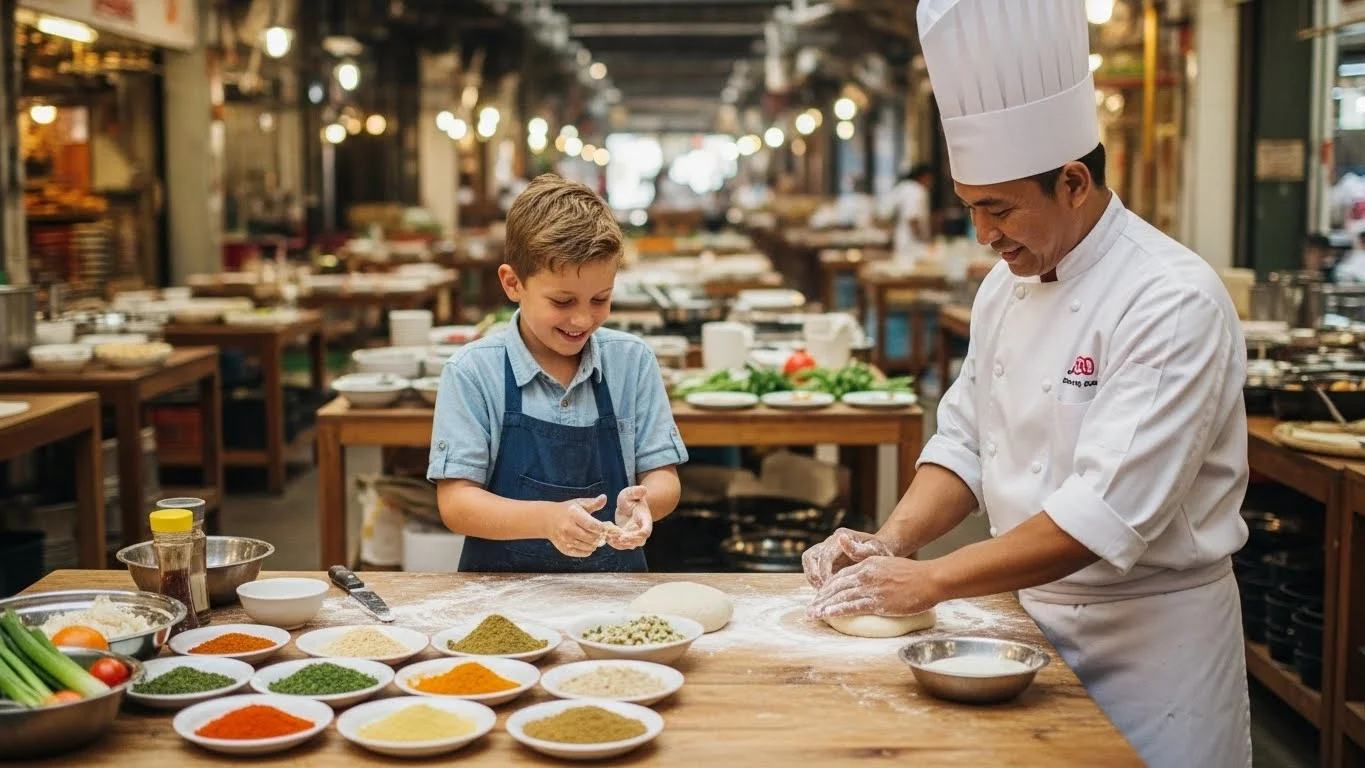
Taking a cooking class can be one of the most delightful ways for kids to engage with a new culture. I remember signing up for a pasta-making class in Italy, where my children learned about the history of the dish and the ingredients used. They loved getting their hands floury and trying their hand at kneading dough. This experience not only taught them about Italian cuisine but also about the importance of food in cultural identity.
Interactive Cooking Techniques
In a cooking class, kids get to experience interactive techniques like chopping, mixing, and tasting. They also learn about local ingredients and how to use them in traditional recipes. This hands-on approach not only nurtures their culinary skills but also encourages openness to trying new foods, which is crucial for developing a more adventurous palate.
2. Nature Scavenger Hunts
Identifying Local Flora and Fauna
Nature scavenger hunts are a fantastic way to engage kids with their environment. I organized one during a family trip to a national park, and it turned out to be a highlight of our trip. Armed with a checklist of local plants and animals, my kids learned to observe their surroundings carefully. They were thrilled to spot a blue jay and identify it using the guide we provided.
Engaging with the Environment
These hunts encourage curiosity and foster a love for nature. They can also be tied to lessons in science, such as understanding ecosystems or the importance of biodiversity. Watching my kids connect with nature in this way was incredibly rewarding, and it inspired them to ask more questions about the world around them.
3. Historical Role-Playing
Visiting Historical Sites
Exploring historical sites while role-playing can bring history to life. During our trip to Philadelphia, I encouraged my kids to dress up as historical figures and reenact significant events. They became George Washington and Benjamin Franklin for the day, and it turned into a fascinating adventure. They not only learned about American history but also developed a deeper appreciation for the struggles and triumphs of those who came before us.
Engaging with Local History
This type of immersive learning creates a memorable connection to history that books alone cannot provide. I saw firsthand how excited my kids were to share what they learned with their friends when we returned home. It was like they had stepped back in time, and their excitement was contagious.
4. Art and Craft Workshops
Learning Local Art Techniques
Art workshops can be another wonderful hands-on experience. When we traveled to Mexico, we joined a pottery class where the kids learned about traditional techniques. They took pride in creating their own pieces, and I loved seeing their creativity shine. Each child had a different interpretation of the same project, which was a beautiful reminder of how art can express individuality.
Creating Souvenirs
Not only do these workshops teach local art techniques, but they also provide a tangible souvenir of our travels. I still have the pottery pieces my kids made, and every time I see them, I’m reminded of our shared experience and the lessons learned. It’s a great way to blend creativity with cultural education, making the learning experience even more impactful.
5. Language Immersion Activities
Conversational Practice with Locals
Engaging in language immersion activities can be incredibly effective for kids. During our trip to Spain, we encouraged our children to practice basic phrases with locals in the market. At first, they were shy, but as they gained confidence, their excitement grew. They loved making new friends and feeling a sense of accomplishment when they successfully communicated.
Fun Language Games
In addition to real conversations, we also played language games, which made learning fun. These activities helped them understand the local culture on a deeper level and made our travels more enriching. I saw their language skills blossom, and it instilled a sense of respect for different cultures and traditions.
Top 10 Hands-On Learning Activities for Kids While Traveling
6. Science Experiments in Nature
Hands-On Science Activities
One of my favorite ways to combine travel and science is by organizing hands-on experiments in nature. During our trip to the beach, I brought along a simple science kit that allowed my kids to explore the properties of sand and water. We made “sand volcanoes” using sand, water, and baking soda. Watching their eyes light up as the “lava” erupted was priceless. These moments not only sparked their imaginations but also encouraged them to ask questions about the science behind what they were doing. I believe that when kids can see science in action, it becomes so much more relatable and exciting.
Learning About Local Ecosystems
Every destination has its unique ecosystem, and exploring those can be like stepping into a natural classroom. On another trip, we visited a local forest and took part in a guided nature walk where we learned about different plants and animals. The guide encouraged the kids to collect leaves and identify them, turning the walk into a fun scavenger hunt with an educational twist. It was amazing to see them connect with their surroundings and grasp concepts like biodiversity and conservation in real-time.
7. Wildlife Observation and Conservation Projects
Participating in Conservation Efforts
Getting involved in wildlife observation or conservation projects has been one of the most rewarding experiences for my family. During our visit to a wildlife sanctuary, the kids participated in a program where they helped clean up habitats and learn about endangered species. This hands-on involvement made the topic of conservation feel urgent and personal to them. I remember them asking all sorts of questions about the animals they saw and how we could help protect them. It was a powerful way to instill a sense of responsibility for the environment.
Learning About Endangered Species
We even had the chance to meet a conservationist who shared stories about the challenges facing local wildlife. It was uplifting to watch my children engage with these stories and feel inspired to make a difference. I believe experiences like this can plant the seeds for future environmental stewards. The passion they developed for wildlife conservation on that trip was evident when we returned home; they often reminded me of the importance of protecting our planet.
8. Community Service Projects
Understanding Local Needs
Traveling gives us a unique opportunity to give back to the communities we visit. When we traveled to a small village, we discovered a local organization that welcomed volunteers to help with their community garden. I signed our family up for a day of planting and weeding. My kids learned about the local food system and the importance of sustainable practices firsthand. It was rewarding to see them get their hands dirty while understanding how their efforts made a difference in the lives of others.
Engaging with Local Communities
Through community service, we not only learned about the local culture but also built connections with the residents. My children interacted with local families, which opened their eyes to different lifestyles and traditions. The friendships they formed, albeit brief, were enriching for all of us. I believe that helping others is an essential part of understanding the world, and these experiences instilled a sense of empathy in my kids that I hope will last a lifetime.
9. Adventure Sports and Outdoor Activities
Developing Physical Skills
Adventure sports can be a thrilling way to engage kids in hands-on learning. During a family trip to the mountains, we tried rock climbing together. At first, I was nervous, but I encouraged my kids to face their fears and reach for new heights—literally! They learned about teamwork and trust as we supported each other while climbing. It was empowering to see them conquer their personal challenges, and it taught them the importance of perseverance.
Teamwork and Leadership Skills
We also went white-water rafting, where everyone had to work together to navigate the rapids. The experience was not just about having fun; it was a lesson in communication, coordination, and leadership. I noticed my kids naturally stepping into roles where they could help guide us through the adventure. It was incredible to see how outdoor activities can foster teamwork and develop life skills in a way that’s both enjoyable and impactful.
10. Interactive Museum Exhibits
Hands-On Learning Through Exhibits
Museums can be a treasure trove of learning, especially when they offer interactive exhibits. On our last trip to a science museum, my kids were able to participate in various hands-on activities that brought concepts to life. From building simple machines to experimenting with sound, the learning was engaging and fun. I loved watching them dive into the exhibits, asking questions, and experimenting without any hesitation. It felt like they were little scientists on a mission!
Workshops and Demonstrations
We also attended a workshop where kids could build their own small rockets. The excitement in the air was palpable as they learned about aerodynamics and then launched their creations outside. These experiences solidified their understanding while keeping them engaged and entertained. I think that interactive learning in museums can ignite a lifelong passion for knowledge, and I can’t recommend it enough for families traveling with kids.
Tips for Maximizing Learning Experiences
Incorporating Learning Goals
One of the best ways to ensure that our travels are rich in learning experiences is to set specific learning goals. Before we embark on a trip, I take some time to discuss with my kids what they’re hoping to learn or explore. For example, on our recent trip to Washington, D.C., we focused on American history. I encouraged my children to think about what aspects of history they wanted to dive into, whether it was the founding fathers, civil rights, or government functions. This helped them approach every museum and historical site with intention, enhancing their engagement and understanding.
By framing our travels through the lens of learning goals, we transform the adventure into an educational journey. I recommend creating a simple checklist or map of places to visit that aligns with their interests. This way, my children feel empowered to take ownership of their learning while we explore together, and it adds a layer of excitement to each stop.
Choosing Age-Appropriate Activities
It’s essential to consider the age and interests of our children when planning hands-on activities. I’ve learned that not every experience is suitable for every age group. For instance, while my older kids might enjoy a more complex cooking class, my younger ones may benefit from something simpler, like a fruit-picking experience where they can learn about local agriculture.
When we were in Costa Rica, we participated in a butterfly sanctuary tour that amazed both my younger and older children. The guides tailored their explanations to suit different age levels, which kept everyone engaged. I noticed that when activities cater to their developmental stages, the kids are more likely to participate actively and absorb what they learn. So, I suggest always doing a bit of research to ensure that the activities align with the ages and interests of my kids.
Balancing Fun and Education
I think one of the most crucial aspects of hands-on learning while traveling is maintaining a balance between fun and education. If an activity feels too much like schoolwork, it can lose its appeal, and kids may become disengaged. I’ve found that mixing educational experiences with some fun activities keeps the spirits high and the learning light-hearted.
For example, after a day filled with exploring historical sites, we might unwind with a fun outing like mini-golf or a beach day. This balance allows my kids to process what they learned while enjoying themselves. It’s about creating a joyful learning environment where they associate knowledge with positive experiences. I’ve seen that when we have fun while learning, it sticks with them much longer.
Documenting the Learning Journey
One of my favorite ways to enhance our travel learning experiences is by documenting our journey. I often encourage my kids to keep a travel journal or create a scrapbook of our adventures. This practice allows them to reflect on what they’ve learned and express their feelings about each experience.
During our trip to Japan, my kids created a scrapbook filled with drawings of the places we visited, notes about what they learned, and even photos of the dishes we tried. On the way home, they eagerly shared their favorite memories and discoveries from the trip. This not only solidified their learning but also created a keepsake that they cherish. I believe that by taking the time to document our experiences, we encourage mindfulness and appreciation for the world around us.
I also like to review the journal entries together after our trips. It sparks conversations about what impacted them the most and helps reinforce the lessons learned. I think this practice fosters a deeper understanding of their experiences and promotes a love for storytelling and writing.
Frequently Asked Questions
What is hands-on learning?
Hands-on learning is a method where kids learn by engaging directly with materials and experiences, allowing them to interact, explore, and discover in a meaningful way. This approach makes learning memorable and fun.
What are the benefits of hands-on learning for children?
The benefits include fostering curiosity, developing critical thinking skills, enhancing creativity, and building confidence as children tackle challenges and learn new skills.
How does travel provide unique opportunities for hands-on learning?
Travel offers diverse cultures, histories, and environments that create authentic and immersive learning experiences, allowing kids to connect real-world applications to what they learn in school.
What is one example of a hands-on learning activity while traveling?
One example is taking cultural cooking classes, where kids can learn about local cuisine and ingredients while engaging interactively in cooking techniques.
How can nature scavenger hunts benefit children?
Nature scavenger hunts encourage curiosity and a love for nature, allowing kids to observe their environment closely and learn about local flora and fauna while tying into science lessons like ecosystems and biodiversity.
What is the purpose of historical role-playing during travel?
Historical role-playing helps bring history to life by allowing kids to immerse themselves in significant events and figures, creating a memorable connection to history that traditional learning methods cannot provide.
How can language immersion activities enhance kids’ learning?
Language immersion activities provide kids with opportunities to practice language skills with locals, fostering confidence and respect for different cultures while making the learning experience fun through games and real conversations.
What are some tips for maximizing learning experiences while traveling?
Some tips include setting specific learning goals, choosing age-appropriate activities, balancing fun and education, and documenting the learning journey through journals or scrapbooks.
Why is it important to balance fun and education in hands-on learning?
Balancing fun and education prevents activities from feeling like schoolwork, keeping kids engaged and allowing for joyful learning experiences that help reinforce knowledge and skills.
How can documenting travel experiences enhance learning?
Documenting experiences through travel journals or scrapbooks allows kids to reflect on their learning, express their feelings, and create cherished keepsakes that reinforce their memories and understanding of their adventures.