
Pregnancy is a beautiful journey, but it can also bring a whirlwind of emotions and challenges. Understanding your mental health during this time is vital for both you and your baby.
Understanding Mental Health During Pregnancy
The Importance of Mental Health for Expecting Mothers
As an expecting mother, I can attest to how important mental health is during pregnancy. It’s not just about physical wellness; our emotional well-being plays a crucial role in the overall experience of bringing a new life into the world. I remember feeling overwhelmed at times with the changes happening in my body and the unknowns of motherhood. Research shows that mental health issues can affect the pregnancy and the baby’s development, leading to complications like preterm birth or low birth weight. This realization pushed me to prioritize my mental health, and I encourage every mother-to-be to do the same.
Common Mental Health Challenges Pregnant Women Face
Many of us face various mental health challenges during pregnancy. Anxiety is quite common; I sometimes found myself worrying about everything from childbirth to whether I would be a good parent. Depression is another challenge that can creep in, often unnoticed. I learned that hormonal changes combined with life stressors can lead to these feelings. Additionally, the pressure to meet societal expectations can feel like a heavy weight on our shoulders. It’s essential to recognize that these feelings are normal, and we’re not alone in this journey. By addressing our mental health proactively, we can create a more positive experience for ourselves and our babies.
Top 10 Mental Health Tips for Expecting Mothers
1. Prioritize Self-Care
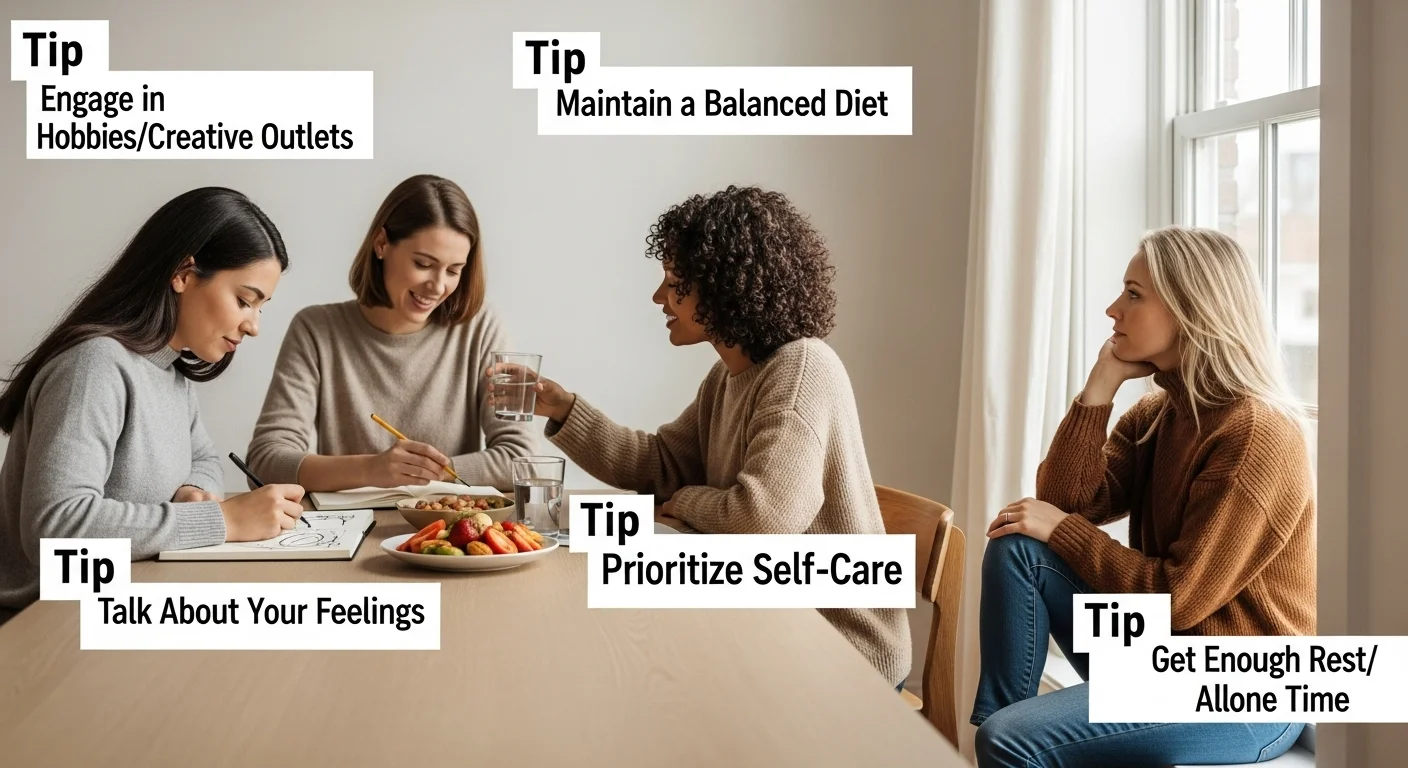
Self-care should be at the top of our to-do list. I found that taking time for myself, even if it was just a quiet moment with a book or a warm bath, made a world of difference. It’s easy to forget about ourselves when we’re busy preparing for the baby, but carving out time for relaxation and enjoyment is crucial. Whether it’s indulging in a favorite hobby or simply taking a nap, self-care allows us to recharge and face our pregnancy with a clearer mind.
2. Establish a Support System
Creating a strong support system is vital. I realized I couldn’t navigate this journey alone. Connecting with friends, family, or even joining a pregnancy class can provide the encouragement and understanding we need. I remember sharing my fears and joys with close friends who were also expecting, and it helped me feel less isolated. Having people to lean on can alleviate anxiety and strengthen our emotional resilience.
3. Practice Mindfulness and Meditation
Mindfulness and meditation became my go-to tools for managing stress. I started with just a few minutes a day, focusing on my breath and letting go of worries. This practice not only calmed my mind but also helped me connect with my baby. There are plenty of apps and online resources available that guide you through mindfulness exercises tailored for pregnant women. I found that these moments of peace were essential for my mental health.
4. Stay Physically Active
Staying active during pregnancy is another important aspect of mental well-being. I discovered that regular, moderate exercise, like walking or prenatal yoga, boosted my mood significantly. Physical activity releases endorphins, those feel-good hormones, which can help combat feelings of anxiety and depression. Plus, it kept me feeling strong and prepared for labor and delivery. Just be sure to consult with your healthcare provider about what activities are safe for you.
5. Maintain a Balanced Diet
What we eat affects how we feel. I learned that a balanced diet rich in fruits, vegetables, whole grains, and lean proteins can have a positive impact on my mental health. Nutritional deficiencies can lead to mood swings and fatigue, so I made a conscious effort to nourish my body properly. Preparing healthy meals and snacks became a fun activity that I looked forward to, and it contributed to my overall well-being.
6. Get Adequate Sleep
Sleep can sometimes feel elusive during pregnancy, but I found that establishing a good sleep routine was essential. I tried to stick to a consistent bedtime and created a calming nighttime environment. Sometimes, I practiced relaxation techniques before bed to help quiet my mind. When I prioritized sleep, I noticed a significant improvement in my mood and energy levels during the day.
7. Limit Stressors
Identifying and limiting stressors in our lives can be incredibly beneficial. I had to learn to say no to certain commitments that felt overwhelming. Whether it was cutting back on social obligations or asking for help with tasks at home, setting boundaries allowed me to focus on what truly mattered. I realized that reducing stress could improve not only my mental health but also my overall pregnancy experience.
8. Seek Professional Help When Needed
Sometimes, we need extra support to navigate our feelings. I remember feeling unsure about talking to a therapist, but reaching out for professional help was one of the best decisions I made. Mental health professionals can provide valuable tools and strategies to cope with pregnancy-related anxiety and depression. There’s no shame in seeking help; in fact, it’s a sign of strength.
9. Stay Informed About Pregnancy and Mental Health
Knowledge is power when it comes to our mental health during pregnancy. I spent time reading books and articles about what to expect mentally and emotionally. Understanding the changes I was experiencing helped me feel more in control. Knowing that others have faced similar challenges made me feel more connected to the community of expecting mothers. For more insights, check out Essential Nutrition Tips for a Healthy Pregnancy Journey.
10. Connect with Other Expecting Mothers
Building connections with other expecting mothers can be incredibly supportive. I joined online forums and local groups where I could share experiences and advice with others going through similar journeys. These connections not only provided a sense of camaraderie but also fostered valuable friendships. Knowing that I wasn’t alone in my feelings made a huge difference in my mental well-being.
Resources for Mental Health Support
Therapists Specializing in Maternal Mental Health
Finding the right therapist can be a game changer for our mental health during pregnancy. I remember feeling a bit lost trying to choose the right professional, but I learned that some therapists specialize in maternal mental health. This means they understand the unique challenges we face. I recommend looking for someone who has experience with pregnancy-related issues, as they can offer tailored guidance. Many therapists also offer online sessions, which made it easier for me to fit appointments into my busy schedule. I felt more at ease knowing I could connect from the comfort of my home, especially during those days when getting out felt overwhelming.
Support Groups and Online Communities
Support groups can be a wonderful resource. I found local groups through hospitals and community centers where expecting mothers gathered to share experiences. These meetings felt like a safe space to express our fears and joys without judgment. Additionally, online communities became a huge part of my support system. I joined several forums where I could chat with other mothers-to-be. It was comforting to share my thoughts and hear others say, “I feel that way too!” Knowing I wasn’t alone in my feelings made a significant difference in my mental health. I recommend exploring platforms like Facebook or apps specifically designed for parents to connect with others going through similar experiences.
Books and Articles on Pregnancy and Mental Health
Reading has always been a way for me to find comfort and understanding. I dove into books and articles focused on pregnancy and mental health. Some of my favorites included personal stories from other mothers and expert advice on managing emotions during pregnancy. I found that literature not only educated me but also made me feel like I was part of a broader conversation. There are fantastic books out there that discuss everything from anxiety to postpartum depression. I encourage you to seek out recommendations from friends or online reviews. It can be incredibly enlightening to see how others navigated their journeys, and these resources can provide valuable insights and coping strategies. For instance, Top Foods to Boost Your Pregnancy Nutrition Today can offer further guidance on maintaining a healthy diet.
Signs You May Need Additional Support
Identifying Symptoms of Anxiety and Depression
It’s important to listen to our bodies and minds. During my pregnancy, I learned to recognize the signs that indicated I might need additional support. Symptoms like persistent sadness, overwhelming anxiety, or difficulty concentrating can signal that we might be struggling more than we realize. I remember days when even getting out of bed felt like a monumental task, and I had to remind myself that it was okay to seek help. Other common signs include changes in appetite, sleep disturbances, and withdrawing from friends and family. If you notice these symptoms, it’s crucial to pay attention to them. Recognizing that something might be off is the first step toward taking action.
When to Reach Out for Help
Reaching out for help can feel daunting, but it’s an important step toward better mental health. I found it helpful to check in with myself regularly. If I felt that my symptoms were impacting my daily life, I knew it was time to seek support. For me, this meant talking to my healthcare provider or reaching out to a mental health professional. The earlier we address our mental health concerns, the better equipped we are to handle the challenges that come our way. If you ever feel overwhelmed, remember that it’s okay to ask for help. Whether it’s a friend, family member, or a professional, there are people who want to support you through this journey.
Understanding Mental Health During Pregnancy
The Importance of Mental Health for Expecting Mothers
As I navigated my pregnancy, I came to see mental health as a crucial part of my overall wellness. It’s easy to focus solely on the physical changes, but our emotional state significantly impacts how we experience this journey. I recall days when I felt joyful, yet others when I was clouded by anxiety. Understanding that these fluctuations were normal helped me to embrace them rather than resist. I believe that nurturing our mental health can create a more harmonious environment for both us and our little ones.
Common Mental Health Challenges Pregnant Women Face
Pregnancy can be a rollercoaster of emotions, and I experienced this firsthand. Many of us may encounter anxiety about the future, fears about childbirth, or feelings of inadequacy regarding parenting. I often found myself questioning if I was ready for this monumental life change. It’s also common to feel a sense of loss regarding our previous lives and identities. I noticed that sometimes, these feelings were compounded by physical discomforts that made everything seem more daunting. Recognizing these challenges was the first step in alleviating them, and I think it’s vital for every expecting mother to understand that they’re not alone in feeling this way.
Top 10 Mental Health Tips for Expecting Mothers
1. Prioritize Self-Care
Self-care isn’t just a buzzword; it’s a necessity. I realized that making time for myself was essential for maintaining my mental health. Whether it was enjoying a cup of herbal tea while journaling or allowing myself to indulge in a favorite movie, these small moments of self-care helped me recharge. I learned that even simple pleasures could uplift my spirits, so I began to make a list of activities that brought me joy. This practice became a cherished part of my routine, and I encourage others to find what rejuvenates them.
2. Establish a Support System
Creating a support network was a game-changer for me. I found that sharing my experiences with friends who were also expecting helped me feel less isolated. We swapped stories, offered encouragement, and even vented about our worries. I also leaned on family members who had been through pregnancy. Their insights and wisdom provided me reassurance that I was on the right track. I recommend reaching out to those who uplift you, whether they are friends, family, or expecting mothers you meet. The strength we gain from others can be incredibly comforting during this transformative time.
3. Practice Mindfulness and Meditation
Mindfulness became my anchor amid the chaos of pregnancy. I began dedicating time each day to simply breathe and focus on the present moment. I remember the first time I felt my baby kick while meditating; it was a beautiful reminder of the connection we were building. I explored guided meditations specifically designed for expectant mothers, which helped me foster serenity and reduce anxiety. These moments of stillness not only calmed my mind but also deepened my bond with my baby, making them a vital part of my daily routine.
4. Stay Physically Active
Engaging in physical activity was another essential aspect of my mental health. I discovered how invigorating a gentle walk or a prenatal yoga class could be. It was like a breath of fresh air both physically and mentally. I found that moving my body helped clear my mind and lifted my mood. Plus, it prepared me for the physical demands of labor. I suggest finding activities you enjoy that fit your lifestyle and body’s needs; it can make a world of difference in how you feel throughout your pregnancy.
5. Maintain a Balanced Diet
Nutrition played a critical role in how I felt during my pregnancy. I learned that eating a variety of nutritious foods not only nourished my body but also positively impacted my mood. I enjoyed experimenting with healthy recipes and discovered how satisfying it could be to prepare and consume wholesome meals. I began to notice that when I made better food choices, my energy levels and overall outlook improved. I encourage all expecting mothers to pay attention to their diets for both physical and emotional benefits.
6. Get Adequate Sleep
Sleep became a precious commodity during my pregnancy, and I quickly learned the importance of establishing a good sleep routine. I tried various techniques to improve my sleep quality, from creating a calming bedtime ritual to using relaxation exercises. I also found that limiting screen time before bed helped my mind unwind. Prioritizing sleep made a noticeable difference in my mood and energy levels. I think it’s crucial for every expecting mother to find what works for them to foster better sleep habits.
7. Limit Stressors
Learning to recognize and limit stressors was a significant part of my journey. I had to let go of the notion that I had to do it all—whether it was managing household tasks or attending every social event. I started to say no to obligations that felt overwhelming, giving myself permission to focus on what truly mattered. Setting boundaries not only alleviated stress but also allowed me to enjoy my pregnancy more fully. It was liberating to prioritize my well-being.
8. Seek Professional Help When Needed
There’s no shame in seeking help, and I learned that lesson early. I found that talking to a therapist who understood maternal mental health was incredibly beneficial. They provided me with tools and strategies to manage my anxiety and emotions. I believe that reaching out for help is a sign of strength, not weakness. If you ever feel overwhelmed, don’t hesitate to seek support; there are professionals out there who can help guide you through this period.
9. Stay Informed About Pregnancy and Mental Health
Knowledge is empowering. I made it a point to educate myself about the mental health aspects of pregnancy. I read articles, listened to podcasts, and joined webinars to understand better what I was going through. This knowledge helped me feel more in control and prepared. I encourage other expecting mothers to seek out reliable resources to help navigate the emotional terrain of pregnancy.
10. Connect with Other Expecting Mothers
Connecting with others who are on the same journey can be immensely supportive. I joined local groups and online forums where I could share experiences and learn from other expecting mothers. The camaraderie we built helped me feel less alone, and I cherished the friendships that blossomed from these connections. There’s comfort in knowing that we are all in this together, and sharing our journeys can be a powerful way to uplift one another.
Resources for Mental Health Support
Frequently Asked Questions
What is the importance of mental health for expecting mothers?
Mental health is crucial for expecting mothers as it significantly impacts their overall experience during pregnancy. Emotional well-being can affect both the mother’s health and the baby’s development, leading to complications if not prioritized.
What are common mental health challenges faced by pregnant women?
Pregnant women commonly face challenges such as anxiety about childbirth and parenting, feelings of inadequacy, and depression. These feelings may be compounded by hormonal changes and societal pressures, making it essential to recognize that these emotions are normal.
What are some self-care tips for expecting mothers?
Expecting mothers should prioritize self-care by taking time for themselves, engaging in hobbies, and allowing for relaxation. Simple pleasures like reading or enjoying a warm bath can uplift spirits and help recharge mental energy.
How can one establish a support system during pregnancy?
Creating a support system can involve connecting with friends and family or joining pregnancy classes. Sharing experiences and feelings with others who are also expecting can provide encouragement and alleviate feelings of isolation.
What practices can help manage stress during pregnancy?
Practicing mindfulness and meditation can help manage stress. Dedicating time each day to focus on breathing and being present can lead to a calmer mind and a deeper connection with the baby.
Why is physical activity important for mental health during pregnancy?
Physical activity, such as walking or prenatal yoga, helps boost mood by releasing endorphins, which combat anxiety and depression. Staying active also prepares the body for labor and delivery, contributing to overall well-being.
What role does nutrition play in mental health during pregnancy?
A balanced diet rich in fruits, vegetables, and lean proteins can positively impact mental health. Proper nutrition helps maintain energy levels and mood, making it essential for expecting mothers to nourish their bodies adequately.
How can expecting mothers improve their sleep quality?
Establishing a consistent sleep routine, creating a calming nighttime environment, and limiting screen time before bed can improve sleep quality. Prioritizing rest is crucial for maintaining mood and energy levels during pregnancy.
When should an expecting mother seek professional help for mental health issues?
Expecting mothers should seek professional help if they notice persistent feelings of sadness, overwhelming anxiety, or difficulty concentrating that impact their daily life. Early intervention can provide valuable support and coping strategies.
What resources are available for mental health support during pregnancy?
Resources include therapists specializing in maternal mental health, support groups, online communities, and books or articles focusing on pregnancy and mental health. Engaging with these resources can provide comfort and understanding throughout the journey.