
Exploring new places with young travelers can be a thrilling adventure! Incorporating play-based learning activities can make the journey even more enriching, turning travel experiences into valuable lessons. For families on a budget, discovering Top Play-Based Learning Activities for Budget Travel Families can be especially beneficial.
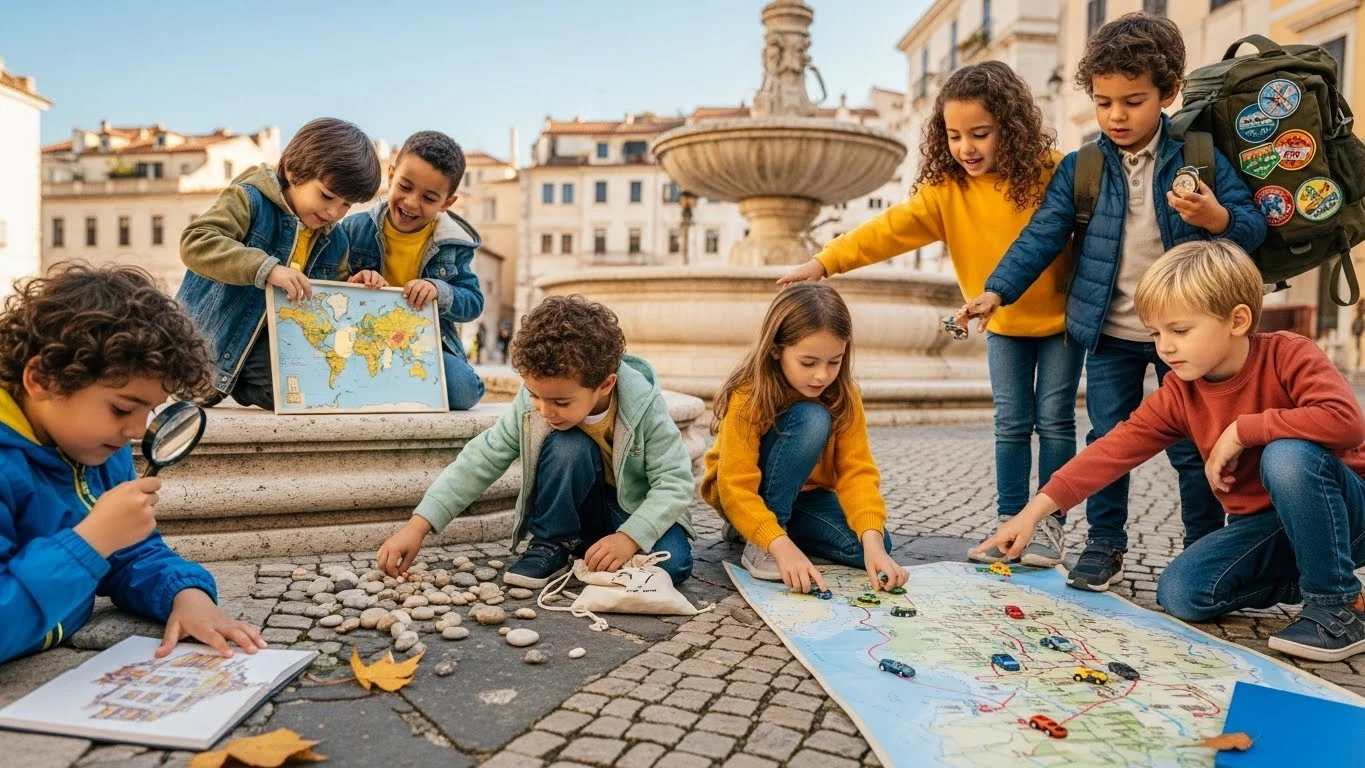
Understanding Play-Based Learning
Definition and Importance
Play-based learning is a concept that really resonates with me. It’s all about letting children learn through play, which is their natural way of exploring the world. Instead of traditional teaching methods, this approach allows kids to engage in hands-on activities that ignite their curiosity. I remember watching my niece play with different textures and colors during a trip; she wasn’t just playing; she was learning about her environment in a way that felt organic and fun.
The importance of play-based learning cannot be overstated. It nurtures creativity, enhances problem-solving skills, and fosters social development. Young travelers, in particular, can benefit greatly from this method. When they engage in play, they’re also absorbing cultural nuances and understanding their surroundings better. It’s a win-win situation where learning becomes a natural part of their experiences.
Benefits for Young Travelers
Traveling can be overwhelming for young children, and I’ve seen this firsthand with my own kids. They might feel anxious in unfamiliar environments. However, when we incorporate play-based activities into our travels, I’ve noticed a remarkable transformation. These activities make them feel more at ease and encourage them to explore with confidence.
One of the biggest benefits I’ve observed is increased engagement. Play-based learning captures children’s attention, making them more involved in their surroundings. For instance, during a family trip to a botanical garden, we organized a mini-nature scavenger hunt. The kids were more excited about finding specific plants and insects than they would have been if we simply walked through the garden. They were learning names and characteristics of plants while having fun!
Moreover, play-based learning enhances retention. Kids remember experiences better when they feel actively involved. I’ve noticed that my children recall stories and places from our travels much more vividly when we incorporate games and play. For example, after a visit to a museum, we would create our own art inspired by what we saw, which solidified their memories of the visit.
Another benefit is the development of social skills. Play-based activities often involve collaboration and communication, which helps young travelers make friends while exploring. I remember a time when my son teamed up with other kids during a cultural role-playing game at a local festival. They were all from different backgrounds, but through play, they connected effortlessly. It was heartwarming to see them laughing and learning from each other.
Lastly, play-based learning encourages curiosity and exploration. During a family hiking trip, instead of just following trails, we turned the hike into an adventure by pretending to be explorers. This imaginative play transformed our walk into an exciting quest, prompting them to ask questions about the environment around us. They learned about nature and geography while playing the role of adventurers!
Top 10 Play-Based Learning Activities
1. Nature Scavenger Hunt
A nature scavenger hunt is one of my favorite activities. It’s simple to set up and can be tailored to any environment. Before heading out, I create a list of items for the kids to find—like different types of leaves, flowers, or rocks. As we walk, their excitement builds with every item they discover. It’s educational and keeps them engaged!
2. Cultural Role-Playing
Cultural role-playing allows children to step into another person’s shoes, giving them a taste of different cultures. We once attended a local festival where my kids dressed up in traditional costumes. They learned about customs and traditions, making the experience unforgettable.
3. Storytelling with Local Folktales
Every destination has its stories, and sharing local folktales can be a magical experience. I often gather the kids around at night to tell them tales from the places we visit. This not only entertains but also teaches them about history and culture in an engaging way.
4. Cooking Classes with Local Ingredients
Food is a universal language. Taking a cooking class together using local ingredients has been a fantastic way for us to connect with the culture. I’ve seen my kids become more adventurous in trying new foods while learning about the significance of each dish.
5. Interactive Museum Visits
Many museums offer interactive exhibits designed for kids. I found that instead of merely looking at artifacts, they can engage with hands-on activities that bring history to life. This approach has always left my children excited to learn more about what they experienced.
6. City Exploration Bingo
We’ve created bingo cards with landmarks, street signs, and food items to find throughout the city. It turns an ordinary walk into an exciting game, encouraging them to pay attention to their surroundings while exploring the area.
7. Art and Craft Workshops
Participating in local art or craft workshops allows kids to express their creativity while learning new skills. I remember the joy on my daughter’s face when she painted a piece inspired by her travels. It became a cherished memory that we framed at home!
8. Language Games and Challenges
Learning a few phrases in the local language can be a fun challenge. I introduced language games during our trips, where we would practice greetings and common phrases. The kids loved interacting with locals using their new vocabulary!
9. Outdoor Adventure Activities
Outdoor activities like kayaking or rock climbing can be thrilling and educational. These adventures not only help develop physical skills but also build confidence. I’ve seen how conquering a climbing wall boosted my son’s self-esteem!
10. Local Music and Dance Experiences
Music and dance are great ways to immerse ourselves in the local culture. We often join classes or watch performances, encouraging the kids to participate. It’s a fun way for them to learn about traditions and connect with the community.
Incorporating Learning into Travel
How to Choose Activities Based on Destination
Choosing the right activities when traveling is key to maximizing play-based learning. I’ve realized that understanding the culture and environment of our destination can greatly enhance our experiences. For instance, when we visited a coastal town known for its marine life, I made sure to include activities related to the ocean. We explored tide pools, participated in a beach cleanup, and visited an aquarium. These experiences not only created unforgettable memories but also taught my kids about marine ecosystems and the importance of conservation.
When planning our trips, I often research the local traditions and attractions. This involves looking up local festivals, historical sites, or natural wonders. I remember planning a trip to a city famous for its ancient history. We took part in guided tours where the guides dressed in period costumes, making history come alive for my kids. They were fascinated and asked questions that led to deeper discussions about the past. By aligning our activities with the destination’s unique features, I noticed the kids were more engaged and eager to learn. For younger children, I recommend checking out Top 10 Play-Based Learning Activities for Toddlers to find age-appropriate options.
Another tip I’ve found useful is to ask locals for recommendations. When we traveled to a small village, we met a local family who invited us to their home for a cooking session. This spontaneous experience was not only fun but also gave us insight into their way of life, the ingredients they used, and their cooking methods. Activities like this deepen our understanding of the local culture and allow us to connect on a personal level.
Adapting Activities for Different Age Groups
Adapting activities for different age groups is something I’ve had to navigate as my kids have grown. Initially, our family trips involved simple activities that catered to toddlers, such as interactive play areas at parks or petting zoos. As they grew older, I found it essential to adapt our activities to keep them engaged and challenged.
For younger children, I often focused on sensory experiences. Activities that involve touching, tasting, and exploring are crucial. For example, while visiting a farm, we would let them feel the different types of grains and vegetables. As they grew into school age, I shifted towards more structured activities like scavenger hunts or cultural workshops, which required them to think critically and work collaboratively.
Now that my children are teenagers, I’ve noticed that they appreciate deeper discussions about the places we visit. We recently traveled to a historical site where we not only explored the area but also engaged in discussions about its significance in history. I found that allowing them to take on roles, like being responsible for leading the day’s activities or researching a particular topic, has fostered a sense of independence and ownership over their learning.
Overall, the key for me has been to remain flexible and responsive to their evolving interests and capabilities. I believe that by tailoring our experiences to fit their age and maturity levels, we can keep the spirit of play-based learning alive while enriching our travels. Moreover, to further support this learning process, parents can refer to resources like Engaging Play: How Parents Can Boost Toddler Learning.
Safety Considerations for Young Travelers
Choosing Safe Locations for Activities
Safety is certainly a top priority when traveling, especially with young kids. I’ve learned to be proactive in choosing safe locations for our activities. Before we embark on a trip, I spend time researching places and reading reviews to ensure they are child-friendly. I always look for activities that have good safety ratings and are designed for families.
When we visited an amusement park, for instance, I made sure to check the safety measures in place for rides and attractions. I also appreciate places that offer staff trained in child safety. An incident I remember vividly was when we went zip-lining. The staff conducted a thorough safety briefing and made sure our harnesses were secure. That level of care provided me with peace of mind and allowed us to focus on having fun.
Additionally, I consider the environment itself. Is it a crowded area where it’s easy to lose sight of the kids? Are there clear paths, and is the area well-lit in the evenings? By assessing such factors, we can make informed decisions and choose activities that keep our family safe while still being adventurous.
Supervision and Engagement Tips
Keeping an eye on the kids while also engaging in activities can sometimes feel like a balancing act. I’ve found that establishing a system of buddying up works wonders. For instance, during a day at the zoo, I paired my younger child with an older sibling. This not only allowed me to supervise both kids but also encouraged them to work together, making it a fun and responsible learning experience.
Another strategy I utilize is setting clear expectations before starting activities. Before heading out, I remind my kids about the importance of staying together and communicating if they need help. I’ve noticed that this simple conversation fosters a sense of responsibility in them. Plus, when they know they have my support, they feel more confident in exploring.
I also try to be present, even if I’m not directly involved in every activity. I might let them explore a bit while I keep a watchful eye from a distance. This gives them the freedom to learn and play while still feeling secure knowing I’m nearby. I often bring a book or journal to keep myself occupied, allowing me to enjoy my own time while still being available to them.
Ultimately, I believe that a blend of supervision, communication, and fostering independence creates a safer and more enriching travel experience for everyone involved.
Resources for Parents and Educators
Books on Play-Based Learning
One of the best ways to dive deeper into play-based learning is through books. I’ve spent countless hours reading about various educational approaches, and several titles have profoundly influenced my perspective. A book that stands out to me is “The Playful Classroom” by Jewell E. Smith and others. It offers practical strategies for integrating play into learning, not just during travel but in everyday life as well. I remember one summer afternoon, sitting in our backyard with my kids, trying out some of the activities suggested in the book. The joy and laughter that filled the air were priceless.
Another gem is “The Power of Play” by David Elkind. This book emphasizes the importance of play in childhood development and provides insights into how play can be a key component of learning. I found myself reflecting on my own childhood experiences while reading it, realizing just how much I learned through play. It inspired me to create more opportunities for my kids to engage in playful learning during our travels.
For those interested in the cultural aspects of play, “The Hundred Languages of Children” by Carolyn Edwards and others explores the ways children express themselves and learn in different cultures. It truly opened my eyes to the diverse methods of learning around the world. I think it’s essential for us as parents and educators to understand that play is a universal language that transcends cultural boundaries.
Online Platforms and Communities
In today’s digital age, we have access to an array of online platforms and communities that can be incredibly helpful. I often visit websites like Playful Learning, which offers a wealth of resources, from articles to activity ideas that promote play-based learning. Their community forums allow parents to connect and share their experiences, which I find valuable. It’s comforting to know that there are others out there navigating similar challenges and triumphs.
Social media platforms also host various groups focused on play-based learning. I joined a Facebook group called “Playful Parents” where members share tips, activities, and even personal stories about incorporating play in their children’s lives. Engaging with other like-minded parents has been a source of inspiration for me, and I often find new ideas that I can adapt for our travels.
If you’re looking for something more structured, there are online courses available that delve into play-based learning principles. Sites like Coursera and Udemy offer courses designed for parents and educators alike. I took a short course from Coursera that focused on child development and learning through play, and it enriched my understanding tremendously. I remember coming away with new ideas that I couldn’t wait to implement during our next trip.
Local Organizations Offering Educational Activities
Connecting with local organizations can be a fantastic way to find educational activities that incorporate play. I’ve found that many cities have community centers or museums that offer workshops and programs for children. For instance, during our last visit to a new city, we stumbled upon a local science museum that had hands-on exhibits specifically designed for kids. We spent an entire afternoon there, and I could see my children’s eyes light up with each new discovery.
Libraries also often have programs focused on play and learning. I made it a point to check the local library’s schedule before our trips, and I was pleasantly surprised to find story hours and craft sessions that aligned with our travel themes. Attending these events allowed my kids to engage with local children and learn about the culture in a playful setting. There was a sense of community that made our experience even richer.
Sometimes, we’ve even joined local tours that emphasize educational play. For example, a guided nature walk led by a local naturalist can turn into an interactive learning experience where kids can touch, see, and learn about the environment around them. These organizations often have staff who are passionate about sharing their knowledge, and their enthusiasm can be contagious. I believe that engaging with locals not only enriches our travel experience but also helps us build meaningful connections.
Frequently Asked Questions
What is play-based learning and why is it important?
Play-based learning is a method that allows children to learn through play, which is their natural way of exploring the world. This approach nurtures creativity, enhances problem-solving skills, and fosters social development, especially for young travelers who can absorb cultural nuances while having fun.
How does play-based learning benefit young travelers?
Play-based learning helps young travelers feel more at ease in unfamiliar environments, increases engagement, enhances retention of experiences, develops social skills, and encourages curiosity and exploration during travels.
Can you give an example of a play-based learning activity for children?
A nature scavenger hunt is a great example. It is simple to set up, involves creating a list of items for kids to find, and keeps them engaged while learning about their environment.
How can parents adapt activities for different age groups?
Parents can adapt activities by focusing on sensory experiences for younger children, structured activities for school-age kids, and deeper discussions and responsibilities for teenagers, ensuring the activities match their interests and maturity levels.
What safety considerations should parents keep in mind when traveling with children?
Parents should research and choose safe locations for activities, look for child-friendly attractions with good safety ratings, and assess the environment to ensure it is suitable for young children.
What strategies can parents use for supervising children during travel activities?
Establishing a buddy system, setting clear expectations about staying together, and being present while allowing some freedom can help parents effectively supervise their children while engaging in activities.
Are there recommended resources for parents interested in play-based learning?
Yes, there are several books such as “The Playful Classroom” by Jewell E. Smith and “The Power of Play” by David Elkind, as well as online platforms like Playful Learning and various social media groups focused on play-based learning.
How can local organizations enhance educational travel experiences?
Local organizations, such as community centers, museums, and libraries, often offer workshops and programs that incorporate play. These programs can provide interactive experiences that enrich children’s understanding of local culture.
What types of interactive activities can children participate in while traveling?
Children can engage in activities such as cooking classes with local ingredients, cultural role-playing, art and craft workshops, and outdoor adventure activities, all of which promote learning through play.
How can engaging with locals during travel benefit children?
Engaging with locals can deepen children’s understanding of the culture, provide personal connections, and create memorable experiences through spontaneous activities like cooking sessions or guided nature walks.