
Boosting your toddler’s language skills can be one of the most rewarding experiences. As a parent, I’ve seen firsthand how simple activities can spark a love for words and communication in our little ones. Read Interesting article: Backpacking with Toddlers: Boosting Language Skills Abroad
Understanding Toddler Language Development
Stages of Language Development in Toddlers
When I first started exploring how toddlers learn language, I was amazed by the stages they go through. Every child is unique, and their development can vary, but there are some common milestones we can look for. Typically, by the age of one, most toddlers begin to say a few simple words. I remember the joy I felt when my child said “mama” for the first time. By the time they reach 18 months, many start to expand their vocabulary to 50 words or more, and by age two, they often begin combining words into short phrases. It’s a gradual process that builds on itself, and I found it fascinating to watch my child grow through these stages. Understanding these stages can help us gauge where our toddlers are in their language journey and how we can support them effectively. To learn more about monitoring this growth, check out Tracking Your Toddler’s Language Development Milestones Easily.
As they approach three years old, their vocabulary can explode to about 200 words or more, and they start using more complex sentences. I noticed that my child’s ability to express thoughts and feelings became clearer, and that was such a beautiful phase to witness. Understanding these stages can help us gauge where our toddlers are in their language journey and how we can support them effectively.
Importance of Early Language Skills
Early language skills are crucial for a toddler’s overall development. From my experience, I learned that strong language abilities not only aid in communication but also lay the groundwork for literacy skills, social interactions, and cognitive development. Children who develop these skills early tend to perform better in school and have more successful relationships later in life. This realization motivated me to be proactive in nurturing my child’s language skills from a young age. To further explore the language milestones, check out From Babbling to Words: Understanding Language Milestones.
Moreover, engaging in conversations with toddlers fosters a sense of confidence and belonging. I’ve seen how my child lights up when I listen to them express their thoughts, even if they stumble through words. It’s these little moments that build not only their language skills but also their self-esteem. Knowing the importance of this early development made me even more committed to creating an environment rich in language and communication.
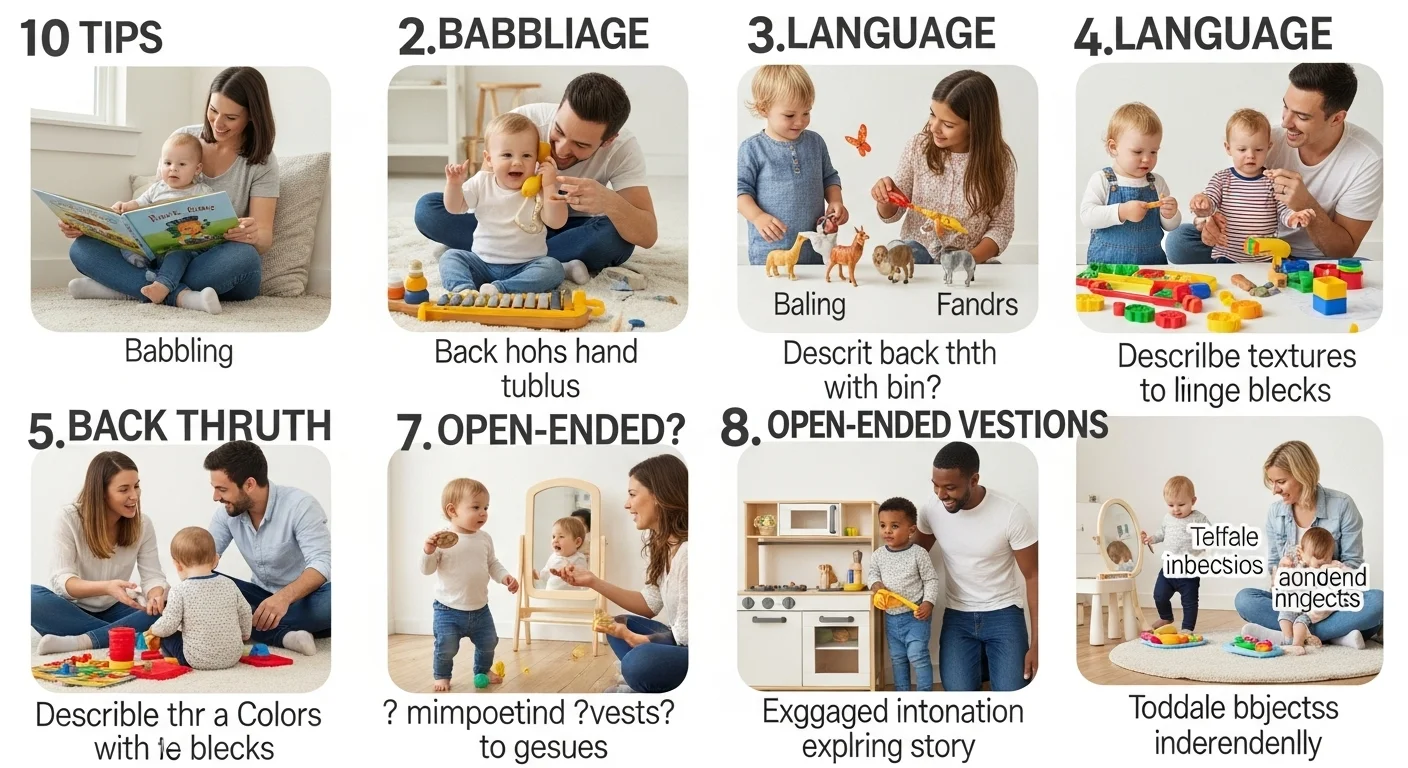
Top 10 Tips to Boost Your Toddler’s Language Skills
1. Read Daily to Your Toddler
One of the best tips I can give you is to read to your toddler every day. I made it a routine to read a bedtime story, and I noticed my child’s vocabulary growing with each book. Choose colorful picture books and engaging stories that capture their imagination. As I read, I would pause to ask questions or point out pictures, which helped my child connect words with images. This not only enhanced their listening skills but also sparked discussions about the stories.
2. Engage in Conversation
Having conversations with your toddler is key to boosting their language skills. I learned that even if the responses are simple or limited, asking them questions and encouraging them to share their thoughts can be incredibly beneficial. I often found myself saying things like, “What do you see outside?” or “How was your day?” These small prompts encouraged my child to express themselves more and to practice using words in context.
3. Sing Songs and Nursery Rhymes
Music is a fantastic tool for language development. I discovered that singing nursery rhymes and simple songs helped my toddler remember words and phrases better. The rhythm and melody made it easier for them to recall language. Plus, it’s a fun way to bond! I remember dancing around the living room while singing “The Wheels on the Bus,” and my child would giggle and join in, making it a delightful experience for both of us.
4. Encourage Play with Language-Based Games
Incorporating language-based games into playtime is another effective strategy. I found that games like “I Spy” or simple word association games could spark my toddler’s creativity and language use. These activities make learning feel like fun rather than a chore. I would often create scenarios where we had to describe what we were doing, which led to laughter and language practice simultaneously.
5. Use Descriptive and Expansive Language
When talking to my toddler, I made a conscious effort to expand my language. Instead of just saying, “Look at the dog,” I would say, “Look at the big, fluffy dog running in the park!” This technique exposes them to new words and concepts. I realized that my child would often mimic the descriptive language I used, which was exciting to see. It’s amazing how a few extra words can open up a whole new world for them.
6. Limit Screen Time for Better Interaction
While technology can be a useful tool, I found that limiting screen time encourages more face-to-face interactions, which are critical for language development. I decided to set specific times for technology use and prioritize activities that promote conversation and engagement. This choice allowed us to focus more on each other rather than screens, fostering better communication skills.
7. Create a Language-Rich Environment
Creating an environment rich in language has been one of the most rewarding things I’ve done. I filled our home with books, labeled items, and encouraged storytelling. We would often have “storytime” where we would sit together and talk about our day. I noticed that this environment made my child more curious about words and their meanings, leading to more questions and explorations of language.
8. Use Everyday Activities to Teach Vocabulary
Everyday activities can be excellent opportunities to teach vocabulary. Whether it’s cooking, shopping, or even getting dressed, I would label items and describe actions as we went along. For example, while cooking, I would say, “We are chopping the carrots,” or “Let’s stir the mixture.” This not only made them aware of their surroundings but also helped them learn new words in a context they understood.
9. Be Patient and Encourage Attempts
Patience is key. I learned that encouraging my toddler’s attempts at speech, no matter how small, fosters their confidence. When they mispronounced a word, I would gently correct them without making a big deal out of it. I wanted them to feel safe and supported in their learning journey. Celebrating their efforts, even when they’re not perfect, has strengthened our bond and encouraged them to keep trying.
10. Seek Professional Help if Needed
If you have concerns about your toddler’s language development, don’t hesitate to seek professional help. I know it can feel daunting, but I found that early intervention can make a significant difference. Speaking with a speech therapist can provide tailored strategies and support to help your child succeed. Trust your instincts as a parent; if something feels off, it’s always better to get advice sooner rather than later.
Activities to Enhance Language Skills
Storytelling Techniques
Storytelling has been one of the most magical ways to enhance my toddler’s language skills. I discovered that using different storytelling techniques could make the experience even more engaging. For instance, I would often let my child choose the characters or settings, which not only sparked their imagination but also encouraged them to use their words creatively. I remember one time, my child wanted to turn a classic fairy tale into a space adventure, and we both had a blast describing what the characters would do in outer space. This type of imaginative play not only built their vocabulary but also helped them understand narrative structure.
Another technique I found helpful was to use props and puppets while telling stories. It added a tactile element to the experience, making the story come alive. My child would get excited about acting out different parts and even creating their dialogues. This interactive storytelling helped reinforce their language skills and made learning feel like a fun activity rather than a chore.
Interactive Language Games
Playing games is another fantastic way to enhance language development. I often set aside time for interactive games that required verbal communication. One of our favorites was a variation of charades, where we acted out different words or emotions. This not only encouraged my child to think on their feet but also allowed them to express themselves through body language and words. I noticed that as they put together the clues, their vocabulary expanded naturally.
Additionally, we created our own game where we would take turns describing an object in the room without naming it. My child loved the challenge of figuring out what I was describing and vice versa. It was a great way to build vocabulary and comprehension skills while having a lot of laughter. These types of interactive games made the learning process enjoyable and memorable.
Visual Aids and Flashcards
Incorporating visual aids into our daily routine has also been a game changer. I found that using flashcards with pictures and words helped my toddler connect images to language in a vivid way. I made a set of flashcards that featured animals, colors, and everyday objects. As we went through them, I would encourage my child to say the words aloud while pointing at the pictures. This simple activity not only built their vocabulary but also improved their ability to recall words over time.
Another fun way we used visual aids was by creating a “word wall” in our playroom. I printed out pictures of common objects and wrote their names underneath. Every day, we would pick a few new words to learn and would practice using them in sentences. I noticed that this method made my child more curious about the world around them, leading them to ask questions and explore new vocabulary. The visual component really helped solidify their understanding and retention of words.
Common Language Development Concerns
Signs of Speech Delays
As parents, it’s natural to worry about our children’s development, and language skills are no exception. From my experience, I learned to keep an eye out for signs of speech delays. If my child wasn’t using any words by 15 months or had not started to say simple phrases by two years, I knew it was time to pay closer attention. Other signs I noticed included difficulty making eye contact, limited interest in communicating, or challenges in understanding simple instructions.
It’s important to remember that every child develops at their own pace, but I found that being aware of these signs helped me stay proactive. If I noticed my child struggling more than I thought was typical, I would jot down my observations and discuss them with our pediatrician. This approach allowed me to be informed and prepared for any necessary next steps.
When to Consult a Speech Therapist
If you have concerns about your toddler’s language development, seeking the advice of a speech therapist can be incredibly beneficial. From my experience, I learned that early intervention often leads to the best outcomes. I made the decision to consult a therapist when I noticed my child was not hitting the typical milestones, like combining words into phrases by age two. The therapist was able to assess their language skills and provide specific activities and exercises tailored to their needs.
It can feel intimidating to reach out for help, but I found that a speech therapist not only helped my child but also empowered me with strategies to support their development at home. They provided me with tools and resources that made a significant difference in our daily routines. If something doesn’t seem right, trust your instincts and don’t hesitate to seek help. It can be a game changer in your child’s language journey.
Resources for Parents
Books and Audiobooks for Toddlers
Discovering new books for my toddler was like uncovering hidden treasures. I found that books are more than just stories; they are gateways into new worlds and ideas. I made it a point to explore a variety of genres, from picture books to interactive stories that encourage participation. Some of my favorites included classics like “Goodnight Moon” and fun, interactive titles like “Press Here.” The joy on my child’s face when flipping through colorful pages and pointing at pictures was priceless.
Audiobooks have also been a game changer for us. While we were driving or playing, I would play age-appropriate audiobooks. I remember one day, we listened to a delightful collection of fairy tales, and my child became so engaged that they kept asking for more. This not only exposed them to new vocabulary but also helped them develop listening skills. I recommend checking your local library for a selection of children’s audiobooks; it’s a fantastic resource that’s often underutilized.
Apps and Online Tools for Language Learning
In our tech-savvy world, I realized that there are numerous apps designed specifically for toddlers that can support language development. I was initially hesitant about screen time, but I found some educational apps that made learning fun. For instance, apps like “Endless Alphabet” introduced my child to new words through animated characters and games, making it engaging and interactive. I noticed that my child would eagerly play these games and, in the process, absorb new vocabulary effortlessly.
Additionally, platforms like YouTube offer channels dedicated to children’s educational content. I discovered channels that feature songs, stories, and interactive teaching. We enjoyed watching animated stories that prompted questions and discussions afterward. I found it helpful to sit with my child during screen time to ensure it was a shared learning experience, allowing us to talk about what we watched and learned together.
Support Groups and Community Resources
Connecting with other parents has been invaluable on our language journey. I found local parenting groups that focus on early childhood education and language development. Attending these meet-ups allowed me to share experiences, tips, and resources with other parents who are in the same boat. We often discussed challenges and celebrated milestones. It’s comforting to know that I’m not alone on this journey!
Many communities also offer workshops and classes for parents and toddlers that focus on language development. I remember attending a storytelling session at our local library, where a librarian led us through fun reading activities and songs. My child loved the interactive elements, and I picked up ideas I could implement at home. I highly recommend exploring similar resources in your area; you might find a gem that enriches your language-learning efforts.
Online forums and social media groups also provide a wealth of information. I often browse through parenting blogs and forums where other parents share their experiences and resources. These platforms can be a treasure trove of ideas, from book recommendations to fun activities that I might not have considered otherwise.
Remember, it’s all about finding what works best for you and your child. The language journey is unique for everyone, and the resources we choose can significantly impact our little ones’ growth in this area. By exploring books, apps, and community resources, I felt empowered to create a rich language environment that supported my toddler’s development every step of the way.
Frequently Asked Questions
What are the typical stages of language development in toddlers?
By the age of one, most toddlers begin to say a few simple words. By 18 months, many expand their vocabulary to 50 words or more. By age two, they often start combining words into short phrases, and by three years old, their vocabulary can reach about 200 words or more, using more complex sentences.
Why are early language skills important for toddlers?
Early language skills are crucial for overall development as they aid in communication, literacy skills, social interactions, and cognitive development. Children who develop these skills early tend to perform better in school and have more successful relationships later in life.
What is one effective way to boost a toddler’s language skills?
Reading daily to your toddler is one of the best ways to boost their language skills. Choosing colorful picture books and engaging stories, while asking questions and discussing the pictures, enhances their vocabulary and listening skills.
How can conversations with toddlers improve their language skills?
Engaging in conversations with toddlers encourages them to express their thoughts and practice using words in context. Asking them questions about their day or what they see can stimulate their language development, even if their responses are simple.
What role do songs and nursery rhymes play in language development?
Singing nursery rhymes and simple songs helps toddlers remember words and phrases better due to the rhythm and melody, making it a fun way to bond while enhancing their language skills.
How can parents create a language-rich environment at home?
Parents can create a language-rich environment by filling their homes with books, labeling items, and encouraging storytelling. Regular “storytime” and discussions about daily activities can foster curiosity about words and their meanings.
What should parents do if they notice signs of speech delays in their toddler?
If parents notice signs of speech delays, such as not using any words by 15 months or not combining words into phrases by two years, they should consult a pediatrician to discuss their observations and get advice on the next steps.
How can everyday activities be used to teach vocabulary?
Everyday activities, like cooking or shopping, provide opportunities to teach vocabulary by labeling items and describing actions. For example, while cooking, parents can say phrases like, “We are chopping the carrots,” which helps toddlers learn new words in context.
What resources are available for parents to support their toddler’s language development?
Resources for parents include books and audiobooks, educational apps, online content, community workshops, and support groups. These can provide valuable ideas and techniques for enhancing a toddler’s language skills.
When should parents consider seeking professional help for their toddler’s language development?
Parents should consider seeking professional help if their child is not meeting typical language milestones or if they have concerns about their toddler’s communication skills. Early intervention with a speech therapist can lead to better outcomes.