
Planning a family backpacking adventure is exhilarating, but it comes with its share of risks. Having the right emergency kit can make all the difference, ensuring safety and peace of mind while we explore the great outdoors together.
Understanding Emergency Kits for Backpacking
What is an Emergency Kit?
An emergency kit is a collection of essential supplies designed to help individuals or families respond effectively to unexpected situations. In the context of backpacking, this means having a well-prepared kit that can handle various emergencies—from minor injuries to unexpected weather changes. I remember packing my first kit, excited yet nervous about what might happen on the trail. I wanted to be prepared for anything, and that feeling drove me to research and assemble a thorough kit.
Why Every Family Needs an Emergency Kit
Every family embarking on outdoor adventures needs an emergency kit. Nature can be unpredictable, and accidents can happen, even on short hikes. I’ve seen firsthand how quickly a fun family outing can turn stressful without the right preparation. Having an emergency kit gives me peace of mind, knowing that I can respond to minor injuries or situations that arise while we’re out exploring. It’s not just about having supplies; it’s about being equipped to handle emergencies calmly and effectively, and I believe every family should feel that sense of security. To learn more about handling emergencies, check out First Aid Basics Every Backpacking Parent Should Know.
Key Components of an Effective Emergency Kit
When putting together an emergency kit for backpacking, there are several key components to consider. Here’s what I’ve found essential over the years:
- First Aid Supplies: Band-aids, antiseptic wipes, gauze, and other first-aid essentials are a must. I learned this the hard way after a small scrape turned into a bigger issue because I didn’t act quickly.
- Water and Food Supplies: Having a few energy bars, water purification tablets, and a compact water filter can make a huge difference. There have been times when we underestimated our water needs, and I was grateful for the purification tablets.
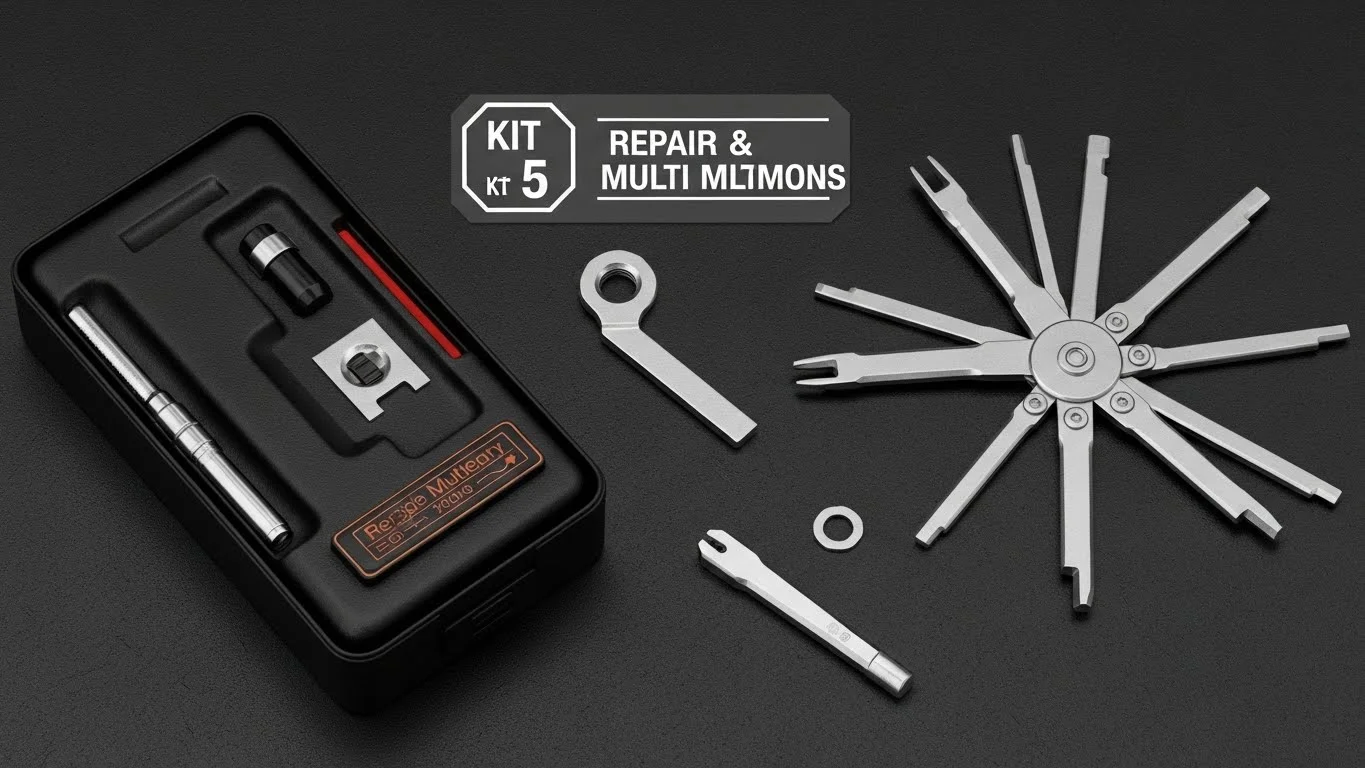
- Tools and Equipment: A multi-tool or a small knife, a flashlight, and a whistle can be invaluable. I once used a multi-tool to fix a broken tent pole, saving our camping trip!
- Personal Safety Items: Items like a space blanket, emergency poncho, and hand warmers can be lifesavers in unpredictable weather. I remember getting caught in the rain and being so grateful for that extra poncho!
By having these components in our emergency kit, I feel ready for whatever might come our way. Preparing these supplies makes me think about safety and ensures we can enjoy our adventures without unnecessary worry.
Top 5 Emergency Kits for Family Backpacking Adventures
Now that we understand the importance of emergency kits, let’s look at some of the top options available. Each of these kits has unique features, and I’ve picked out these five based on personal experiences and extensive research.
1. Adventure Medical Kits Family First Aid Kit
Contents and Features
This kit is a favorite of mine for family outings. It includes a comprehensive range of first-aid supplies, such as adhesive bandages, antiseptics, and even a first aid manual. I love that it’s designed specifically for families, ensuring you have everything you might need.
Best Use Cases
The Adventure Medical Kit is perfect for family camping trips or longer backpacking excursions. It’s especially useful for those with young children, providing peace of mind that you can handle common injuries.
Pros and Cons
Pros: Well-organized, compact, and includes a guide.
Cons: It can be pricey compared to simpler kits, but I think the peace of mind is worth the investment.
2. Lifeline 4380AAA Road Emergency Kit
Contents and Features
This kit is more versatile, including not just first-aid supplies but also tools for roadside emergencies, which I found useful when we took a family road trip to the mountains. It features jumper cables, a flashlight, and even a reflective safety vest.
Best Use Cases
Perfect for family camping trips that involve driving to trailheads, ensuring you’re prepared for both outdoor and vehicular emergencies.
Pros and Cons
Pros: Comprehensive and contains items for various emergencies.
Cons: Bulkier than a standard first-aid kit, which may make it less ideal for longer backpacking trips.
3. Ready America 70280 Emergency Kit
Contents and Features
This kit is a well-rounded option, offering food, water, a first-aid kit, and even a flashlight. I appreciated its focus on basic survival needs, making it a solid choice for family adventures.
Best Use Cases
It’s great for shorter backpacking trips or even as a backup for car camping. We’ve used it for day hikes when we needed extra supplies.
Pros and Cons
Pros: Affordable and includes a variety of supplies.
Cons: The food and water supplies have a limited shelf life, so they need regular checking.
4. Surviveware Small First Aid Kit
Contents and Features
This compact kit is perfect for families who want a lightweight option. It’s well-organized and includes labels for each compartment. I love how easy it is to see what’s inside, especially in a hurry.
Best Use Cases
Ideal for lightweight backpacking trips where every ounce matters. We’ve taken it on many hikes, and it fits nicely in a backpack without taking up too much space.
Pros and Cons
Pros: Lightweight, organized, and durable.
Cons: Limited supplies compared to larger kits, so it might not be best for extended trips.
5. Coleman 2000028040 Emergency Kit
Contents and Features
This is another great option for families, providing a robust array of supplies, including a first-aid kit, food, and water. Coleman is a trusted name in camping gear, and this kit lives up to that reputation.
Best Use Cases
Perfect for family camping and hiking trips, especially if you want a kit that covers most bases without needing additional purchases.
Pros and Cons
Pros: Comprehensive and well-known brand reliability.
Cons: Slightly heavier than some other options, which might be a concern for longer hikes.
How to Choose the Right Emergency Kit for Your Family
Assessing Family Needs and Activities
Choosing the right emergency kit really starts with understanding your family’s specific needs and the types of activities you plan to do. I’ve learned that not all kits are created equal, and what works for one family may not be suitable for another. For example, if you have young kids, you may want to prioritize kits with comprehensive first-aid supplies and safety items like child-sized bandages or a whistle that they can easily use. I remember once packing a kit for a family hiking trip, and I included extra items for my kids, like their favorite granola bars and a small toy to keep their spirits high if we encountered any delays. We all have different needs, so it’s essential to take those into account. For more guidance, refer to Backpacking with Kids: Your Family’s Disaster Preparedness Guide.
If your family enjoys more rugged outdoor adventures, perhaps a kit with additional tools and repair supplies would be a better fit. I’ve seen families who hike in remote areas benefit from kits that include a multi-tool and more extensive food supplies. Think about your activity level and the environment you’ll be in; this will guide you towards the right emergency kit for your family.
Size and Weight Considerations
When it comes to backpacking, size and weight really matter. I used to overlook this aspect, thinking that more gear meant better preparedness. However, I soon realized that carrying a bulky kit could weigh us down and make our hike more challenging. I suggest looking for a well-organized kit that fits your family’s needs without being too heavy. For our family, lightweight options have worked best, especially when hiking longer distances. We often opt for kits that are compact yet comprehensive, like the Surviveware Small First Aid Kit I mentioned earlier.
Be mindful of how the kit will fit into your backpack. I’ve found that kits that come in soft-sided pouches often take up less space compared to hard-sided boxes. Choosing the right size can make a significant difference in your comfort level while wandering through those beautiful trails.
Budgeting for Emergency Kits
Budgeting for an emergency kit is another aspect where I think families often have mixed feelings. It’s tempting to go for the cheapest option, but I’ve learned that investing a bit more can provide better quality and essential supplies. I remember the first kit I bought—it was an inexpensive one, but it lacked several vital items that we ended up needing later. So, I recommend setting a budget that allows you to choose a kit that balances quality and price. You don’t have to break the bank, but consider it an investment in your family’s safety.
Keep in mind that you can also build your own emergency kit from scratch, which can be more cost-effective. I’ve done this with my family, and it allowed us to customize our supplies based on our specific needs. By selecting items individually, we could prioritize what was most important for our adventures. Whether you choose a pre-packaged kit or decide to assemble your own, just remember the importance of having reliable supplies at your fingertips. Additionally, consider reading Top Tips to Prevent Allergies While Backpacking on a Budget for more insights.
Essential Items to Consider in an Emergency Kit
First Aid Supplies
First aid supplies are the backbone of any emergency kit. I cannot stress enough how crucial it is to have a variety of items that cater to different types of injuries. In my experience, having everything from bandages to antiseptic wipes and gauze can make a real difference. I remember a time when my daughter scraped her knee on a trail. Having a well-stocked first aid kit allowed me to clean her wound quickly, which helped her feel better and get back on the trail sooner.
When assembling your kit, consider including items like pain relievers, allergy medications, and any personal prescriptions. Everyone in our family has different health needs, and it’s vital to prepare for those specific situations.
Food and Water Supplies
In backpacking, food and water are not just for sustenance but can also be crucial in emergencies. I’ve found that including a few energy bars, dehydrated meals, and water purification tablets can be lifesavers. I once underestimated how much water we would need during a particularly hot day hike, and I was grateful for those purification tablets. They allowed us to refill at a stream and stay hydrated without panicking. I highly recommend keeping small, lightweight food items that your family enjoys, as it can help keep morale high in difficult situations.
Tools and Equipment
Tools and equipment can seem like an afterthought, but I believe they’re essential for any emergency kit. A multi-tool or small knife can be invaluable for various situations like setting up a shelter or making repairs. I remember a camping trip where a multi-tool saved us by allowing us to fix a broken stove. Think about what tools you might need based on the locations you visit. A lightweight flashlight and a whistle are also great additions, especially if you’re hiking in areas with limited lighting.
Personal Safety Items
Finally, personal safety items are crucial for unexpected weather or changes in conditions. I always pack a space blanket, emergency poncho, and hand warmers, especially when the forecast looks unpredictable. These items have come in handy more times than I can count. I recall a trip where we got caught in an unexpected downpour, and having the extra poncho made a world of difference for us. It’s all about being prepared for whatever nature throws our way.
Maintaining and Updating Your Emergency Kit
Regular Check-ups
Maintaining your emergency kit is just as important as assembling it in the first place. I’ve learned that a kit is only effective when it’s ready for use. We set a reminder every six months to check our kit, and it has made a significant difference. During one of these check-ups, I found that a few items in our first aid supplies had gone missing after our last adventure. It was a relief to catch that early, as I wouldn’t want to be in a situation where I couldn’t find essential supplies when we needed them most. I recommend going through each section of your kit, making sure everything is in place and accessible. This little effort can help ensure that you’re prepared for any situation that may arise.
Expiration Dates and Replacement
Expiration dates are another critical aspect I’ve come to understand. Many items, especially food and medical supplies, have limited shelf lives. I remember once discovering that our emergency food bars had expired right before a camping trip. That was a wake-up call! Now, I make it a point to check the expiration dates during our regular check-ups. I’ve found that keeping a checklist can help organize this process. It’s a simple way to ensure you’re not only stocked up but that your supplies are also fresh and effective. If you notice any expired items, replace them immediately to keep your kit fully functional.
Adapting Kits for Different Seasons
As the seasons change, so do the potential risks we face while backpacking. I’ve learned to adapt our emergency kit based on the time of year and the activities we plan to do. For instance, during the colder months, I make sure to include extra hand warmers and thermal blankets. In contrast, during summer hikes, I focus on hydration supplies and sun protection essentials like sunscreen and lip balm. It’s all about being proactive rather than reactive. I remember one winter trip where having the right cold-weather gear, like extra gloves and hats, kept our spirits up despite the chilly weather. Adaptation is key, and by tailoring our emergency kit for the season, I feel more prepared for whatever may come our way.
Tips for Using Emergency Kits During Backpacking Adventures
How to Properly Utilize First Aid Supplies
Knowing how to use the items in your emergency kit is just as essential as having them. I can’t stress enough how important it is to familiarize myself with the first aid supplies included in our kit. I remember taking a wilderness first aid course that taught me how to effectively use various supplies. Knowing how to treat minor wounds, apply bandages, and manage scrapes can make all the difference when an injury occurs. I recommend practicing these skills with your family before hitting the trails. It gives everyone a sense of confidence, and you won’t be fumbling around if someone gets hurt. The first aid manual included in many kits can be a great resource, but being proactive about learning can save valuable time in emergencies.
Dealing with Common Emergencies
Emergencies can happen at any time, and having a plan for common scenarios can make a huge difference. I’ve faced a few situations, from blisters to sprained ankles, and each time, I was grateful for the preparedness. For blisters, I learned to immediately clean the area and apply a bandage. For sprains, I’ve found that applying ice and elevating the injured limb can help until we get back to camp. It’s about being calm and knowing what steps to take. I suggest sitting down with your family to discuss potential emergencies we may encounter while hiking and how to address them. This way, everyone is on the same page and can act quickly if something happens.
Teaching Kids About Emergency Preparedness
Finally, involving kids in the emergency preparedness process can be incredibly beneficial. I’ve noticed that when my children understand the purpose of our emergency kit, they feel more empowered while we’re out in nature. I often ask my kids to help me check the kit and explain what certain items are for. This not only teaches them valuable skills but also helps them feel more responsible. During one of our family hikes, I asked my daughter to find the first aid kit when her little brother fell and scraped his knee. She quickly located it and even helped apply the bandage! It was a proud moment for me. It’s all about making them feel like they’re part of the solution and preparing them to handle emergencies confidently.
Frequently Asked Questions
What is an emergency kit in the context of backpacking?
An emergency kit is a collection of essential supplies designed to help individuals or families respond effectively to unexpected situations while backpacking. This includes being prepared for minor injuries and unexpected weather changes.
Why does every family need an emergency kit for outdoor adventures?
Every family needs an emergency kit because nature can be unpredictable, and accidents can happen during outdoor activities. Having a kit provides peace of mind, allowing families to respond calmly and effectively to emergencies.
What are the key components of an effective emergency kit?
Key components of an effective emergency kit include first aid supplies, water and food supplies, tools and equipment, and personal safety items. These essentials ensure families are prepared for various emergencies.
What is included in the Adventure Medical Kits Family First Aid Kit?
The Adventure Medical Kits Family First Aid Kit includes a comprehensive range of first-aid supplies such as adhesive bandages, antiseptics, and a first aid manual, making it ideal for family outings.
What are the pros and cons of the Lifeline 4380AAA Road Emergency Kit?
Pros of the Lifeline 4380AAA Road Emergency Kit include its comprehensive nature and inclusion of items for various emergencies. The con is that it is bulkier than standard first-aid kits, making it less ideal for longer backpacking trips.
How does the Ready America 70280 Emergency Kit differ from other kits?
The Ready America 70280 Emergency Kit is well-rounded, offering food, water, a first-aid kit, and a flashlight, making it a solid choice for family adventures, especially for shorter trips or as a backup for car camping.
What should families consider when choosing the right emergency kit?
Families should assess their specific needs based on activities they plan to do, size and weight considerations for backpacking, and budget. It’s essential to choose a kit that fits their unique requirements.
How often should families check their emergency kits?
Families should regularly check their emergency kits every six months to ensure all items are in place, accessible, and not expired. This helps maintain readiness for any situation that may arise.
What personal safety items are important to include in an emergency kit?
Important personal safety items to include in an emergency kit are a space blanket, emergency poncho, and hand warmers. These items are crucial for dealing with unexpected weather changes.
How can families prepare their children for emergencies while backpacking?
Families can prepare their children by involving them in the emergency preparedness process, such as checking the kit and explaining the purpose of its items. This helps children feel empowered and responsible during outdoor adventures.