
Ensuring our children grow up healthy and strong often starts with understanding the vital minerals they need. In this article, I’ll share the top five essential minerals that play a crucial role in your child’s growth and development. Read Interesting article: Top 10 Essential Vitamins for Kids’ Healthy Growth
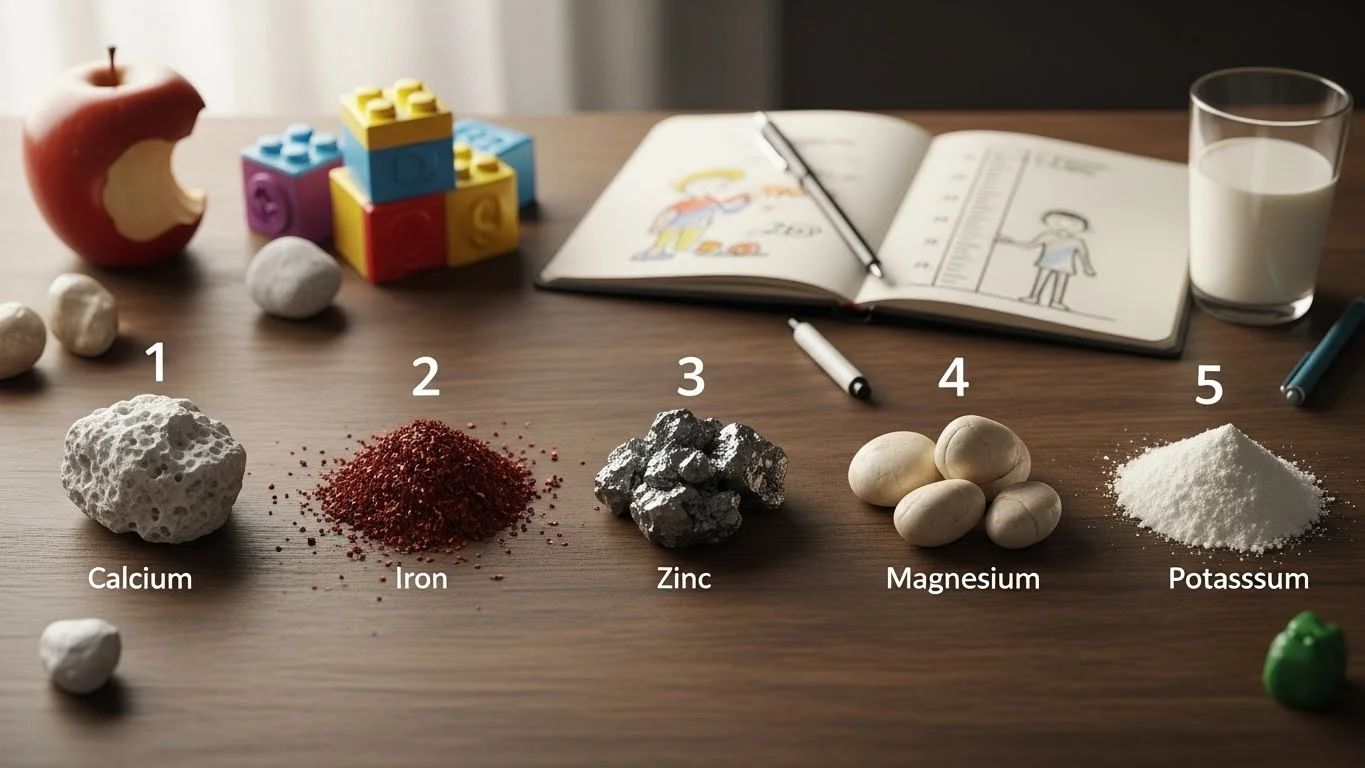
Understanding the Importance of Minerals in Child Development
What Are Essential Minerals?
Essential minerals are inorganic substances that our bodies need in small amounts to function properly. Unlike vitamins, minerals come from the earth and are found in soil, water, and the foods we eat. They are crucial for various bodily functions, including building strong bones, making hormones, and regulating heartbeat. I remember when I first learned about the importance of these minerals in my child’s diet; it felt like unlocking a treasure chest of knowledge that I couldn’t wait to share with others.
The Role of Minerals in Growth and Development
As a parent, I’ve always been aware of how vital it is for my children to have a balanced diet. Minerals play a significant role in their overall health and development. They help form the structure of bones and teeth, support the immune system, facilitate muscle function, and even contribute to cognitive development. I learned that a deficiency in these minerals could lead to serious health issues, which made me even more committed to ensuring my kids get their daily needs met. It’s fascinating to see how these tiny elements can have such a profound impact on a child’s journey from infancy through adolescence.
Top 5 Essential Minerals for Your Child’s Growth
1. Calcium
Importance of Calcium for Bone Health
Calcium is arguably the superstar mineral for growing kids. It’s essential for developing strong bones and teeth, which is something I always keep in mind as my kids grow. I remember my pediatrician stressing the importance of calcium during their growth spurts, especially when they start to get taller and more active. Adequate calcium intake can help prevent osteoporosis later in life, so it’s a long-term investment in their health.
Sources of Calcium
When it comes to incorporating calcium into my kids’ diet, I focus on a variety of sources. Dairy products like milk, cheese, and yogurt are well-known calcium sources. But I also discovered that leafy greens, almonds, and fortified plant-based milk can be great alternatives, especially if you have a child who is lactose intolerant. I’ve even found some fun recipes for smoothies that sneak in spinach and yogurt, making it easy to boost their calcium intake without them even noticing!
Recommended Daily Intake
For children aged 1 to 3 years, the recommended daily intake of calcium is about 700 mg. This increases to 1,000 mg for children aged 4 to 8 years, and further up to 1,300 mg for ages 9 to 18. I keep track of my kids’ calcium intake through a simple food diary, which has made me more mindful of their nutritional needs.
2. Iron
Role of Iron in Cognitive Development
Iron is another critical mineral that I’ve made a priority in my children’s diets. It plays a vital role in cognitive development, helping to form hemoglobin in red blood cells that carry oxygen throughout the body. I learned that without enough iron, kids may experience fatigue and difficulty concentrating in school, which is something every parent wants to avoid!
Sources of Iron
When it comes to getting iron into their diet, I try to include both heme and non-heme sources. Heme iron, found in animal products like red meat, poultry, and fish, is more easily absorbed by the body. Non-heme iron, found in plant foods like beans, lentils, and fortified cereals, is also important. I love to make a hearty lentil stew that not only tastes great but is packed with iron! Read Interesting article: Essential Vegan Nutrients Your Kids Need for Growth
Signs of Iron Deficiency
I’ve seen firsthand how vital it is to watch for signs of iron deficiency, which can include fatigue, weakness, irritability, and pale skin. If I notice any of these symptoms in my kids, I make sure to consult our doctor. Regular check-ups have helped us stay on top of their iron levels, ensuring they’re thriving.
3. Zinc
Zinc’s Contribution to Immune Function
Zinc is another mineral that’s become a staple in our family’s diet. It’s crucial for maintaining a healthy immune system, which is something we all want for our children, especially during cold and flu season. I remember when my child got sick; I learned how zinc could help reduce the duration of common illnesses. This gave me a new perspective on its importance.
Food Sources Rich in Zinc
Some of the best sources of zinc include meat, shellfish, legumes, seeds, nuts, dairy, and whole grains. I often prepare dishes with chickpeas and pumpkin seeds, which are not only delicious but also full of this essential mineral. It’s great to know that we can support our immune health through what we eat!
How Much Zinc Do Children Need?
For children, the recommended daily intake of zinc varies by age. For example, toddlers aged 1 to 3 need about 3 mg, while kids aged 4 to 8 require around 5 mg. My goal is to ensure my children get enough zinc through a balanced diet, but I also keep an eye on any signs of deficiency, such as delayed wound healing or frequent infections.
4. Magnesium
Magnesium’s Role in Muscle and Nerve Function
Magnesium is another mineral that I feel is often overlooked. It plays a significant role in muscle and nerve function, energy production, and even regulating mood. I’ve noticed that when my kids are active or stressed, ensuring they have enough magnesium can help with muscle recovery and relaxation.
Food Sources of Magnesium
You can find magnesium in foods like nuts, seeds, whole grains, and leafy green vegetables. I love adding almonds to our snack routine, and incorporating whole grain bread into our meals has been an easy way to boost their magnesium intake. I always feel good knowing I’m supporting their health in such a simple way.
Symptoms of Magnesium Deficiency
Signs that my kids might not be getting enough magnesium can include muscle cramps, fatigue, and even anxiety. I always keep this in mind, especially during busy times like school exams or sports seasons when they need that extra support.
5. Potassium
Importance of Potassium for Heart and Muscle Health
Last but not least, potassium is crucial for heart and muscle health. It helps regulate blood pressure and fluid balance in our bodies, which is especially important for growing kids. I remember being surprised at how many foods contain potassium, making it easier to include in our meals.
Foods High in Potassium
Bananas, oranges, potatoes, spinach, and avocados are just a few examples of potassium-rich foods. I often make banana smoothies or serve baked potatoes topped with yogurt and herbs, both of which my kids love. It’s amazing how delicious and healthy food can come together!
Recommended Daily Intake of Potassium
Children need different amounts of potassium depending on their age, but generally, kids aged 1 to 3 should aim for about 2,000 mg, while those aged 4 to 8 need around 2,300 mg. Paying attention to their potassium intake has allowed me to support their heart and muscle health effectively.
How to Ensure Your Child Gets Enough Essential Minerals
Balanced Diet Recommendations
When it comes to ensuring that my children get all the essential minerals they need, I’ve found that focusing on a balanced diet is key. I like to think of their meals as colorful plates filled with a variety of foods. Each color often represents different nutrients and minerals. For example, I aim for vibrant fruits and veggies, whole grains, and proteins. I remember the first time I introduced a “rainbow plate” concept to them; it turned mealtime into an exciting adventure rather than a chore.
Incorporating a mix of these food groups helps cover the bases for their mineral requirements. I’ve learned that whole grains, like brown rice and quinoa, not only provide energy but also deliver magnesium and zinc. Pairing these grains with legumes like beans or lentils adds a boost of iron and fiber. For snacks, I make sure to keep a supply of nuts and seeds on hand, which are great sources of various minerals. I feel good knowing that I’m not just filling their stomachs but also fueling their growing bodies.
Use of Supplements: When Are They Necessary?
Supplements can be a tricky subject. I’ve often questioned whether they’re necessary for my kids. From my experience, I believe that whole foods should always be the priority. But there are times when supplements can be helpful, especially if my children have dietary restrictions or specific health needs. I remember when one of my kids was a picky eater; I consulted our pediatrician about whether a multivitamin might be beneficial. Thankfully, it was reassuring to know that a well-chosen supplement could serve as a safety net, just to make sure they weren’t lacking in anything essential.
It’s crucial to remember that not all supplements are created equal. I always do my research and look for reputable brands with clear ingredient lists. A doctor’s guidance is invaluable here, so I recommend reaching out to a healthcare professional before starting any supplement routine. They can help determine what, if any, supplements are necessary based on my children’s specific dietary habits and health status.
Monitoring Mineral Intake
Keeping track of my kids’ mineral intake has been an eye-opening experience. I started with a simple food diary, jotting down what they eat daily. This practice not only helps me visualize their diets but also allows me to spot gaps in their nutrition. I remember the first few weeks of keeping this diary; it really opened my eyes to how many snacks and processed foods were creeping into their meals. Since then, I’ve become more intentional about planning their meals.
To ensure they’re getting enough essential minerals, I also pay attention to their energy levels and overall health. If one of my kids seems more fatigued than usual or is frequently getting sick, it prompts me to reevaluate their diet. Regular check-ups with our doctor have also been beneficial. They often provide insights into my children’s nutritional needs and can recommend adjustments based on their growth patterns. It’s comforting to know I have support in this journey of ensuring they receive optimal nutrition.
Common Myths About Minerals and Child Growth
Myth 1: All Minerals Are Equally Important
One common misconception I’ve encountered is that all minerals are created equal. While I understand the importance of having a balanced intake, I’ve learned that certain minerals play more critical roles during different growth phases. For instance, calcium is crucial during bone development, while iron is essential for cognitive function. This realization helped me prioritize which minerals needed more attention in my children’s diets at various stages of their growth.
Myth 2: Supplements Can Replace a Healthy Diet
Another myth I’ve come across is the belief that supplements can replace a healthy diet. I feel strongly that while supplements can be helpful in certain cases, they cannot replicate the benefits of whole foods. There’s something special about the way nutrients work together in foods that can’t be duplicated in a pill. Plus, I’ve noticed that my kids enjoy the flavor and variety of meals more when we focus on real food rather than just relying on vitamins.
Myth 3: Vegetarians Can’t Get Enough Minerals
Finally, I’ve heard people say that vegetarian diets can’t provide enough essential minerals. From my experience, that simply isn’t true! With careful planning, a vegetarian diet can be rich in all the essential minerals. I’ve discovered countless plant-based sources of calcium, iron, and zinc that I love incorporating into our meals. I think it’s about being creative and educated on what foods to include, making sure my children are still getting all the nutrients they need. Read Interesting article: Essential Nutritional Needs for Vegan Kids Explained
Supporting Your Child’s Growth Through Nutrition
The Role of Nutrition in Overall Well-being
Nutrition goes beyond just providing essential minerals; it’s the foundation of our children’s overall health and well-being. I’ve come to realize that what my kids eat can influence everything from their energy levels to their mood and even their ability to focus in school. When I make an effort to provide nutritious meals, I notice that my children are more energetic and engaged, whether they’re at home or out with friends.
In my experience, it’s crucial to create a positive relationship with food. I find that when I involve my children in meal planning and preparation, they become more excited about trying new foods. We often have family cooking nights where we explore different cuisines, which not only makes mealtime fun but also introduces them to a variety of essential minerals they may not otherwise consider. This hands-on approach has definitely led to more adventurous eaters in my household!
The Importance of Hydration
I’ve also learned that hydration plays a vital role in my children’s health. While we often focus on solid foods, I believe that fluids are equally important for mineral absorption and overall bodily functions. Water helps transport minerals in the body, making it essential for effective nutrient utilization. I always encourage my kids to drink water throughout the day, especially during physical activities. We even make it a game by tracking how much water we each drink and celebrating when we hit our goals!
On hot days or after sports, I sometimes offer coconut water or homemade fruit-infused water as a tasty alternative. This way, they can hydrate while also getting a little extra boost of minerals, like potassium, which is necessary for muscle function.
Creating a Routine for Healthy Eating
Establishing a routine around healthy eating has been a game changer for us. I’ve found that consistency helps my kids understand the importance of nutrition. We have designated meal times that allow everyone to sit down together, which fosters not only better eating habits but also encourages conversations about the foods we’re eating and why they matter. I love asking my kids what minerals they think are in their meals, and it sparks interesting discussions.
For breakfast, I always aim for something hearty and nutritious, like oatmeal topped with fruits and nuts or yogurt with seeds. These meals not only keep them satisfied but also set a positive tone for the day ahead. I’ve noticed that having a solid breakfast can significantly affect their focus and energy levels, especially during school hours.
Encouraging Variety
One thing I’ve learned is the importance of variety in their diets. It’s easy to fall into a routine of making the same meals over and over, but I’ve found that introducing new foods can be exciting for everyone. I try to encourage my kids to pick out a new fruit or vegetable at the store each week. This simple practice has led us to discover some new favorites and has kept our meals interesting.
For instance, I was surprised when my kids fell in love with quinoa and kale, which I had initially thought they wouldn’t enjoy. By presenting these foods in fun and creative ways, like making colorful salads or mixing them into their favorite dishes, I’ve seen them become more open to trying things outside their comfort zone. It’s all about finding ways to make healthy eating enjoyable!
Seeking Professional Guidance
Sometimes, despite our best efforts, I realize that we could all benefit from professional guidance. I’ve found it incredibly helpful to consult a registered dietitian when I have specific concerns about my kids’ diets. They can provide tailored advice and help me make informed decisions about meal planning. I remember a time when I was worried about my child’s iron levels; having an expert’s input reassured me and gave me actionable steps to take.
Regular check-ups with our pediatrician have also been beneficial, as they can assess growth and nutritional needs over time. This proactive approach has not only helped me feel confident in my parenting but also ensured that my children are on the right path toward growing up healthy and strong.
Building a Supportive Environment
Lastly, I believe that creating a supportive environment at home plays an essential role in promoting healthy eating habits. I try to lead by example by making mindful food choices myself. When my kids see me enjoying fruits, vegetables, and whole grains, they’re more likely to follow suit. I also encourage them to share their thoughts and preferences about food, making them feel involved in the process.
When family and friends visit, I make it a point to offer healthy snacks and meals. I think that when healthy eating is showcased as a fun and enjoyable part of our lives, it helps instill those values in my children. In my heart, I know that the habits formed now will stay with them for years to come.
Frequently Asked Questions
What are essential minerals?
Essential minerals are inorganic substances that our bodies need in small amounts to function properly. They come from the earth and are found in soil, water, and the foods we eat, playing crucial roles in various bodily functions such as building strong bones and regulating heartbeat.
Why are minerals important for child development?
Minerals are vital for overall health and development in children. They help form the structure of bones and teeth, support the immune system, facilitate muscle function, and contribute to cognitive development. A deficiency in these minerals can lead to serious health issues.
What is the recommended daily intake of calcium for children?
The recommended daily intake of calcium is about 700 mg for children aged 1 to 3 years, 1,000 mg for children aged 4 to 8 years, and 1,300 mg for children aged 9 to 18 years.
What are some good sources of iron for children?
Good sources of iron include heme iron from animal products like red meat, poultry, and fish, as well as non-heme iron from plant foods such as beans, lentils, and fortified cereals.
How can I ensure my child gets enough zinc?
To ensure adequate zinc intake, include foods rich in zinc such as meat, shellfish, legumes, seeds, nuts, dairy, and whole grains in your child’s diet. The recommended daily intake varies by age, with toddlers needing about 3 mg and children aged 4 to 8 requiring around 5 mg.
What are the signs of magnesium deficiency in children?
Signs of magnesium deficiency can include muscle cramps, fatigue, and anxiety. It’s important to monitor these symptoms, especially during busy times like school exams or sports seasons.
What foods are high in potassium?
Foods high in potassium include bananas, oranges, potatoes, spinach, and avocados. These foods can easily be incorporated into meals and snacks to support heart and muscle health.
When are supplements necessary for children?
Supplements may be necessary if children have dietary restrictions or specific health needs. Whole foods should always be the priority, but consulting a healthcare professional can help determine if a supplement is needed.
How can I monitor my child’s mineral intake?
Keeping a food diary can help visualize your child’s diet and spot gaps in nutrition. Regular check-ups with a doctor can also provide insights into your children’s nutritional needs and health status.
What myths exist about minerals and child growth?
Common myths include the belief that all minerals are equally important, that supplements can replace a healthy diet, and that vegetarian diets cannot provide enough essential minerals. Each of these misconceptions can lead to misunderstandings about nutrition.