
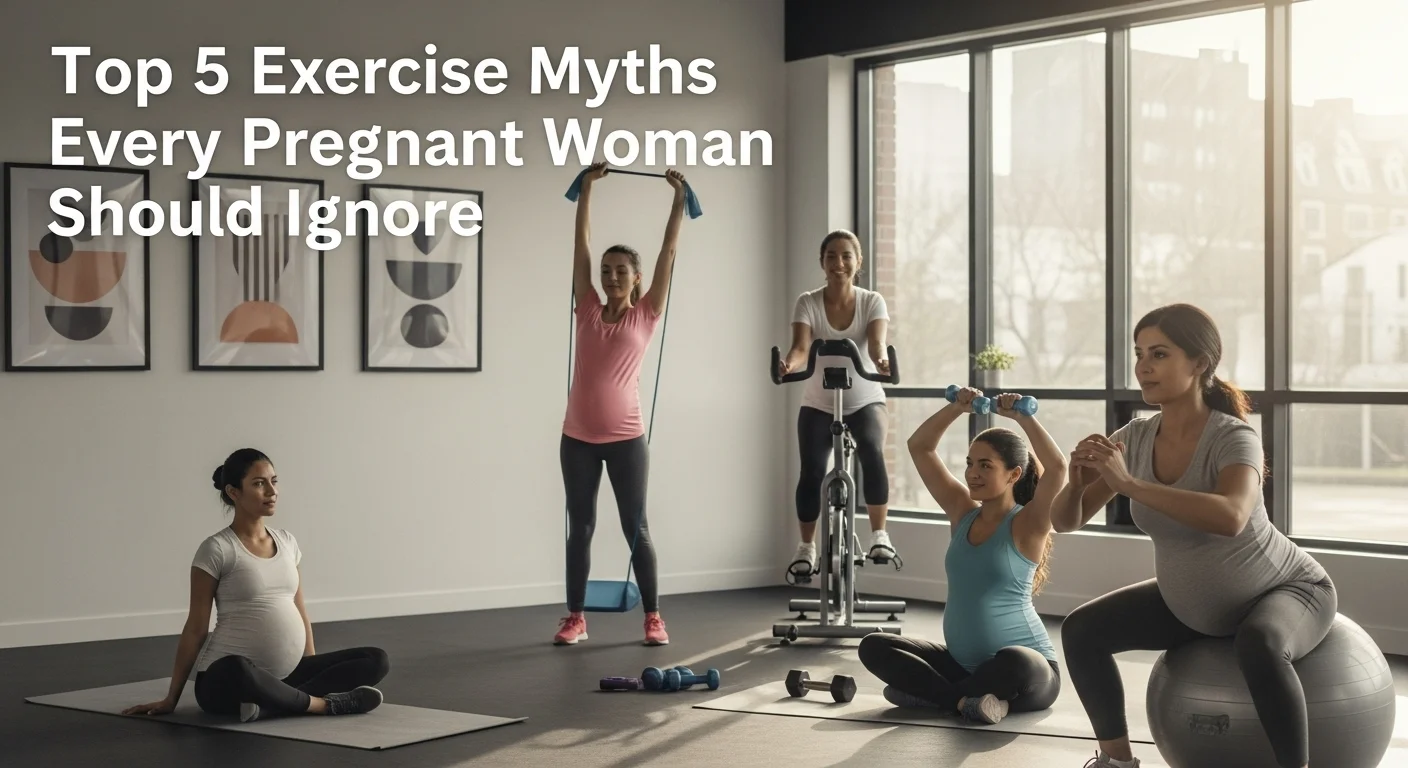
Pregnancy is a beautiful journey, but it often comes with a lot of misconceptions about exercise. Let’s dive into the top exercise myths every pregnant woman should ignore to help navigate this exciting time. Read Interesting article: Busting Exercise Myths: What Pregnant Women Need to Know
Understanding Exercise During Pregnancy
The Importance of Staying Active
As someone who has navigated the ups and downs of pregnancy, I can’t stress enough how vital staying active can be. Exercise during pregnancy isn’t just about keeping fit; it’s about supporting your body and your baby. Staying active can help manage weight gain, improve mood, and even enhance sleep. I remember feeling more energized after a brisk walk or a gentle yoga session. It felt like I was doing something positive for both myself and my little one.
Common Concerns Pregnant Women Have
When I was pregnant, I had so many questions swirling in my mind about exercise. Would it be safe? Would it harm my baby? I found out I wasn’t alone—many pregnant women share similar concerns. It’s common to worry about complications or how exercise might affect the baby. I learned that these worries often stem from myths and misconceptions surrounding pregnancy and physical activity. Understanding the facts can help ease these fears and empower us to embrace a more active pregnancy. Read Interesting article: Essential Facts to Dispel Pregnancy Nutrition Myths for Moms
Myth #1: Pregnant Women Should Avoid All Forms of Exercise
Benefits of Exercise for Pregnant Women
One of the most pervasive myths I encountered was that pregnant women should completely avoid exercise. This couldn’t be further from the truth! Exercise can be incredibly beneficial during pregnancy. I found that engaging in regular physical activity helped reduce discomfort, ease anxiety, and even prepare my body for labor. Research has shown that moderate exercise can lead to healthier outcomes for both mom and baby, including lower chances of gestational diabetes and less back pain.
Safe Types of Exercises to Consider
When it comes to safe exercises during pregnancy, the options are numerous! I personally loved swimming and yoga. Swimming felt weightless and refreshing, while yoga helped with flexibility and relaxation. Other safe options include walking, stationary cycling, and low-impact aerobics. The key is to listen to your body and choose activities that feel good. It’s not about pushing limits but about finding joy in movement. I remember the days when a simple stretch or gentle stroll made all the difference in my mood and energy levels.
Myth #2: You Should Only Exercise in the First Trimester
Exercise Recommendations for Each Trimester
Another common myth I encountered was that exercise was only recommended during the first trimester. I soon discovered that staying active throughout all three trimesters is beneficial. In fact, the American College of Obstetricians and Gynecologists recommends at least 150 minutes of moderate-intensity aerobic activity each week, spread throughout the week. I made sure to adjust my routines as my pregnancy progressed, focusing on what felt comfortable and safe.
Adapting Exercise Routines as Pregnancy Progresses
As my belly grew, I noticed I had to adapt my exercise routines. In my second trimester, I added more stretching and avoided exercises that required me to lie flat on my back. By the third trimester, gentle walks became my go-to. I realized that it’s crucial to listen to your body and modify your activities as needed. Remember, every pregnancy is unique, and what works for one person might not work for another. The important thing is to keep moving in a way that feels right for you.
Myth #3: High-Impact Exercises Are Dangerous
Understanding Safe Levels of Intensity
There’s a common belief that high-impact exercises can pose risks during pregnancy. While it’s true that some high-impact activities may not be suitable for everyone, I found that many women can safely continue these exercises with proper guidance. It’s essential to understand your own fitness level and consult with a healthcare provider to determine what’s safe. For example, I practiced some light jogging during my second trimester, but I made sure to stop if I felt any discomfort.
Low-Impact Alternatives That Are Effective
If high-impact exercises make you uneasy, don’t worry! There are plenty of effective low-impact alternatives. I found that activities like cycling, walking, and prenatal yoga provided great workouts without the stress on my joints. These exercises can help maintain strength and endurance while being gentle on the body. Plus, they can be a wonderful way to connect with other expecting mothers in your community. I joined a local prenatal yoga class that transformed my experience, allowing me to share this journey with others.
Myth #4: Lifting Weights Is Off-Limits
Benefits of Strength Training During Pregnancy
When I first heard that pregnant women should steer clear of lifting weights, I was skeptical. I had always enjoyed strength training, and it felt odd to think I had to give it up. It turns out, I wasn’t alone in my confusion. Many women believe strength training is unsafe during pregnancy, but this myth just doesn’t hold water. In fact, I found that incorporating strength training into my routine was not only safe but beneficial. It helped improve my overall strength, which is super important as our bodies change during this time.
Strength training can help reduce the risk of gestational diabetes and excessive weight gain, which was a huge relief for me. It also supports better posture, which is something I desperately needed as my belly grew. Plus, I learned that stronger muscles can make the labor process easier. I felt empowered knowing I was doing something positive for myself and my baby!
Guidelines for Safe Weight Lifting
If you’re thinking about incorporating weights into your pregnancy exercise routine, there are a few guidelines I found helpful. First, always check in with your healthcare provider before starting any new workout, especially if you were not previously lifting weights. They can give you personalized advice based on your medical history and fitness level.
When you do start lifting, I recommend focusing on lighter weights with higher repetitions. I found that using resistance bands or dumbbells that felt comfortable allowed me to maintain my strength without overexerting myself. It’s important to avoid exercises that put too much strain on your back or core, especially as your pregnancy progresses. I also learned to pay attention to my body; if something didn’t feel right, I would modify or skip that exercise altogether. Listening to your body is key!
Myth #5: You Must Avoid Exercise if You Experience Discomfort
Recognizing Normal Discomfort vs. Warning Signs
During my own pregnancy journey, I often felt minor discomforts, like tightness in my hips or mild fatigue. It made me question whether I should continue exercising. I discovered that experiencing some discomfort can be normal, especially as our bodies adapt to the changes. However, it’s crucial to differentiate between typical discomfort and warning signs that something might be wrong. I learned that if I felt a sharp pain or if my discomfort was persistent, it was a signal to slow down and reassess my activities.
For example, during one yoga session, I felt a little tightness in my lower back. Instead of panicking, I modified my poses to accommodate my body and found relief. It’s essential to stay aware of these signals; sometimes, simply changing your position or activity can make all the difference. I realized it’s okay to adapt and listen to what my body needed at that moment.
When to Consult a Healthcare Professional
While minor discomfort is generally a part of pregnancy, there are certain situations when it’s vital to consult a healthcare professional. If you experience severe pain, bleeding, or any unusual symptoms, don’t hesitate to reach out. I learned firsthand that it’s better to be safe than sorry. I remember having a scare one day when I felt intense cramping, and my first instinct was to brush it off. However, I decided to call my doctor, and they were incredibly reassuring and helpful.
Always trust your instincts. If something feels off, it’s worth checking in with a professional. They can provide the guidance and support you need to continue your exercise safely. I found that having an open line of communication with my healthcare provider made me feel more confident in my exercise choices.
Embracing an Active Pregnancy
As I reflect on my own experiences, I realize how important it is to embrace an active pregnancy. By challenging these myths, we can empower ourselves to stay healthy and strong during this incredible journey. It’s all about finding what works for you and your unique body. I hope that by sharing my story, I can encourage other expecting mothers to embrace movement in a way that feels right for them. Read Interesting article: Debunking Nutrition Myths: What Pregnant Women Really Need
Resources for Safe Exercise During Pregnancy
Finding Reliable Information
When I was pregnant, I found myself diving into a sea of information about exercise and fitness. It was overwhelming at times, but I learned that not all sources are created equal. I quickly realized that seeking reliable, research-based information was essential for making safe decisions. I recommend looking for resources from reputable organizations, like the American College of Obstetricians and Gynecologists or the Centers for Disease Control and Prevention. These organizations provide guidelines and insights backed by science, which helped me feel more confident in my choices.
Consulting Healthcare Providers
One of the best resources I discovered was my healthcare provider. I made it a point to discuss my exercise plans during my regular check-ups. Having those conversations helped me tailor my routines to fit my specific needs and get professional advice. I remember one visit where we talked about my exercise goals and any concerns I had. My doctor offered suggestions that aligned with my lifestyle and fitness level, which was so reassuring. I encourage you to lean on your healthcare provider as a trusted resource throughout your pregnancy journey.
Joining Prenatal Fitness Classes
Another great resource for safe exercise is joining prenatal fitness classes. I took a prenatal yoga class that not only helped me stay active but also connected me with other expecting mothers. The instructor was knowledgeable about the specific needs of pregnant women, and I felt comfortable asking questions. These classes often offer a community of support and shared experiences, making the journey feel less lonely. Plus, I learned new exercises that were tailored specifically for my changing body, which was both fun and beneficial!
Online Communities and Apps
In today’s digital age, online communities and fitness apps have become fantastic resources. I joined a couple of online groups where expecting moms shared their workout routines, tips, and experiences. These platforms were filled with encouragement and motivation, which was so helpful on days when I felt a bit low. Additionally, I tried a few pregnancy-specific fitness apps that provided guided workouts designed for each trimester. I found them to be a great way to keep my routine fresh and exciting.
Encouragement for Expecting Mothers
Listening to Your Body
As I navigated through my own pregnancy, one of the most important lessons I learned was to listen to my body. There were days when I felt energized and wanted to push myself, but there were also days when all I wanted was to rest. I came to appreciate that it’s perfectly okay to adjust my activity level based on how I felt. I remember a day when I planned to go for a long walk but ended up opting for a short stroll instead. Trusting my instincts allowed me to stay active without overdoing it.
Celebrating Small Victories
Another piece of encouragement I’d like to share is to celebrate the small victories along the way. Whether it’s completing a workout, trying a new exercise, or simply sticking to your routine, recognizing these achievements can boost your motivation. I found joy in the little things, like finally mastering a yoga pose or simply feeling grateful for my body’s capabilities. Pregnancy can feel like a whirlwind, but focusing on these moments can make the journey feel more rewarding.
Creating a Support System
No one should go through pregnancy alone, and I truly believe that having a solid support system is vital. I leaned on friends and family who encouraged me to stay active and reminded me that I was doing great. I also connected with other expecting mothers through classes and online forums, and their support was invaluable. Having someone to share the ups and downs of pregnancy—especially regarding exercise—made the experience feel more manageable and enjoyable.
Final Thoughts
As I wrap up my thoughts on exercising during pregnancy, I can’t help but reflect on how empowering this journey has been. Each moment spent moving my body has taught me the importance of listening to myself and respecting my limits. I believe every expecting mother should feel encouraged to embrace an active lifestyle that feels right for them, regardless of the myths that may persist.
I know firsthand that navigating the myriad emotions and physical changes during pregnancy can be overwhelming. It’s easy to feel uncertain about how to approach exercise, especially with so much conflicting information out there. However, I found it crucial to focus on what felt good for my body and what would support my well-being and that of my baby. I think the most important takeaway is that movement can be a source of joy, rather than a chore. Whether it’s a gentle stretch, a rhythmic dance to your favorite music, or a brisk walk outdoors, finding what makes you feel good is key.
In my experience, creating a routine that incorporates safe exercise became a cherished part of my day. It was my time to connect with my body, celebrate its strengths, and prepare for the incredible task ahead. I learned that each small step taken during this time contributed to my overall health and positivity. I truly believe that as we embrace our bodies and their capabilities, we can find strength in our journeys.
For those just starting, I encourage you to explore different activities and see what resonates with you. If you’re unsure where to begin, consider joining a class or seeking guidance from a healthcare provider. Building a supportive network can make all the difference; I certainly felt uplifted by the encouragement of friends and family during my own journey.
As I look back, I feel grateful for the lessons learned and the strength gained through this process. I hope that sharing my experiences helps other expecting mothers feel empowered to make informed choices about their exercise routines. Remember, active pregnancy is not only possible but can be a fulfilling and joyful experience. So here’s to embracing our journeys, celebrating our bodies, and moving forward with confidence!
Frequently Asked Questions
1. Is it safe for pregnant women to exercise?
Yes, exercise during pregnancy can be safe and beneficial. It helps manage weight gain, improve mood, and enhance sleep, among other advantages.
2. What types of exercises are recommended for pregnant women?
Safe exercises for pregnant women include swimming, yoga, walking, stationary cycling, and low-impact aerobics. It’s important to choose activities that feel comfortable and enjoyable.
3. Can I exercise during all three trimesters of pregnancy?
Absolutely! Staying active throughout all three trimesters is beneficial. The American College of Obstetricians and Gynecologists recommends at least 150 minutes of moderate-intensity aerobic activity each week.
4. Are high-impact exercises safe during pregnancy?
While some high-impact activities may not be suitable for everyone, many women can safely continue these exercises with proper guidance. It’s essential to consult with a healthcare provider to determine what is safe.
5. Is strength training allowed during pregnancy?
Yes, strength training can be safe and beneficial during pregnancy. It can help improve overall strength, reduce the risk of gestational diabetes, and support better posture.
6. What should I do if I experience discomfort while exercising?
Minor discomfort can be normal, but it’s crucial to differentiate between typical discomfort and warning signs. If experiencing severe pain or unusual symptoms, consult a healthcare professional.
7. How can I adapt my exercise routine as my pregnancy progresses?
As pregnancy progresses, it’s important to listen to your body and modify your routines accordingly. For example, avoid exercises that require lying flat on your back and focus on what feels comfortable.
8. What should I do if I’m unsure about how to exercise while pregnant?
Consulting with a healthcare provider is highly recommended. They can offer personalized advice based on your medical history and fitness level.
9. Are there resources available for safe exercise during pregnancy?
Yes, reliable sources include organizations like the American College of Obstetricians and Gynecologists and the Centers for Disease Control and Prevention. Additionally, joining prenatal fitness classes and online communities can provide support and guidance.
10. How can I feel motivated to stay active during pregnancy?
Celebrate small victories, listen to your body, and create a support system. Connecting with friends, family, and other expecting mothers can boost motivation and make the journey more enjoyable.