
Finding fun ways to connect with our children can really strengthen our relationships. Let’s explore some exciting activities that can enhance our communication skills and bring us closer together! Read Interesting article: Bonding with Your Newborn: Communication Techniques That Work
Understanding Parent-Child Communication
Importance of Effective Communication
When I think about my relationship with my kids, communication is at the heart of it all. I remember a time when my daughter was upset about something at school, and instead of brushing her off, I took a moment to listen. It made all the difference. Effective communication allows us to understand each other better, creating a safe space for our kids to express their feelings. It helps build trust and fosters a sense of security. I’ve realized that when we communicate effectively, we not only resolve issues faster, but we also strengthen our bond.
Common Barriers to Communication
Despite our best intentions, there are often barriers that can hinder open communication between parents and children. I’ve noticed that sometimes, distractions like phones or television can pull us away from meaningful conversations. Additionally, age differences can create gaps in understanding. For example, I found it challenging to connect with my teenage son when he was wrapped up in his own world. There are also emotional barriers—like fear of judgment or misunderstanding—that can make kids hesitant to share. Recognizing these barriers is the first step toward overcoming them.
Benefits of Strong Parent-Child Relationships
The benefits of nurturing strong relationships with our children are immense. From my experience, kids who feel comfortable communicating with their parents tend to develop better emotional intelligence. They become more confident in expressing themselves and are more likely to seek guidance when they face challenges. I’ve seen how a supportive relationship can lead to better academic performance and fewer behavioral issues. Ultimately, strong parent-child relationships can lead to happier, healthier kids. I cherish the moments when my kids come to me with their problems, knowing that we can tackle anything together. Read Interesting article: Understanding Newborn Communication: Key Developmental Tips
Top 5 Fun Activities to Enhance Communication Skills
1. Storytelling Sessions
One of my favorite ways to boost communication is through storytelling sessions. Sharing stories can really ignite a child’s imagination. I remember choosing a book that both of my kids loved, and we took turns reading aloud. It was fascinating to see how they interpreted the characters and plot. We even made up our own endings! This not only encouraged their creativity but also sparked discussions about their favorite parts, leading to deeper conversations about feelings and morals.
Choosing Engaging Stories
When it comes to picking stories, I recommend choosing ones that resonate with your child’s interests. Whether it’s a thrilling adventure or a heartfelt tale, engaging stories captivate kids and encourage them to share their thoughts. We often visit the library together and let them pick books they love. This has opened up doors for discussions that often go beyond just the story itself.
Encouraging Imagination and Expression
Storytelling is also an excellent chance for kids to express their ideas. After reading, I sometimes ask them open-ended questions like, “What would you have done differently?” or “How do you think the character felt?” These questions invite them to dig deeper into their thoughts and feelings, enhancing their communication skills in a fun way.
2. Family Game Nights
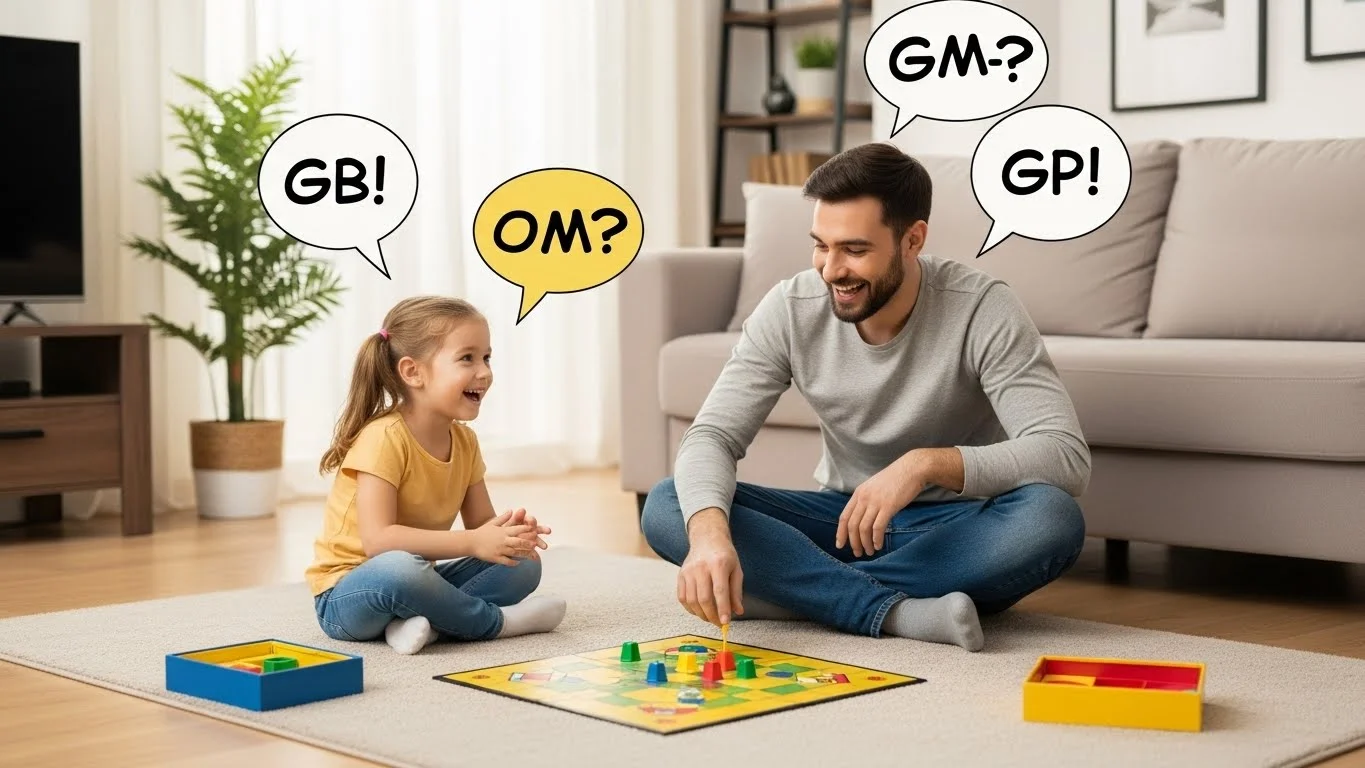
Family game nights have become a cherished tradition in our home. They create a relaxed atmosphere where everyone can unwind and have fun together. I’ve noticed that games often lead to more than just competition; they spark conversation and laughter. Whether we’re playing board games or card games, the interactions during playtime are invaluable for building communication skills.
Games that Promote Conversation
Some games are especially designed to encourage communication. For example, games like “Guess Who?” or “Charades” require us to ask questions and think critically. These types of games help kids learn how to articulate their thoughts while having a blast. I’ve seen my kids become more confident in expressing their opinions during game nights, and it’s a joy to witness.
Building Teamwork and Trust
Team-based games also foster collaboration and trust. We often play team trivia or cooperative board games where we must work together to win. This not only strengthens our bond but also teaches kids the importance of listening to one another. I truly believe that these game nights have helped us develop a supportive family dynamic.
3. Creative Arts and Crafts
Arts and crafts have always been a fantastic way for my kids to express themselves. I remember when we set up a craft day at home, and it turned into a wonderful opportunity to communicate. While working on projects, we discuss everything from colors to emotions associated with the artwork. It’s amazing how creativity can open up lines of communication that might otherwise be closed.
Using Art to Express Feelings
Encouraging kids to use art as a form of expression can be incredibly powerful. I often suggest they create artwork that represents how they feel. This not only gives them a voice but also leads to discussions about their emotions. I’ve found that when they show me their creations, they’re often willing to share the stories behind them, which leads to deeper conversations.
Collaborative Projects for Bonding
Working on collaborative projects serves as a great team-building exercise. I remember when we created a family mural together, each contributing different elements. This project not only brought us closer as we brainstormed ideas, but it also allowed us to communicate our thoughts in a relaxed setting. We laughed, shared stories, and created lasting memories through this activity.
4. Cooking Together
Cooking together has become one of my favorite ways to engage with my kids. In our family, the kitchen is the heart of our home, and preparing meals can be a fun way to improve communication. I’ve noticed that when we cook together, we not only bond but also learn about each other’s preferences and opinions.
Choosing Recipes that Encourage Communication
When selecting recipes, I like to involve my kids in the decision-making process. We often browse through cookbooks or online recipes together, discussing what looks good and what ingredients we have. This encourages them to express their thoughts and preferences, making them feel included in the cooking process. I’ve found that this simple act promotes open dialogue and teamwork.
Discussing Ingredients and Techniques
While cooking, I love to ask my kids questions about the ingredients and techniques we’re using. This encourages them to think critically and express their ideas about cooking. For instance, I might ask, “What do you think would happen if we added more spice?” These conversations not only enhance their cooking skills but also help them articulate their thoughts more clearly.
5. Outdoor Adventures
There’s something magical about spending time outdoors, and I’ve found that outdoor adventures can greatly enhance parent-child communication. Whether it’s hiking, biking, or simply taking a walk in the park, nature provides the perfect backdrop for meaningful conversations.
Nature Walks and Conversation Starters
During our nature walks, I often use the scenery as conversation starters. I ask questions like, “What do you notice about the trees?” or “How does this place make you feel?” These questions invite them to share their observations and feelings, creating a natural flow of communication. I’ve noticed that the calm environment of nature allows my kids to open up more than they might at home.
Team-Building Activities in Nature
Outdoor adventures also provide opportunities for team-building activities. We often engage in games like scavenger hunts or obstacle courses, which require teamwork and communication. These activities help us bond as a family and teach my kids the importance of collaboration while having a great time.
Enhancing Communication Skills through Technology
Using Communication Apps for Families
In today’s digital age, technology can be an incredible tool for enhancing our communication with our kids. I remember when my son started using a messaging app designed for families. It became a fun way for us to share little updates or funny moments throughout the day. I found that using this app made me more aware of what was happening in his world, and it encouraged him to express himself more freely. It’s like having a window into his thoughts and feelings that I wouldn’t have otherwise.
There are several apps available that allow families to create private spaces for communication. These apps often include features like shared calendars, reminders, and even photo sharing. I’ve noticed that when my kids can send me a quick message or a picture, it opens up more opportunities for conversation later. It feels like we’re both part of each other’s lives, even when we’re apart.
Online Games that Foster Teamwork
Another way we’ve embraced technology is through online games that encourage teamwork. I was surprised to find that there are many games designed specifically for families to play together, even if we’re not in the same room. We discovered a multiplayer game where we had to work together to solve puzzles and complete challenges. Not only did we have a blast, but it also required us to communicate effectively to succeed.
Playing these games has taught my kids how to express their ideas and strategies clearly. I remember one particular session where my daughter suggested a plan, and we all listened and built on it. It was a joy to see her take the lead and for us to rally together as a team. In a way, these online experiences mimic real-life teamwork, helping our kids learn vital communication skills while having fun.
Tips for Sustaining Open Communication
Creating a Safe Space for Discussion
One of the most important aspects of keeping communication open is creating a safe space for discussions. I’ve learned that when my kids know they can talk to me without judgment, they are much more likely to open up. To foster this environment, I make a conscious effort to approach conversations with an open mind. I remember a time when my son shared something that surprised me, but instead of reacting negatively, I simply listened. That moment reinforced our connection and encouraged him to come to me again in the future.
Setting aside time for one-on-one conversations can also help. I often take my children out for ice cream or go for a walk, which creates an informal atmosphere that makes talking easier. When they feel comfortable, they’re more likely to share their thoughts and concerns. I believe that showing them that I value their opinions and feelings is crucial for maintaining open lines of communication.
Active Listening Techniques
Active listening is another key element in effective communication. I’ve found that truly listening to my kids, rather than just waiting for my turn to speak, has made a significant difference in how they engage with me. When we have discussions, I focus on their words, making sure to nod or respond with encouraging phrases like, “I see” or “That’s interesting.” This lets them know I care about what they’re saying.
Sometimes, I even paraphrase what they’ve told me to show that I’m paying attention. For instance, if my daughter expresses frustration about school, I might say, “It sounds like you’re feeling overwhelmed with your homework.” This technique helps clarify their feelings and lets them know I understand. I’ve noticed that when they see me genuinely engaged, they’re more likely to open up and share more of their thoughts and feelings.
Encouraging Regular Check-Ins
Establishing regular check-ins has been a game-changer in our family. I found that setting aside a specific time each week for a family meeting or casual chat has helped us stay connected. During these check-ins, we discuss how everyone is doing, what’s been going on in our lives, and any challenges we might be facing. It’s a time for everyone to share their thoughts without fear of reprimand.
During these meetings, I encourage each family member to speak. I’ve noticed that my kids eagerly await this time because it allows them to voice their opinions and feelings. It’s also an opportunity for us to celebrate achievements, whether big or small. These regular check-ins have helped strengthen our bond, making it easier to address any issues before they escalate.
Addressing Common Communication Challenges
Dealing with Teenagers
Navigating communication with teenagers can sometimes feel like walking through a minefield. From my experience, I’ve learned that it’s essential to pick the right moments to engage them in conversation. I’ve found that if I approach them when they’re relaxed, such as during a car ride or while playing video games, they’re much more receptive to talking. It’s all about finding that balance between giving them space and being available when they need support.
Handling Difficult Conversations
There are times when difficult conversations are unavoidable, especially as our kids face challenges in school or friendships. I remember having to discuss a sensitive topic with my daughter, and I felt nervous about how it would go. To tackle this, I chose to be honest and straightforward, while also being empathetic. I asked if she felt comfortable discussing it and ensured she knew I was there to support her no matter what. It wasn’t easy, but approaching the conversation with care and understanding made it a little easier for both of us.
Recognizing Non-Verbal Cues
Non-verbal communication often speaks volumes. I’ve learned to pay attention to my kids’ body language and facial expressions, particularly when they seem hesitant to talk. I remember a time when my son was unusually quiet during dinner. Instead of brushing it off, I gently asked if he wanted to talk about anything. Sometimes, just being aware of these cues can lead to deeper conversations that help us connect on a more meaningful level.
Frequently Asked Questions
What is the importance of effective communication in parent-child relationships?
Effective communication is crucial as it allows parents and children to understand each other better, creating a safe space for children to express their feelings. It helps build trust, fosters a sense of security, and strengthens the bond between parents and children.
What are common barriers to communication between parents and children?
Common barriers include distractions such as phones or television, age differences that create gaps in understanding, and emotional barriers like fear of judgment or misunderstanding, which can make children hesitant to share their thoughts.
What are some benefits of strong parent-child relationships?
Nurturing strong relationships can lead to better emotional intelligence in children, increased confidence in self-expression, improved academic performance, and fewer behavioral issues. Ultimately, strong relationships contribute to happier, healthier kids. Read Interesting article: Essential Communication Skills for Your Newborn’s Growth
What is one fun activity to enhance communication skills with children?
Storytelling sessions are a great way to enhance communication skills. By sharing stories, children can ignite their imagination, discuss their interpretations, and engage in deeper conversations about feelings and morals.
How can family game nights promote communication?
Family game nights create a relaxed atmosphere that fosters conversation and laughter. Games encourage articulation of thoughts and promote teamwork, helping children become more confident in expressing their opinions.
How can arts and crafts improve communication between parents and children?
Arts and crafts allow children to express themselves creatively while discussing their artwork. This encourages deeper conversations about their emotions and experiences, thereby enhancing communication skills.
What role does cooking together play in improving communication?
Cooking together encourages open dialogue and teamwork as children express their thoughts and preferences regarding recipes and ingredients. It creates opportunities for critical thinking and conversation about cooking techniques.
How can outdoor adventures enhance parent-child communication?
Outdoor adventures provide a calm environment that encourages meaningful conversations. Nature walks can serve as conversation starters, helping children share their observations and feelings, while team-building activities promote collaboration.
What technology can families use to enhance communication?
Families can use communication apps designed for sharing updates and experiences, which help keep everyone connected. Online games that encourage teamwork can also foster communication skills while having fun together.
What tips can help sustain open communication with children?
Creating a safe space for discussion, practicing active listening, and establishing regular check-ins can help sustain open communication. These methods encourage children to share their thoughts and feelings without fear of judgment.